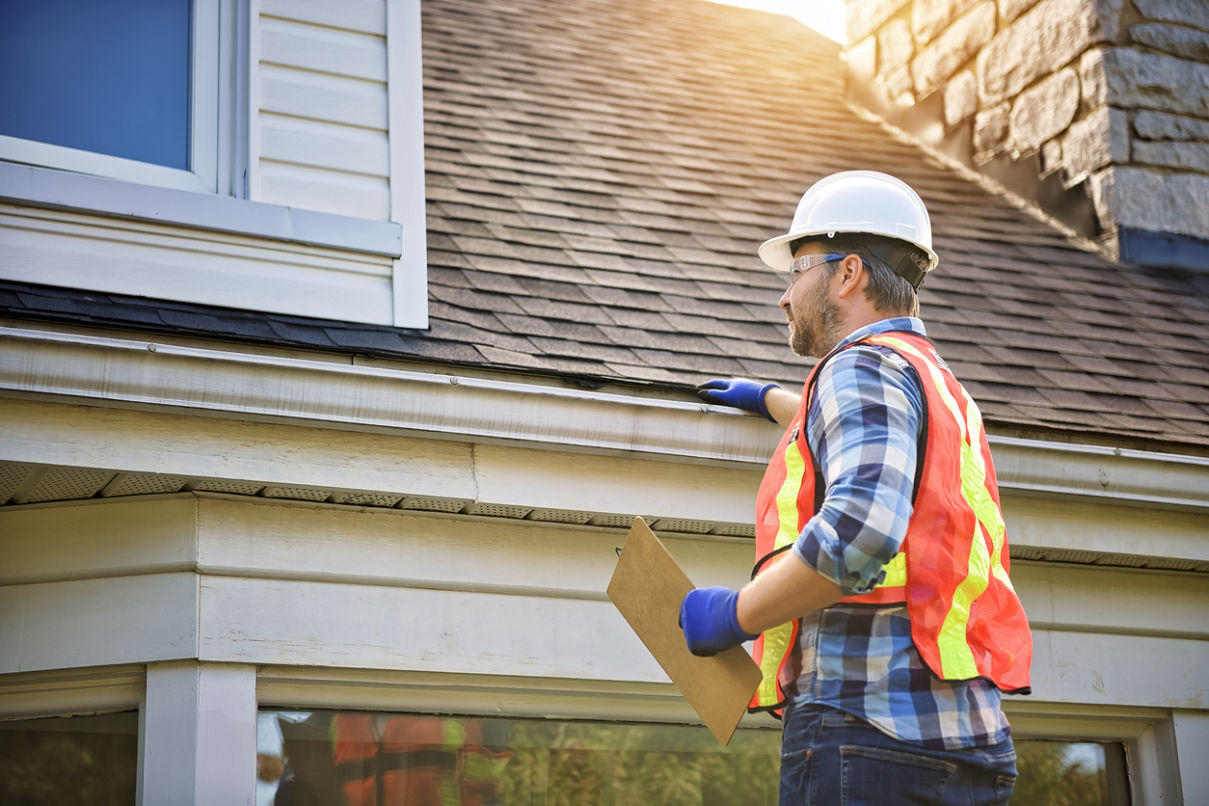
Why Roof Inspections Matter After Storms in Newport News
Find out why roof inspections matter after storms in Newport News and how they help uncover hidden damage before leaks spread.

When a strong storm moves through Newport News, most homeowners do the same thing first: they look for obvious damage. They check the yard for fallen branches, glance at the siding, look for broken gutters, and scan the ceiling for new water stains. If nothing dramatic stands out, it is easy to assume the roof came through the storm just fine. That assumption is understandable, but it is also one of the most common reasons minor storm damage turns into a much larger roofing problem later. That is exactly why roof inspections after storms in Newport News matter so much.
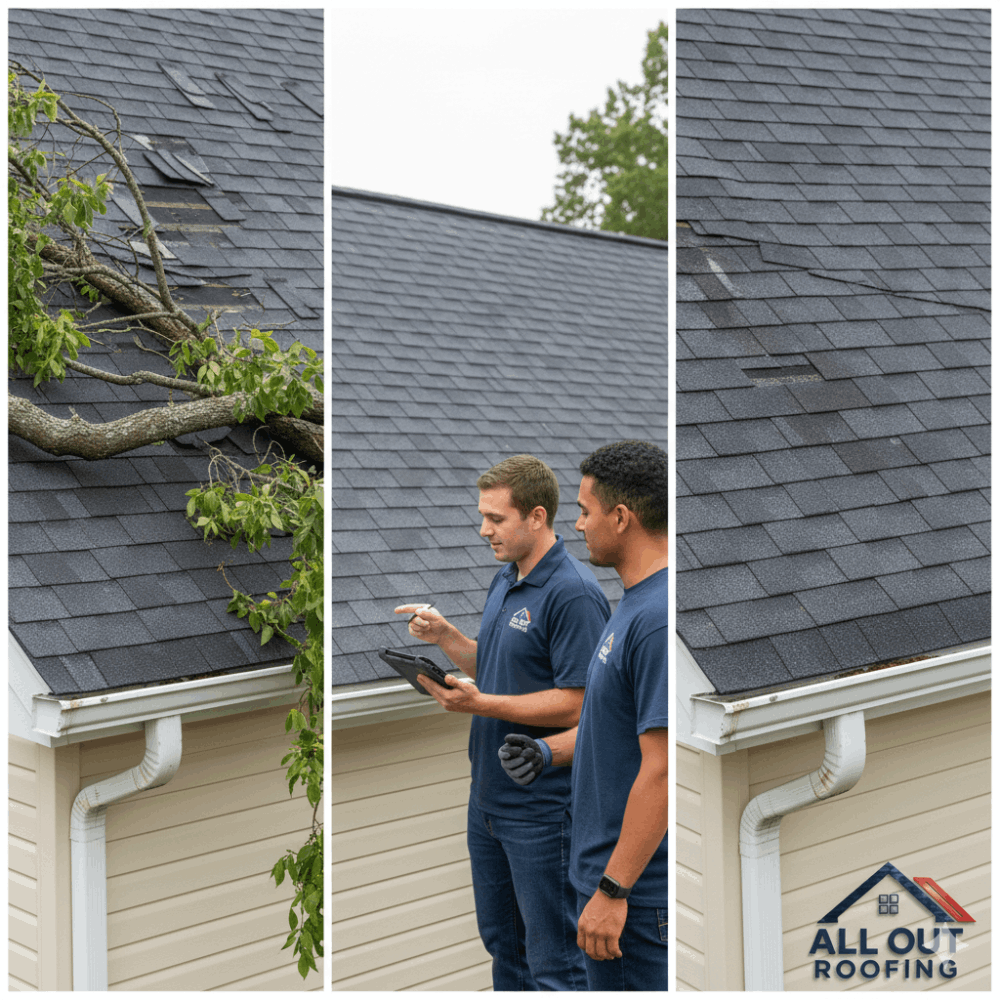
A roof does not need to lose large sections of shingles to suffer real storm damage. In many cases, the most important damage is subtle. A few shingles may have loosened but not blown off. Flashing may have shifted slightly around a vent or chimney. Sealants may have cracked under wind pressure. A branch may have grazed the roof hard enough to bruise or weaken the surface without leaving obvious evidence from the ground. These issues may not cause an immediate leak, but they can create the exact kind of vulnerability that allows water to enter later.
That is the challenge with storm damage in coastal Virginia. It does not always announce itself in a dramatic way. It often hides in plain sight until the next heavy rain exposes it. By then, the problem is no longer just roof damage. It may be attic moisture, stained ceilings, damaged insulation, softened decking, or mold growth. A professional roof inspection after a storm helps homeowners find those issues before they spread.
For homeowners in Newport News and throughout the broader Hampton Roads area, including Virginia Beach, storm-season roof care is not just about emergency repairs. It is about reducing hidden risk, protecting the value of the home, and making sure small weather-related weaknesses do not turn into avoidable interior damage.
Storm Damage Is Not Always Easy to See
One of the biggest misconceptions homeowners have is that roof damage should be obvious. If shingles are missing, if a tree has fallen on the house, or if water is dripping into the living room, then clearly something is wrong. But many roofing issues caused by storms are far less visible in the beginning.
Wind can lift shingles just enough to break their seal without tearing them away. Heavy rain can test flashing and reveal small failures around roof penetrations. Debris can strike the roof and create localized weaknesses that do not look severe from the yard. Gutters can loosen slightly. Metal edges can shift. Even minor movement in the roofing system can create a future entry point for water.
This is what makes roof inspections after storms in Newport News so important. A trained roofing professional knows what kinds of hidden storm-related issues to look for and where they are most likely to appear. What seems minor to a homeowner from the ground can be a meaningful warning sign once viewed up close.
Newport News Weather Can Be Tough on Roofing Systems
Homes in Newport News are no strangers to strong weather. Wind-driven rain, seasonal storms, humidity, and the broader coastal climate all place regular stress on residential roofing systems. Even when a storm is not classified as severe, it can still create enough pressure to expose weaknesses in an aging or already vulnerable roof.
This matters because roofing systems age in layers. A roof that has already gone through years of sun exposure, moisture, minor repairs, and weather changes may be far more susceptible to storm damage than a newer roof in ideal condition. The storm does not always create the problem from scratch. Sometimes it simply reveals the weaknesses that were already there.
For homeowners, that means even a storm that seems manageable can be enough to create trouble. If the roof is older, if maintenance has been delayed, or if there were already small issues around flashing or shingles, the risk increases. A post-storm inspection helps determine whether the roof simply survived the weather or whether it was weakened in ways that now need attention.
Why Waiting for a Leak Is a Risky Strategy
Many homeowners take a wait-and-see approach after a storm. If the roof is not leaking, they assume no action is needed. Unfortunately, that standard is often too late. By the time a leak becomes visible inside the home, water may already have traveled through roofing layers, decking, insulation, or attic space for some time.
Water intrusion is rarely a one-step event. It often begins with a small opening. Wind may lift a shingle edge. Flashing may pull slightly away from a wall or chimney. A vent boot may crack under weather stress. The next rain then pushes moisture into that weak point. At first, the amount may be small enough to go unnoticed. Over time, however, that moisture can spread and damage materials that are far more expensive to repair than the original roofing issue.
That is why a roof inspection after a storm is not just about confirming whether the roof is ruined. It is about finding out whether the roof was compromised in ways that could lead to future leaks. Preventing interior damage is almost always easier and more affordable than reacting after water has already entered the home.
What a Professional Roof Inspection Looks For
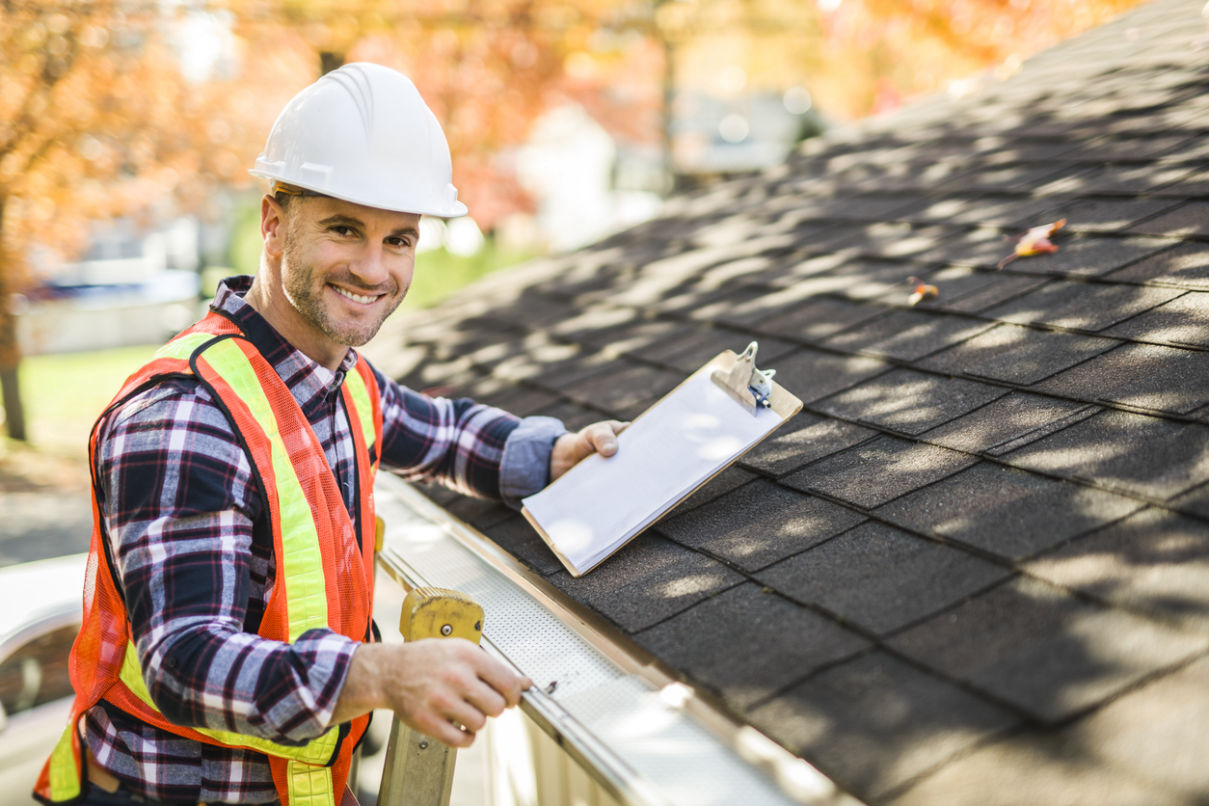
After a storm, a professional roofing inspection focuses on more than the most visible parts of the roof. A contractor evaluates the system as a whole, looking for signs of weather-related stress, lifted materials, weak transitions, and any point where water could gain access.
Common areas inspected after storms include:
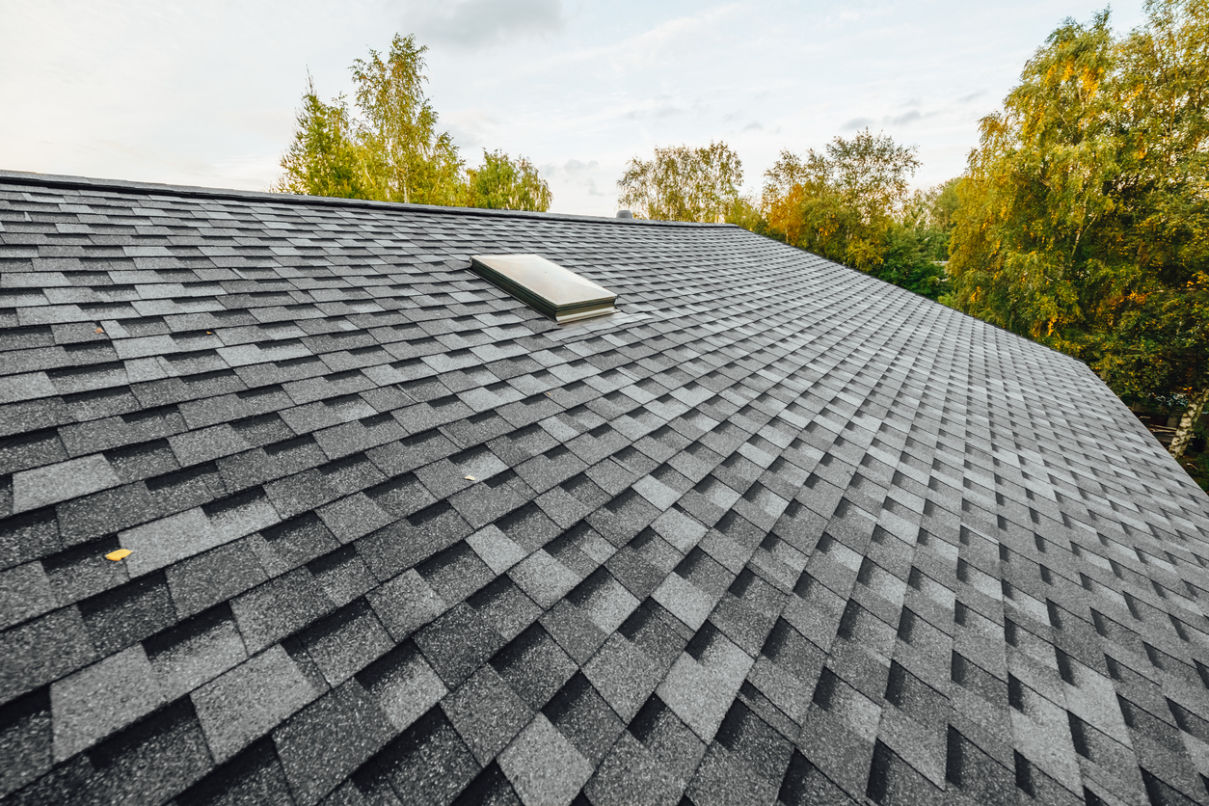
- Missing, torn, creased, or lifted shingles
- Damaged flashing around chimneys, skylights, and vents
- Loosened ridge caps and roof edges
- Gutter and downspout damage or separation
- Impact marks from branches or debris
- Cracked sealants around penetrations and transitions
- Signs of moisture intrusion in attic spaces
This kind of inspection matters because storm damage is often not limited to one obvious spot. A roof may have multiple smaller issues across different sections, and together those issues can raise the risk of future leaks or broader deterioration.
Small Storm Damage Can Spread Faster Than Homeowners Expect
One reason post-storm inspections are so valuable is that small roofing damage has a way of escalating. A single loose shingle can expose surrounding materials to more wind and rain. A compromised flashing section can allow repeated moisture entry every time the weather turns wet. A minor gutter shift can change the way water drains off the roof, increasing stress along fascia boards, eaves, and roof edges.
In other words, storms do not just damage roofs directly. They can also change how the roof performs afterward. Once that happens, the roof may continue to decline with every passing weather cycle if the problem is not corrected. A repair that would have been simple the week after the storm can become a more involved project months later.
That progression is exactly why homeowners benefit from acting promptly. Early detection usually creates more options. The sooner storm-related damage is identified, the better the chance of containing the issue before it affects interior materials or broader sections of the roof.
Roof Inspections Help Protect More Than the Roof
Although the focus is naturally on the roofing system, storm-related roof damage can affect many other parts of the home. Water that enters through the roof may damage insulation, drywall, paint, framing, electrical systems, and stored belongings in the attic. Moisture that lingers in dark enclosed spaces can also create conditions that support mold growth and unpleasant odors.
This is an important reason why roof inspections after storms in Newport News are about more than the roof surface itself. A roofing issue can quickly become a whole-home issue if water is allowed to move deeper into the structure. Even a relatively small leak can affect ceilings, upper-floor walls, and attic systems long before the source becomes obvious.
By confirming the roof’s condition early, homeowners are really protecting the broader home envelope. That is a much more practical and cost-effective approach than waiting for the damage to reveal itself indoors.
Post-Storm Inspections Are Especially Important for Older Roofs
Not every roof responds to a storm the same way. Age matters. An older roof is more likely to have brittle shingles, worn sealants, aging flashing, and previous repair areas that are easier for wind and rain to exploit. What might be a harmless storm for a newer roof could create meaningful damage on a roof that is already in a later stage of life.
That does not mean every older roof needs immediate replacement after a storm. But it does mean older roofs deserve closer attention. A professional inspection can help separate cosmetic wear from true storm-related damage and determine whether the roof still has dependable life left or is becoming more vulnerable with each weather event.
For homeowners unsure about the age or current condition of their roof, a storm is often the right moment to get clarity. Even if no major repair is needed immediately, the inspection can provide valuable insight into the roof’s overall health.
Storm Inspections Can Support Better Repair Decisions
One of the most useful things about a post-storm inspection is that it helps homeowners make informed decisions rather than reactive ones. Without an inspection, homeowners are often left guessing. They may worry unnecessarily when the roof is actually fine, or worse, assume everything is okay when the roof has real damage that has not yet become visible.
An inspection provides direction. It helps answer practical questions such as:
- Did the storm actually damage the roof?
- Is the damage minor, moderate, or widespread?
- Can the roof be repaired, or is broader work needed?
- Are there vulnerable areas that should be addressed now to avoid future leaks?
- Is the roof still in sound condition overall, or is it nearing the end of its service life?
That kind of clarity matters. It allows homeowners to move from uncertainty to action and prioritize what truly needs attention.
Inspections Can Reduce Stress During Future Rain Events
There is also a practical peace-of-mind benefit that comes from having the roof checked after a storm. Once another rain event comes through, homeowners who skipped inspection often find themselves wondering whether the roof is still sound. Every noise in the attic or stain near a vent starts to feel more stressful.
By contrast, a professional inspection gives homeowners more confidence. If the roof is in good shape, they know it. If there is damage, they can address it before it turns into a larger problem. That certainty is valuable, especially in a region where seasonal weather can bring repeated periods of wind and rain.
Common Signs You Should Not Ignore After a Storm
Even though hidden damage is common, there are still visible signs that should prompt a roofing inspection right away. Homeowners should not ignore changes that suggest the storm may have affected the roofing system, even if the interior of the home still looks dry.
Warning signs include:
- Shingles or roofing debris on the ground
- Dented, bent, or detached gutters
- Branches scraping or striking the roof
- Visible lifting or uneven roof sections
- New water spots in the attic or on ceilings
- Loose flashing near chimneys or roof penetrations
These signs do not always mean the damage is severe, but they do mean the roof deserves professional attention. The sooner the condition is documented and evaluated, the easier it is to decide what comes next.
Local Roofing Experience Matters After Storms
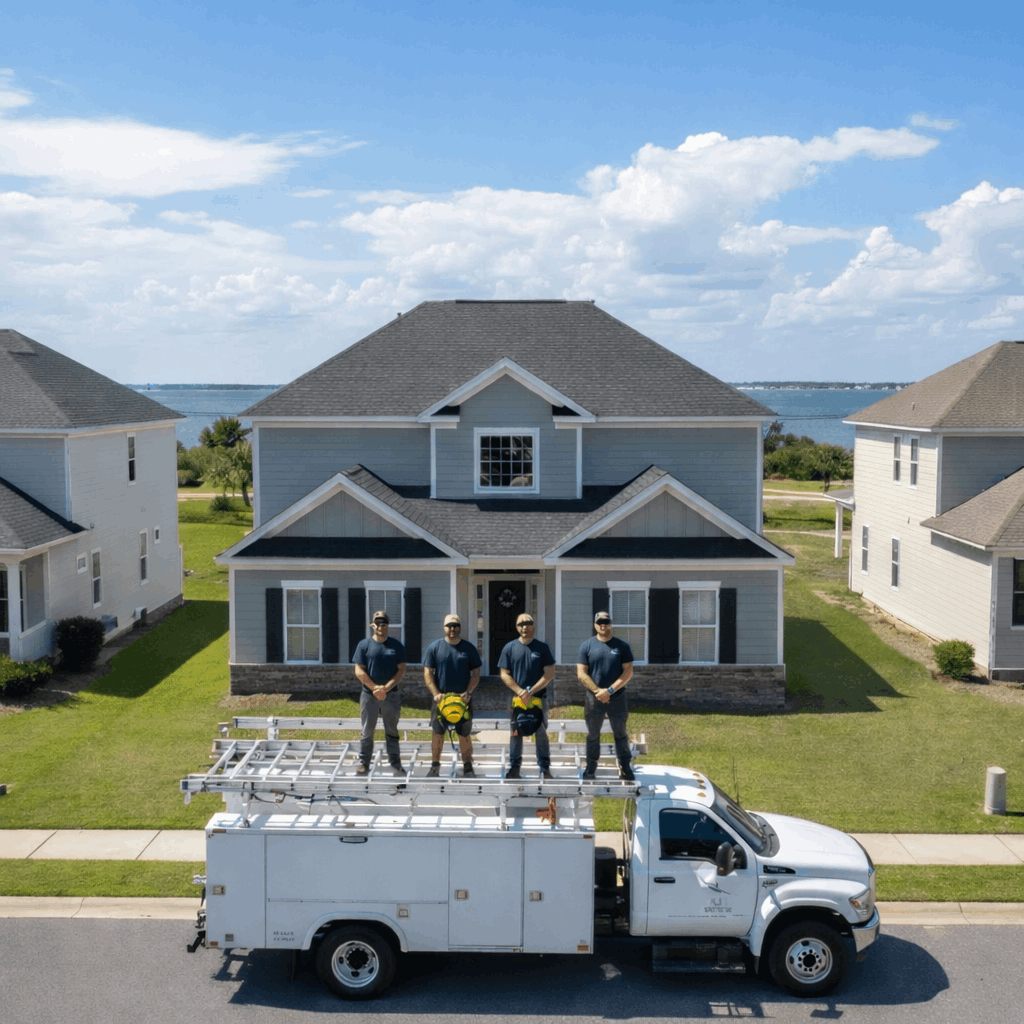
Storm-related roofing issues are best evaluated by a contractor who understands the kinds of weather homes in Newport News and the surrounding area actually face. Local experience matters because coastal and near-coastal roofs often deal with a mix of wind, humidity, heavy rain, and seasonal pressure that can create specific wear patterns and failure points.
A local roofing professional is more likely to understand what kinds of damage are common after storms in this region, which roof details tend to fail first, and how to distinguish between cosmetic wear and real weather-related compromise. That kind of practical knowledge helps homeowners get a more accurate assessment and a more useful plan of action.
How Roof Inspections Help Homeowners Stay Proactive
In the end, post-storm roof inspections are about staying ahead of avoidable damage. They help homeowners respond before leaks spread, before moisture reaches insulation and drywall, and before small roofing weaknesses grow into bigger and more expensive problems. In that sense, inspections are not just a response to weather. They are part of a broader preventive maintenance mindset.
Homeowners who treat storms as a reason to check the roof rather than simply hope for the best are usually in a stronger position over time. They catch issues earlier, preserve more of the roof’s remaining life, and reduce the risk of sudden interior repairs that disrupt the home and strain the budget.
Final Thoughts on Roof Inspections After Storms in Newport News
There is a simple reason roof inspections after storms in Newport News matter: storm damage is often real before it becomes obvious. A roof may look mostly intact from the ground while still carrying lifted shingles, weakened flashing, cracked seals, impact damage, or early moisture intrusion. Left unchecked, those issues can spread into leaks, structural wear, insulation damage, and costly interior repairs.
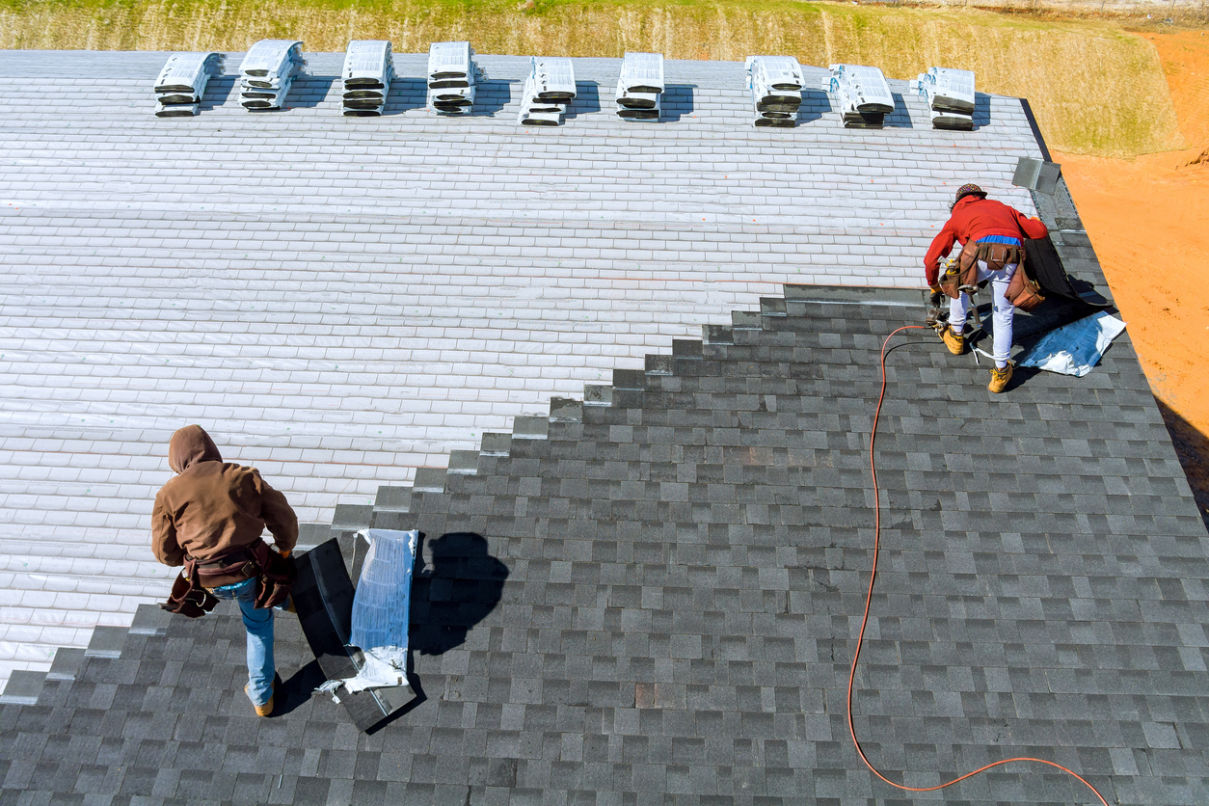
A professional inspection helps uncover hidden problems early, confirm whether the roof remains sound, and guide homeowners toward the right next step. Sometimes that step is a minor repair. Sometimes it is a more detailed plan for restoring storm-damaged areas. And sometimes the inspection simply gives homeowners peace of mind that their roof came through the weather in strong condition.
For homeowners in Newport News and nearby Virginia Beach, the smartest time to find out whether a storm affected the roof is not after a leak appears. It is while the damage is still small enough to manage. With a timely inspection and experienced local roofing guidance, homeowners can protect their roof, protect their home, and move into the next storm season with greater confidence.