Roof Replacement Planning Tips for Newport News Homeowners
Get roof replacement planning tips for Newport News homeowners, including budgeting, timing, material choices, and contractor expectations.

Planning for a new roof is rarely something homeowners look forward to, but it is one of the most important investments you can make in the long-term protection of your home. A roof replacement affects more than curb appeal. It affects how well your home handles wind, rain, humidity, insulation performance, and the steady wear that comes with living in coastal Virginia. That is why having practical, realistic roof replacement planning tips for Newport News homeowners can make the entire process feel more manageable from the beginning.
For many homeowners, the hardest part is not deciding that the roof needs to be replaced. The hardest part is knowing how to prepare. Questions come up quickly. How much should you budget? When is the best time to schedule the project? Which materials make sense for your home? What should you expect from the contractor you hire? And how do you make sure the replacement solves the real roofing problem instead of just covering over symptoms?
These are smart questions. Roof replacement is not just a purchase. It is a planning process. The more thoughtfully you approach it, the more likely you are to get a roof that performs well, fits your budget, and gives you confidence through the next stretch of heavy rain, wind, and seasonal weather. In Newport News, that matters because roofs here do not exist in a mild, low-stress environment. They face humidity, storms, changing temperatures, and the cumulative effects of moisture that can wear on even a well-built system over time.
The good news is that roof replacement becomes much easier to handle when you break it into practical decisions. You do not need to know everything about roofing materials or construction before you begin. You just need a clear plan, a realistic budget, and a trustworthy contractor who can explain the process honestly. Once those pieces come together, the project becomes much less overwhelming.
Start With the Real Condition of the Roof
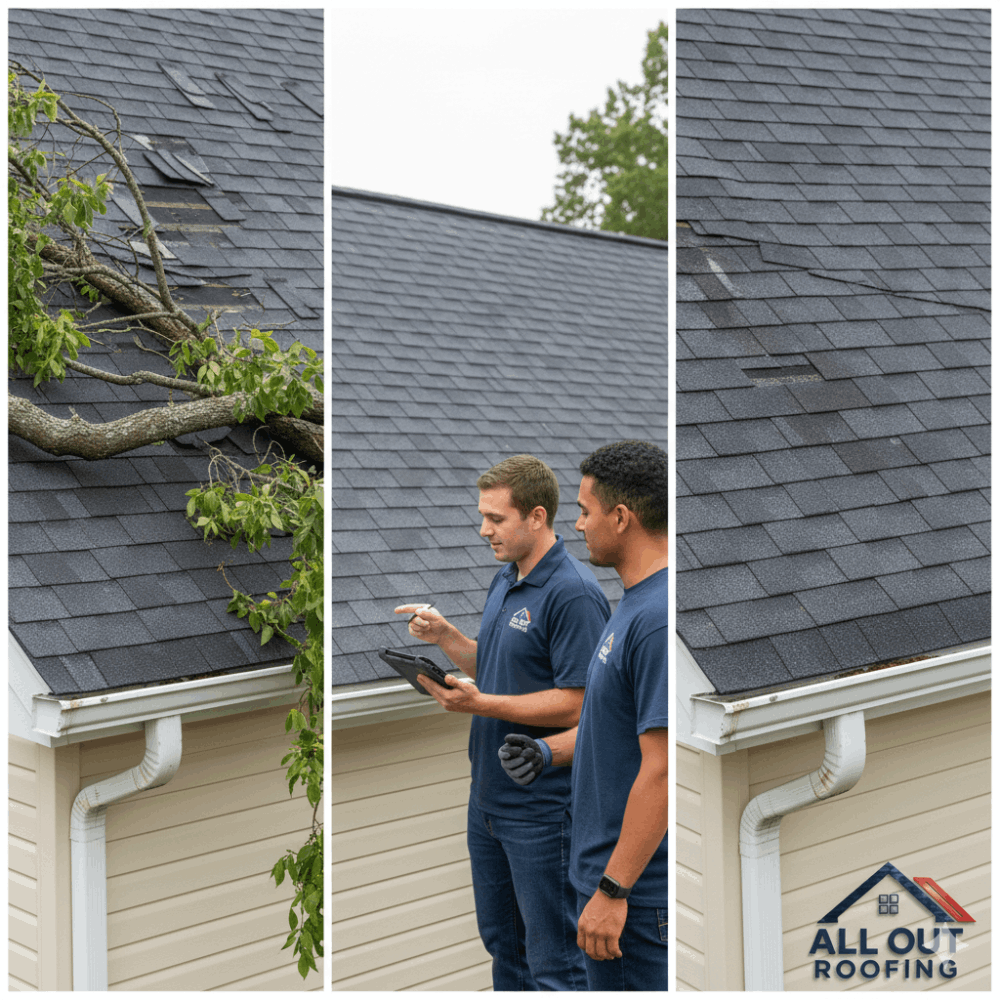
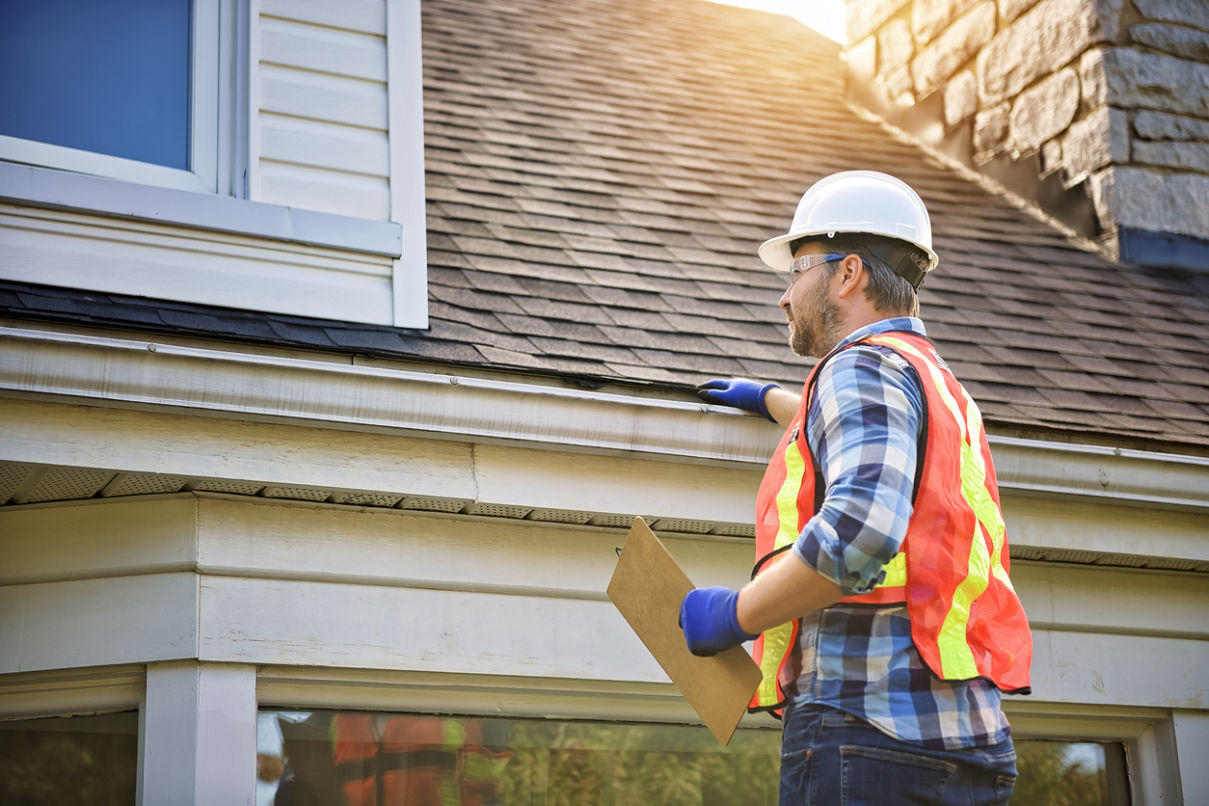
One of the most useful roof replacement planning tips for Newport News homeowners is to begin with a clear assessment of the roof’s current condition. Many homeowners know the roof is “getting old,” but that alone does not tell the full story. The age of the roof matters, but so do the details. Is the roof leaking in one spot or in several? Are shingles curling or missing? Is flashing failing around chimneys or vents? Has storm damage weakened multiple areas? Are there signs of soft decking or attic moisture?
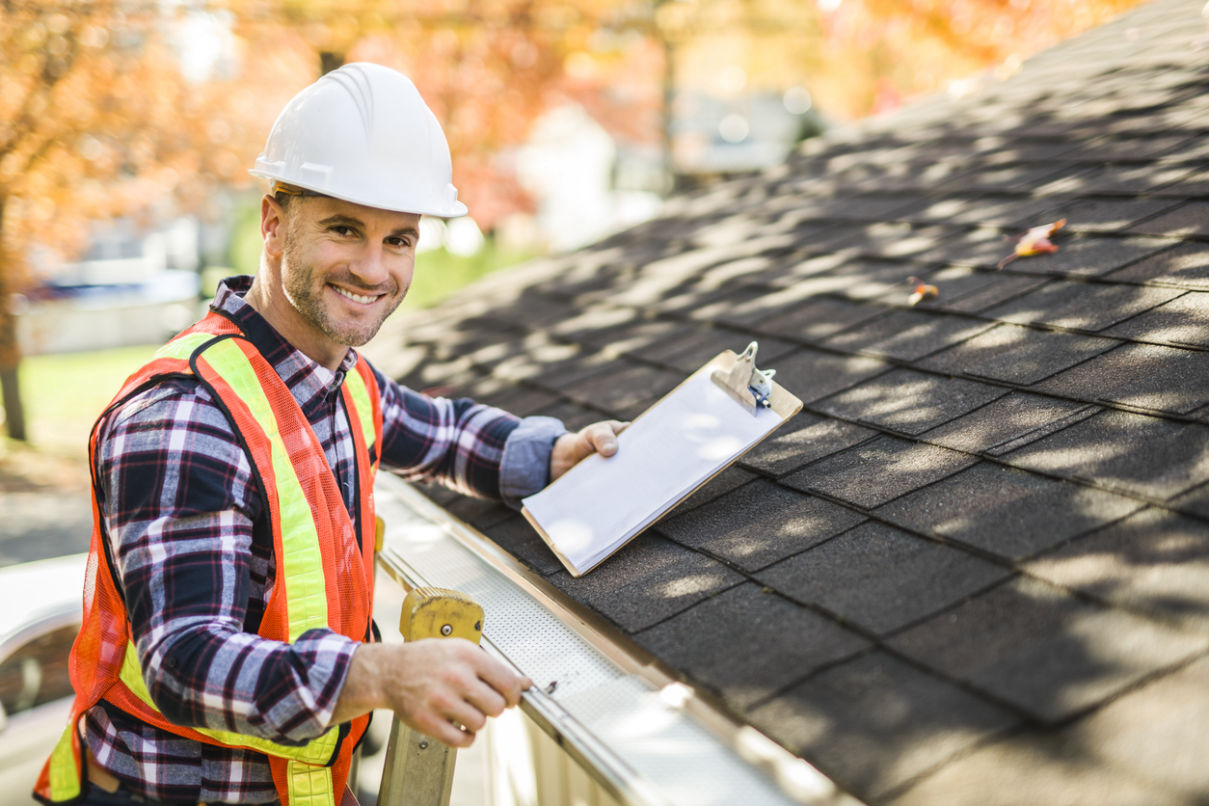
A professional roof inspection provides the information needed to plan well. It helps confirm whether replacement is truly the right next step, or whether the roof is still a repair candidate. More importantly, it helps reveal what the replacement project may involve beyond just installing new shingles. If the inspection finds decking damage, poor ventilation, flashing issues, or drainage concerns, those items may affect both the budget and the scope of the work.
Planning becomes easier when you know what the roof actually needs instead of guessing. Without that clarity, homeowners often budget only for surface materials and are caught off guard later when the project involves more than expected.
Build a Budget That Accounts for More Than Materials
Budgeting is often where the roof replacement conversation becomes real. Homeowners naturally want to know what the project will cost, but it helps to think in terms of categories rather than one simple number. A roof replacement budget is shaped by roof size, pitch, complexity, material choice, tear-off labor, disposal, underlayment, flashing, possible decking repairs, and ventilation improvements if needed.
This is why roof replacement quotes can vary. One roof may need only straightforward replacement. Another may require new decking in several areas, updated flashing details, and changes to attic ventilation so the new roof performs better than the old one did. A good budget plan leaves room for both expected work and possible hidden conditions that may be discovered once the old materials are removed.
Homeowners should plan around a few practical cost realities:
- The visible roofing material is only one part of the total project cost.
- Labor, tear-off, and disposal are major parts of the budget.
- Decking repairs may increase the final scope if damage is uncovered.
- Ventilation and flashing updates can improve long-term value even if they add cost upfront.
Budget planning works best when it is realistic rather than overly optimistic. The goal is not to prepare for every worst-case scenario, but to understand that a proper roof replacement is a full system project, not just a cosmetic update.
Think About Timing Before the Roof Becomes Urgent
Timing has a major impact on how stressful a roof replacement feels. When homeowners plan the project before active leaks or emergency storm damage force immediate action, they usually have more flexibility. They can compare contractors more carefully, review material options, and schedule the work during a more favorable period instead of rushing into the first available opening.
That is why one of the smartest roof replacement planning tips for Newport News homeowners is to start planning before the roof is in crisis. If your roof is aging, has had repeated repairs, or is showing visible wear, it is worth getting an inspection and beginning the budgeting process early. Waiting until water is actively entering the home usually reduces options and increases stress.
Timing also matters seasonally. Weather conditions, contractor schedules, and storm patterns can all affect when a replacement feels most practical. While roof work can happen during much of the year, homeowners usually benefit from choosing a period when weather is more predictable and the project can move efficiently.
A well-timed project gives you something important: control. You are making a planned investment, not reacting under pressure.
Choose Materials Based on More Than Price Alone
Material selection is one of the most visible parts of roof replacement planning, but it should never be reduced to price alone. The right roofing material should fit your home’s design, your long-term budget, your maintenance expectations, and the weather conditions the roof will actually face in Newport News.
For many homes, architectural asphalt shingles remain a popular and practical choice. They offer a familiar residential appearance, a range of color options, and a balance of durability and affordability. Some homeowners may also explore upgraded shingle options or metal roofing, especially if they are focused on longevity or storm performance.
Material planning should include questions such as:
- How long do you expect to stay in the home?
- How important is a lower upfront cost versus longer-term lifespan?
- How much storm exposure does your home typically face?
- Do you want a more traditional look or a more distinctive exterior style?
A good contractor should be able to explain why a certain material is being recommended for your home. The strongest choice is usually the one that fits the full context of the property, not just the lowest line item on the estimate.
Understand That Roof Replacement Is a System Upgrade
Homeowners often think of roof replacement as a matter of removing old shingles and putting on new ones. In reality, a proper replacement is a chance to improve the entire roofing system. That includes underlayment, flashing, ventilation, drainage performance, and sometimes the structural surface beneath the roof if damage is found.
This matters because many older roofs do not fail only because the shingles are worn. They fail because flashing details deteriorate, decking softens, moisture gets trapped in the attic, or drainage issues force water into the wrong places. A new roof should address those supporting factors so the replacement performs better than the roof it replaces.
When planning the project, ask what system components will be reviewed and whether the contractor intends to inspect:
- Flashing around chimneys, vents, skylights, and walls
- Underlayment and waterproofing layers
- Attic ventilation and airflow balance
- Roof decking condition once the old roof is removed
- Gutter alignment and drainage behavior at roof edges
Thinking in system terms helps homeowners make stronger decisions. It is also one of the best ways to protect the value of the replacement over time.
Know What to Expect From the Contractor Before Work Begins
Roof replacement planning is not only about materials and money. It is also about expectations. A well-run roofing project should feel organized from the beginning. Homeowners should understand the scope of work, the timeline, the cleanup process, and how communication will work while the project is in progress.
Before signing off on the job, you should know who your main point of contact is, how updates will be shared, what happens if hidden damage is found, and how final cleanup will be handled. These details may not seem as important as shingle color or total price at first, but they often shape the homeowner’s experience as much as the installation itself.
Contractor expectations should include clear answers to questions like:
- How long is the project expected to take?
- What happens if weather delays the schedule?
- How is the property protected during tear-off and installation?
- How are decking or flashing issues communicated if they are discovered?
- What kind of final walkthrough or post-job review is provided?
The best roofing projects usually feel professional before the first material ever arrives. Good planning begins with good communication.
Prepare the Property and Household for the Project
One planning detail homeowners sometimes overlook is how the replacement will affect everyday life at home while the work is underway. Roof replacement brings noise, movement, materials, and debris management. It is temporary, but it is still helpful to plan ahead so the project feels less disruptive.
Simple preparations can make a big difference. Move vehicles out of the driveway if needed. Secure or protect fragile items inside if vibration may affect them. Keep pets and children away from active work areas. Clear outdoor furniture or decorations from areas near the home where roofing debris might fall during tear-off.
These are not dramatic changes, but they help the project move more smoothly. They also help protect your belongings and reduce stress while the crew is working.
Compare Estimates by Value, Not Just by Number
One of the most practical roof replacement planning tips for Newport News homeowners is to compare estimates carefully instead of automatically choosing the lowest number. A lower estimate may reflect a smaller scope, lower-grade materials, limited flashing work, or less attention to ventilation and hidden conditions. A higher estimate may reflect a more complete roofing system and stronger long-term value.
When reviewing estimates, look for clarity. Does the proposal explain what is included? Are materials named specifically? Does it mention tear-off, underlayment, flashing, cleanup, disposal, and the handling of possible decking repairs? Is there a clear workmanship warranty?
Price matters, but context matters more. The better estimate is usually the one that gives you the clearest understanding of how your home will be protected, not just the one with the lowest total.
Ask About Warranties Before You Commit
Warranty planning should be part of the decision before the contract is signed, not an afterthought at the end. Homeowners should understand both the product warranty tied to the materials and the workmanship warranty tied to the contractor’s installation.
A new roof is a major investment, and part of planning well is understanding what support exists after the job is complete. Ask how long the workmanship warranty lasts, what it covers, and how warranty concerns are handled if an issue appears later. Ask how the material warranty works and whether there are any requirements for maintaining it.
Strong warranty conversations usually feel simple and direct. A trustworthy contractor should be able to explain warranty support in plain language rather than vague generalities.
Use the Project as a Chance to Solve Recurring Problems
If your old roof has had recurring trouble spots, such as leaks around a chimney, ice and water issues near an edge, attic heat buildup, or moisture staining in certain areas, replacement is the right time to address those patterns. Do not assume the new roof will automatically solve them if the deeper cause is never discussed.
Recurring issues often point to flashing details, ventilation imbalance, drainage trouble, or hidden structural weaknesses beneath the old materials. Planning the replacement with those issues in mind helps make the project more than a reset. It makes it a correction.
This is one reason professional inspections matter so much in the planning stage. They help identify not just what is old, but what has been underperforming. When the replacement addresses those weaknesses, the new roof has a much better chance of lasting well and performing consistently.
Keep the Long-Term Goal in Focus
It is easy to get lost in the details of cost, timing, colors, and contractor comparisons. But the long-term goal should stay simple: you want a roof that protects your home reliably, performs well in coastal Virginia weather, and gives you confidence that the major problem has been solved correctly.
Good planning supports that outcome. It helps you avoid rushed decisions, unclear contracts, surprise costs, and incomplete system work. It also helps you feel like you are making a strong investment rather than just reacting to a problem.
The most successful roof replacement projects are rarely the ones where the homeowner knew every technical detail from the start. They are the ones where the homeowner asked good questions, got a thorough inspection, understood the scope, planned the budget honestly, and worked with a contractor who communicated clearly.
Final Thoughts on Roof Replacement Planning Tips for Newport News Homeowners
The best roof replacement planning tips for Newport News homeowners come down to a few practical ideas: start with a clear inspection, build a realistic budget, think about timing before the roof becomes urgent, choose materials thoughtfully, understand that roof replacement is a full system project, and know what to expect from the contractor before work begins. These steps help turn a stressful home improvement need into a more organized and manageable plan.
For homeowners in Newport News, Virginia Beach, and surrounding areas, roof replacement is too important to approach casually. The roof protects your structure, your comfort, your belongings, and your peace of mind. Taking the time to plan it well usually leads to better decisions, better workmanship, and stronger long-term value.
If your roof is showing age, storm wear, or recurring leak issues, the smartest next step is to begin planning before the damage becomes more disruptive. With the right inspection, the right expectations, and the right contractor, a roof replacement can feel far less overwhelming and far more like what it should be: a smart investment in the long-term protection of your home.