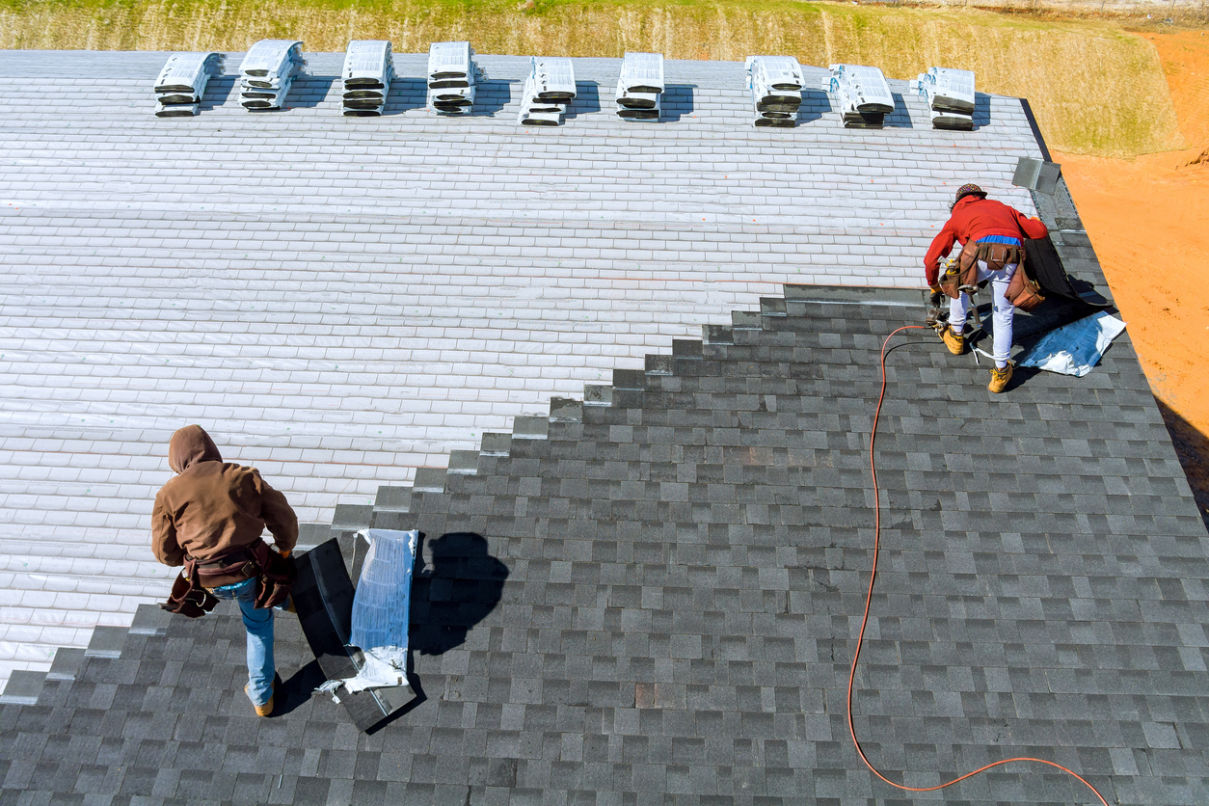
Roof Maintenance Checklist for Homeowners in Portsmouth
Review a practical roof maintenance checklist for homeowners in Portsmouth to help prevent avoidable damage and extend roof life.

A roof does not usually demand attention every day, and that is part of what makes it easy to overlook. It sits above the home quietly doing its job through rain, heat, humidity, wind, and storms, often without any obvious sign that wear is building over time. But roofs rarely go from perfect condition to major failure overnight. More often, avoidable damage begins with small issues that were easy to miss: clogged gutters, a lifted shingle, flashing that started to separate, or a bit of attic moisture that did not seem urgent yet. That is why having a practical roof maintenance checklist for homeowners in Portsmouth is one of the smartest ways to protect your home and extend the life of your roof.
In Portsmouth, roof maintenance matters because homes here deal with more than ordinary wear. Coastal humidity, heavy rain, strong wind, summer heat, and seasonal storms all place steady pressure on roofing systems. Even when a storm is not severe enough to cause dramatic visible damage, it can still weaken vulnerable areas. Over time, those weak spots can turn into leaks, decking damage, insulation problems, and repairs that cost much more than the original issue would have.
The good news is that roof maintenance does not need to be complicated to be effective. Homeowners do not need to become roofing experts or climb onto the roof every weekend. What helps most is a consistent approach: knowing what to watch for, when to inspect, what kinds of routine care matter most, and when it is time to bring in a professional. A good maintenance plan is less about doing everything at once and more about preventing small roofing issues from growing quietly out of sight.
This guide is designed to be exactly that: a practical checklist and framework homeowners can follow throughout the year. The goal is simple. Help your roof last longer, reduce the chance of avoidable damage, and keep small concerns from becoming major roofing problems.
Why Roof Maintenance Matters More Than Many Homeowners Think
A roof is one of the most important protective systems on your home. It does more than keep rain out. It helps protect the framing, insulation, drywall, ceilings, attic, and interior comfort of the house. When the roof begins to weaken, the effects often spread well beyond the roofing material itself.
That is why a roof maintenance checklist for homeowners in Portsmouth is about more than preserving appearance. It is about reducing long-term risk. A missing shingle today may expose the underlayment tomorrow. A clogged gutter this month may create roof-edge damage during the next heavy rain. A small flashing issue around a chimney may turn into an attic leak that stains the ceiling later. Maintenance helps catch these issues before they become bigger, more expensive, and more disruptive.
For Portsmouth homeowners, preventive care also matters because local weather does not give roofs much rest. Even if the roof is not actively leaking, humidity and coastal moisture can slow drying. Wind can loosen materials over time. Heat can accelerate aging. The roof is always being tested in some way. Regular maintenance is what helps it keep up.
The Best Place to Start: A Ground-Level Visual Check
One of the simplest and safest roofing habits is also one of the most useful. Walk around your property and look at the roof from the ground. You do not need to inspect every inch up close to notice changes that may matter. In fact, this kind of visual review is one of the easiest ways to catch issues early without taking unnecessary risks.
During a ground-level check, look for:
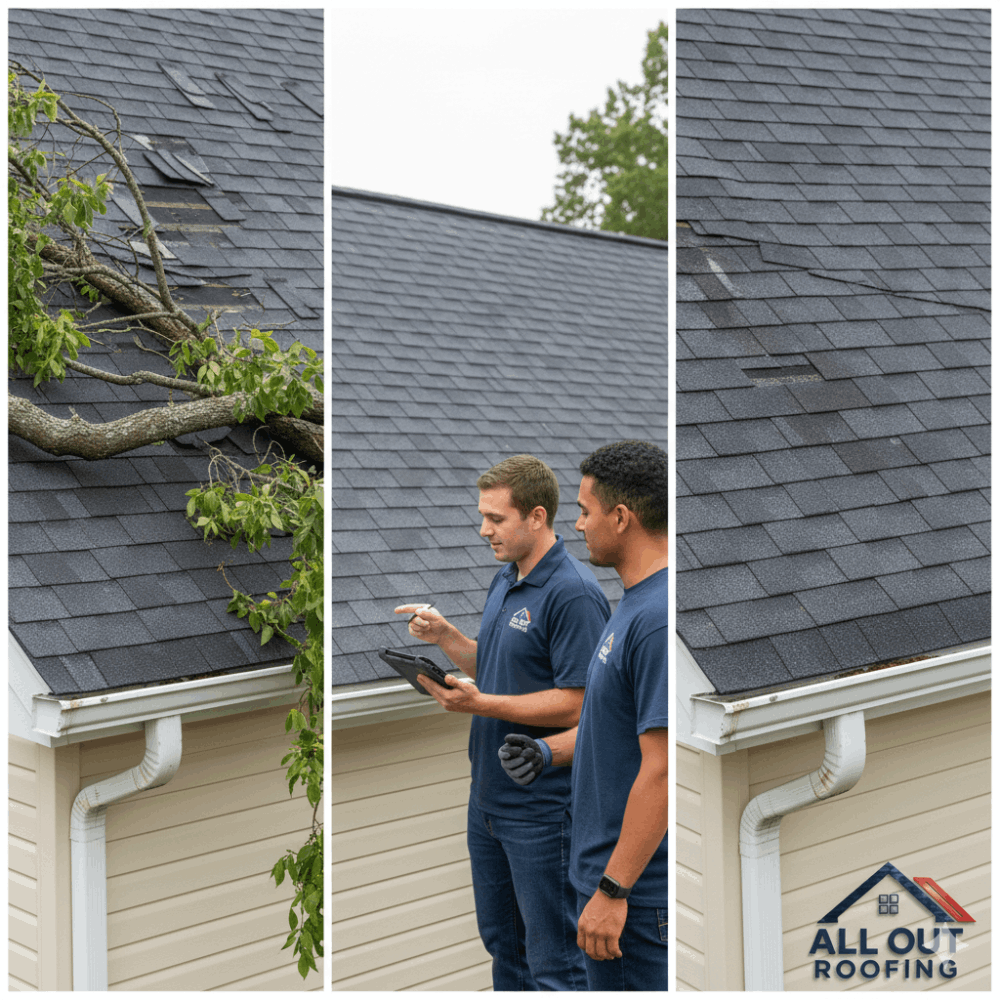
- Missing, lifted, curled, or cracked shingles
- Dark patches or uneven-looking sections of the roof
- Sagging or irregular rooflines
- Loose flashing near chimneys or roof edges
- Gutters that appear bent, detached, or overflowing
- Tree limbs touching or hanging too close to the roof
This does not replace a professional inspection, but it helps homeowners notice when something has changed. Roof maintenance often begins with awareness. A roof that suddenly looks different is worth paying attention to, especially after wind or rain.
Keep Gutters and Downspouts Clear
If there is one maintenance task that consistently protects roofs from avoidable trouble, it is keeping gutters and downspouts clear. Water needs a clean, efficient path off the roof. When gutters are clogged with leaves, twigs, granules, and debris, rainwater can overflow or back up beneath the roof edge. Once that happens, the roof, fascia, soffits, and nearby siding are all more vulnerable.
In Portsmouth, where heavy rain can arrive quickly, poor drainage is more than an inconvenience. It is a roofing issue waiting to happen. Overflowing gutters can contribute to rot, staining, and water intrusion that may eventually show up inside the home.
As part of your checklist, make sure to:
- Clean gutters regularly, especially after leaves and storm debris build up
- Check that downspouts are flowing freely
- Look for sagging sections or loose gutter attachments
- Make sure water is draining away from the home, not pooling at the foundation or spilling back onto the roof edge
This is one of the easiest maintenance tasks to delay, but it is also one of the most important to stay on top of.
Check the Roof After Storms
Storm checks should be a regular part of any roof maintenance routine. Even when a storm does not seem severe, wind and driven rain can loosen shingles, shift flashing, bend gutters, or knock debris onto the roof. The earlier you notice those changes, the easier it usually is to correct them before the next storm makes things worse.
After storms, look for:
- Roofing debris or shingles in the yard
- Branches resting on the roof
- New gutter damage or detached sections
- Visible roof areas that suddenly look uneven
- Fresh stains inside the attic or on ceilings
Not every storm causes roof damage, but a quick review afterward is one of the best ways to catch small issues while they are still manageable. Roof problems often get much worse not because they were severe in the beginning, but because they were left through another weather cycle.
Pay Attention to Flashing and Roof Details
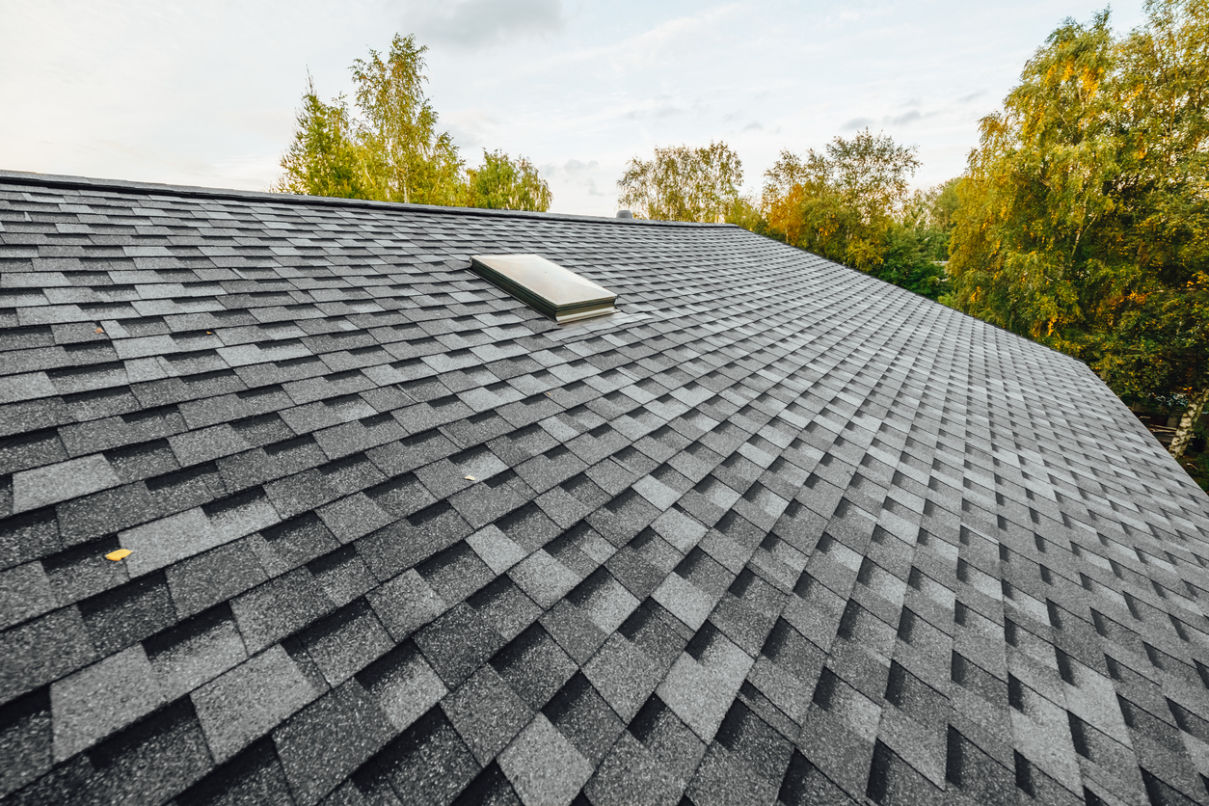
Shingles get most of the attention, but flashing is often where leaks begin. Flashing protects the vulnerable places where the roof changes direction or meets another structure. That includes chimneys, skylights, vent pipes, valleys, dormers, and roof-to-wall intersections. These areas handle water differently than open roof surfaces, which makes them especially important to monitor.
As part of your maintenance checklist, pay attention to signs that flashing may be weakening:
- Visible rust or separation at flashing edges
- Stains near fireplaces or upper-wall corners indoors
- Loose metal near roof penetrations
- Recurring leaks in the same area after rain
Flashing problems are often subtle at first. A small gap can allow repeated water entry long before the homeowner sees a major leak. That is why roof maintenance is not only about what is most visible. It is also about protecting the details that quietly do a lot of the work.
Inspect the Attic for Early Warning Signs
The attic is one of the best places to spot roofing problems before they turn into larger repairs. Homeowners who never look in the attic often miss the early stages of moisture intrusion, ventilation issues, and hidden roof stress. If your attic is safely accessible, it is worth including it in your routine maintenance plan.
What should you look for?
- Dark staining on the underside of roof decking
- Damp or compressed insulation
- Musty odors after rain
- Mold or mildew growth
- Daylight showing through spots that should be sealed
- Excessive heat buildup during warmer months
These signs may point to leaks, flashing issues, or poor attic ventilation. Even if water is not yet dripping into the living space, attic conditions can reveal that the roof system is already under stress. Catching those signals early helps prevent broader damage later.
Watch for Shingle Aging and Wear
Every roof ages, and part of good maintenance is recognizing when normal wear is starting to turn into risk. Shingles do not have to be completely missing to be a concern. Curling edges, cracking tabs, widespread granule loss, and brittle-looking surfaces all suggest the roof may be becoming more vulnerable to weather.
Signs of aging worth noticing include:
- Shingles that curl upward at the corners
- Cracked tabs or visible splits
- Granules collecting heavily in gutters
- Faded, uneven, or patchy-looking roof sections
- Repeated need for small repairs
These do not always mean immediate replacement is required, but they do mean the roof deserves closer attention. A strong maintenance routine includes recognizing when the roof is no longer just aging quietly and is starting to move into a more vulnerable stage.
Trim Back Overhanging Branches
Trees are one of the most common causes of preventable roof stress. Branches that hang too close to the roof can scrape shingles, drop leaves and debris into gutters and valleys, and become serious hazards during storms. Even when they do not cause sudden impact damage, they create conditions that make maintenance harder and moisture retention more likely.
Trimming branches back does several helpful things at once. It reduces the chance of physical contact during wind, lowers the amount of debris accumulating on the roof, and helps the roof dry more effectively after rain. In Portsmouth, where humidity can slow drying already, reducing excess shade and trapped debris can make a meaningful difference over time.
As part of your maintenance checklist, look around the roofline and ask whether nearby trees are helping the property or quietly working against the roof’s long-term health.
Monitor Interior Signs That Often Point to Roof Trouble
Sometimes the first sign of a roof issue does not appear outside at all. It appears inside the home. Small ceiling stains, bubbling paint, peeling drywall texture, or unexplained musty smells can all be signs that the roof has already started letting in moisture. These symptoms are easy to overlook if they seem minor, but they often point to roofing issues that are already affecting more than one layer of the home.
Include interior checks in your maintenance routine, especially after storms or periods of heavy rain. Watch for:
- Discoloration on ceilings or upper walls
- Paint that peels or bubbles near rooflines
- Dampness in corners, closets, or attic spaces
- New odors that seem strongest after rainfall
When these signs appear, they should not be treated as cosmetic-only issues. They are often the roof’s way of telling you something needs attention before the damage spreads.
Do Not Ignore Small Problems
One of the most important parts of a good roof maintenance checklist for homeowners in Portsmouth is not just identifying issues. It is responding to them. Many major roof repairs begin as problems that homeowners noticed but assumed could wait. A small leak, one missing shingle, or a little gutter overflow may not feel urgent until the next storm turns it into a larger problem.
Maintenance only works if small issues are taken seriously enough to act on. That does not mean every minor imperfection requires a major project. It means a small problem should be inspected and corrected before it becomes a bigger, more expensive one.
Examples of small issues that deserve prompt attention include:
- A few missing shingles
- A small ceiling stain
- Minor flashing separation
- Persistent gutter overflow
- One damp attic area after rain
These may seem modest, but they are often exactly how larger repairs begin.
Schedule Professional Roof Inspections Regularly
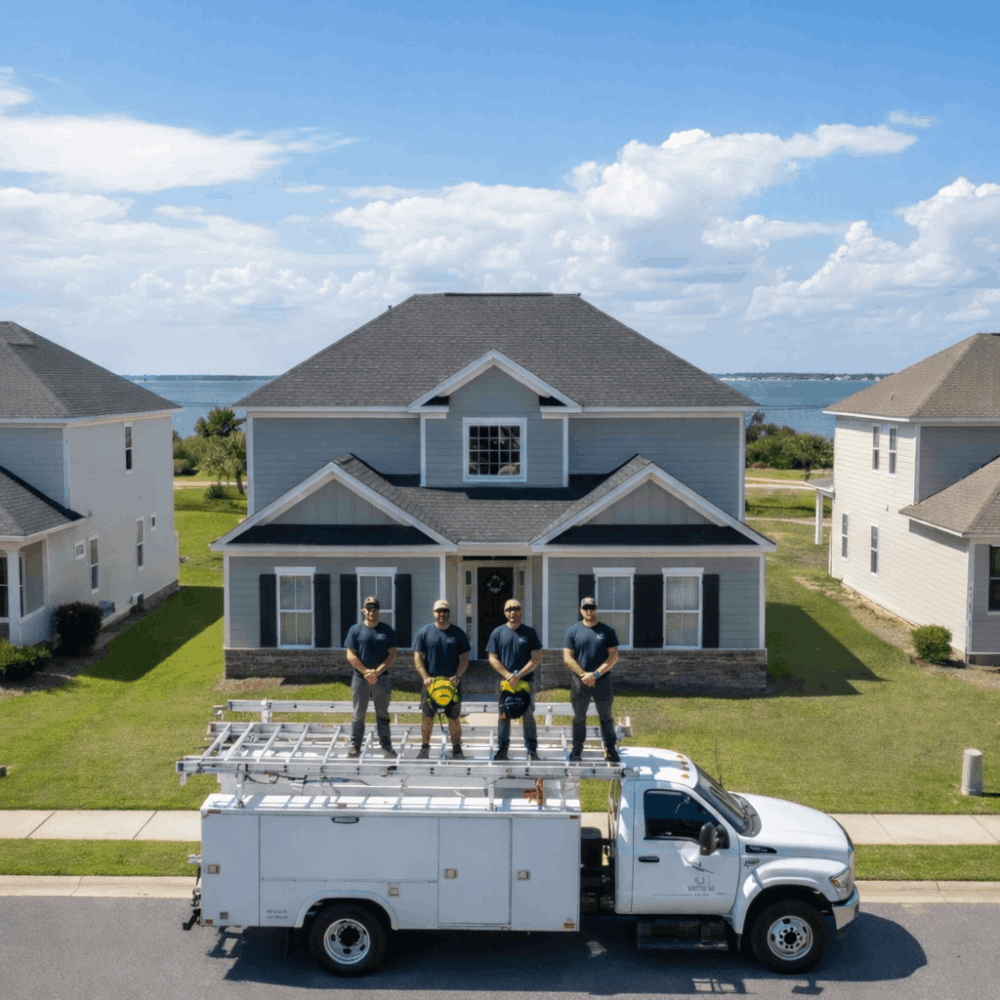
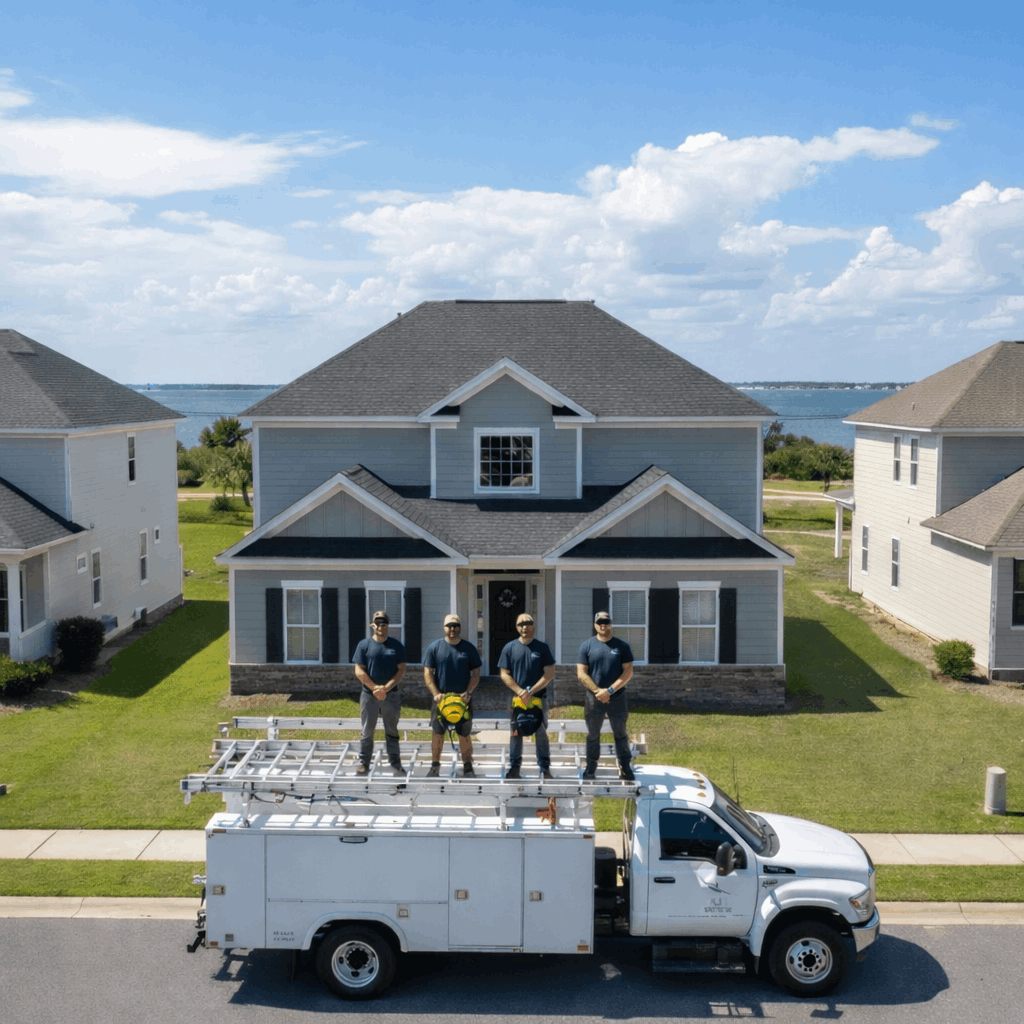
Even the most attentive homeowner cannot see everything from the ground. That is why professional inspections are one of the most valuable parts of roof maintenance. A qualified roofing contractor can identify subtle wear, hidden flashing problems, storm damage, soft decking, drainage issues, and ventilation concerns that are easy to miss during a visual check.
Homeowners should consider a professional inspection:
- After major storms
- When the roof is showing visible age
- When any interior leak signs appear
- As part of routine maintenance on an older roof
- Before storm season if you want to assess preparedness
A professional inspection gives homeowners a clearer picture of whether the roof simply needs routine maintenance, targeted repair, or longer-term replacement planning. That kind of clarity helps avoid both underreacting and overreacting.
Keep Basic Roofing Records
One practical but often overlooked maintenance habit is keeping simple records. Knowing when the roof was last inspected, when repairs were made, where past leak issues happened, and what materials were used can be very useful later. It helps create continuity, especially if a new issue appears or if you need to decide whether the roof is becoming less reliable over time.
You do not need an elaborate system. A folder with inspection notes, invoices, photos of visible damage, and dates of major maintenance is often enough. This becomes especially helpful after storms or when comparing repair recommendations. Good records make roof care feel less reactive and more organized.
Think Seasonally, Not Only Reactively
One of the best ways to make maintenance manageable is to treat it as a seasonal rhythm instead of something you think about only when a leak appears. For example:
- Spring: Check for storm damage and clean drainage systems.
- Summer: Watch for heat-related wear, attic ventilation issues, and tree growth near the roof.
- Fall: Clear leaves from gutters and valleys before wetter weather arrives.
- Winter: Monitor interior spaces for moisture, drafts, or staining after storms.
This kind of rhythm keeps the roof on your radar without making maintenance feel overwhelming. It also helps spread the work out so that no one season carries the whole burden.
When Maintenance Becomes Replacement Planning
Good maintenance can extend roof life, but it cannot make a roof last forever. At some point, repeated repairs, widespread shingle wear, and recurring moisture issues may suggest that the roof is moving beyond maintenance and into replacement planning. That does not mean maintenance failed. It means maintenance helped you get the most out of the roof while revealing honestly when the next step is needed.
The signs that maintenance may no longer be enough include:
- Frequent repairs across multiple areas
- Widespread shingle deterioration
- Recurring leaks despite repair work
- Soft decking or sagging roof sections
- An overall roof condition that no longer feels dependable
When that stage arrives, the value of having maintained the roof well is that you are making the replacement decision with more clarity and less emergency pressure.
Final Thoughts on a Roof Maintenance Checklist for Homeowners in Portsmouth
A practical roof maintenance checklist for homeowners in Portsmouth is not about perfection. It is about consistency. Ground-level visual checks, clean gutters, post-storm reviews, attic inspections, attention to flashing and drainage, prompt repairs, tree trimming, and periodic professional roof inspections all work together to help prevent avoidable damage and extend roof life.
For homeowners in Portsmouth, Virginia Beach, and surrounding areas, maintenance matters because local weather keeps roofing systems under steady pressure. Humidity, rain, wind, and storms all work on weak points over time. The smartest way to protect the roof is not to wait for obvious failure. It is to catch small issues while they are still small and give the roof the routine attention it needs to keep doing its job well.
In the end, roof maintenance is really about protecting the home as a whole. A well-maintained roof helps preserve the structure, reduce repair costs, improve reliability, and give homeowners more confidence through every season. That kind of value is hard to overstate. And it usually begins with something very simple: paying attention before damage has the chance to spread.