When Small Roof Problems Turn Into Major Repairs in Virginia Beach
Find out how minor roofing issues in Virginia Beach can become larger repairs when leaks, flashing damage, or missing shingles go untreated.

How to Protect Your Roof From Storm Damage in Suffolk
Storm damage rarely starts with a dramatic moment that gives homeowners plenty of warning. More often, it begins with a roof that was already slightly vulnerable before the weather arrived. A few shingles may have loosened after months of wear. Flashing around a vent may have started separating. Gutters may have been partially clogged long enough to affect drainage during the next heavy rain. Then a storm moves through Suffolk, and what might have stayed manageable under calm conditions suddenly becomes a real roofing problem. That is exactly why it is so important to protect your roof from storm damage in Suffolk before severe weather exposes the weak points you did not know were there.
For homeowners, the best storm strategy is rarely reactive. It is preventive. A roof that is inspected regularly, repaired promptly, and maintained with local weather in mind usually stands a much better chance of coming through storm season without turning into an emergency. That does not mean every storm can be defeated or that every roof problem can be avoided. It means homeowners can reduce risk, strengthen the roof’s performance, and lower the chances that one stretch of wind and rain will create expensive interior damage.
In Suffolk, that matters because roofs deal with a demanding mix of conditions. Strong storms, heavy rain, humidity, wind, summer heat, and the general wear that comes with living in coastal Virginia all affect how roofing materials hold up over time. A home may look fine from the driveway while still carrying vulnerabilities that only reveal themselves under pressure. That is why storm preparation is not about doing one dramatic thing. It is about a series of practical decisions that improve the roof’s resilience before the forecast becomes urgent.
This guide looks at the most useful ways homeowners can prepare, maintain, and strengthen their roof so it is better positioned to handle the weather Suffolk homes routinely face. The goal is not just avoiding repairs. It is protecting the long-term performance of one of the most important systems on your home.
Storm Damage Prevention Starts Before Storm Season
One of the biggest mistakes homeowners make is waiting until bad weather is already on the radar before thinking seriously about the roof. By that point, there may still be time for small protective steps, but the most valuable work usually happens earlier. Roof maintenance is most effective when it is done before strong weather exposes a weakness.
That is why the smartest way to protect your roof from storm damage in Suffolk is to think seasonally, not only reactively. If you know your area faces heavy spring and summer storms, hurricane-season weather, and wind-driven rain at different times of the year, your roof should be evaluated before those conditions peak. A roof that is already in good condition when storm season begins has a far better chance of staying in good condition after it passes.
This kind of planning is not complicated. It simply means treating the roof as part of routine home maintenance rather than something to think about only when water is already getting inside.
Schedule a Professional Inspection Before Weather Exposes Weaknesses
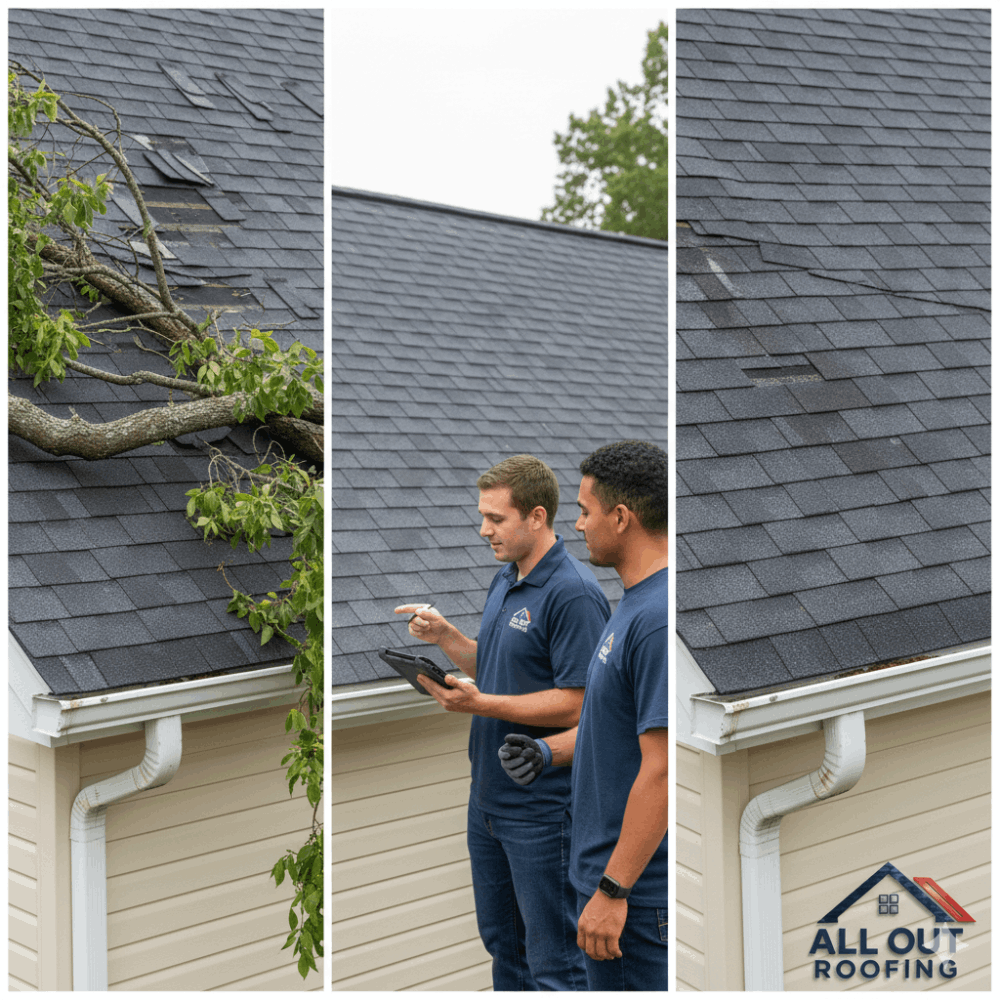
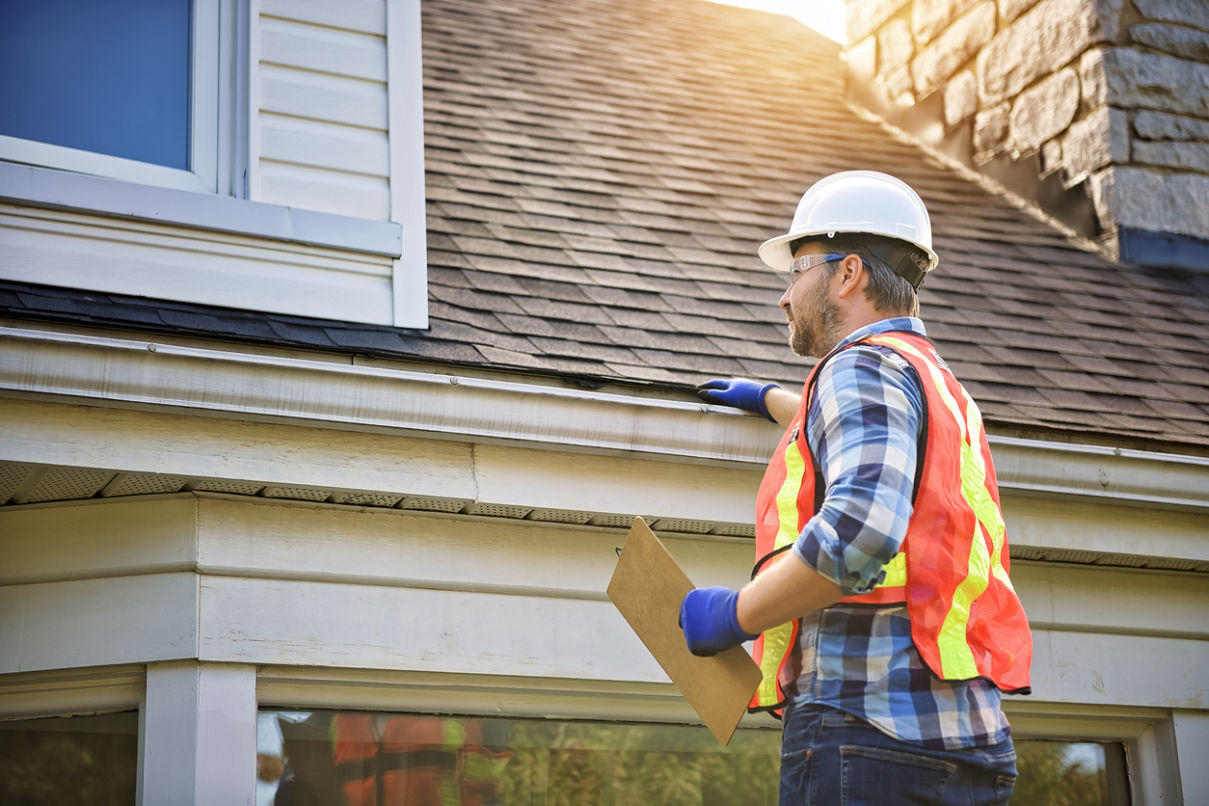
If there is one step that offers the most value in storm preparation, it is a professional roof inspection. A roofing contractor can identify problems that are easy to miss from the ground, especially the kind of subtle issues that tend to turn into storm damage later. Loose shingles, worn flashing, failing sealants, soft spots, drainage trouble, and ventilation concerns may all exist before the homeowner sees obvious symptoms.
A professional inspection matters because storm damage does not always start with a perfect roof being hit by bad weather. It often starts with an imperfect roof being tested by bad weather. The inspection helps you find those imperfections while they are still manageable.
During a preventive inspection, a roofer may look at:
- The condition of shingles or other roofing materials
- Flashing around chimneys, vents, skylights, and wall intersections
- Roof valleys and drainage paths
- Gutters, downspouts, and roof edges
- Signs of aging, prior storm damage, or small repairs that may be failing
- Attic conditions that may affect roof performance
That kind of review gives homeowners a clear sense of whether the roof is storm-ready or whether it needs targeted attention first.
Address Small Repairs Before They Multiply
One of the most practical ways to reduce storm damage risk is to handle small repairs quickly. Minor roofing issues rarely stay minor once wind and rain get involved. A single loose shingle may not seem urgent during clear weather, but it becomes much more important once gusts begin pulling at the surrounding area. A cracked seal around a vent may hold for a while, but not necessarily during wind-driven rain. A small flashing gap may not leak in a light shower, yet it may fail under a stronger storm.
This is why proactive repair planning matters so much. Homeowners who repair weak points early are not just fixing cosmetic flaws. They are strengthening the places where storms are most likely to force the roof to fail.
Common small issues that should not be delayed include:
- Missing or lifted shingles
- Cracked or curling shingle tabs
- Loose or rusted flashing
- Minor roof-edge deterioration
- Separated sealant around roof penetrations
- Small attic leaks or water stains after rain
These may sound minor, but they are often the exact issues storms turn into bigger repairs.
Keep Gutters and Downspouts Clear and Functional
Water needs a reliable path off the roof. When gutters and downspouts are clogged, sagging, or detached, the roof is forced to deal with water in places it was not meant to. Overflowing gutters can push water back toward roof edges, fascia boards, soffits, and lower roofing layers. That is not just a gutter problem. It is a roofing problem waiting to happen.
In Suffolk, where heavy rain can arrive quickly, drainage matters. One of the simplest ways to protect your roof from storm damage in Suffolk is to keep gutters clean and make sure water is moving away from the house properly. This includes clearing leaves and debris, checking for sagging sections, and making sure downspouts are not blocked.
It also helps to watch roof valleys, where debris often collects and slows drainage. Valleys handle concentrated water flow, and if they become blocked, the chance of backup and intrusion rises quickly during storms.
Good drainage is not glamorous, but it is one of the most effective ways to reduce preventable roof damage.
Trim Back Overhanging Tree Limbs
Trees add beauty and shade to a property, but they can also add risk to the roof, especially during storms. Overhanging limbs can scrape roofing materials, drop leaves and branches into gutters and valleys, and become impact hazards when strong winds move through. Even small branches can damage shingles or flashing if they are pushed repeatedly against the roof during storm conditions.
One smart part of storm preparation is trimming back limbs that hang too close to the roofline. This does not mean stripping every tree near the home. It means reducing unnecessary risk by preventing branches from resting on or striking the roof during wind events.
Tree maintenance also helps reduce moisture-holding debris on the roof. Fewer leaves and small branches landing on the roof means better drainage, quicker drying, and less buildup in gutters. In a storm-prone region, that is a practical benefit homeowners should not ignore.
Pay Attention to Flashing and Roof Penetrations
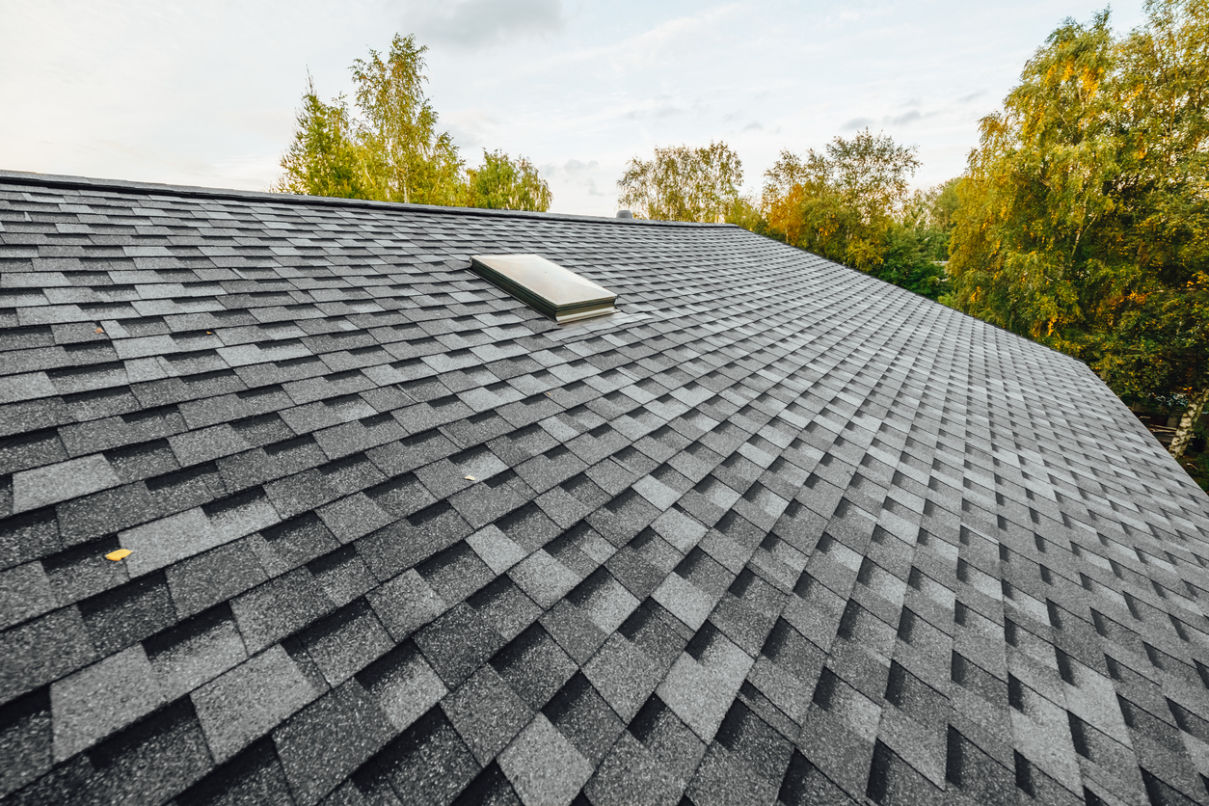
Storm water does not always enter through the middle of the roof field. Very often, it finds its way in through transitions and penetrations. Chimneys, skylights, plumbing vents, valleys, roof-to-wall intersections, and other detail areas depend on properly installed flashing and secure seals to stay watertight. When those details weaken, even a roof with otherwise decent shingles can begin leaking.
This is one reason flashing deserves special attention in storm preparation. A roof may look fine from a distance while still having vulnerable transition points that strong weather can exploit. If flashing is loose, rusted, improperly sealed, or pulling away from the surface, the roof is at a disadvantage the moment heavy rain arrives.
Homeowners should be especially aware of recurring interior stains or moisture signs near fireplaces, upper wall corners, skylights, or vent areas. These often point to flashing-related weaknesses that deserve attention before the next storm tests them again.
Do Not Ignore the Attic
Attic conditions play a major role in roof performance, especially over time. A damp, poorly ventilated attic can weaken the roof from below by trapping moisture and heat beneath the decking and shingles. That makes the roof less resilient overall and more vulnerable when storm damage does occur.
If the attic is safely accessible, it is worth checking it periodically as part of your roof maintenance routine. Look for water stains on the underside of decking, damp insulation, musty odors, mold or mildew, or daylight showing through places that should be sealed. These may be early warning signs that the roof already has vulnerabilities.
Ventilation matters here too. Good attic airflow helps the roofing system stay drier and more stable between weather events. That is important because a roof already dealing with trapped heat and moisture may age faster and respond less effectively during storms.
Storm preparation should always include the whole roof system, not just the visible outer surface.
Check for Signs of Aging Before Storms Expose Them
Older roofs naturally have less margin for error. Shingles may become brittle. Granules may wear away. Flashing may corrode. Sealants may dry out. Even if the roof has not had a major leak yet, age alone can make it more vulnerable to wind and water intrusion once storm season intensifies.
Homeowners should watch for signs such as:
- Granules collecting heavily in gutters
- Curling, cracking, or brittle shingles
- Fading or uneven roof appearance
- Past repairs in multiple areas
- Recurring moisture issues after weather events
If those signs are present, storm preparation may need to be more than simple maintenance. It may involve having a serious conversation about whether the roof is still dependable enough for another season or whether broader repair or replacement planning is the safer choice.
Use Post-Storm Checks as Part of Prevention Too
Protecting the roof from storm damage is not only about what happens before a storm. It is also about what happens right after. A quick, safe post-storm review can catch new damage while it is still small enough to fix before the next weather event. This matters because one storm often weakens a roof in ways that the following storm makes worse.
After strong weather, homeowners should safely check for:
- Roofing debris in the yard
- Loose or bent gutters
- Branches on or near the roof
- Visible shingle displacement from the ground
- New stains on ceilings or in the attic
This kind of follow-up is part of proactive maintenance. The sooner storm-related changes are noticed, the easier it is to repair them before the damage spreads. In that sense, post-storm inspection is one of the best storm-prevention tools for the next event.
Have a Plan for Emergency Protection
Even well-maintained roofs can suffer damage in severe weather. That is why homeowners should think ahead about what they would do if the roof were suddenly compromised. If active leaking starts after a storm, quick temporary protection can help limit further damage while permanent repairs are being arranged.
You do not need to keep specialized roofing equipment on hand, but it helps to know who you would call, how you would document the damage, and how quickly you could get a professional inspection if needed. A little planning now can reduce stress later.
A practical emergency response plan includes:
- Knowing which local roofing contractor you would contact first
- Being prepared to take photos of visible damage safely from the ground
- Checking interior areas for water intrusion promptly
- Acting quickly if temporary protection is needed to stop active leaking
Preparation is not only about preventing damage entirely. It is also about reducing the impact if damage does happen.
Choose Maintenance and Repairs With Long-Term Performance in Mind
Not every roofing decision should be made around the cheapest immediate fix. If you want to protect your roof from storm damage in Suffolk over the long term, it helps to think in terms of performance, not just patching. Sometimes that means choosing stronger shingles. Sometimes it means correcting ventilation. Sometimes it means replacing aging flashing or improving drainage details that have been causing trouble for years.
A good roofing contractor can help identify which steps add the most value for your specific home. The best maintenance plan is rarely generic. It depends on roof age, material type, past storm history, attic conditions, and the weak points your roof already has. The key is to focus on decisions that strengthen the system rather than only responding to the last visible symptom.
Why Local Experience Matters
Storm preparation advice is more useful when it reflects local conditions. A roofer who understands Suffolk weather patterns, common storm-related damage, and the way coastal humidity affects roofing systems will usually offer more practical guidance than someone using a one-size-fits-all approach.
Local experience matters because roofs in this region do not fail in exactly the same way roofs fail elsewhere. Wind exposure, rain intensity, moisture retention, and seasonal timing all shape what kinds of maintenance matter most. Homeowners benefit from working with contractors who understand how roofs in Suffolk actually perform over time and which preventive steps are most likely to make a real difference.
Final Thoughts on How to Protect Your Roof From Storm Damage in Suffolk
If you want to protect your roof from storm damage in Suffolk, the most effective approach is a proactive one. Regular inspections, prompt repairs, clean gutters, healthy drainage, trimmed trees, attention to flashing, and awareness of attic conditions all help reduce the chance that storms will find and exploit weak points in the roof. None of these steps guarantees a roof will never be damaged, but together they significantly improve the roof’s ability to handle the weather it is likely to face.
For homeowners in Suffolk, Virginia Beach, and surrounding areas, storm preparation is not about overreacting. It is about respecting the fact that roofs are tested by local weather year after year. Small vulnerabilities rarely get better on their own, and storm season tends to reveal them at the worst possible time. The smarter path is to strengthen the roof while you still have the chance to do so calmly and intentionally.
In the end, protecting your roof is really about protecting your entire home. A strong roof keeps water out, supports energy performance, protects the structure beneath it, and gives homeowners confidence when the forecast turns rough. When maintenance and inspections become a habit instead of an afterthought, the roof is far more likely to do what it is meant to do: stand strong when the weather is at its worst.