What Causes Premature Roof Failure in Portsmouth Homes?
Find out what causes premature roof failure in Portsmouth homes, from storm exposure and poor ventilation to skipped repairs and aging materials.

A roof is supposed to be one of the most dependable parts of a home. Once it is installed, most homeowners expect years of protection with only occasional maintenance along the way. That is a reasonable expectation, but in real life, some roofs begin failing much sooner than they should. Shingles wear out early, leaks start appearing years ahead of schedule, flashing begins separating, and sections of the roof lose their ability to protect the home long before the homeowner expected to think about replacement. That is why understanding the causes of premature roof failure in Portsmouth homes is so important.
When a roof fails early, it is rarely because of one single issue alone. More often, premature failure is the result of several smaller factors working together over time. Coastal weather exposure, storm damage, poor ventilation, skipped repairs, drainage problems, aging materials, and installation mistakes can all shorten the life of a roofing system. A roof may look fine from the ground while hidden weaknesses are already developing. By the time the problem becomes obvious indoors, the failure is often more advanced than it first appears.
For homeowners in Portsmouth and nearby Virginia Beach, this topic matters because local conditions are not easy on roofing systems. Humidity, heavy rain, strong wind, seasonal storms, and long stretches of summer heat all place steady pressure on roofing materials. Even a well-built roof can age faster when those conditions are combined with deferred maintenance or unnoticed damage. The good news is that many of the causes of early roof failure are preventable. When homeowners understand what puts a roof at risk, they are in a much better position to protect their investment and respond before small problems become much larger ones.
This guide looks at the most common reasons roofs wear out too soon in Portsmouth homes and what homeowners can do to reduce the risk.
Premature Roof Failure Usually Starts Small
One of the biggest misunderstandings homeowners have about roofing is the idea that failure begins with a major event. Sometimes that happens, especially after a severe storm, but more often roof failure starts in quiet, less dramatic ways. A cracked seal around a vent pipe may let in a little moisture. A lifted shingle may expose the underlayment beneath. A poorly ventilated attic may trap heat and humidity season after season. A clogged gutter may back water up at the edge of the roof every time it rains.
None of these problems may feel urgent in the moment, but together they change how the roof performs over time. This is what makes premature roof failure in Portsmouth homes so frustrating. The roof often gives warnings, but those warnings are easy to overlook until the damage has spread further than expected.
A roof rarely needs to be perfect to last well, but it does need consistent protection from avoidable stress. Once that protection starts breaking down, the clock on the roof’s service life can move faster than homeowners realize.
Storm Exposure and Repeated Weather Stress
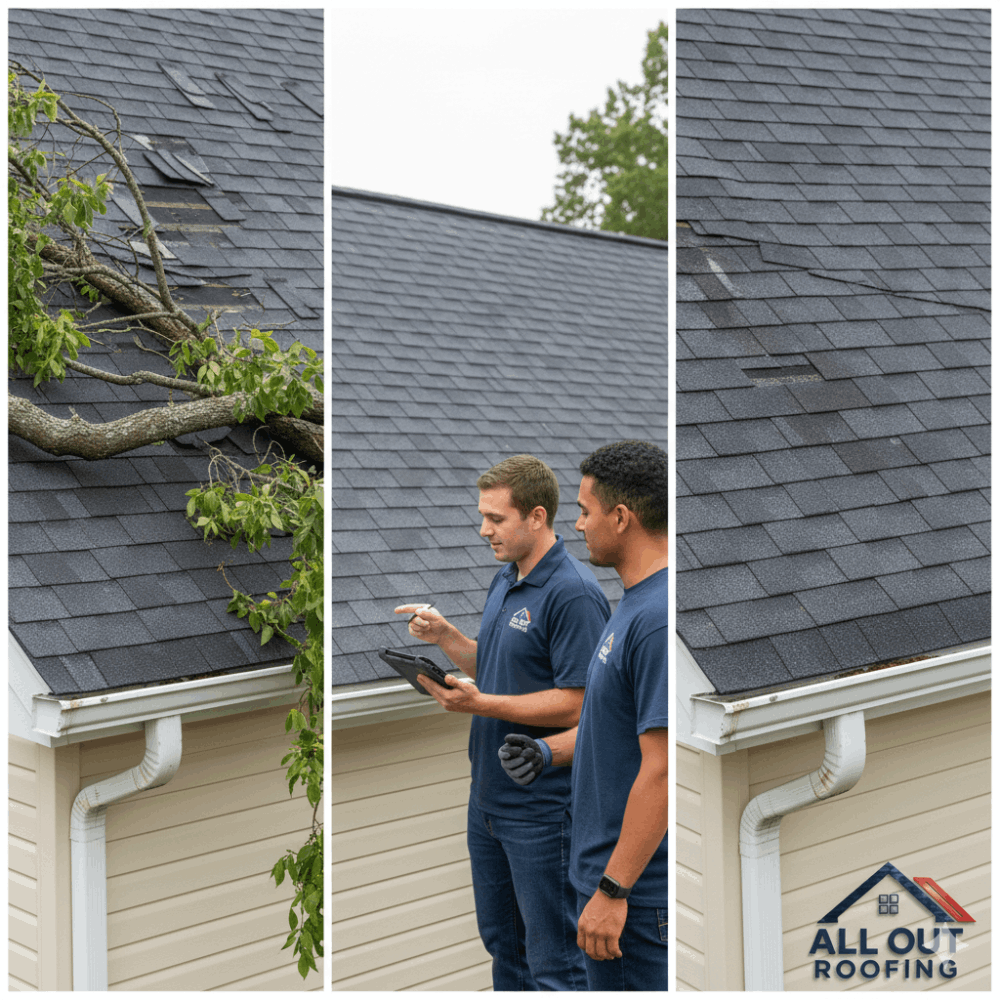
Storm exposure is one of the most common contributors to premature roof failure in Portsmouth. Roofs in this area are expected to handle strong wind, driving rain, changing temperatures, and the broader effects of coastal weather. While one storm may not destroy a roof outright, repeated exposure can steadily wear the system down.
Wind can loosen shingles without tearing them completely off. Rain can exploit weak flashing, aged sealants, and minor openings around penetrations. Debris can bruise roofing materials or damage gutters and edges. Even when damage is not immediately obvious, storms can reduce the roof’s overall resilience and make the next weather event more damaging.
This is especially true for older roofs or roofs that already had minor vulnerabilities before the storm. A roof with aging shingles or weak flashing may survive one season, but each weather event takes a little more out of it. Over time, that repeated stress can lead to failure much earlier than the owner expected.
Post-storm inspections are one of the best ways to interrupt that cycle. Homeowners who inspect the roof after heavy wind and rain are more likely to find damage while it is still localized and repairable.
Poor Attic Ventilation
Ventilation problems are one of the least visible but most important causes of premature roof failure. Many homeowners focus only on the exterior of the roof, but the attic plays a major role in how long the roofing system lasts. When an attic cannot release heat and moisture effectively, the roofing materials above it age under unnecessary stress.
In Portsmouth, humidity already creates a moisture-heavy environment. If that moisture also becomes trapped inside the attic, the roof is being stressed from below as well as from above. Poor ventilation can contribute to overheated attic conditions in warmer months, excessive moisture buildup, mold concerns, and gradual deterioration of wood decking and roofing materials.
Ventilation problems can also shorten the life of shingles. When heat builds up under the roof surface, shingles may age faster, dry out sooner, and become more brittle. That does not always show up immediately, but over several seasons, the difference can be significant.
Common signs that ventilation may be affecting the roof include:
- Excessive attic heat
- Musty odors in attic spaces
- Damp insulation or moisture staining
- Uneven roof aging
- Recurring condensation issues
Ventilation is not always the first thing homeowners think about, but it is often one of the most important factors in roof longevity.
Skipped Repairs and Deferred Maintenance
Another major cause of premature roof failure in Portsmouth homes is delayed maintenance. Roofs are exposed to wear every season, and small problems are normal from time to time. The real issue is not that those problems appear. It is that they are often ignored for too long.
A missing shingle may seem minor. A water stain that dries after the storm may feel easy to postpone. A flashing issue around a vent may not seem serious if the leak is small. But roof problems rarely stay contained forever. Water finds ways to spread. Wind worsens weak points. Materials surrounding the damaged area often become affected next.
Over time, skipped repairs create a pattern of compounding damage. What could have been handled as a focused repair becomes broader underlayment damage, softened decking, insulation problems, and interior moisture issues. In many cases, roofs do not fail early because the original issue was severe. They fail early because nobody addressed that issue when it was still manageable.
Routine maintenance helps break that pattern. A roof does not need constant work, but it does benefit from regular inspections and timely attention when early warning signs appear.
Aging Materials and Natural Wear
Every roofing material has a lifespan. Even the best roof will not last forever, and one of the simplest causes of premature failure is that the roof is already moving into a later stage of wear without the homeowner fully realizing it. This happens often because roofs age gradually. Homeowners get used to seeing the same roof every day and may not notice subtle changes like curling shingles, granule loss, fading, cracking, or worn sealants.
In Portsmouth, coastal weather can accelerate natural wear. Humidity, sun exposure, rain, and storm pressure all contribute to the aging process. A roof that might hold up longer in a dry inland climate may decline sooner under coastal conditions.
Aging materials become more vulnerable to other problems as well. Once shingles begin losing flexibility or protective granules, wind and rain can do more damage. Once flashing starts rusting or sealants begin breaking down, water can find entry points more easily. Natural wear is expected, but when it combines with weather stress and missed maintenance, the roof can cross into failure earlier than expected.
Poor Installation or Workmanship Problems
One of the most frustrating causes of early roof failure is poor installation. A roof can have quality materials and still underperform if it was not installed correctly. Improper nailing, bad shingle alignment, poorly integrated flashing, inadequate underlayment details, and weak ventilation planning can all shorten the roof’s useful life.
Installation problems often do not reveal themselves right away. A roof may appear fine for a period of time, then begin showing leaks or wear patterns earlier than it should. Homeowners may assume the materials were defective or that the weather is solely to blame, when in reality the real issue began on installation day.
Common workmanship-related problems include:
- Improper flashing around chimneys, vents, and valleys
- Incorrect nail placement
- Insufficient sealing at transitions
- Poor ventilation design
- Inadequate drainage planning
This is why choosing an experienced roofing contractor matters so much. A roof is not just a layer of shingles. It is a complete system, and the details determine how well that system performs year after year.
Flashing Failures Around Roof Details
Flashing is one of the most important protective components in any roof, and it is also one of the most common sources of early failure. Flashing protects the transitions where water is most likely to enter, including around chimneys, skylights, vents, valleys, and roof-to-wall intersections. When flashing becomes loose, rusted, cracked, or poorly sealed, the roof’s weakest areas become even more vulnerable.
In Portsmouth, flashing can wear down faster because of moisture, storms, and ongoing temperature changes. A roof may still look solid from the ground, but if flashing has begun separating at critical points, water may already be getting in behind the visible roofing material.
Many leaks begin here rather than in the middle of the roof field. That is why flashing should never be treated as a minor detail. When flashing problems are caught early, repairs can be straightforward. When they are ignored, they often lead to hidden moisture damage that shortens the life of the roof system overall.
Clogged Gutters and Poor Drainage
Water must move off the roof efficiently. When gutters and downspouts are clogged, detached, or poorly draining, the roof has to deal with water that should have already left the home. Overflowing gutters can send water back toward the roof edge, fascia, soffits, and lower roofing layers. Valleys can also become blocked with debris, forcing water to pool or move in the wrong direction.
Homeowners sometimes think of gutters as separate from roofing, but poor drainage is absolutely a roofing issue. Water that repeatedly backs up or spills in the wrong places can weaken roof edges, contribute to leaks, and accelerate wear on surrounding materials.
Drainage-related roof stress often develops slowly, which is why it is so often overlooked. A little overflow during one storm may not seem important, but when it happens over and over again, it creates the kind of long-term moisture exposure that shortens roof life.
Moisture Retention From Coastal Humidity
Portsmouth’s coastal environment creates another challenge: lingering moisture. Roofs do not just get wet from rain. They also deal with humid air, slower drying times, and the broader effects of living near the coast. Moisture that stays on the roof longer can contribute to algae growth, moss development, surface wear, and gradual material breakdown.
Humidity also makes it easier for minor roofing issues to become bigger ones. If a roof already has a weak seal, a small flashing gap, or poor ventilation, a moisture-heavy climate makes those issues harder to ignore. Materials stay damp longer, wood takes longer to dry, and hidden damage has more opportunity to spread.
While homeowners cannot change the climate, they can manage how their roof responds to it. Good ventilation, healthy drainage, timely repairs, and regular inspections all help reduce the long-term effect of coastal moisture.
Neglect After Past Storm Damage
Sometimes a roof begins failing early not because of one new issue, but because old storm damage was never fully addressed. A storm may have lifted shingles, loosened flashing, or caused minor impact damage that did not seem urgent at the time. The homeowner moves on, and the roof appears mostly normal. But the damage remains in place, slowly worsening with each season.
This is a common path toward premature failure. The first storm does not destroy the roof. It weakens it. Then the next storm, the next heavy rain, and the next season of heat and humidity keep working on the damaged area until the failure becomes obvious.
That is why post-storm follow-up is so important. A roof inspection after bad weather is not only about spotting dramatic visible damage. It is about finding the quieter signs of weakening before they shorten the entire roof’s lifespan.
How Homeowners Can Reduce the Risk
The good news is that many of the causes of premature roof failure in Portsmouth homes can be reduced with a proactive approach. Homeowners do not need to inspect every inch of the roof themselves, but they do need to treat roof care as part of routine home maintenance rather than something to think about only after a leak appears.
A smart prevention plan usually includes:
- Scheduling periodic professional roof inspections
- Checking the roof after major wind and rain events
- Repairing minor damage promptly
- Keeping gutters and downspouts clear
- Monitoring attic ventilation and moisture conditions
- Paying attention to changes like granule loss, curling shingles, or water stains
These habits do not eliminate roof aging, but they do make it far less likely that the roof will fail years earlier than it should.
Final Thoughts on Premature Roof Failure in Portsmouth Homes
Premature roof failure almost never comes down to bad luck alone. More often, it is the result of weather stress, poor ventilation, aging materials, delayed repairs, flashing problems, drainage issues, or installation weaknesses that were allowed to grow over time. In Portsmouth, where roofs are exposed to humidity, rain, wind, and seasonal storms, those factors can add up faster than homeowners expect.
The most important thing to remember is that early roof failure is often preventable. A roof that is inspected, maintained, and repaired when needed has a much better chance of reaching its expected lifespan. A roof that is ignored, especially after storms or during visible aging, is far more likely to break down early and create larger problems for the home.
For homeowners in Portsmouth, Virginia Beach, and surrounding areas, the smartest approach is to stay proactive. If your roof is showing signs of wear, if it has gone through recent storms, or if it has not been professionally evaluated in some time, now is the right time to get clarity. Timely inspections and practical repairs can help stop small issues from becoming the reasons your roof fails sooner than it should.