Virginia Beach Roof Replacement Cost Factors Homeowners Should Understand
Explore the main factors that affect roof replacement cost in Virginia Beach, from roof size and materials to decking and ventilation needs.

Replacing a roof is one of the larger home improvement decisions most homeowners will make, and one of the first questions that comes up is simple: what is this going to cost? The challenge is that roof replacement pricing is never based on just one number. It is shaped by the condition of the existing roof, the size and complexity of the home, the materials selected, and the details uncovered once the old roofing system is removed. That is why homeowners benefit from understanding the real Virginia Beach roof replacement cost factors before they begin comparing estimates or deciding when to move forward.
In Virginia Beach, those cost factors are especially important because roofs here deal with coastal weather conditions that can increase wear over time. Wind, humidity, heavy rain, salt air, and seasonal storms all affect how roofing materials age and what may need to be addressed during replacement. A homeowner may think they are paying only for new shingles, but a proper roof replacement is much more than a surface update. It is a full roofing system decision, and the final cost often reflects what the home needs beneath the visible layer as much as what it needs on top.
This is one reason roof replacement quotes can vary from one house to another, even when the homes look similar from the street. Two roofs may appear almost the same in size, yet one may need extensive decking repairs, ventilation improvements, or flashing replacement while the other may not. The difference in cost is not random. It usually reflects the scope of the work required to install a roof that performs well for years, not just one that looks new on day one.
For homeowners in Virginia Beach, the smartest approach is not to look for a one-size-fits-all price. It is to understand what drives cost, what questions to ask, and why certain parts of the estimate matter more than others. When you know the main factors behind roof replacement pricing, it becomes much easier to evaluate proposals, make practical decisions, and avoid being surprised by what the project actually involves.
Roof Size Is One of the Biggest Cost Drivers
It may sound obvious, but roof size is one of the most important factors in the overall cost of replacement. A larger roof typically requires more materials, more labor, more time, and more disposal work. The key point is that roof size is not measured by the footprint of the house alone. The actual roofing surface can be much larger depending on slope, design, and layout.
For example, two homes with similar square footage may have very different roof replacement costs if one has a steeper roofline, multiple sections, dormers, intersecting planes, or added architectural features. Roofing is priced based on the actual work performed on the roofing surface, not just the size of the rooms below it.
This is why estimates begin with careful measurement. The total area of the roof influences everything else that follows, including material quantity, underlayment needs, labor requirements, and debris removal. When homeowners compare prices, it helps to remember that larger or more expansive roof surfaces usually create a broader project scope from the start.
Roof Pitch and Complexity Affect Labor and Installation Time
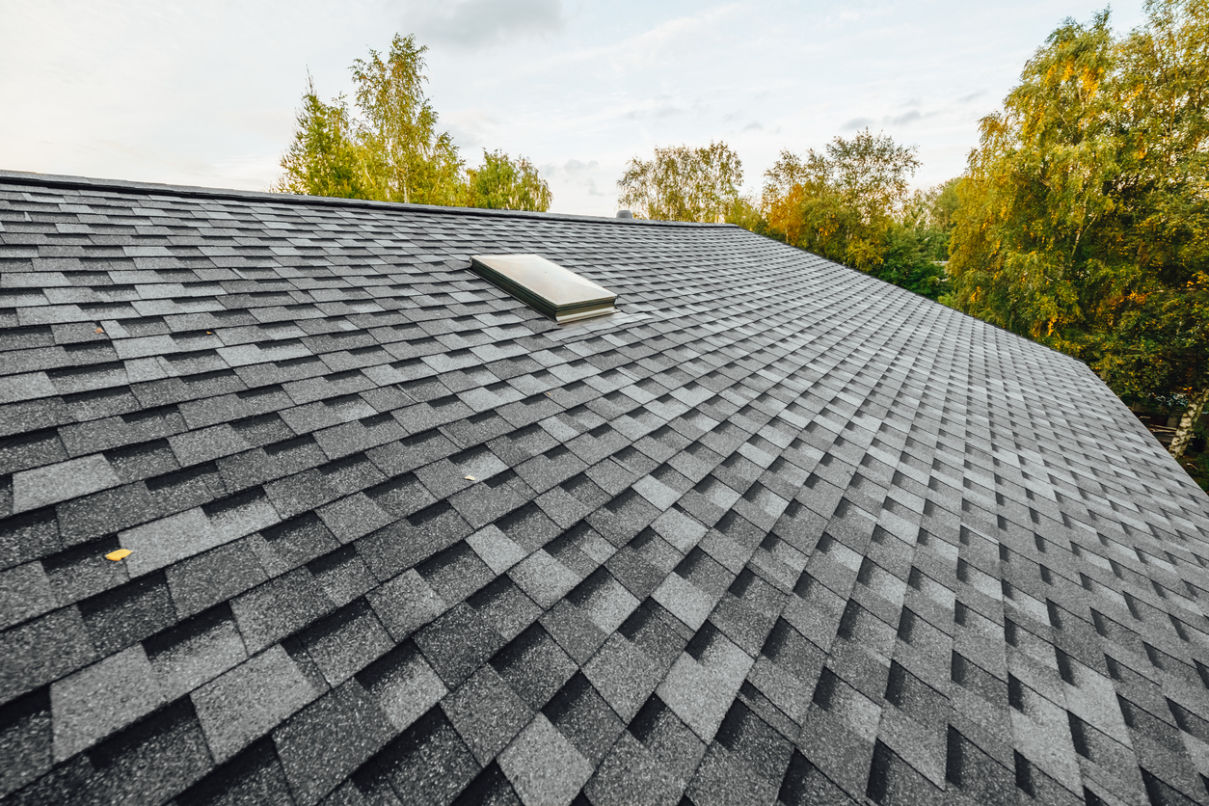
Roof replacement cost is shaped not only by how much roof exists, but by how difficult that roof is to work on. A roof with a simple shape is generally faster and more straightforward to replace than one with multiple angles, steep sections, intersecting lines, valleys, skylights, chimneys, and roof-to-wall transitions.
Steeper roofs often require more careful movement, added safety measures, and slower installation pacing. Complex layouts also create more cutting, more flashing work, and more detail-oriented installation. In other words, the project becomes more labor-intensive.
In real terms, roof complexity affects cost because it increases the time and precision required to complete the job correctly. A simple roofline may allow for faster material placement and smoother workflow. A more complex roof demands greater attention to the areas where leaks are more likely to start, such as valleys and penetrations.
Common design features that can influence cost include:
- Steep roof pitch
- Multiple roof sections or levels
- Dormers and bump-outs
- Chimneys and skylights
- Numerous valleys and transitions
- Attached porches, additions, or garage sections
These details are not necessarily problems, but they do affect the labor side of the project, which is a major part of the final price.
Material Choice Has a Major Impact on Price
One of the most visible Virginia Beach roof replacement cost factors is the roofing material itself. Different materials come with different upfront costs, appearance options, expected lifespans, and installation demands. For most homes, asphalt shingles remain the most common and accessible option, but even within that category there can be meaningful price differences.
Basic three-tab shingles, architectural shingles, premium designer shingles, and metal roofing systems all fall into different pricing ranges. The material a homeowner chooses affects not only the product cost, but sometimes the type of underlayment, flashing, fasteners, and installation methods used as well.
Material choice should be approached as both a budget decision and a long-term value decision. Homeowners who want a practical and familiar option often choose architectural asphalt shingles because they offer a balance of appearance, durability, and accessibility. Others may consider metal roofing for its longer lifespan and storm performance, though the upfront investment is usually higher.
The important thing to understand is that material selection is one of the clearest areas where costs can shift significantly. That does not mean the least expensive option is always the best value, and it does not mean the most expensive option is automatically necessary. It means homeowners should compare material choices in terms of performance, expected lifespan, and fit for the home, not price alone.
Tear-Off and Removal of the Existing Roof
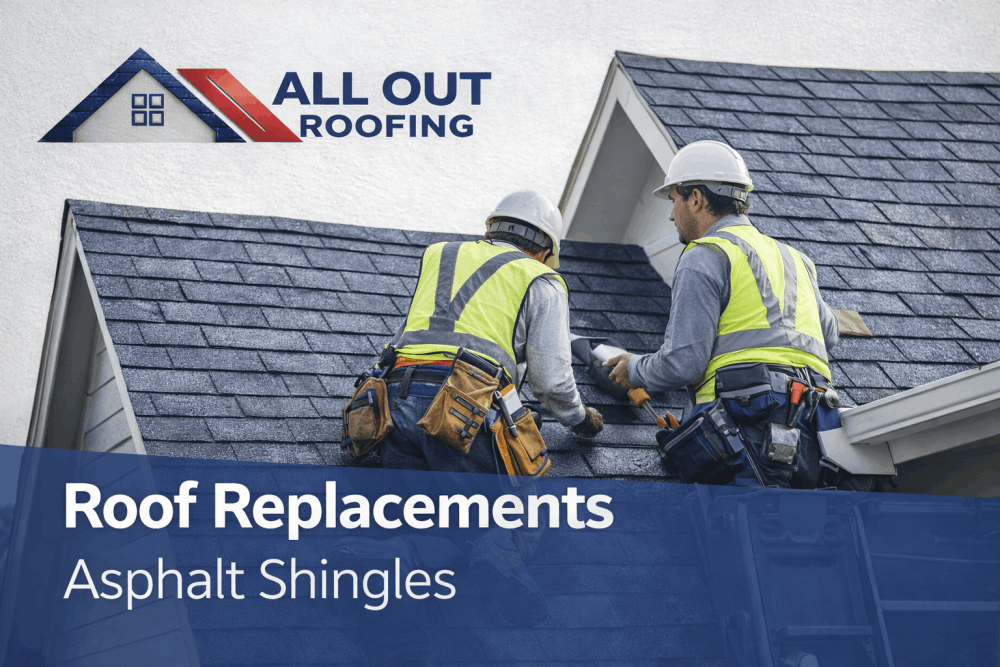
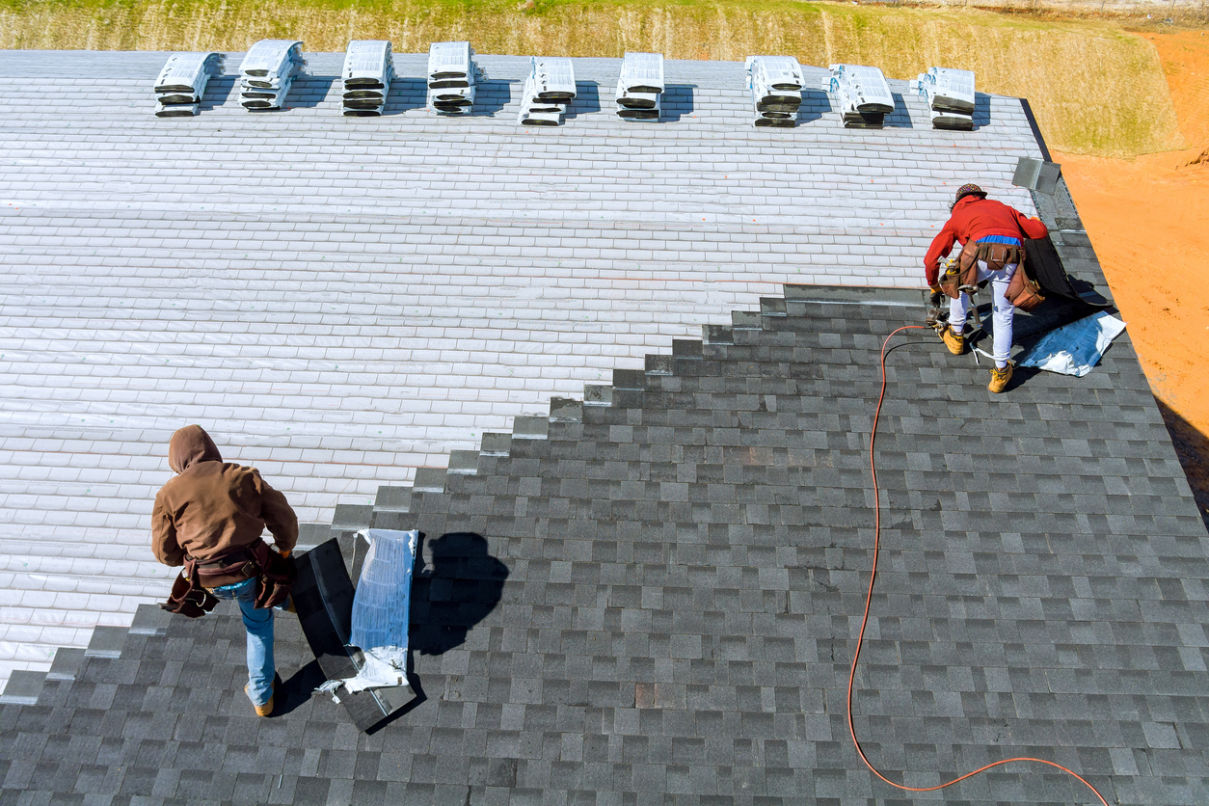
Before the new roof can be installed, the existing roof usually has to come off. That removal process is a meaningful part of the cost. Labor is required to tear off old shingles or roofing materials, remove underlayment, handle nails and debris, and prepare the surface below for the new system.
The condition of the existing roof can influence how straightforward this step is. If the old roof comes off cleanly and the decking below is in solid condition, the process may move relatively smoothly. If there are multiple old layers, deteriorated materials, or areas where the roof has been patched repeatedly over time, removal may become more involved.
Disposal is also part of this factor. Old shingles and roofing debris must be collected, loaded, and removed from the property. Larger roofs or heavier materials increase disposal volume, which can affect project cost as well.
Homeowners should understand that tear-off is not a side detail. It is part of the roofing job itself. A proper replacement includes removing the failing material so the new system can be installed on a sound base.
Roof Decking Condition Can Change the Estimate
One of the most important cost factors homeowners do not always think about in advance is the condition of the roof decking. The decking is the structural surface beneath the visible roofing materials. If it is weakened by moisture, rot, long-term leaks, or prior damage, it may need repair or replacement before the new roof can be installed correctly.
This is a major reason why one roof replacement can cost more than another, even if both homes use the same shingles. Until the old roof is removed, the true condition of the decking may not be fully visible. In some cases, only isolated sections need repair. In others, more extensive replacement is necessary to create a solid and dependable base for the new roof.
Decking issues matter because new roofing materials should never be installed over compromised wood. Doing so would only cover the problem rather than solve it. A good roof replacement addresses the structure beneath the visible layer, not just the surface appearance.
Decking costs can be influenced by:
- Past leaks that softened the wood
- Storm-related moisture damage
- Long-term ventilation problems
- Age-related deterioration
- Previous repair work that masked deeper issues
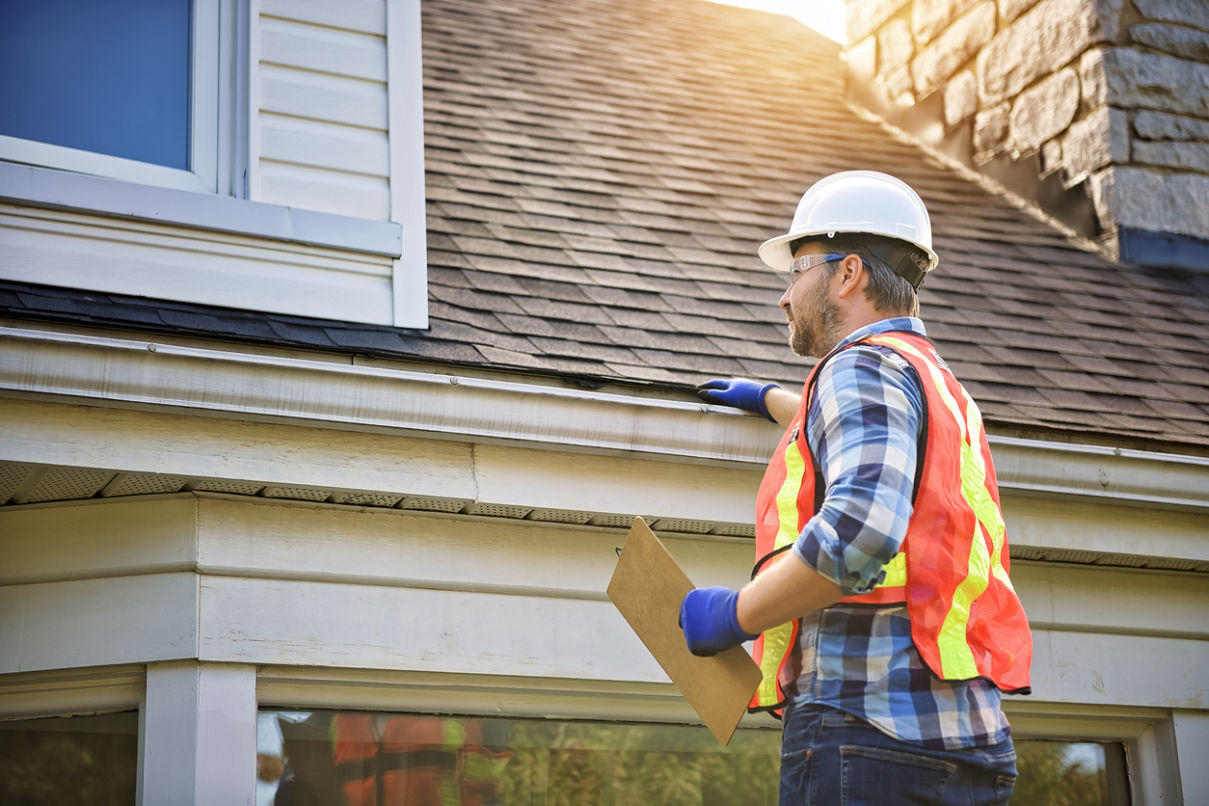
This is one reason detailed inspections matter so much before roof replacement begins. While not every hidden issue can be predicted, an experienced roofer can often identify warning signs that suggest decking repairs may be likely.
Ventilation Improvements Can Add Value and Cost
Ventilation is one of the most overlooked parts of a roofing system, but it can have a major effect on both roof performance and project cost. If a home has poor attic ventilation, trapped heat and moisture can shorten the life of the roof over time. In Virginia Beach, where humidity is already part of daily life, ventilation problems can be especially important.
When replacing a roof, contractors often evaluate whether the existing ventilation system is doing its job. If ridge vents, intake vents, or attic airflow need improvement, those corrections may be included in the project scope. This can raise the price of the replacement, but it often improves the long-term value of the investment.
Ventilation work is not simply an add-on. It helps protect the new roof from the same stress that may have affected the old one. A homeowner comparing estimates should pay attention to whether ventilation has been considered, because a lower estimate that ignores a ventilation problem may not be the better long-term choice.
Flashing, Chimneys, and Roof Details Influence Scope
Roof replacement is not just about shingles or panels. It also includes the detail areas that keep water from entering the home. Flashing around chimneys, skylights, vents, wall intersections, and valleys is a critical part of the roofing system, and those areas often need replacement or correction during a roof project.
If a roof has several penetrations or architectural features, the labor and material needs increase. Chimneys may require new flashing integration. Skylights may need careful tie-in work. Valleys may need special attention because they direct large amounts of water. These details affect cost because they require more time, more materials, and greater installation precision.
For homeowners, this is one of the most practical things to understand: the more detail-heavy the roof, the more the replacement becomes about craftsmanship as much as material. Estimates that account for careful flashing work are often more protective of the home than estimates that appear lower because they underemphasize these vulnerable areas.
Underlayment and Waterproofing Components Matter Too
Beneath the shingles or metal panels, a roof depends on other protective layers to perform well. Underlayment, leak barriers, drip edge components, and related waterproofing materials all contribute to the overall system. These parts are not as visible as the finished roofing material, but they affect both cost and long-term protection.
In coastal areas like Virginia Beach, underlayment and water-shedding details matter because roofs face rain, wind-driven moisture, and weather cycles that test weak points. A higher-quality roofing system may include upgraded protective layers that cost more upfront but improve performance and durability over time.
This is another area where homeowners should avoid focusing only on surface appearance. Two roofs may look similar once installed, yet have very different levels of protection underneath. The better estimate is often the one that explains the system clearly rather than simply offering the lowest visible number.
Storm Damage or Existing Roof Problems Can Expand the Scope
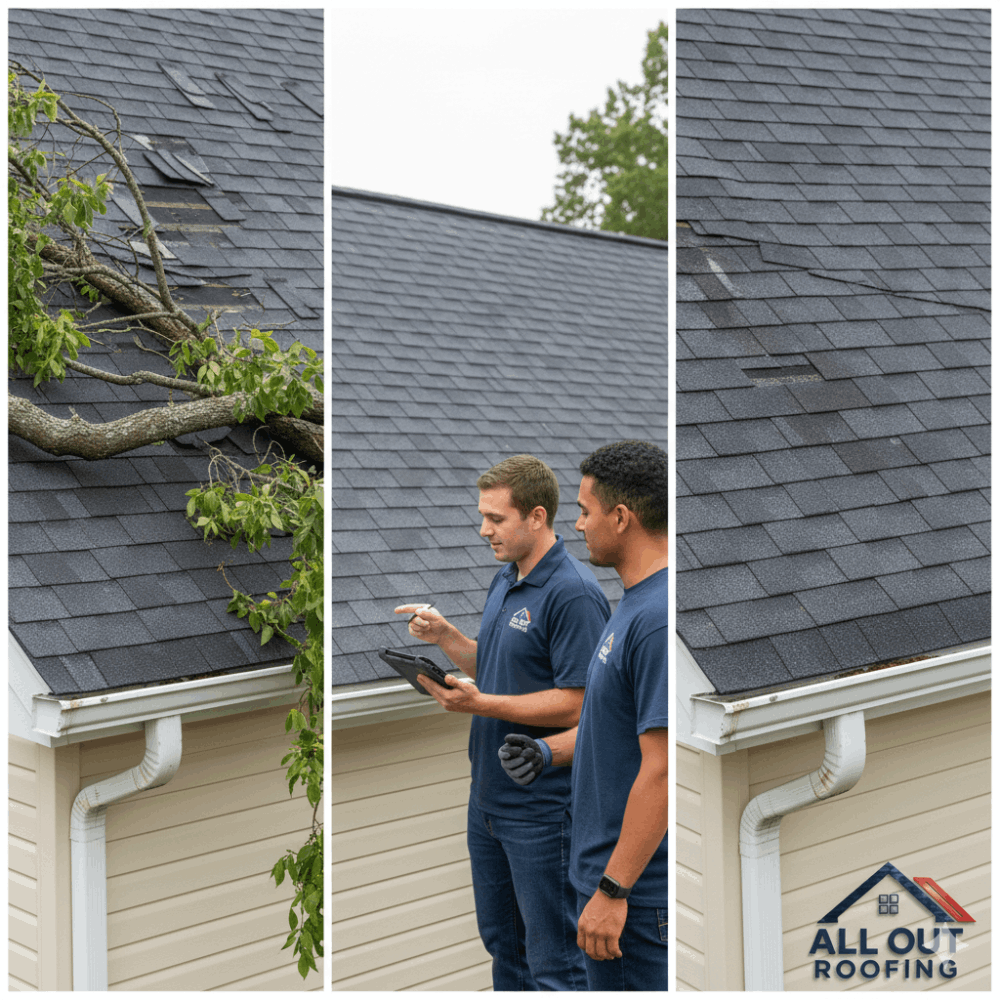
Sometimes homeowners begin exploring roof replacement because the roof is simply old. Other times, the project is being considered after leaks, storm damage, or repeated repairs. In those cases, the underlying condition of the roof may affect pricing more significantly.
If the roof has been leaking for some time, if multiple repairs have already been made, or if recent weather exposed weak sections, the project may require more corrective work than a straightforward replacement on a roof in otherwise stable condition. Water damage, weakened decking, flashing failures, and hidden moisture issues all add to the real scope of the job.
This does not mean replacement becomes a bad decision. In fact, it often becomes a more important one. But homeowners should understand that when the roof has existing problems beyond surface aging, the cost reflects the work needed to solve those problems properly rather than just cover them up.
Accessibility and Jobsite Conditions Can Influence Price
Another factor that sometimes affects cost is how accessible the home is for the roofing crew and materials. Roofing work involves moving materials onto the property, positioning equipment, managing debris, and protecting surrounding areas. Some homes offer easy access and open space. Others are tighter, more complex, or present logistical challenges that affect labor and setup.
Examples of factors that can influence jobsite difficulty include:
- Limited driveway or access space
- Landscaping that requires extra protection
- Fencing or tight lot lines
- Multi-story configurations
- Attached structures that complicate staging
These conditions do not always change the price dramatically, but they can affect how smoothly the project runs and what labor or protective steps are required.
Warranty and Workmanship Value Are Part of the Cost Conversation
When homeowners compare roof replacement estimates, it is easy to focus only on the bottom-line number. But part of the real value lies in what the project includes beyond the visible materials. Warranty coverage, workmanship quality, installation standards, and the contractor’s approach to the full roofing system all matter.
A lower estimate may appear attractive at first, but if it leaves out important flashing replacement, ventilation upgrades, or quality underlayment, the long-term value may be weaker. A higher estimate may reflect more complete workmanship and stronger system protection. That is why price should always be evaluated alongside scope.
A roof is a long-term protective system. The best investment is usually the one that balances cost with dependable workmanship, solid materials, and proper attention to detail.
Why Homeowners Should Think Beyond the Cheapest Number
Understanding Virginia Beach roof replacement cost factors helps homeowners move beyond the idea that roofing is just a commodity purchase. A new roof is not simply a stack of shingles with a labor fee attached. It is a carefully installed system shaped by the home’s structure, weather exposure, design, and existing condition.
That is why the lowest estimate is not always the smartest one. Sometimes a lower quote reflects fewer protections, skipped corrective work, or a less complete approach to the project. Homeowners should look for clarity, detail, and honesty about what the roof actually needs.
Questions worth asking include:
- Does the estimate include full tear-off and disposal?
- How is decking repair handled if needed?
- Are flashing and ventilation included in the review?
- What underlayment and waterproofing components are part of the system?
- How does the chosen material affect long-term value?
Those questions help reveal whether the estimate is built around real protection or just a quick price.
Final Thoughts on Virginia Beach Roof Replacement Cost Factors
The main Virginia Beach roof replacement cost factors homeowners should understand include roof size, pitch, complexity, material choice, tear-off labor, decking condition, ventilation needs, flashing details, waterproofing components, and any existing storm or moisture-related damage. Together, these factors shape the real cost of replacing a roof correctly.
For homeowners in Virginia Beach, the goal should not be to chase a universal price. It should be to understand what the home actually needs and why one estimate may differ from another. A roof replacement is a significant investment, but it is also one that protects the home from the weather conditions coastal Virginia brings year after year.
When homeowners take time to understand what drives roof replacement pricing, they are in a much better position to compare proposals, ask better questions, and choose a solution that fits both their budget and their long-term goals. In the end, the best roof replacement decision is rarely based on price alone. It is based on value, protection, workmanship, and confidence that the system being installed is built to serve the home well for years to come.