Virginia Beach Roof Repair After Coastal Storms: What Homeowners Should Check First
Learn what Virginia Beach homeowners should inspect after coastal storms, from missing shingles to leaks, and when to call a roofing contractor.

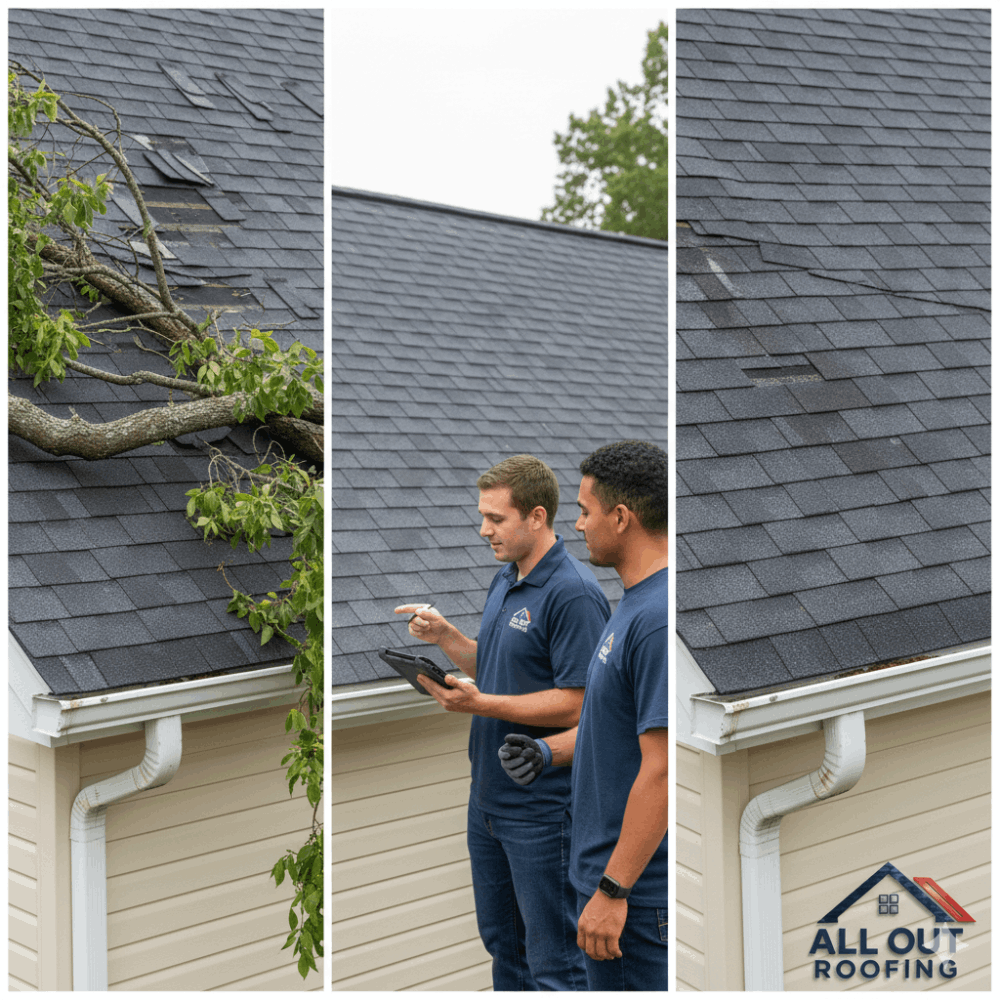
Coastal storms are part of life in Virginia Beach. Heavy rain, strong wind, flying debris, and sudden pressure changes can put a roofing system under stress in a very short amount of time. Sometimes the damage is obvious, like shingles scattered across the yard or a tree limb resting on the roof. More often, however, the first signs are smaller and easier to miss. A lifted shingle, a loosened flashing edge, a damp attic corner, or a stain on the ceiling may not look dramatic at first, but each of these can point to a larger issue that deserves attention.
That is why Virginia Beach roof repair after coastal storms should start with a careful, practical inspection. The goal is not to panic and assume the worst. The goal is to check the right areas first, identify signs of storm-related damage early, and know when it is time to call a roofing contractor before a manageable repair turns into a more expensive problem.
For homeowners in Virginia Beach, this matters even more because coastal conditions do not end when the storm passes. Moisture lingers. Humidity stays high. Salt air continues to affect roofing materials. If a storm has weakened part of the roof, those ongoing environmental conditions can make the damage worse in the days and weeks that follow. A prompt response protects not only the shingles on top of the house, but also the decking, insulation, attic, ceilings, walls, and overall value of the home.
The smartest first step after any significant storm is to begin with safety and observation. Do not climb onto the roof right away. Wet roofing surfaces can be slippery, unstable, and dangerous, especially if wind has loosened materials you cannot see from the ground. Instead, start with what you can inspect safely from outside and inside the house. That process often reveals enough to determine whether professional roof repair is needed.
Start With a Ground-Level Look Around the Property
After a coastal storm moves through Virginia Beach, your first inspection should begin at ground level. Walk around the exterior of your home and look for signs that pieces of the roof may have come loose during the storm. Homeowners often find clues in the yard before they notice them on the roof itself.
Pay attention to items such as:
- Missing shingles or torn shingle tabs on the ground
- Pieces of metal flashing
- Granules washed down near downspouts
- Broken tree branches or debris that may have struck the roof
- Sagging or detached gutters
These visible signs do not always tell the full story, but they often confirm that the roof took a hit. Granules in particular are worth noting. Asphalt shingles naturally shed some granules over time, but a sudden increase after a storm may suggest that the protective surface of the shingles has been worn down. That can shorten the life of the roof and make it more vulnerable to water intrusion and future wind damage.
At this stage, take photos if you can do so safely. Documentation is useful for your own records and may help if you later need a roofing estimate or insurance review. A clear record of what you saw immediately after the storm can make the next steps easier.
Look for Missing, Lifted, or Creased Shingles
One of the most common reasons homeowners need Virginia Beach roof repair after coastal storms is wind damage to shingles. Strong gusts can lift shingle edges, break the seal that helps hold them in place, or tear entire shingles away. Even when shingles are still attached, they may have been creased or loosened enough to create a vulnerability that shows up during the next rainfall.
From the ground, look for sections of the roof that appear uneven in color, texture, or pattern. Missing shingles may expose darker underlayment beneath. Lifted or bent tabs may cast unusual shadows. Ridge caps may look crooked or incomplete. If one area of the roof suddenly looks different from the rest, that is a sign it deserves closer professional inspection.
The reason this matters is simple. A missing or compromised shingle is rarely just a cosmetic concern. It leaves the layers beneath more exposed to water and wind. Once moisture reaches the underlayment or decking, the repair may become more involved than replacing one or two shingles. That is why it makes sense to address these issues early.
Check Gutters, Downspouts, and Roof Drainage Paths
Coastal storms often push debris into gutters and valleys. Leaves, branches, and roofing granules can collect quickly and interfere with drainage. If water cannot move off the roof the way it should, it may back up under roofing materials or overflow near the foundation. That means post-storm roof repair is not always about the shingles alone. Sometimes the first problem is poor drainage caused by storm debris.
Look for gutters that are bent, pulled loose, or clogged. Notice whether downspouts are still attached and directing water away from the home. Check whether water marks or overflow lines are visible along fascia boards or siding. These signs can indicate that rainwater did not move properly during the storm.
In Virginia Beach, where storms can bring intense rain in a short window, drainage matters a great deal. A roof may survive the wind event itself, only to suffer water-related damage because storm debris blocked runoff where it mattered most. A roofing contractor can determine whether the issue is limited to cleanup and minor adjustment or whether backed-up water has already affected the roof system.
Inspect the Attic Before You Notice Interior Ceiling Damage
One of the most important places to check after a storm is the attic. Many homeowners wait until they see a stain on a ceiling, but by then the leak may have been active for longer than they realize. Water often enters through the roof, moves along framing or decking, and only becomes visible inside the living space later.
If you can safely access your attic, look for:
- Damp insulation
- Dark spots or staining on wood decking
- Dripping water or moisture trails
- Musty odors
- Daylight showing through areas that should be sealed
The attic gives you a valuable early warning system. Even a small moisture trail can tell you that the roofing system was compromised during the storm. Catching that early can prevent damage to insulation, drywall, paint, and framing. It can also reduce the risk of mold growth, which becomes more likely when moisture is trapped in warm, humid conditions.
Because Virginia Beach homes regularly deal with humidity, attic moisture should never be ignored after a storm. If water has entered, it needs to be identified and corrected promptly.
Look for Ceiling Stains, Wall Spots, and Interior Moisture Changes
Not every leak appears in the attic first. Sometimes the first signs show up in bedrooms, hallways, top-floor bathrooms, or near chimneys and skylights. After a major storm, walk through the upper areas of the home and look carefully at ceilings, wall corners, and trim.
Fresh storm-related roof damage may show up as:
- Yellow or brown ceiling stains
- Bubbling paint
- Peeling texture or drywall tape
- Moisture around window frames near roof lines
- A damp or musty smell that was not present before
Homeowners sometimes delay action because the stain looks small. That is understandable, but it can be misleading. The visible mark inside the house is often smaller than the path the water traveled to get there. A roofing contractor can trace the likely entry point and determine whether the problem is related to missing shingles, flashing failure, damaged vents, or another storm-related weakness.
Pay Special Attention to Flashing and Roof Penetrations
Shingles get most of the attention after storms, but flashing failures are another major cause of leaks. Flashing is used around roof penetrations and transitions, including chimneys, vent pipes, skylights, walls, and valleys. These are naturally more vulnerable areas because they depend on tight seals and properly installed metal components to keep water out.
High wind and driving rain can exploit even a small weakness in flashing. A piece may loosen, shift, or separate enough to allow water through. In some cases, sealants crack or age-related deterioration becomes noticeable only after storm pressure exposes the weak point.
This is one reason why Virginia Beach roof repair after coastal storms should involve more than scanning for missing shingles. A roof can look mostly intact from the yard and still leak around penetrations or transitions. If water is entering but you do not see obvious shingle loss, flashing is often one of the first areas a roofer will inspect closely.
Know the Difference Between Surface Mess and Real Damage
After a coastal storm, the roof may be covered with leaves, pine needles, branches, and other debris. Not all storm mess means serious damage, but it should not be dismissed too quickly either. Debris can hide punctures, trap moisture, block drainage, or indicate that an object struck the roof with enough force to loosen materials below.
A branch lying on the roof is not just something to remove. It is evidence that the area beneath it should be checked. Likewise, heavy debris accumulation in a valley or behind a chimney can hold water where it does not belong. In a climate like Virginia Beach, where moisture can linger, that creates added risk if not cleaned and assessed promptly.
The practical mindset here is simple: treat storm debris as a sign to inspect, not as proof of damage and not as proof that everything is fine. The condition of the roofing materials beneath the debris is what matters.
When to Call a Roofing Contractor Right Away
Some post-storm situations clearly call for immediate professional help. If you see active leaking, exposed decking, fallen branches on the roof, sagging sections, displaced flashing, or visible holes, contact a roofing contractor as soon as possible. Temporary protective measures may be needed to prevent further water intrusion while permanent repairs are planned.
For Virginia Beach homeowners, speed matters after coastal weather moves through. Wind-driven rain can take a small weak spot and turn it into a much bigger problem in a matter of hours. What looks like a minor issue from the yard can already be affecting the underlayment, roof deck, attic insulation, or even the framing below. That is why it is smart to bring in a qualified roof repair specialist or storm damage contractor when the warning signs are clear.
Signs the Damage May Be More Serious Than It Looks
Not every roofing problem announces itself with dramatic damage. In many cases, the roof covering still appears mostly intact, but the system has already been compromised. A trusted roof service company will know how to inspect the areas where coastal storms often create hidden vulnerabilities, especially around penetrations, ridge caps, valleys, and flashing transitions.
- Water dripping into the attic or living space
- Ceiling stains that appeared right after the storm
- Shingles that are lifted, creased, or missing
- Metal flashing that looks bent or pulled loose
- Gutters detached from the fascia or packed with shingle granules
- Debris impact from limbs or airborne objects
These are all signs that the home may need professional roof repair, not just cleanup. In a coastal climate, delaying service can allow trapped moisture to spread into surrounding materials and increase the scope of the work.
Why Immediate Service Protects More Than the Roof
Calling a licensed roofing professional quickly is not only about fixing the surface materials. It is about protecting the entire home envelope. Once water gets past damaged shingles or flashing, it can move into insulation, drywall, trim, and structural wood. That means what starts as a storm-related roofing issue can begin affecting indoor comfort, energy efficiency, and interior finishes very quickly.
An experienced exterior contractor can assess whether the problem calls for emergency roof leak service, targeted repairs, or a broader restoration plan. In some cases, the most important first step is installing a temporary protective barrier to stop ongoing intrusion until full repairs can be scheduled safely. That quick response can make a major difference in limiting damage and controlling repair costs.
When Waiting Is the Wrong Move
If the roof is actively leaking, if part of the system is visibly open to the weather, or if you suspect structural weakness after a storm, do not wait for the next rain event to confirm the problem. Virginia Beach weather can shift quickly, and one more round of moisture can turn a repairable issue into a much larger roofing project. A prompt inspection from a local roofing company gives homeowners clarity, a safer path forward, and a better chance of protecting the property before hidden damage spreads.
Even if the signs are less dramatic, it is wise to call when:
- You suspect wind damage but cannot confirm it from the ground
- You find water stains or attic moisture after the storm
- Shingles appear creased, lifted, or missing
- Gutters were torn loose or drainage was disrupted
- Your roof is older and more vulnerable to storm damage
Professional roofers know how to distinguish between cosmetic issues, repairable storm damage, and conditions that may point to a broader roofing problem. That experience matters. A delayed call can allow water intrusion to continue, while an early inspection can often limit the scope and cost of repair.
Why Quick Action Matters in Virginia Beach
In a coastal city, delay has a way of making roofing issues worse. Wind damage does not repair itself. Moisture trapped under compromised roofing materials does not simply dry out and disappear. Salt air, humidity, and repeated weather exposure continue working against weakened areas after the storm has passed.
This is why prompt action is so important for homeowners considering Virginia Beach roof repair after coastal storms. Acting early helps preserve the roof system, reduce the risk of interior damage, and avoid the chain reaction that often follows a leak. A small repair completed soon after the storm may prevent damage to insulation, ceilings, framing, and finishes later on.
There is also a practical benefit to scheduling inspections sooner rather than later. After severe weather, roofing companies often receive a high volume of calls. Reaching out quickly improves your chances of getting your home assessed before minor damage develops into a more disruptive issue.
A Careful First Response Protects Your Home
After a coastal storm in Virginia Beach, the smartest approach is calm, careful, and informed. Start from the ground. Look for missing shingles, debris impact, gutter issues, and signs of visible damage. Move inside and check the attic, ceilings, and upper walls for moisture. Pay attention to anything that feels new, unusual, or storm-related. Then bring in a trusted roofing contractor when the signs point to damage or when you need a professional inspection to be sure.
Your roof is one of the most important protective systems your home has. When storms hit, it absorbs the impact first. Taking the right steps afterward can mean the difference between a simple repair and a much larger problem. For homeowners who want reliable guidance, faster answers, and practical next steps, timely inspection and professional repair are the best path forward.
If your home has recently been through severe weather, now is the right time to assess the condition of your roof. A qualified local roofing contractor can help identify storm damage, recommend the right repair solution, and make sure your Virginia Beach home is protected for whatever weather comes next.