Suffolk Roof Repair Problems That Often Start Small
Learn which Suffolk roof repair problems often start small, including loose shingles, flashing issues, minor leaks, and ventilation trouble.

Most serious roof problems do not begin with a dramatic collapse or a sudden rush of water pouring into the living room. More often, they begin quietly. A shingle lifts a little after a windy afternoon. A small section of flashing starts to separate near a vent. A faint water stain appears in the attic and then seems to dry out. The roof still looks mostly fine from the driveway, so the issue gets pushed aside for another week, then another month. That pattern is exactly why homeowners should understand which Suffolk roof repair problems often start small and grow into larger, more expensive issues over time.
In Suffolk, roofs deal with a challenging mix of weather conditions. Heavy rain, strong wind, humidity, summer heat, and seasonal storms all place steady stress on roofing materials. Those conditions do not always destroy a roof in one event. Instead, they often expose weak points that were already developing. A tiny failure in one part of the roof system can give water or wind just enough access to begin a chain reaction. By the time the homeowner notices a larger symptom, the original problem may have spread into surrounding shingles, decking, flashing, insulation, or interior ceiling materials.
That is why small roof problems deserve more respect than they usually get. The issue is not just the size of the original damage. The issue is what happens when that damage stays in place through more rain, more heat, and more wind. In many cases, a simple repair made early can prevent a much larger repair later. The key is knowing what early warning signs look like and understanding why minor-looking roof issues rarely stay minor forever.
For homeowners in Suffolk and nearby Virginia Beach, a practical, prevention-focused approach to roof care is one of the best ways to protect the home and avoid unnecessary stress. This article explains the roof repair problems that often begin quietly, why they matter, and what homeowners should do when the first signs appear.
Why Small Roof Problems Deserve Immediate Attention
It is easy to underestimate roof issues because the roof is not something most homeowners see up close every day. A problem has to become fairly obvious before it interrupts daily life. But roofs are layered systems. Once one part starts to fail, the surrounding parts are put under more pressure. A single loose shingle can expose underlayment. A small flashing gap can let water into decking. A clogged drainage path can force water back toward the roof edge. Small issues matter because they change the way the whole system performs.
This is especially true in a place like Suffolk, where moisture and storms can quickly test even a minor weakness. Homeowners often save the most money not by avoiding repairs, but by catching them before the damage spreads. That is the practical value in learning about Suffolk roof repair problems that start small. You do not have to wait for a crisis to know the roof needs attention.
Loose Shingles After Wind or Storm Pressure
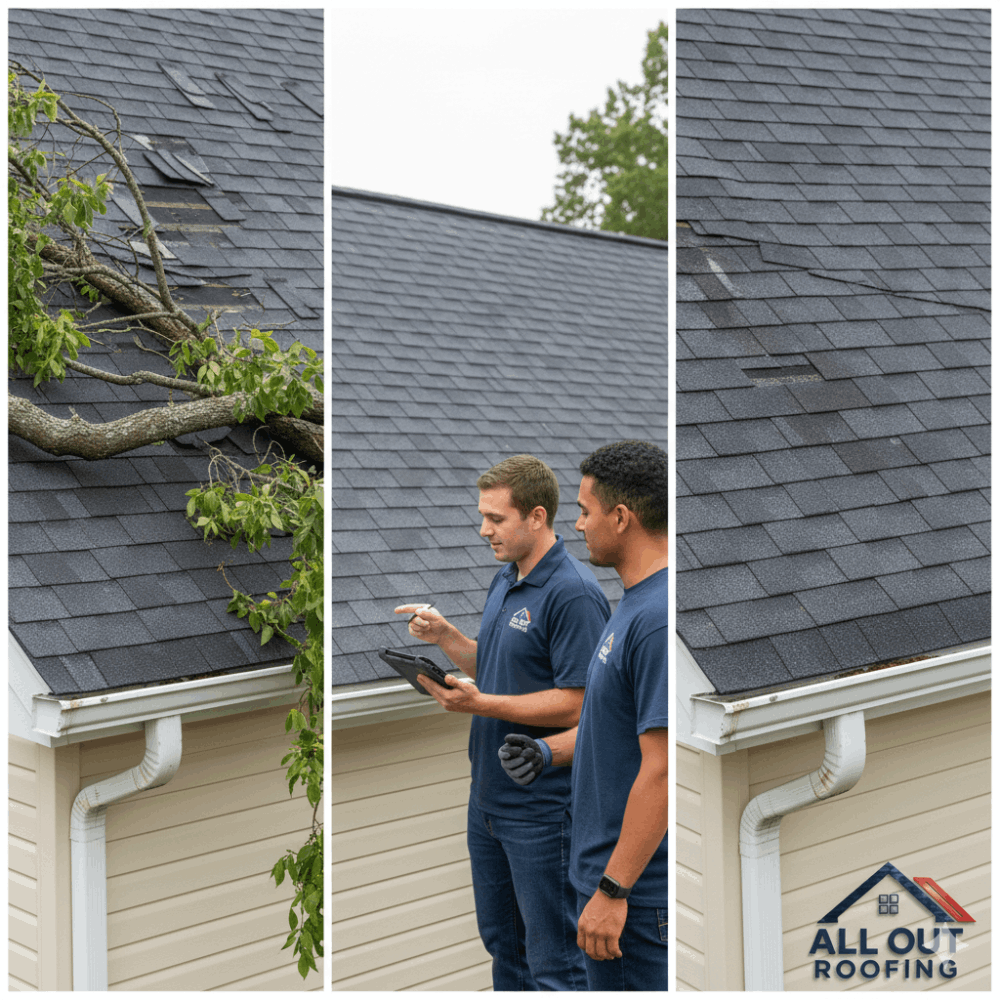
One of the most common roofing issues that begins quietly is a loose or lifted shingle. After wind moves through the area, a shingle may not blow off completely. Instead, it may lift slightly, lose its seal, or become partially detached at one edge. From the ground, the roof can still look mostly normal. The homeowner may not notice any change at all.
But once a shingle has loosened, it becomes far more vulnerable during the next weather event. Wind can get underneath it more easily. Rain can reach the layers below. Surrounding shingles can begin to shift as well. What started as one lifted tab can slowly turn into a broader section of roof exposure.
Loose shingles are a perfect example of why early attention matters. Replacing or resecuring a few shingles is usually much easier than dealing with moisture intrusion after the underlayment or decking has been exposed. If you notice shingles in the yard, uneven-looking roof sections, or changes after a windy storm, it is wise to schedule an inspection before the next rain arrives.
Minor Flashing Problems Around Roof Details
Flashing protects some of the most vulnerable parts of a roof. It is installed around chimneys, skylights, vent pipes, valleys, and roof-to-wall transitions to help direct water away from openings. When flashing begins to loosen, rust, separate, or lose its seal, the problem may be very small at first. A tiny gap or lifted edge may not create an immediate interior leak. But it creates an opportunity for water to enter later.
Flashing problems are among the most common Suffolk roof repair problems because they tend to begin in subtle ways. A sealant line dries out. A metal edge pulls away slightly. A previous repair starts failing. The roof field itself may still be in decent shape, yet water begins entering through one of these detail areas.
Homeowners often do not realize the source of the issue because the leak may not appear directly below the failing flashing. Water can travel along framing or roof layers before becoming visible. That is why recurring leaks near chimneys, wall intersections, or vent penetrations should always be taken seriously, even if they seem small or occasional.
Small Leaks That Seem to Come and Go
Some of the most dangerous roof problems are the ones that appear inconsistent. A homeowner notices a ceiling stain after a heavy rain, but then the area dries and nothing happens again for a while. It becomes tempting to assume the issue was minor or has resolved itself. In reality, roof leaks almost never fix themselves.
A small leak may only show up when wind pushes rain in a certain direction or when a storm is heavy enough to overwhelm a weak point. That inconsistency can make the problem feel less urgent than it is. But every time moisture gets in, even in small amounts, it can affect decking, insulation, drywall, or framing. Over time, the damage spreads beyond the original entry point.
Minor leaks often become major repairs because homeowners wait for them to become consistent before acting. A better strategy is to treat any unexplained water stain, attic moisture, or ceiling discoloration as a roofing issue worth investigating. Even a single leak event tells you the roof may have a vulnerability.
Ventilation Trouble That Does Not Look Like Roof Damage at First
Not all roof problems begin on the exterior. Some begin in the attic. Poor ventilation is one of the most overlooked causes of long-term roofing trouble because it does not always create a dramatic visible symptom right away. Instead, it builds stress over time.
When attic ventilation is poor, heat and moisture can remain trapped beneath the roof system. In Suffolk, where humidity is already part of the climate, this matters even more. Warm, damp attic conditions can contribute to premature shingle aging, wood deterioration, mold concerns, and insulation issues. Homeowners may notice comfort problems inside the house before they realize the roof is being affected.
Early signs of ventilation-related trouble may include:
- Excessive attic heat
- Musty odors in upper areas of the home
- Damp insulation or staining on roof decking
- Uneven roof aging
- Higher cooling strain during warm months
This is one of those roofing issues that often starts small because nothing appears “broken.” But over time, poor ventilation can shorten the life of the entire roof system and make other roofing materials fail sooner.
Sealant Failure Around Penetrations
Roof penetrations such as plumbing vents, exhaust vents, and other rooftop components rely on sealants and protective boots to stay watertight. These materials do not last forever. Sun exposure, weather shifts, and moisture gradually wear them down. A small crack in sealant or a split in a vent boot might not seem like a major issue, but it creates a direct path for water.
Because these problem areas are small, they are easy to ignore. Yet they are also some of the most common sources of leaks. Water entering around a vent pipe can affect a surprisingly wide area before becoming visible inside the home. What begins as a minor repair can quickly turn into decking replacement or interior ceiling damage if left unaddressed.
Among all Suffolk roof repair problems, this is one of the best examples of how a small weakness in a detail area can do outsized damage over time.
Granule Loss That Signals Aging Shingles
Asphalt shingles are designed with protective granules that help them resist sunlight and weather. Over time, all shingle roofs lose some granules. But when granule loss becomes more noticeable, it can be an early sign that the roof is aging into a more vulnerable stage.
Homeowners often first notice this in gutters or downspouts, where granules collect like coarse dark sand. The presence of granules alone is not always cause for alarm, but heavier accumulation may mean the shingles are losing part of their protective surface. Once that happens, shingles often become more brittle, more prone to cracking, and less able to stand up to severe weather.
Granule loss is a small sign with important meaning. It may not require immediate full roof replacement, but it does suggest that the roof should be evaluated more carefully, especially if other signs of wear are also present.
Drainage Problems at Gutters and Roof Edges
Water needs to move off the roof efficiently. When gutters are clogged, loose, or overflowing, that process breaks down. A homeowner might think of a gutter issue as separate from the roof, but poor drainage is often the beginning of roof damage. Water that backs up at the roof edge can work its way under shingles, soak fascia boards, and create moisture problems near eaves and soffits.
This kind of issue often starts with something as small as leaves, twigs, or roof granules blocking water flow. Then, during a heavy rain, the backup becomes visible. If the problem repeats through multiple storms, the roof edge starts wearing out long before it should.
Common drainage-related warning signs include:
- Overflowing gutters during rain
- Sagging gutter sections
- Water staining along fascia boards
- Debris buildup in valleys or downspouts
- Pooled water near the roofline after storms
These are easy problems to dismiss because they do not always look like roof damage yet. But given enough time, they often become exactly that.
Storm Debris and Small Impact Damage
After storms, homeowners usually look for dramatic damage. But a roof does not need a large fallen tree limb to be affected. Small branches, scraping contact, and debris impact can damage shingles, displace flashing, or weaken roof accessories without leaving an obvious hole.
A branch that grazes the roof may create a bruise or scrape that allows faster deterioration later. A piece of wind-driven debris may loosen a section of ridge cap or bend a flashing edge just enough to create a future leak path. These kinds of problems often start small because the damage does not look urgent from the yard.
This is why a post-storm inspection is so valuable. Storm-related wear that seems minor today can become the reason a leak appears months later during the next heavy rain.
Attic Moisture Before Interior Ceiling Damage Appears
Many roof-related problems become visible in the attic before they show up in finished living spaces. A little damp insulation, darkened roof decking, or a faint musty smell may be the earliest indication that moisture is entering the system somewhere. Homeowners who never check the attic may miss this phase entirely and only discover the problem after a visible ceiling stain appears indoors.
That is why attic conditions can tell an important story. Small signs in the attic often mean the roof issue is still in an earlier stage, when repairs may be simpler and damage more limited. Once moisture moves beyond the attic and reaches drywall, paint, and living spaces, the repair picture becomes more complicated.
If you have had recent storms, own an older roof, or suspect a small leak, checking the attic safely or having it professionally evaluated can help catch problems while they are still easier to contain.
Why Homeowners Delay Small Roof Repairs
One reason these issues grow is simple: they do not feel urgent in the beginning. A roof is out of sight. The home is still dry. The symptom is small. Many homeowners assume they are being practical by waiting. But roofing rarely rewards delay. Small problems are exactly the ones that respond best to fast action.
Homeowners often delay for understandable reasons:
- The issue looks cosmetic, not structural
- The leak happened only once
- The roof still looks mostly normal from the ground
- Life gets busy and the problem slips down the priority list
But each delay gives weather more time to work on the weakness. What could have been a straightforward repair becomes a broader roofing and moisture problem. The lesson is not to panic over every imperfection. It is to recognize that small roofing symptoms are usually worth professional evaluation sooner rather than later.
What Homeowners Should Do When Small Problems Appear
The most practical response is not to guess. It is to document what you notice and schedule a professional inspection. Take photos of visible changes, such as lifted shingles, water stains, gutter overflow, or debris on the roof. Note when the issue first appeared and whether it seems connected to specific weather conditions. This gives a roofing contractor better context and helps clarify whether the problem is isolated or part of a broader pattern.
A professional can determine whether the issue needs a simple repair, preventive maintenance, or a more detailed review of the entire roofing system. That kind of clarity protects homeowners from both overreacting and underreacting.
Final Thoughts on Suffolk Roof Repair Problems
Many Suffolk roof repair problems begin quietly. Loose shingles, flashing separation, minor leaks, ventilation trouble, granule loss, and drainage issues all tend to start small enough that a homeowner could easily ignore them. But those are often the exact problems that grow into larger repairs when they are left in place through more heat, more humidity, and more storms.
The good news is that early attention changes the outcome. When homeowners respond to first signs instead of waiting for major interior damage, repairs are often simpler, more affordable, and less disruptive. A roof does not need to be perfect to protect a home well, but it does need timely care when the early warning signs appear.
For homeowners in Suffolk, Virginia Beach, and surrounding areas, the smartest roofing strategy is a practical one: respect the small signs, schedule inspections when something changes, and address problems before they spread. That approach protects not only the roof, but the home, budget, and peace of mind beneath it as well.