Should You Repair or Replace an Aging Roof in Portsmouth?
Compare repair and replacement options for an aging roof in Portsmouth based on condition, cost, leak history, and future reliability.
For many homeowners, one of the hardest roofing decisions is not whether the roof has a problem. It is deciding what to do about it. Once a roof begins showing its age, the question becomes practical very quickly: should you keep repairing it, or is it time to replace it? That is exactly why so many homeowners start asking whether they should repair or replace an aging roof in Portsmouth.
It is an important question because roofing decisions affect far more than the surface of the home. The roof protects the structure, insulation, drywall, attic framing, and interior comfort of the entire property. When it begins to decline, the consequences do not stay outside for long. A small leak can spread into the attic. Missing shingles can expose the roof deck. Flashing failure can let water into walls and ceilings. And when the roof is already older, those issues can build on each other faster than homeowners expect.
In Portsmouth, this decision carries even more weight because local roofs deal with a climate that is not especially forgiving. Heavy rain, strong wind, humidity, summer heat, and seasonal storms all place steady pressure on roofing materials. A roof that might still get by for a little longer in a milder climate may become a much bigger risk in coastal Virginia. That does not mean every aging roof needs immediate replacement. It does mean the decision should be made carefully, with a full understanding of the roof’s condition, leak history, overall cost picture, and how reliable the system is likely to be in the years ahead.
The good news is that this is not a guesswork decision when approached the right way. In some cases, repair is absolutely the smart move. In other cases, replacement is the more practical and cost-effective answer, even if it feels like the bigger step upfront. The key is understanding how to evaluate the roof as a system rather than focusing only on one visible symptom at a time.
Why Aging Roofs Create Harder Decisions Than Newer Roofs
A newer roof with one isolated problem is usually easier to assess. If a storm damages a small section, or if one flashing detail fails, repair often makes sense because the rest of the roof still has strong remaining life. An aging roof is different. When a roof gets older, every new issue has to be judged in the context of the full system, not just the immediate repair area.
That is what makes the question of whether to repair or replace an aging roof in Portsmouth more complicated than a simple repair estimate. The missing shingles, leak, or flashing problem you see today may be repairable on its own. But if the rest of the roof is also brittle, worn, and approaching the end of its useful life, that repair may only buy a small amount of time before the next issue appears.
Older roofs often have less margin for error. Shingles may have lost flexibility. Granules may be wearing away. Flashing may be rusting or separating. Sealants may be drying out. Vent boots may be cracking. In that condition, one “small” issue is sometimes just the first visible sign that the system as a whole is becoming less dependable.
Start With Overall Condition, Not Just the Most Visible Problem
One of the biggest mistakes homeowners make is focusing only on the most obvious symptom. A stain appears on the ceiling, so the entire decision becomes about the leak. A few shingles blow off, so the entire conversation becomes about replacing those shingles. But roofing decisions are strongest when they are based on the overall condition of the roof, not just the latest visible problem.
If the roof is aging, it is worth asking broader questions. How do the shingles look across all roof sections? Is granule loss widespread? Are multiple flashing areas showing wear? Has the roof needed repairs more than once recently? Is the attic showing moisture or ventilation-related stress? Are there any signs of soft decking, sagging, or uneven rooflines?
This larger view matters because the roof works as a system. A repair might solve one immediate problem while leaving three others ready to surface soon after. On the other hand, if the roof still looks strong overall and the issue is truly localized, repair can be a smart and efficient choice. The point is that the decision should come from system condition, not just one symptom.
When Repair Often Makes More Sense
Repair is often the better choice when the roof still has useful life left and the problem is limited in scope. Homeowners sometimes assume an aging roof automatically needs replacement, but that is not always true. A roof can be older and still structurally dependable enough that a focused repair makes sense.
Repair may be the better option when:
- The damage is isolated to one section of the roof
- The shingles still have solid remaining life overall
- The leak appears to come from one identifiable issue, such as flashing or a vent boot
- The roof has not had repeated leak problems in different areas
- The decking and structural support beneath the roof remain sound
- The homeowner needs to preserve time before planning a future replacement
For example, if an older roof has one flashing failure around a chimney but the surrounding materials remain in good condition, repairing that detail can be a practical choice. The same may be true for a few wind-damaged shingles on a roof that is otherwise aging normally without widespread failure.
In those situations, repair gives the homeowner value by extending roof life without forcing a major project before it is truly necessary.
When Replacement Often Makes More Sense
Replacement usually makes more sense when the roof is no longer just dealing with one issue. Instead, it is showing a pattern of aging and decline across multiple areas. This is especially true when repairs have become recurring rather than occasional.
Replacement may be the better choice when:
- The roof is near or beyond its expected lifespan
- Leaks have occurred in more than one place
- Shingle wear is widespread, including curling, cracking, or heavy granule loss
- Storm damage has affected several sections of the roof
- Decking or structural materials are beginning to soften or deteriorate
- Past repairs are no longer solving the problem for long
- The homeowner wants stronger long-term reliability instead of repeated short-term fixes
When these conditions are present, replacement is often not the more expensive choice in the long run. It can actually be the more efficient choice because it ends the cycle of patching one part of a failing system while other weak points continue to emerge.
Homeowners often resist replacement because the upfront investment is larger. That reaction is understandable. But if the roof is already costing money through repeated repairs, ongoing worry, and rising leak risk, replacement may actually protect both the home and the budget more effectively over time.
Leak History Tells You a Lot
One of the clearest ways to evaluate an aging roof is by looking at its leak history. A roof that has had one isolated leak over many years is very different from a roof that has leaked several times in different places. Repeated leaks usually suggest that the roof is becoming less dependable overall.
This is where many Portsmouth homeowners find their answer. If the roof has had multiple repairs in recent years, especially after storms or during heavy rain, it may be telling you that it is entering a stage where reliability is becoming a larger concern. A single repair can still be made, but it may not solve the bigger issue, which is that the system no longer has much reserve strength left.
By contrast, if the roof has stayed mostly dry and dependable and the current issue is clearly isolated, repair may remain a practical solution. Leak history is important because it helps separate one-time events from broader patterns of failure.
Cost Should Be Evaluated Over Time, Not Just Today
It is natural to compare repair and replacement first by looking at today’s price. A repair almost always looks more affordable upfront. But the smarter question is whether that repair solves the problem in a way that makes financial sense over the next few years.
This is why homeowners who are deciding whether to repair or replace an aging roof in Portsmouth should think about cost in layers. There is the immediate cost of the repair or replacement. Then there is the cost of future repairs, the risk of interior water damage, the possibility of repeated service visits, and the general uncertainty of living under a roof you no longer fully trust.
A repair is often cost-effective when it meaningfully extends the roof’s useful life and keeps the home well protected. But a repair becomes more expensive in the long run when it is only temporary and followed by another repair, then another. At that point, the homeowner is paying for continuation of the problem rather than resolution of it.
Replacement, while more expensive upfront, can create long-term value by resetting the roof’s life, reducing near-term repair risk, and allowing the home to move forward with a stronger roofing system overall.
Storm Damage Can Push an Aging Roof Over the Line
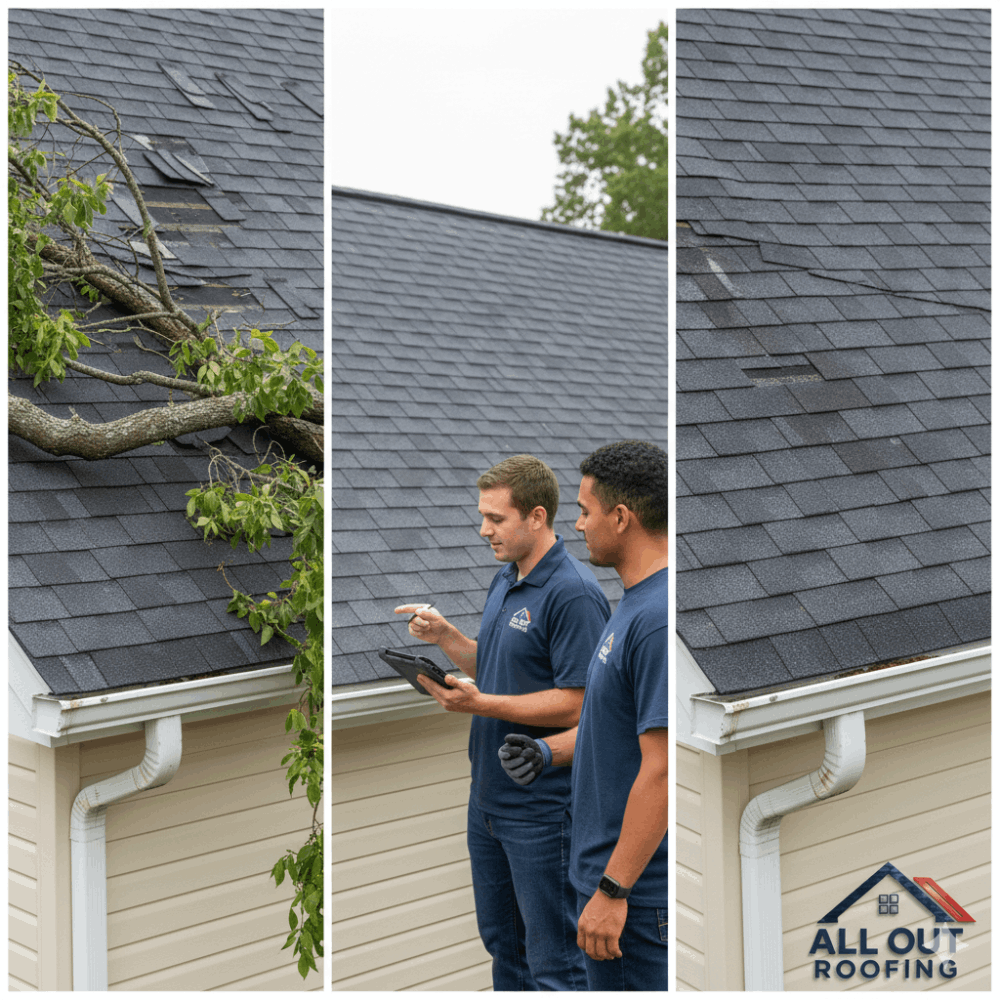
In Portsmouth, storm exposure is part of the equation. Wind, rain, and seasonal storm activity do not affect all roofs equally. A newer roof may absorb a storm event and need only minor repair. An aging roof, however, may experience that same weather as the tipping point that exposes multiple weak areas at once.
This is why a roof that seemed “okay enough” before a storm may suddenly feel much less dependable afterward. Wind may loosen more shingles than the homeowner first realizes. Flashing details may shift. Small vulnerabilities that never caused a leak before may begin letting in water under stronger rain conditions.
After storms, the question is not only what was visibly damaged. It is whether the storm exposed the roof’s broader aging condition. Sometimes the answer is still repair. Sometimes the storm simply reveals that the roof was already at the point where replacement makes more practical sense.
Reliability Matters More Than Many Homeowners Realize
One of the least discussed but most important parts of this decision is future reliability. A homeowner may be able to repair an older roof, but should they rely on it? That is a different question.
Future reliability matters because a roof is not just another home feature. It is a system that must protect the home every time it rains, every time wind rises, and every time storm season arrives. If the roof is aging to the point where every forecast creates anxiety, that is worth taking seriously.
A reliable roof provides more than dryness. It provides peace of mind. It allows the homeowner to stop managing recurring small problems and start trusting the system again. That reliability is one of the biggest reasons replacement often becomes the smarter choice even before total failure occurs.
Attic Conditions Can Reveal What the Roof Is Really Doing
When deciding between repair and replacement, the attic often tells an important part of the story. Moisture stains on decking, damp insulation, musty odors, poor ventilation, or visible daylight through the roof system can all suggest that the roof is under more stress than the exterior alone might show.
In an aging roof, attic signs matter because they show whether water or trapped moisture is already affecting the system from below. If the attic is dry, stable, and well ventilated, that supports the case for targeted repair when the problem is isolated. If the attic is showing repeated moisture issues or structural stress, that may support the case for broader roofing work.
This is one reason a full inspection matters so much. The decision should not be based only on what is visible from the yard.
Home Goals Matter Too
The right decision is not only about the roof. It is also about the homeowner’s goals. Are you planning to stay in the home for many years? Are you preparing to sell soon? Are you trying to get through one more season before budgeting for a larger project? These realities matter and should be part of the conversation.
A homeowner planning to stay long term may find replacement more attractive because it provides durable protection and reduces future disruption. A homeowner preparing to sell may choose repair if the roof remains serviceable and the issue is limited. A homeowner trying to stabilize the situation while planning financially may choose repair now with the understanding that replacement is still on the horizon.
There is no one answer that fits every homeowner. The strongest decision comes from combining the roof’s condition with the homeowner’s actual timeline and priorities.
Questions That Help Clarify the Decision
If you are unsure whether to repair or replace, a few grounded questions can help organize the decision:
- How old is the roof, and how much useful life realistically remains?
- Is the current issue truly isolated, or is the roof showing wear in several places?
- How many times has the roof leaked or needed repair recently?
- Does the attic show signs of hidden moisture or ventilation trouble?
- Would a repair solve the problem meaningfully, or only buy a short amount of time?
- How confident do you feel in the roof’s ability to handle the next strong storm?
These questions help move the conversation away from emotion and toward practical evaluation.
Why a Professional Inspection Matters So Much
Aging roofs are hard to judge by sight alone. A roof may look acceptable from the ground while hiding soft decking, lifted shingles, worn flashing, or underlayment exposure. That is why homeowners should not try to make the repair-versus-replacement decision based only on a ceiling stain or a few visible shingle issues.
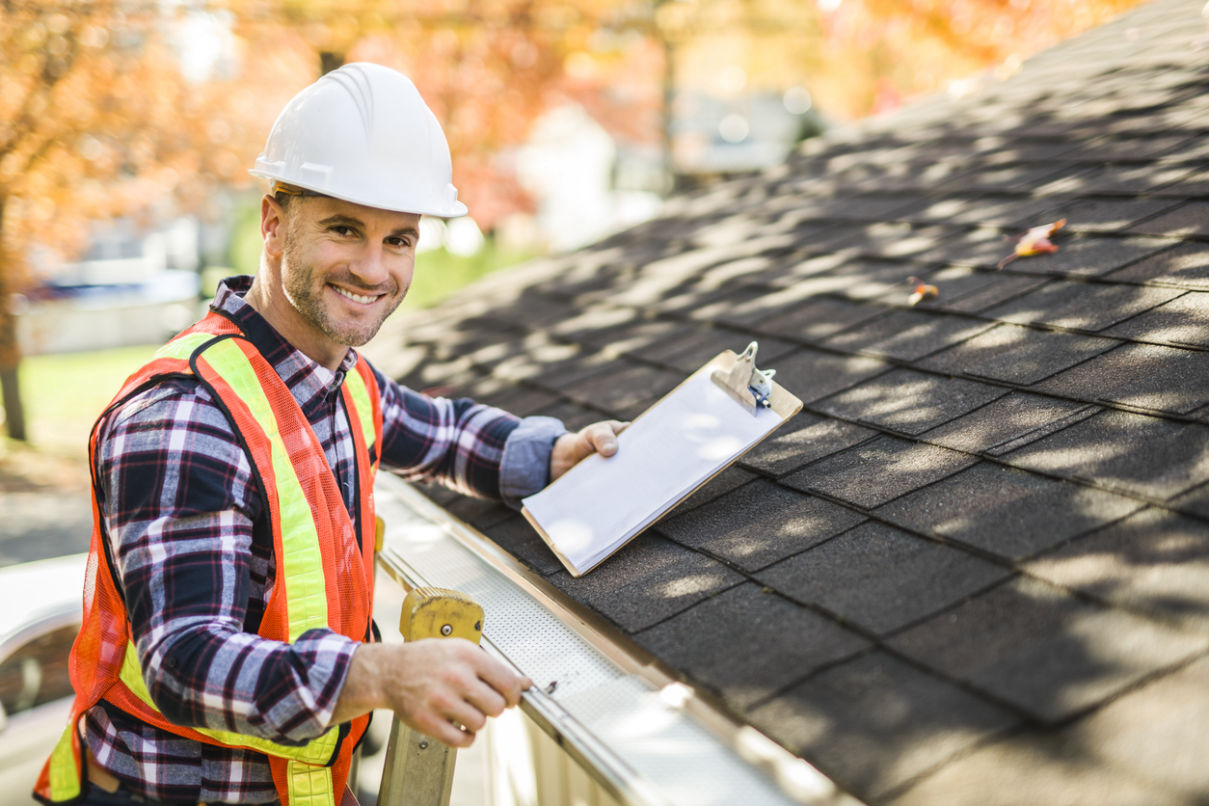
A professional roofer can evaluate the full roofing system, identify the real cause of leaks, assess the broader condition of the materials, and explain whether the roof is still a strong repair candidate or whether it is moving closer to replacement territory. That kind of clarity is what allows homeowners to make a confident decision instead of a reactive one.
Final Thoughts on Whether to Repair or Replace an Aging Roof in Portsmouth
When deciding whether to repair or replace an aging roof in Portsmouth, the smartest approach is to look beyond the current symptom and evaluate the roof as a full system. Condition matters. Cost matters. Leak history matters. Future reliability matters. In some cases, repair is the right move because the problem is limited and the roof still has dependable life left. In other cases, replacement is the more practical choice because the roof is aging broadly, leaks are becoming recurring, and confidence in the system is fading.
The key is not to choose the smaller project automatically or the larger one out of fear. The key is to choose the solution that truly fits the roof you have today and the home you are trying to protect tomorrow. For many Portsmouth homeowners, that answer becomes much clearer after a thoughtful inspection and an honest conversation about what the roof is telling you now, not just what you hope it can still do.
In the end, a roof should not only be repairable. It should be dependable. When you weigh repair and replacement through that lens, the right path often becomes much easier to see.