Preparing Your Virginia Beach Roof for Hurricane and Storm Season
Use this guide to prepare your Virginia Beach roof for hurricane and storm season with inspections, repairs, and prevention-focused maintenance.

Storm season is a fact of life along the coast, and for homeowners in Hampton Roads, roofing preparation is not something to leave until the forecast turns serious. In Virginia Beach, your roof is the first line of defense against wind-driven rain, sudden gusts, flying debris, and the kind of repeated weather exposure that can turn a small weakness into a major problem. That is why it is so important to prepare your Virginia Beach roof for hurricane and storm season before the most intense weather arrives.
Many homeowners do not think much about their roof until a leak appears on the ceiling or shingles show up in the yard after a storm. But the most effective roofing strategy is preventive, not reactive. A roof that has been inspected, repaired where needed, and maintained with storm season in mind is better positioned to protect the home, reduce emergency damage, and help the homeowner feel more confident when severe weather moves through the area.
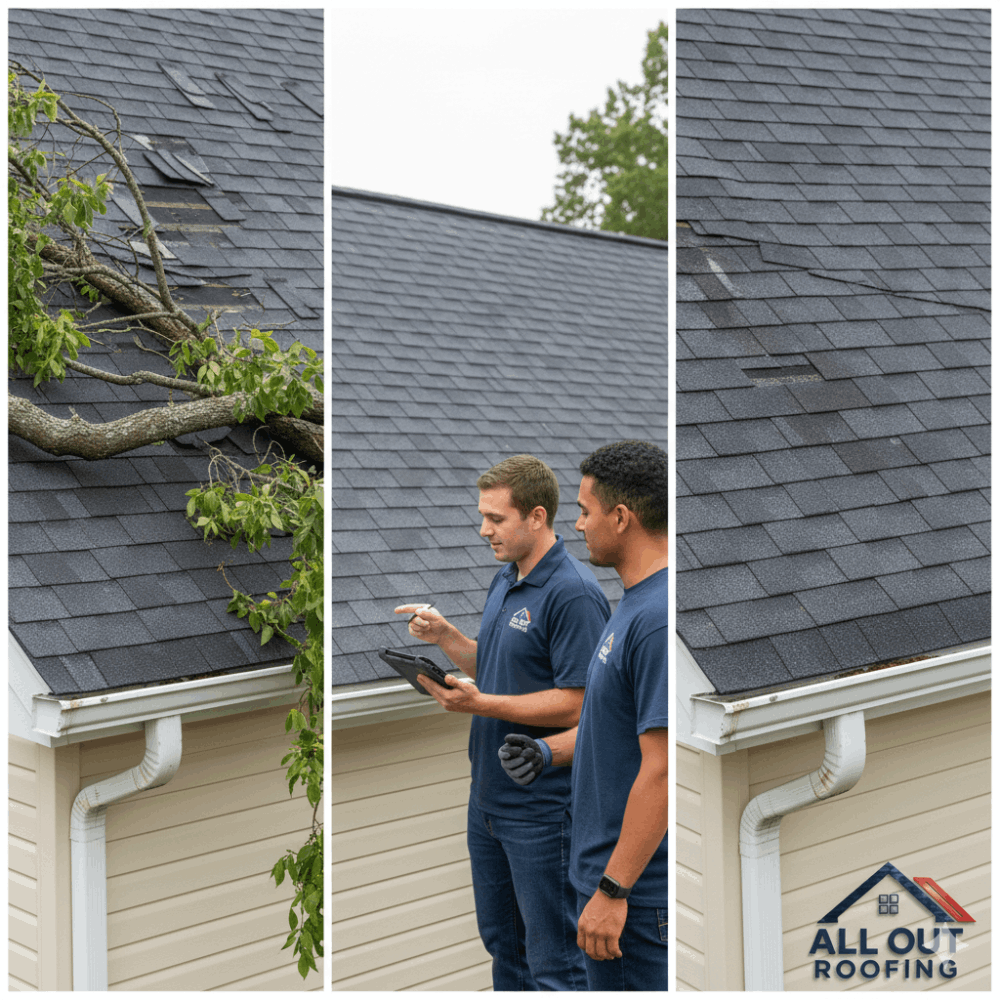
In Virginia Beach, that preparation matters because the local climate puts steady pressure on roofing systems. Strong coastal winds, humidity, heavy rain, salt-air exposure, and seasonal storms all contribute to wear over time. Even a roof that looks fine from the ground may have loose shingles, vulnerable flashing, soft decking, clogged drainage areas, or aging sealants that can fail under storm stress.
The good news is that storm preparation does not always mean a full replacement. In many cases, the right mix of inspection, repairs, cleanup, and maintenance can significantly improve how a roof performs. The key is understanding what to look for, what to address early, and when it is time to bring in a professional roofing contractor for a closer evaluation.
Why Storm Season Preparation Matters So Much in Virginia Beach
Not every part of the country faces the same roofing risks. In Virginia Beach, storm season brings a specific combination of threats that makes roof readiness especially important. Wind can lift shingles and expose underlayment. Heavy rain can find its way through weak flashing or worn seals. Debris from nearby trees can damage roof surfaces or clog drainage paths. Even if a storm does not cause visible destruction, repeated exposure can weaken an already aging roof.
That is why homeowners should think about storm preparation as a way to reduce vulnerability. Roofing problems rarely begin as dramatic failures. More often, they start small. A lifted shingle, a cracked boot around a vent pipe, a deteriorating seal at a flashing edge, or a clogged gutter can all seem minor until severe weather pushes them further. Once wind and water get involved, the damage can spread quickly.
Preparing the roof ahead of time can help prevent:
- Leaks caused by wind-driven rain
- Shingle loss during gusty weather
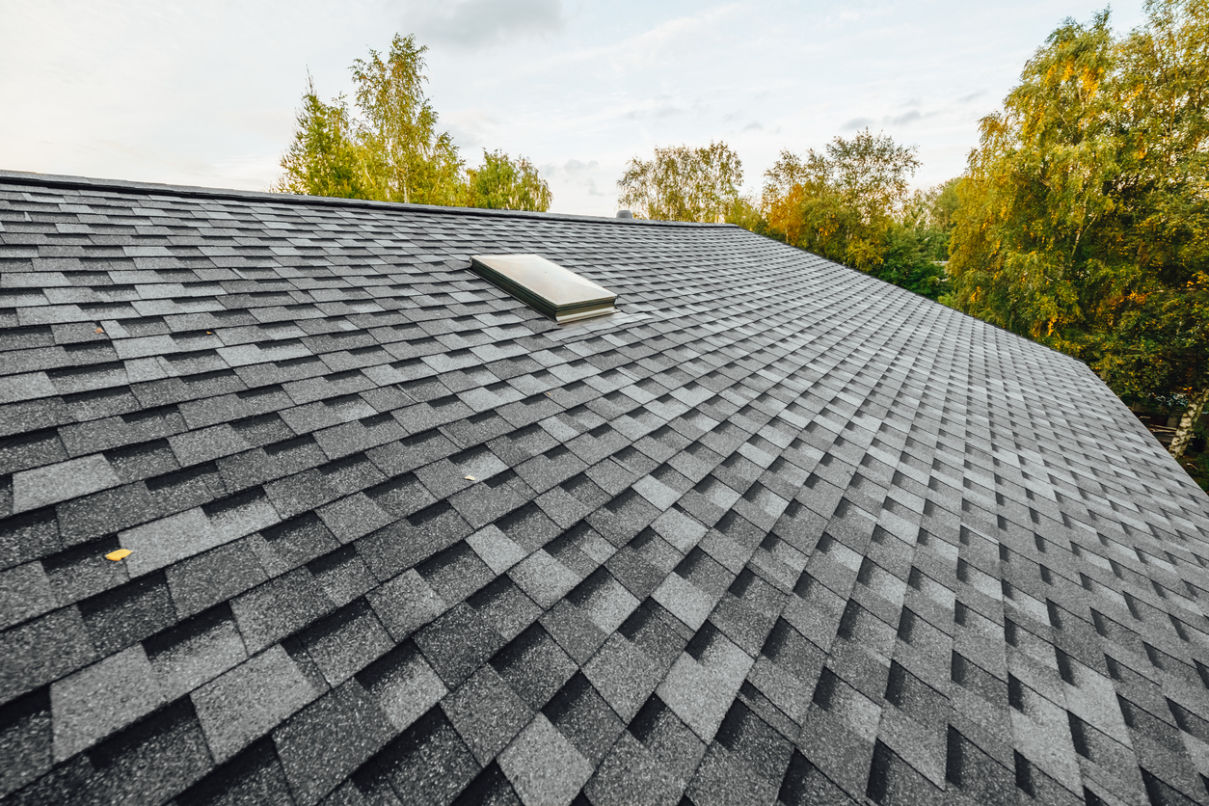
- Water intrusion around chimneys, vents, and skylights
- Gutter overflow that damages fascia and soffits
- Interior ceiling damage, insulation issues, and mold risk
Storm preparation is not about making a roof invincible. It is about improving its ability to perform under pressure and lowering the chance that one weakness will lead to a much larger repair.
Start With a Professional Roof Inspection
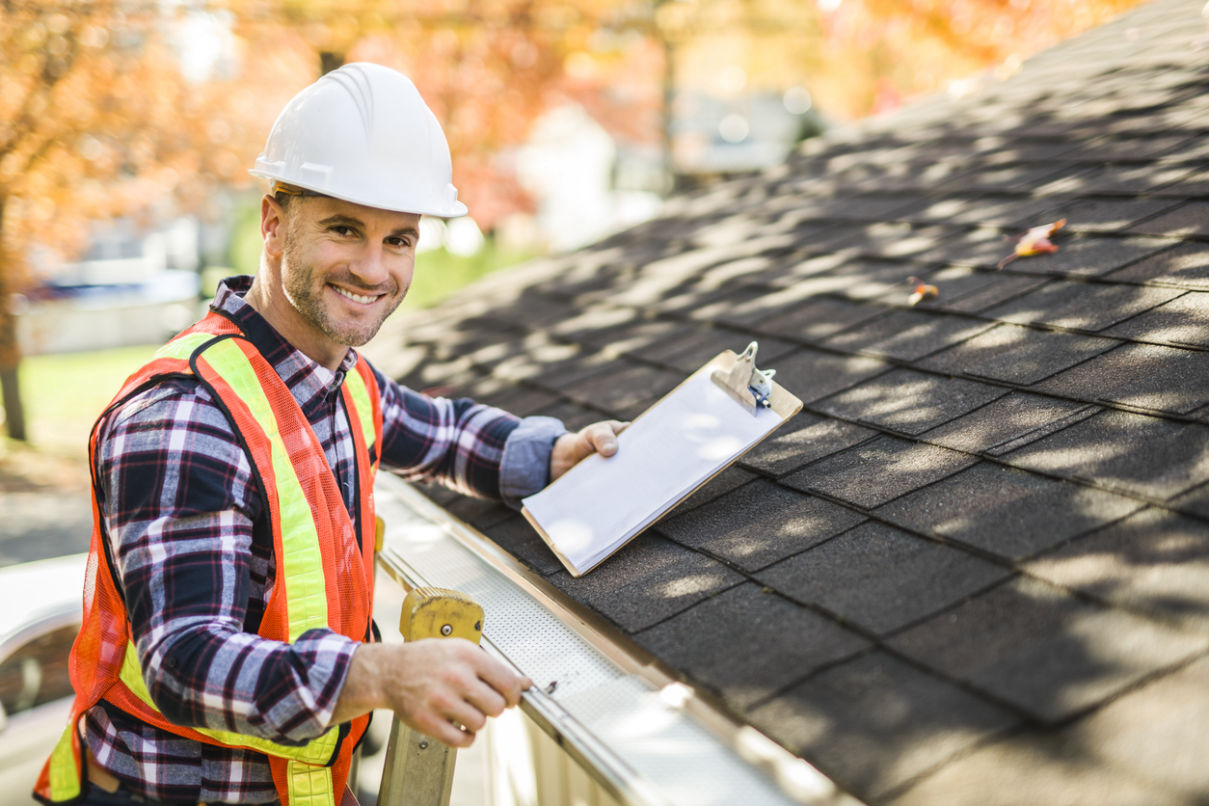
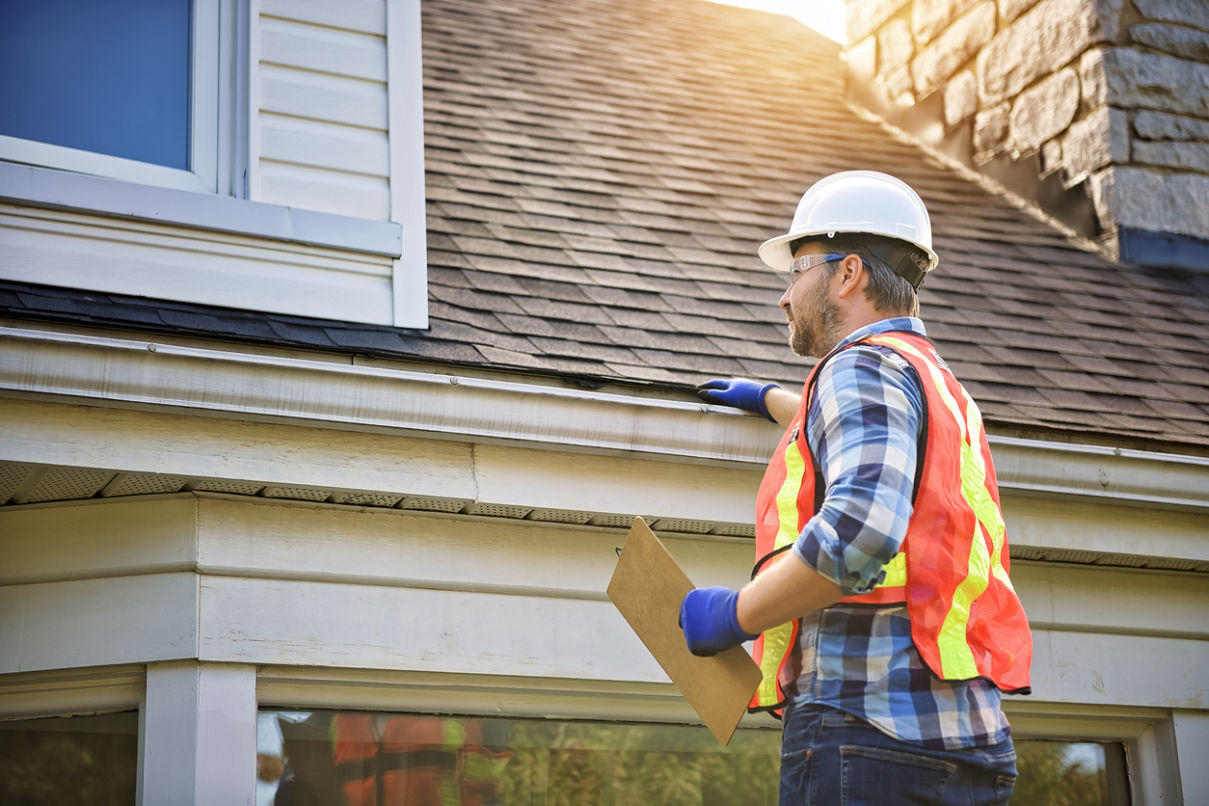
If you want to prepare your Virginia Beach roof for hurricane and storm season the right way, the best place to begin is with a professional inspection. A qualified roofing contractor can identify problems that are easy to miss from the ground and determine whether your roof is storm-ready or already showing signs of trouble.
Homeowners often assume that if the roof is not leaking now, it must be in good shape. That assumption can be expensive. Roofing systems can have hidden vulnerabilities that do not show up until the next major weather event. A professional inspection gives you a clearer picture of the roof’s actual condition and allows you to address issues before they turn urgent.
During an inspection, a contractor may check for:
- Loose, cracked, curled, or missing shingles
- Damaged flashing around roof penetrations
- Weak spots in decking or roof structure
- Sealant failure around vents and edges
- Signs of previous storm damage or patchwork repairs
- Drainage issues involving gutters and roof valleys
This kind of inspection is especially important for older roofs or any roof that has already been through multiple storm seasons without recent maintenance.
Address Small Repairs Before They Become Storm Damage
One of the most important parts of storm preparation is taking care of smaller roofing problems early. A minor issue on a calm day often becomes a much bigger issue during high winds and heavy rain. What might have been a straightforward repair in spring can become an emergency service call in the middle of storm season.
Loose shingles are a good example. A single lifted shingle may not seem urgent, but once wind gets under it, surrounding shingles can loosen as well. The exposed area beneath becomes more vulnerable to rain, and the damage can spread fast. The same is true for small flashing gaps or sealant cracks around roof penetrations. Those weak points can let water in even if the rest of the roof is still in decent condition.
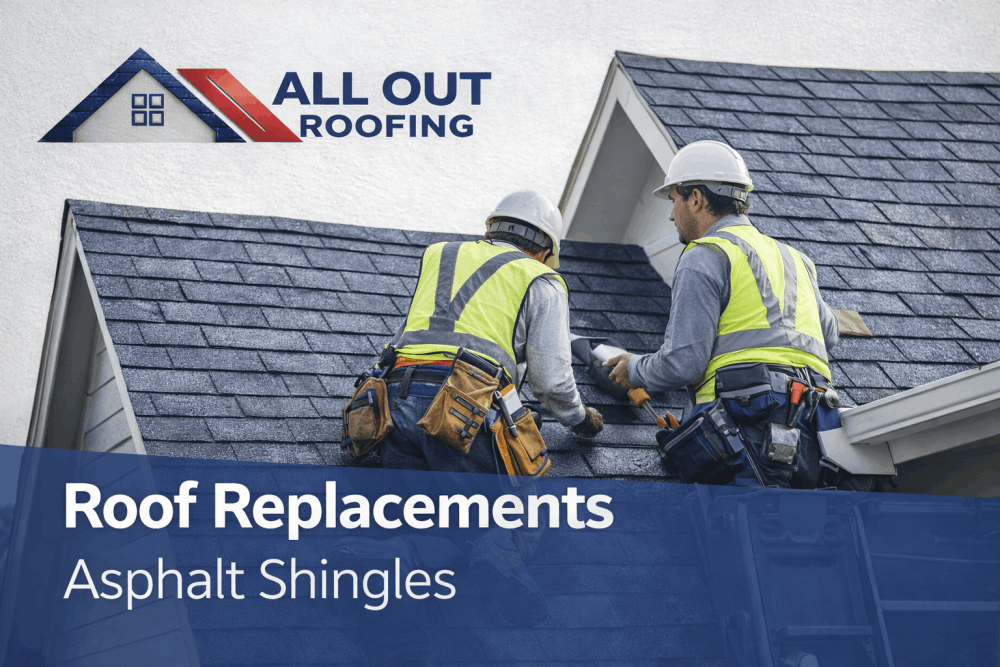
Storm season preparation often involves practical, targeted repairs such as replacing damaged shingles, resealing flashing areas, reinforcing vulnerable edges, and correcting drainage issues. These are not glamorous improvements, but they are the kind that protect the home when the weather gets serious.
Pay Close Attention to Flashing and Roof Penetrations
When homeowners think about roofs, they usually think about shingles first. But many leaks begin at transitions and penetrations rather than on open roof fields. Flashing around chimneys, vents, skylights, valleys, and wall connections is often one of the most vulnerable parts of the system, especially during storm season.
In Virginia Beach, wind-driven rain can exploit even small weaknesses in flashing installation or sealant condition. If the flashing is loose, rusted, improperly integrated, or pulling away from the surface, water can enter around those details long before it gets through the main roof covering.
This is one reason professional maintenance matters so much. Flashing problems can be subtle, and they are easy to overlook during a casual visual check. If your roof has multiple penetrations or older flashing materials, it is worth having those areas reviewed before the season intensifies.
Clean Gutters and Improve Drainage
One of the simplest and most overlooked ways to prepare a roof for storm season is to make sure water can drain off the home properly. Gutters, downspouts, roof valleys, and drainage paths all play a major role in how the roof system handles intense rain. If those areas are clogged or restricted, water can back up under shingles, overflow at the edges, and cause damage to fascia, soffits, siding, and even the foundation.
Leaves, pine needles, branches, and roof granules can all build up over time, especially if the property has surrounding trees. During a major storm, that buildup can turn into an obstruction that keeps water from moving where it should.
Homeowners should make sure:
- Gutters are cleaned out and securely attached
- Downspouts are clear and draining away from the house
- Roof valleys are free of debris
- Splash zones and drainage paths are not blocked
Good drainage does more than prevent inconvenience. It reduces water pressure on vulnerable roofing areas and helps the whole system perform the way it was designed to during heavy rainfall.
Trim Back Trees and Remove Nearby Hazards
Storm preparation extends beyond the roof surface itself. Trees and loose exterior elements around the home can become roofing hazards when wind speeds rise. Overhanging branches may scrape roofing materials, break off during a storm, or drop debris that damages shingles and flashing. Even smaller limbs can clog drainage systems quickly when rain and wind push them across the roof.
Before hurricane and storm season, it is wise to look at the areas surrounding the home and reduce obvious risks. Trimming back branches that hang near the roofline can lower the chance of impact damage and reduce the amount of storm debris landing on the roof. Homeowners should also secure loose yard items, inspect fencing and exterior attachments, and stay aware of any tree limbs that could fall under stress.
This kind of preparation helps protect not only the roof, but also windows, siding, gutters, and nearby structures.
Check the Attic as Part of Roof Preparation
Storm readiness is not just about what you see outside. The attic can reveal early signs that the roof is already under stress. Moisture stains, damp insulation, musty odors, mold growth, or visible daylight coming through roof boards can all point to problems that should be addressed before severe weather arrives.
The attic also plays a role in ventilation and moisture control. A poorly ventilated attic can contribute to heat and moisture buildup, which may affect roof performance over time. While ventilation problems do not always show up dramatically during a storm, they can weaken the system gradually and reduce the roof’s overall resilience.
A pre-season roof evaluation should include attention to attic conditions, especially if the home has had past leaks, high indoor humidity, or a roof that is several years old.
Know When Maintenance Is Not Enough
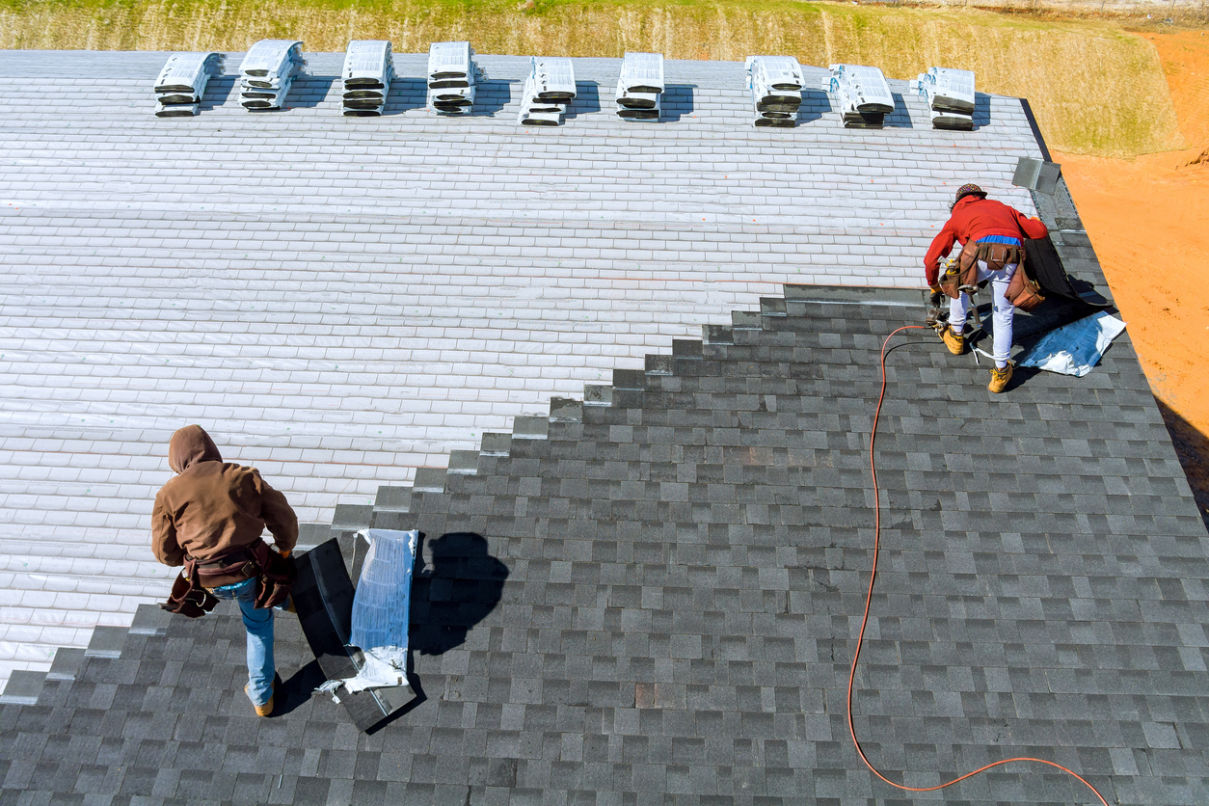
Maintenance and repairs can go a long way, but not every roof can be saved with tune-ups alone. If the roof is aging, has widespread damage, has experienced repeated leaks, or shows structural weakness, storm-season preparation may mean having a serious conversation about replacement rather than patching.
This is not always what homeowners want to hear, but honesty matters. An old roof with failing areas across multiple sections may not respond well to piecemeal repairs. In that situation, spending money on repeated fixes may offer only temporary relief while the risk remains high.
Signs that a roof may need more than maintenance include:
- Widespread shingle deterioration
- Recurring leaks in different areas
- Sagging roof lines or soft decking
- Significant granule loss
- Storm damage layered on top of existing wear
For homeowners in Virginia Beach, the right decision is not always the cheapest short-term option. Sometimes the most practical move is to replace a failing roof before storm season turns a manageable project into a much larger loss.
Create a Roofing Record Before the Season Starts
Another smart step in storm preparation is documenting the current condition of the roof. This may seem minor, but it can be useful if storm damage occurs later. Clear photos of the roof, gutters, flashing areas, and exterior elevations can help show pre-storm condition and support insurance conversations if needed.
Homeowners should also keep records of recent inspections, repairs, invoices, and contractor recommendations. If a storm causes damage, having organized information can make the next steps feel less overwhelming. You will know what work was previously done, what materials are on the roof, and which areas may have already been identified as vulnerable.
What to Do After a Storm Passes
Storm preparation and post-storm action go hand in hand. Once severe weather passes, homeowners should avoid climbing onto the roof themselves, especially if surfaces are wet or damage is suspected. Instead, start with a safe ground-level review. Look for missing shingles, bent flashing, fallen branches, displaced gutters, debris impact, or interior signs of water intrusion.
Even if there is no dramatic visible damage, it is wise to schedule a professional inspection after a major weather event if the storm brought high winds or heavy rain. Some forms of damage are subtle at first but can worsen quickly if left unaddressed.
Fast action after a storm can help reduce secondary damage, especially if water has entered the home or if exposed roofing materials need temporary protection until full repairs can be made.
Why Local Roofing Experience Matters
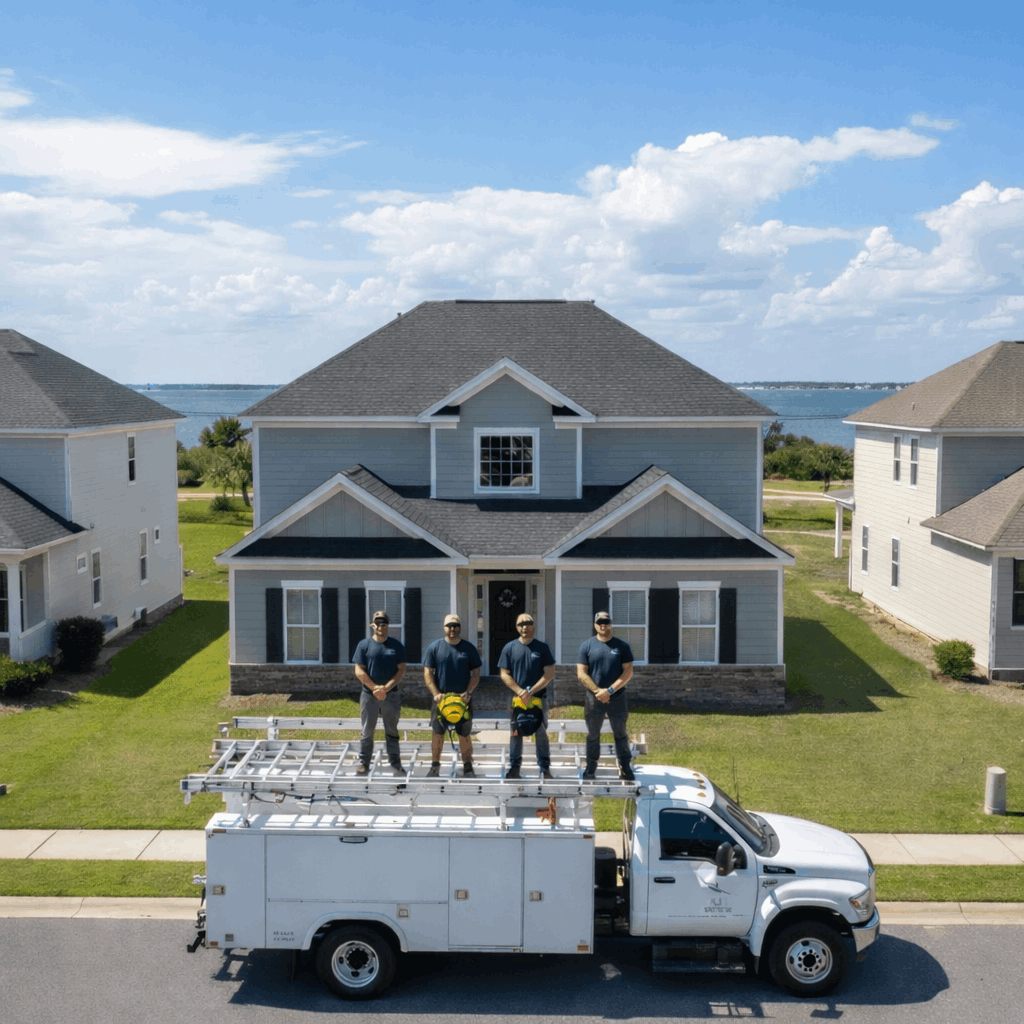
Preparing for storm season is not just about generic roofing advice. Coastal conditions require local knowledge. A roofing company that understands Virginia Beach weather patterns, common storm-related failure points, and the demands placed on homes in this area can provide more useful guidance than a one-size-fits-all approach.
Local experience matters when assessing wind exposure, drainage patterns, flashing needs, and the cumulative effect of repeated storm seasons. Homeowners benefit from working with contractors who know what roofing systems in this region tend to face and how to prioritize repairs and maintenance accordingly.
Final Thoughts on Storm Season Roof Preparation
If you want to prepare your Virginia Beach roof for hurricane and storm season, the best approach is to act before the forecast becomes urgent. A professional inspection, timely repairs, cleaned gutters, trimmed trees, documented roof condition, and honest assessment of the roof’s age and performance can all make a meaningful difference. These steps help reduce risk, protect the home, and support a faster response if bad weather does cause damage.
Storm season preparation is ultimately about control. You cannot control coastal weather, but you can control how ready your roof is to handle it. A strong preventive plan gives you a better chance of avoiding emergency surprises and helps your roof do the job it was built to do: protect your home when conditions are at their worst.
For homeowners in Virginia Beach, the smartest time to think about roofing is before the wind rises and the rain starts. With the right inspection, maintenance, and professional guidance, you can head into hurricane and storm season with greater confidence and a roof that is better prepared for whatever the season brings.