Portsmouth Roof Repair Warning Signs Every Homeowner Should Know
Learn the roof repair warning signs Portsmouth homeowners should watch for, including granule loss, curling shingles, leaks, and visible sagging.

A roof rarely fails all at once. Most of the time, it gives homeowners plenty of warning before a major problem develops. The challenge is that those warnings are easy to miss when life gets busy. A few shingle granules in the gutter may not seem important. A small water stain in the attic may feel like something to check later. A slight dip in the roofline may go unnoticed for months. But in a coastal region like Portsmouth, where roofs deal with humidity, heavy rain, strong winds, and seasonal storms, small signs often grow into bigger repair needs faster than homeowners expect. That is why understanding Portsmouth roof repair warning signs is one of the most practical steps you can take to protect your home.
Most homeowners do not climb onto their roof regularly, and they should not have to. But knowing what warning signs matter makes it easier to recognize when a professional inspection is worth scheduling. The goal is not to create alarm over every minor imperfection. The goal is to catch developing roof problems before they turn into interior water damage, structural deterioration, insulation issues, or expensive emergency repairs.
In Portsmouth, roofing issues are often shaped by a mix of age and weather. Roofs endure long periods of sun exposure, moisture-heavy air, storm-driven rain, and changing temperatures throughout the year. Over time, shingles can weaken, flashing can separate, sealants can crack, and hidden moisture can begin working its way into the system. By the time a leak becomes obvious inside the home, the problem may already be more advanced than it first appears.
That is why homeowners benefit from learning the signs early. When you understand what your roof may be trying to tell you, you can make better decisions, avoid unnecessary delays, and keep smaller repairs from becoming larger projects.
Why Early Roof Warning Signs Matter
A roof is not just a covering on top of the house. It is a system that protects the entire structure beneath it. When one part of that system begins to fail, the effects can spread. Water may reach roof decking, attic insulation, drywall, framing, paint, or even electrical areas. A roofing issue that would have been manageable when first noticed can become much more expensive once moisture enters the home.
This is why Portsmouth roof repair warning signs matter so much. They give homeowners a chance to respond while they still have options. A localized shingle repair is very different from replacing rotted decking. Resealing a flashing area is much easier than dealing with repeated attic moisture and mold concerns. In many cases, the real value of a roof inspection is not just confirming damage. It is catching damage early enough to keep it contained.
Warning signs are not something to ignore until the next season. In Portsmouth, where weather exposure can be steady and coastal moisture adds pressure to roofing systems, small weaknesses rarely improve on their own.
Granule Loss in Gutters or Around Downspouts
One of the earliest roof repair warning signs many homeowners notice is granule loss. Asphalt shingles are coated with protective granules that help shield them from sunlight, weather exposure, and normal wear. Over time, some granule loss is expected, especially as a roof ages. But when granules begin collecting heavily in gutters, downspouts, or at the base of drainage outlets, it may indicate that the shingles are wearing down faster than they should.
Granule loss matters because it is often a sign that the shingles are becoming more vulnerable. As granules wear away, the shingle surface loses some of its protective layer. That can lead to faster aging, increased brittleness, and a greater chance of cracking or deterioration during storms and temperature shifts.
Homeowners may notice this sign while cleaning gutters or after heavy rain. The granules usually look like coarse, dark sand. A small amount is not unusual, especially on a newer roof settling in or an older roof approaching the end of its life. But significant buildup deserves attention, particularly if it is happening alongside other signs of roof wear.
Curling, Cracking, or Buckling Shingles
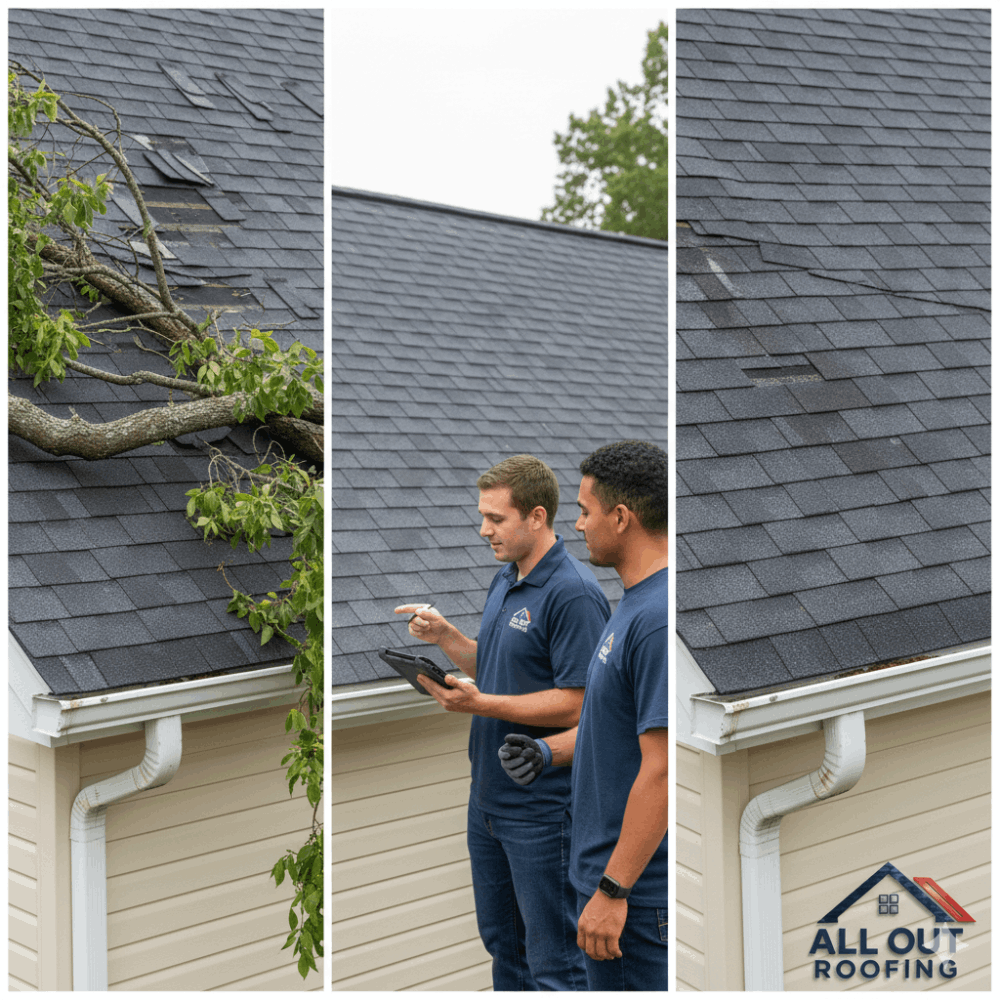
Shingles should sit flat and secure against the roof. When they begin curling at the edges, cracking across the surface, or buckling in a way that makes the roofline look uneven, that is a strong sign the roof may need repair. These kinds of changes often happen gradually, which is why they are easy to miss unless homeowners make a habit of looking up at the roof from different angles around the property.
Curling shingles may indicate age, weather fatigue, moisture issues, or poor attic ventilation. Cracked shingles are often more vulnerable to wind-driven rain and storm damage because the surface has already weakened. Buckling can suggest trapped moisture, installation issues, or movement in the roofing layers beneath the shingles.
These signs matter because damaged shingles do not protect the roof evenly. Once one area becomes compromised, neighboring shingles may follow. Wind can get underneath weakened sections more easily, and water can begin reaching the underlayment or decking below.
Common visible signs include:
- Shingle corners lifting upward
- Edges that appear curled or warped
- Visible cracks across shingle tabs
- Raised or uneven sections across roof planes
Even if the roof is not actively leaking yet, these symptoms suggest the material is aging or under stress and should be evaluated professionally.
Missing Shingles or Loose Roof Sections
After strong wind or heavy storms, missing shingles are one of the most obvious warning signs that roof repair may be needed. But even when shingles are not completely gone, they may still be loose, lifted, or partially detached. That kind of damage is sometimes harder to see from the ground, especially on steeper roofs or shaded areas.
When shingles go missing, the roof’s protective layers become exposed. Even a single missing section can create a vulnerability that allows water to enter during the next rain event. Loose shingles can be just as concerning because they often signal that surrounding shingles may also have weakened seals or fastening points.
Portsmouth homeowners should be especially alert after storms. Wind damage does not always look dramatic at first. A roof can lose only a few shingles and still face a meaningful leak risk if those missing areas expose vulnerable sections beneath.
Water Stains on Ceilings or Walls
Interior water stains are one of the clearest signs that the roof may already be letting moisture into the home. Brown or yellow discoloration on ceilings, upper walls, or around corners near the roofline should never be ignored. These stains often appear after rainfall, but the actual roof damage may have been present for some time before the stain became visible.
One important thing homeowners should understand is that the stain you see inside is not always located directly below the source of the leak. Water can travel along framing or roofing layers before it becomes visible indoors. That is why it is risky to assume the roof problem is small just because the stain appears limited.
Water stains can signal a range of issues, including damaged flashing, failed sealants, missing shingles, roof penetration problems, or underlayment deterioration. Whatever the cause, once water reaches interior surfaces, the roof issue has already moved beyond the exterior alone.
Signs related to water intrusion may include:
- Ceiling discoloration
- Peeling paint near upper walls
- Bubbling drywall texture
- Damp attic insulation
- Musty smells after rain
These are not signs to monitor casually. They are signs to investigate quickly.
Leaks Around Chimneys, Vents, and Flashing Areas
Not every roof leak comes from the middle of the roof field. In fact, many leaks begin around transitions and penetrations. Chimneys, plumbing vents, skylights, roof-to-wall connections, and valleys are all areas where flashing and sealants play a critical role. When those components begin to fail, water can enter even if the shingles themselves still look relatively intact.
This is why flashing issues are among the most common Portsmouth roof repair warning signs. Flashing can loosen, rust, separate, or lose its seal over time. Coastal humidity, rain, and temperature changes all contribute to wear. Once a flashing edge opens up, water often finds it quickly.
Homeowners may not notice a flashing problem directly, but they may notice symptoms that point to one, such as recurring leaks in the same area, moisture near fireplaces, staining near vent pipes, or drips that appear after wind-driven rain. Because these areas are detail-sensitive, repairs should be done carefully and professionally rather than with temporary patchwork alone.
Visible Sagging or Uneven Rooflines
A roof should look straight, stable, and consistent. If you begin to notice a dip, sag, or visibly uneven section, that is a more serious warning sign. Sagging may indicate trapped moisture, deteriorated decking, structural weakness, or long-term water damage that has affected the material beneath the surface.
This type of issue does not always mean the entire roof is failing, but it does require prompt professional attention. A sagging area suggests that the problem may extend deeper than the surface shingles. In some cases, what looks like a small low spot from the yard turns out to involve softened wood, chronic leaks, or weakened support structures underneath.
Visible sagging is one of the warning signs homeowners should never postpone. Unlike cosmetic wear, structural changes usually mean the roof has been under stress for some time.
Moss, Algae, or Dark Streaking
Surface staining may seem like a cosmetic issue, but in a humid area like Portsmouth, it can also be a sign that the roof is retaining moisture longer than it should. Dark streaks, algae growth, and moss buildup often develop in shaded or damp areas where the roof does not dry efficiently. Over time, these conditions can contribute to faster deterioration of roofing materials.
Moss is especially problematic because it can hold moisture against the roof surface and create lifting around shingle edges. Algae staining is not always structurally harmful on its own, but it can point to an environment where moisture is lingering. And wherever moisture lingers, the roof is more likely to experience gradual wear.
If homeowners notice these issues spreading, especially in combination with aging shingles or drainage concerns, it may be time for a closer inspection rather than just surface cleaning.
Damaged or Overflowing Gutters
Gutters are part of the roof system’s drainage plan, and when they are damaged, clogged, or pulling away from the house, the roof can suffer too. Water needs a clear path off the roof. If gutters are overflowing, detached, or full of debris, rainwater may back up under shingles, collect at the roof edge, or run against fascia and soffit areas in ways that cause damage.
Homeowners sometimes think of gutter issues as separate from roofing issues, but they are closely connected. Poor drainage can accelerate wear, increase leak risk, and create hidden moisture problems along the edges of the roof.
Warning signs related to drainage include:
- Water spilling over the sides of gutters
- Gutters that are sagging or detached
- Debris buildup in valleys and downspouts
- Staining or rot near fascia boards
Keeping gutters clean and secured is one of the simplest ways to support roof performance and reduce repair risks.
Higher Energy Bills or Unusual Indoor Temperature Changes
Not all roof warning signs show up outside. Sometimes the home starts to feel different before the roof damage becomes obvious. If upper rooms feel unusually hot in summer or harder to keep comfortable than before, it may be worth looking at the roof and attic together. Poor attic ventilation, hidden moisture, and roofing deterioration can all affect how the home manages heat and airflow.
This does not mean every high utility bill is caused by the roof, but changes in indoor comfort can sometimes point to underlying roofing or ventilation issues. If these symptoms appear alongside other visible warning signs, they should not be ignored.
Storm Debris in the Yard After Windy Weather
After storms, homeowners should always take a look around the property. Pieces of shingles, loose flashing, granule buildup, or roofing debris in the yard may indicate that the roof was damaged, even if the roof still looks mostly normal from the ground. Wind damage is not always dramatic. Sometimes a few loosened components are enough to create a leak path for the next rain.
Post-storm inspections are especially important for older roofs or homes that have already had past repair work. A roof that seemed stable before the storm may be more vulnerable than it appears afterward.
What These Warning Signs Mean for Homeowners
The most important thing homeowners should remember is that warning signs are opportunities. They are the roof’s way of showing that something may need attention before the damage becomes more serious. Not every sign means full roof replacement is necessary. In many cases, timely repairs can restore protection and extend the life of the roof.
But waiting usually makes things worse. Granule loss leads to weaker shingles. Curling becomes cracking. Small leaks lead to stained ceilings and damp insulation. Minor flashing problems turn into water intrusion. A little sag becomes structural repair. The sooner the roof is inspected, the easier it is to decide whether the right answer is maintenance, localized repair, or broader replacement planning.
When to Call a Roofing Professional
Homeowners do not need to become roofing experts, but they should know when it is time to bring in one. If any of the warning signs in this article are present, especially more than one at the same time, a professional inspection is a smart next step. This is particularly true after storms, during periods of recurring rain, or when the roof is already older and showing general wear.
A roofing contractor can determine whether the problem is isolated or widespread, whether the roof still has dependable life left, and which repairs should be prioritized. That kind of clarity helps homeowners make practical decisions instead of guessing.
Final Thoughts on Portsmouth Roof Repair Warning Signs
Understanding Portsmouth roof repair warning signs helps homeowners stay ahead of problems instead of reacting after damage spreads. Granule loss, curling shingles, leaks, sagging areas, flashing failures, gutter problems, and visible storm wear are all signs the roof may need professional attention. Some of these symptoms seem small at first, but in a climate shaped by humidity, rain, and seasonal storms, small roofing weaknesses can grow quickly.
The good news is that early action often leads to simpler solutions. A timely inspection can uncover hidden issues, confirm whether repairs are needed, and help preserve the life of the roof before interior damage begins. Homeowners do not need to wait for a major leak to take roof care seriously. In fact, the best time to act is usually when the first signs appear.
For homeowners in Portsmouth, Virginia Beach, and surrounding areas, the smartest roofing strategy is built on awareness, regular attention, and trusted local guidance. When you know what to watch for, you are far more likely to catch problems early, protect your investment, and keep your home secure through the weather conditions coastal Virginia brings year after year.