How to Protect Your Roof From Storm Damage in Suffolk
Use these tips to protect your roof from storm damage in Suffolk with maintenance, inspections, and proactive repair planning.

Storm damage rarely starts with one dramatic moment. More often, it begins with a roof that was already slightly vulnerable before the weather arrived. A few shingles may have loosened after months of sun and wind. Flashing around a vent may have started separating. Gutters may have been partially clogged long enough to slow drainage during the next heavy rain. Then a storm moves through Suffolk, and what might have stayed manageable under calmer conditions suddenly becomes a roofing emergency. That is exactly why it is so important to protect your roof from storm damage in Suffolk before severe weather exposes the weak points you did not know were there.
For homeowners, the smartest storm strategy is usually preventive, not reactive. A roof that is inspected regularly, repaired promptly, and maintained with local weather in mind stands a much better chance of coming through storm season without turning into a major project. That does not mean every storm can be defeated or that every roofing issue can be avoided. It means homeowners can reduce risk, strengthen the roof’s performance, and lower the chances that one stretch of wind and rain will lead to interior leaks, damaged decking, or expensive repairs.
In Suffolk, that matters because roofs face a demanding mix of conditions. Strong rain, heavy humidity, seasonal storms, shifting temperatures, and coastal weather patterns all affect how roofing systems hold up over time. Even a roof that looks acceptable from the driveway may still have weak flashing, aging shingles, drainage issues, or attic ventilation problems that only show themselves once the weather gets rough. That is why storm preparation is not about one dramatic upgrade. It is about a series of practical decisions that improve the roof’s resilience before the forecast becomes urgent.
This guide walks through the most useful ways homeowners can prepare, maintain, and strengthen their roof so it is better positioned to handle the weather Suffolk homes routinely face. The goal is not just reducing repair bills. It is protecting the long-term performance of one of the most important systems on your home.
Storm Damage Prevention Starts Before the Storm
One of the most helpful ways to think about roof protection is to stop seeing storm prep as something you do only when bad weather is on the radar. By the time a major storm is two days away, there may still be time for simple protective steps, but the most valuable work usually happens earlier. Roof maintenance is most effective when it is done before strong weather exposes a weakness.
That is why the best way to protect your roof from storm damage in Suffolk is to treat it as part of routine home care. If you know your area regularly deals with wind, heavy rain, tropical weather, and humid conditions, the roof should be evaluated before those patterns intensify. A roof that enters storm season already in good condition has a much better chance of staying in good condition after it passes.
This does not require constant attention. It requires consistency. Homeowners who check their roof seasonally, address smaller issues quickly, and plan repairs before weather becomes urgent usually deal with fewer surprises than those who wait for visible interior damage to force action.
Start With a Professional Roof Inspection
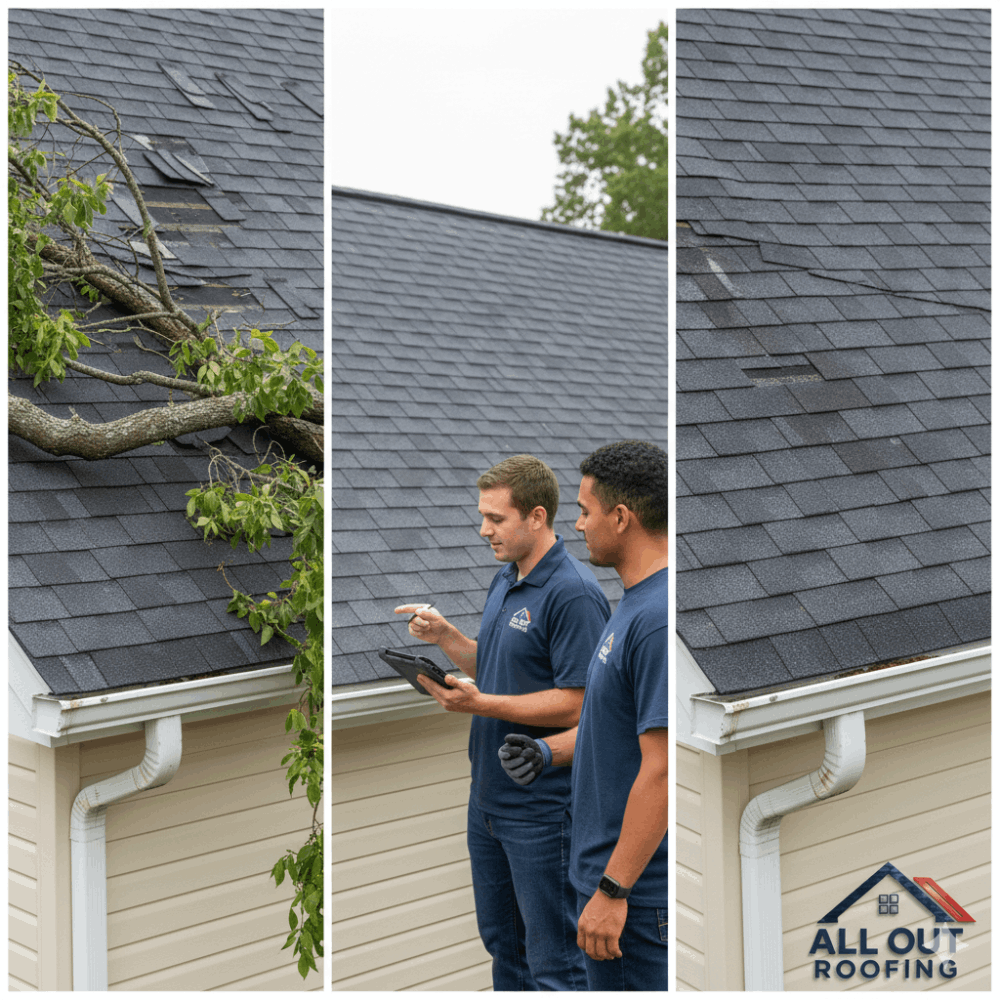
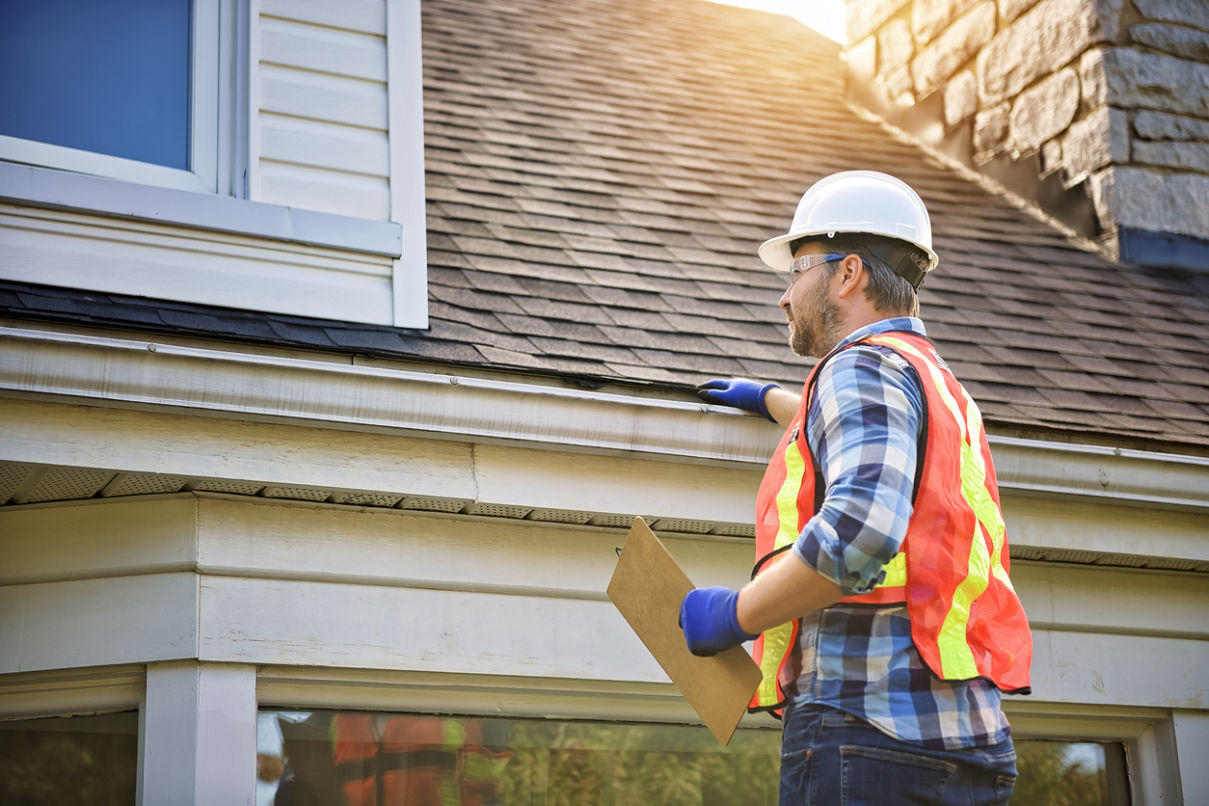
If there is one step that adds the most value to storm preparation, it is a professional roof inspection. A roofing contractor can identify problems that are easy to miss from the ground, especially the subtle issues that tend to turn into storm damage later. Loose shingles, aging flashing, cracked sealants, weak roof edges, soft decking, clogged valleys, and ventilation problems may all exist long before the homeowner sees a leak.
A professional inspection matters because storms do not always damage a strong roof from scratch. More often, they exploit a roof that already had a few vulnerable areas. The inspection helps uncover those areas while they are still manageable.
During a preventive inspection, a roofer may review:
- The condition of shingles or other roofing materials
- Flashing around chimneys, skylights, vents, and roof-to-wall intersections
- Valleys, roof edges, and water-shedding details
- Gutters, downspouts, and drainage flow
- Signs of previous storm wear or unfinished repairs
- Attic ventilation and moisture conditions beneath the roof
This kind of inspection provides clarity. It tells you whether the roof is storm-ready or whether a few targeted corrections could make a major difference before the next round of severe weather.
Repair Small Problems Before They Multiply
Small roofing issues rarely stay small once wind and rain get involved. A shingle that is only slightly lifted in calm weather may tear free in the next storm. A small flashing gap around a chimney may not leak during light rain, but it may allow water in during wind-driven rain. A tiny crack in a vent boot may seem insignificant until repeated storms force moisture through it.
This is why proactive repair planning is so important. Homeowners who fix weak points early are not just correcting cosmetic flaws. They are strengthening the exact areas where storms are most likely to force failure.
Common issues that deserve prompt repair include:
- Missing or lifted shingles
- Cracked, curling, or brittle shingle tabs
- Loose or corroded flashing
- Separated sealant around roof penetrations
- Minor roof-edge deterioration
- Small attic leaks or water stains after rain
None of these problems may feel urgent on the day they are noticed. But that is often exactly how more expensive storm repairs begin. The roof rarely gets better on its own between storms.
Keep Gutters and Downspouts Clear
Water has to leave the roof efficiently. When gutters and downspouts are clogged, bent, sagging, or detached, the roof is forced to deal with water in places it was never meant to. Overflowing gutters can send water back toward roof edges, fascia boards, soffits, and lower roofing layers. That does not just create drainage trouble. It creates roofing trouble.
In Suffolk, where heavy rain can arrive quickly, clean drainage paths matter. One of the simplest ways to protect your roof from storm damage in Suffolk is to make sure gutters and downspouts are clear and functioning properly before wetter weather arrives. Homeowners should remove leaves and debris, check for sagging sections, and make sure downspouts are directing water away from the home rather than allowing it to collect at the base or spill back against the structure.
It also helps to pay attention to roof valleys, where debris often accumulates. Valleys direct concentrated water flow, so when leaves or branches slow that flow, the risk of water backup rises quickly during heavy rain. Good drainage is not flashy, but it is one of the most practical defenses a roof has against avoidable storm damage.
Trim Back Overhanging Branches
Trees can add beauty and shade to a property, but they can also create roofing risks if branches hang too close to the home. Overhanging limbs may scrape shingles, drop debris into gutters and valleys, or break during storms and strike the roof directly. Even smaller branches can damage roof surfaces over time when they are pushed repeatedly by wind.
Tree trimming is one of the simplest preventive steps homeowners can take. It reduces the chance of impact damage, lowers the amount of storm debris landing on the roof, and helps keep drainage paths clearer. It also supports faster drying by reducing excess shade and moisture retention on the roof surface.
Homeowners do not need to remove every tree near the home. The goal is to reduce unnecessary risk. Branches that touch the roof or hang heavily above it deserve attention before they become a storm hazard.
Pay Close Attention to Flashing
Storms often exploit roof transitions more than open roof fields. That is because flashing protects the most vulnerable parts of the roofing system, including chimneys, vents, skylights, valleys, dormers, and roof-to-wall intersections. When flashing loosens, rusts, separates, or loses its seal, heavy rain has a much easier time finding its way into the home.
Flashing problems are some of the most important issues to identify before storm season. A roof can look fairly sound from the street while still having a weak flashing detail that becomes a leak point the moment driven rain arrives. This is especially true around chimneys and wall connections, where water naturally concentrates and changes direction.
If your home has had past leaks near a fireplace, skylight, upper wall corner, or vent area, that is a strong reason to have flashing inspected carefully. Repeated moisture in the same area often means the transition point, not the open roof field, is the real concern.
Do Not Ignore the Attic
Storm protection is not only about what is visible from outside. The attic tells an important part of the roof’s story, especially when moisture or ventilation issues are present. A damp, poorly ventilated attic can weaken the roofing system from below, making it less resilient when storms arrive.
If the attic is safely accessible, homeowners should occasionally check for warning signs such as dark staining on the underside of roof decking, damp insulation, musty odors, mold, mildew, or signs that moisture lingers after rainfall. These clues may suggest that the roof is already under stress, even if the exterior still looks fairly normal.
Attic ventilation also matters. Good airflow helps the roof system dry and regulate heat more effectively. In a humid area like Suffolk, poor ventilation can contribute to trapped heat and moisture that shorten material life and make storm-related problems worse. A roof that is already stressed internally is more vulnerable when external weather pressure increases.
Watch for Signs of Aging Before Storms Expose Them
Older roofs are naturally more vulnerable during storms because they have less margin for error. Shingles may become brittle. Granules may wear away. Sealants may dry out. Flashing may corrode or shift. That does not mean every older roof needs immediate replacement, but it does mean aging materials should be taken seriously before bad weather tests them.
Warning signs worth watching include:
- Heavy granule buildup in gutters
- Shingles that curl, crack, or appear brittle
- Faded or patchy-looking roof sections
- Repeated small repairs in different areas
- Leaks or stains that appear after weather events
If these signs are showing up, storm preparation may need to include more than routine care. It may be time to ask whether the roof is still dependable enough for another storm season or whether broader repair or replacement planning would provide better protection.
Use Post-Storm Checks as Part of Prevention Too
Protecting the roof from storm damage is not only about what happens before the storm. It is also about what happens right after. A quick, safe post-storm review can catch new damage while it is still small enough to correct before the next weather event.
After strong wind or heavy rain, homeowners should check for:
- Roofing debris in the yard
- Branches resting on or scraping the roof
- Loose or bent gutters
- New stains on ceilings or in the attic
- Sections of the roofline that suddenly look uneven
These checks matter because the damage from one storm often becomes the bigger repair after the next storm. A roof weakened today is more exposed tomorrow. Fast follow-up helps prevent that cycle.
Know What to Do if Active Leaking Starts
Even a well-maintained roof can suffer damage in severe weather, so homeowners should have a practical response plan. If active leaking begins after a storm, the priority is to limit further interior damage and arrange professional help quickly. That may involve placing containers under drips, protecting belongings in the affected area, and contacting a trusted roofing contractor for inspection and temporary protection if needed.
It also helps to document what you see. Take photos of visible exterior changes from the ground, interior stains, attic moisture, and any roofing debris in the yard. These records can be useful when discussing the damage with a contractor and can help keep the situation organized during a stressful moment.
Preparation is not only about prevention. It is also about being ready to respond well if damage does happen.
Choose Repairs and Upgrades With Long-Term Performance in Mind
If your roof already has a few known weak points, storm preparation is a good time to think beyond the cheapest short-term fix. Sometimes the best way to protect your roof from storm damage in Suffolk is to choose repairs or upgrades that improve long-term performance. That may include stronger shingles, improved flashing details, better underlayment, corrected drainage, or upgraded attic ventilation depending on the condition of the current system.
The right roofing contractor can help identify which improvements add the most value for your home. The best recommendations are usually tied to your roof’s actual condition, age, layout, and storm exposure rather than one-size-fits-all advice. A stronger roof system does not happen by accident. It happens when maintenance, inspections, and repair decisions all work together toward the same goal: reliability under pressure.
Why Local Roofing Experience Matters
Storm preparation advice is only truly helpful when it reflects the local conditions a roof will face. A contractor who understands Suffolk weather patterns, common storm-related damage, and the way coastal humidity affects roofing systems will usually provide more useful guidance than someone relying on generic recommendations.
Local experience matters because roofs in this region do not fail in exactly the same way roofs fail elsewhere. Wind exposure, heavy rain, moisture retention, and seasonal timing all shape what kinds of maintenance matter most. Homeowners benefit from working with professionals who understand how local roofs age, where they typically weaken first, and which preventive steps make the biggest difference in real-world conditions.
Final Thoughts on How to Protect Your Roof From Storm Damage in Suffolk
If you want to protect your roof from storm damage in Suffolk, the most effective strategy is a proactive one. Regular inspections, timely repairs, clean gutters, healthy drainage, trimmed trees, strong flashing, and attention to attic conditions all reduce the chance that storms will find and exploit weak points in the roof. None of these steps guarantees that a roof will never suffer damage, but together they dramatically improve its ability to handle the weather it is likely to face.
For homeowners in Suffolk, Virginia Beach, and surrounding areas, storm prep is not about overreacting. It is about recognizing that roofs are tested by local weather year after year. Small vulnerabilities rarely improve on their own, and storms usually reveal them at the worst possible time. The smarter path is to strengthen the roof while there is still time to do so calmly and intentionally.
In the end, protecting the roof is really about protecting the whole home. A strong roof keeps water out, preserves structural materials, supports energy performance, and gives homeowners more confidence when the forecast turns rough. When inspections, maintenance, and proactive repair planning become part of routine home care, the roof is far more likely to do what it was built to do: stand strong when the weather is at its worst.