How to Plan a Roof Replacement Project in Chesapeake
Learn how to plan a roof replacement project in Chesapeake, from inspection and material selection to budgeting and installation timing.
Planning a new roof can feel overwhelming at first. Most homeowners do not replace a roof often, and by the time the subject comes up, it usually arrives with pressure. Maybe the roof is showing its age. Maybe a leak has appeared after a storm. Maybe repairs are starting to add up, and you are beginning to suspect that patching the same system over and over is no longer the smartest use of your money. That is exactly why it helps to understand how to approach a roof replacement project in Chesapeake with a clear plan instead of making decisions under stress.
A roof replacement is not just another exterior improvement. It is one of the most important investments you can make in the long-term protection of your home. The roof affects how well the house stands up to rain, wind, humidity, temperature changes, and the constant exposure that comes with life in coastal Virginia. It also affects insulation performance, attic conditions, maintenance demands, and even the confidence you feel when the forecast turns rough. When the time comes to replace it, the process works best when you move step by step: start with a real inspection, understand the scope, choose materials carefully, build a practical budget, and work with a contractor who explains the process clearly.
For homeowners in Chesapeake and nearby Virginia Beach, planning matters because local weather is not especially forgiving. Roofs here deal with heavy rain, humid air, strong winds, seasonal storms, and long periods of heat that wear on roofing systems over time. A roof that might hold up one way in a drier inland market may age differently here. That makes planning especially important. The more intentional the project is from the start, the more likely it is that the finished roof will perform well for years to come.
The good news is that a roof replacement does not have to feel confusing when you break it into practical decisions. You do not need to know everything about roofing before you begin. You just need a sound process and the right priorities.
Start With a Professional Roof Inspection
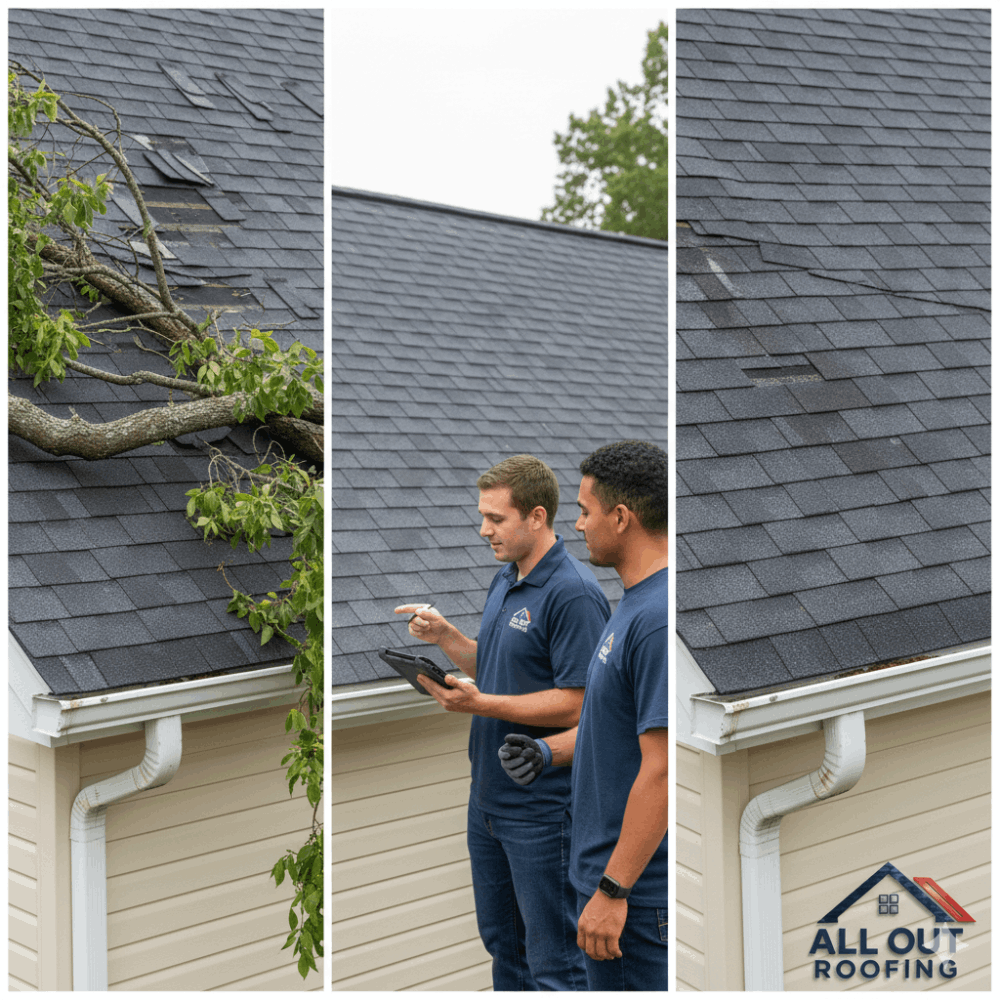
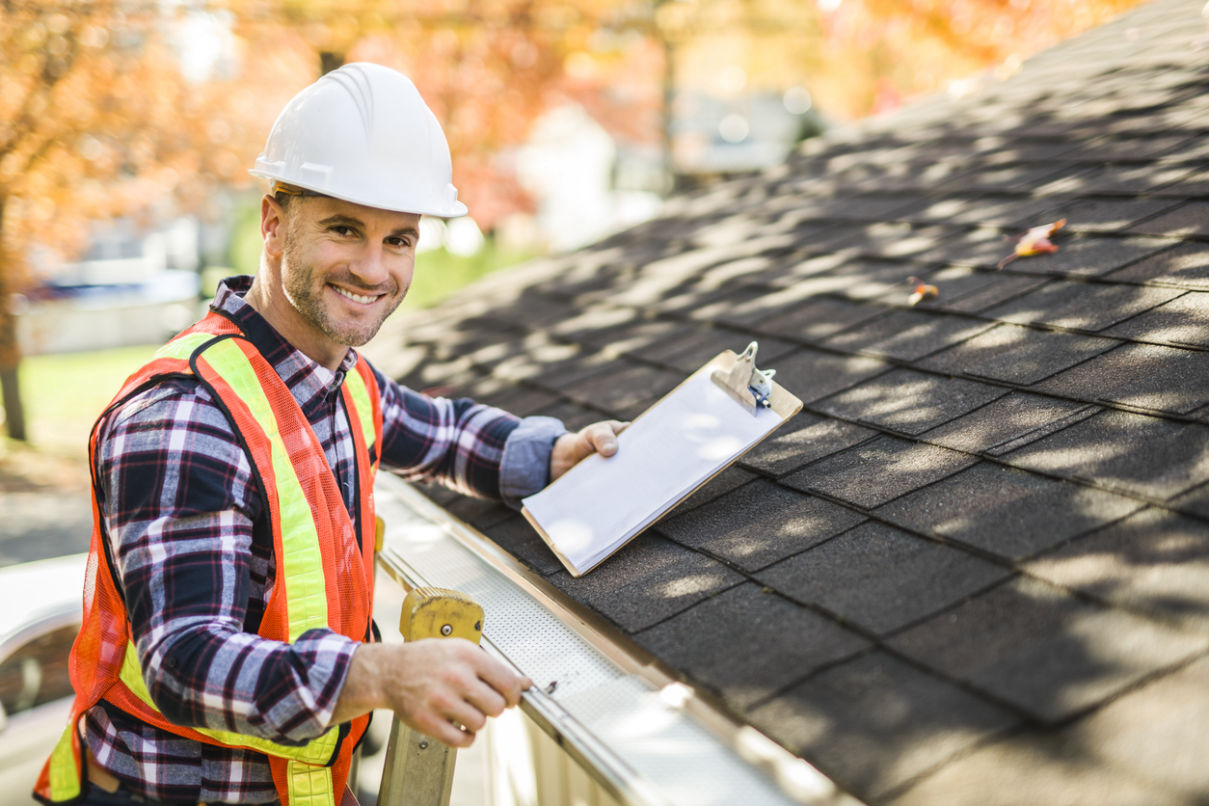
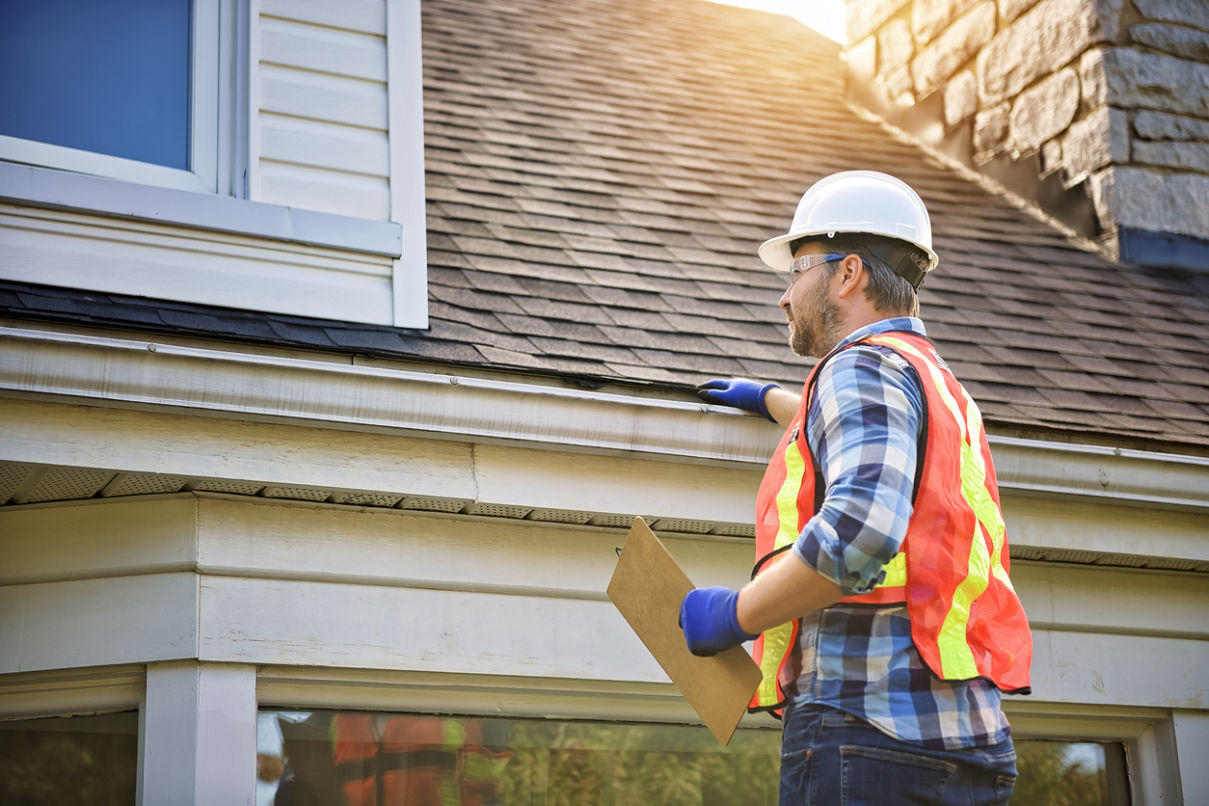
The first step in planning a roof replacement project in Chesapeake is confirming that replacement really is the right next move. Many homeowners already suspect the answer before they call a roofer, especially if the roof is older or has been giving them repeated trouble. Still, a professional inspection matters because it gives you a full picture of what is actually happening.
A good inspection looks beyond the obvious symptom. If you are seeing a ceiling stain, the inspection should not stop at identifying the stain. It should identify the source. If the roof is aging, the inspector should not only tell you it is old. They should explain how that age is showing up in the shingles, flashing, decking, drainage, and overall roof condition. This helps confirm whether full replacement makes more sense than repair, and it also helps reveal what the replacement project may involve once the old roof is removed.
During the inspection, a roofing contractor may evaluate:
- The overall condition of the shingles or existing roofing material
- Flashing around chimneys, vents, skylights, and roof-to-wall intersections
- Roof valleys, edges, and drainage paths
- Signs of storm damage or recurring leak areas
- Gutters and general water movement off the roof
- Attic ventilation and possible moisture-related concerns
- The likelihood of decking issues beneath the current roof
This inspection creates the foundation for everything that follows. Without it, planning tends to be based on assumptions. With it, planning becomes far more accurate.
Understand Why the Roof Is Being Replaced
Once the inspection is complete, the next step is understanding the reason behind the replacement. This may sound obvious, but it matters more than many homeowners realize. A roof can be replaced because it has simply reached the end of its useful life. It can also be replaced because storm damage is widespread, because repeated leaks are becoming too frequent, because flashing and roofing materials are failing together, or because patching no longer offers enough reliability.
Why does this matter? Because the reason for replacement often shapes the scope of the project. A roof being replaced after years of gradual wear may need certain corrections. A roof being replaced after storm exposure may need additional attention to hidden damage. A roof that has had recurring attic moisture issues may need ventilation improvements as part of the replacement. Knowing the “why” helps make sure the project solves the actual problem instead of simply covering it with new materials.
Homeowners should come away from the inspection understanding not only that the roof needs replacement, but why that recommendation makes sense now.
Build a Realistic Budget
Budgeting is often the part of the process that homeowners think about most, and understandably so. A new roof is a major investment. But the best budget planning starts with a realistic view of what roof replacement actually includes. The visible roofing material is only part of the cost. A roof replacement project also includes removal of the old roof, disposal, underlayment, flashing work, labor, cleanup, and sometimes decking repairs or ventilation improvements if issues are uncovered along the way.
That is why quotes can vary. Two roofs that look similar from the street may require very different levels of work once the project begins. One may need only standard tear-off and replacement. Another may need sections of decking replaced, flashing corrections, or upgraded airflow in the attic so the new roof performs better than the old one did.
When budgeting, homeowners should think about:
- The size and complexity of the roof
- The type of material being selected
- Whether the estimate includes full tear-off and disposal
- The possibility of hidden wood damage once the old roof is removed
- Whether the project includes flashing, underlayment, and ventilation improvements
The goal is not to assume the worst. It is to avoid planning around an unrealistically narrow number. A practical budget makes the project less stressful and helps you compare estimates more intelligently.
Compare Material Options Carefully
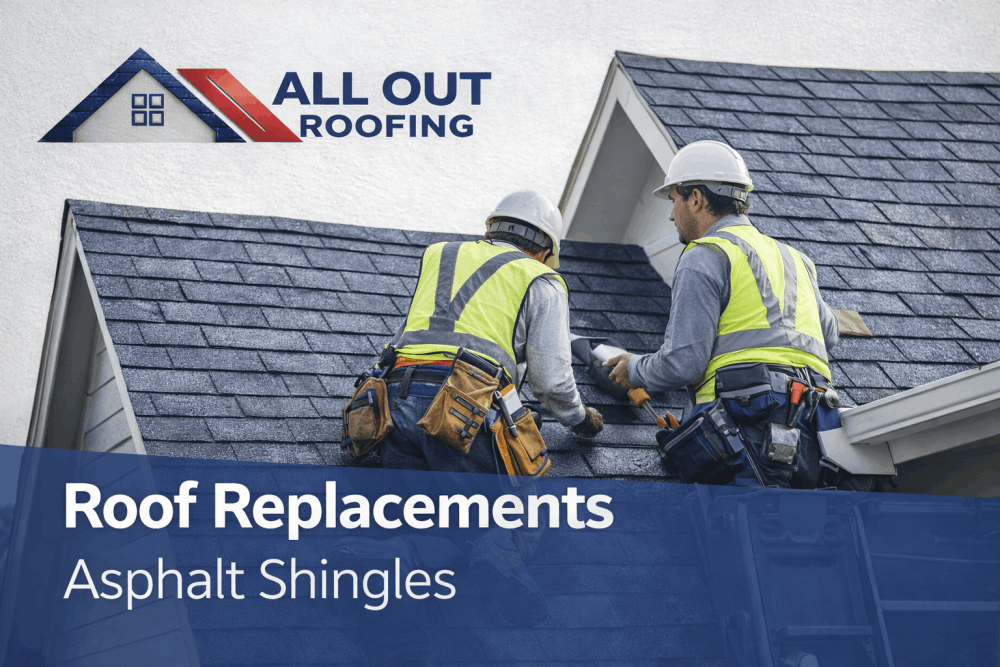
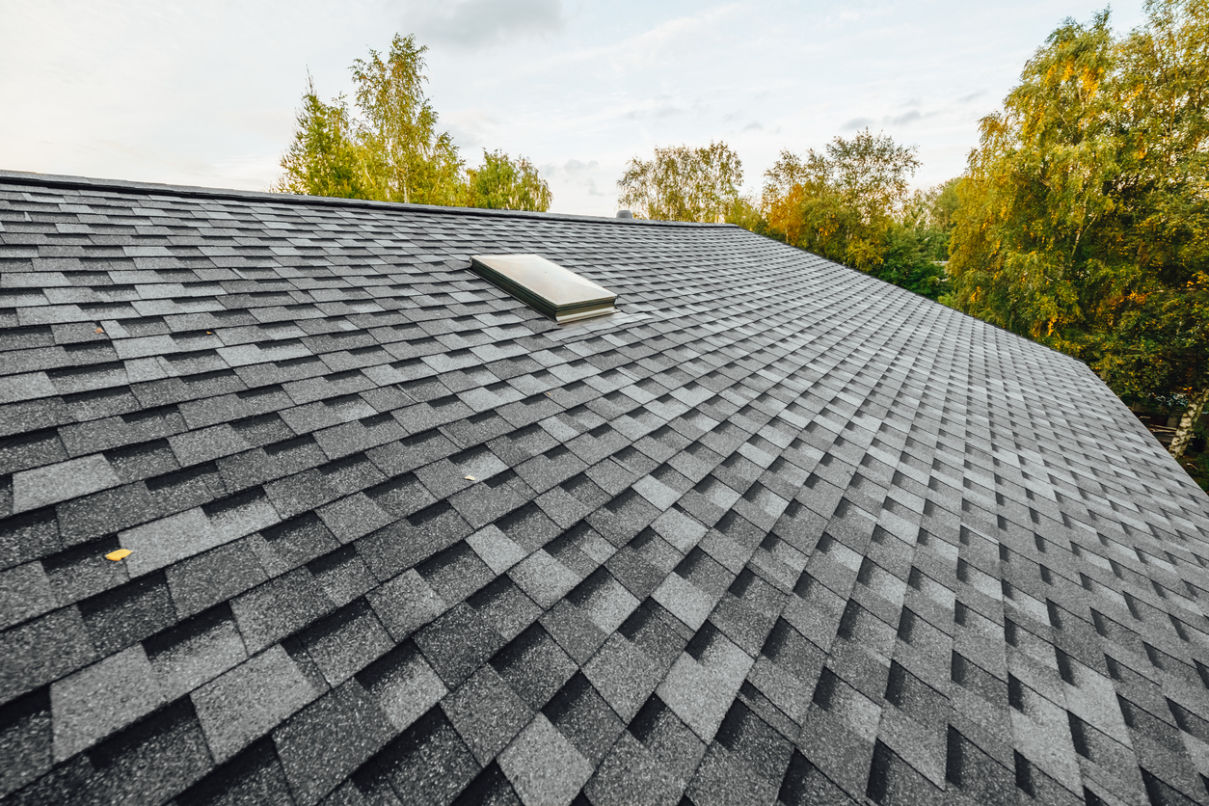
One of the most visible parts of planning a roof replacement project in Chesapeake is choosing the roofing material. For many homeowners, this begins with asphalt shingles, which remain a practical and popular option. Architectural shingles, in particular, often provide a strong balance of appearance, durability, and value. Some homeowners may also consider premium shingles or metal roofing depending on budget, style goals, and how long they plan to stay in the home.
Choosing materials should involve more than color and price. The right material should fit the climate, the structure of the home, and the homeowner’s long-term priorities. A roof in Chesapeake needs to stand up to humidity, rain, wind, and seasonal storm pressure. That means durability and weather performance matter just as much as appearance.
When evaluating material choices, it helps to ask:
- How long is this material expected to perform well under local conditions?
- How does it compare with other options for storm resistance and maintenance needs?
- What type of warranty is associated with it?
- Is the higher upfront cost of a premium material likely to bring meaningful long-term value?
A good contractor should be able to explain the tradeoffs clearly and recommend an option that suits your home rather than simply steering you toward the most expensive product.
Think Beyond the Surface Material
One of the most important planning mistakes homeowners can avoid is thinking of the roof replacement as only a shingle decision. The roof is a system, and the best projects treat it that way. Shingles are the visible surface, but the roof also depends on what is underneath and around them. Underlayment, flashing, drip edge components, ventilation, and decking condition all affect long-term performance.
This is especially important in Chesapeake because local weather will test the weakest parts of the system first. If flashing is not updated where needed, or if the underlayment is not suitable for the home’s exposure, or if attic ventilation remains poor, the new roof may not perform as well as it should no matter how nice the shingles look from the street.
As part of the planning process, make sure you understand whether the scope includes:
- Replacement or correction of flashing at vulnerable areas
- New underlayment and appropriate moisture protection
- Inspection of decking once the roof is opened
- Review of attic ventilation and any needed improvements
- Attention to drainage details at edges and valleys
These elements often bring more long-term value than homeowners first expect.
Choose the Right Time to Schedule the Work
Timing plays a major role in how smooth the project feels. While roof replacement can happen in much of the year, some timing windows are more practical than others. The best schedule often depends on the roof’s urgency, the local weather pattern, and contractor availability.
Homeowners who wait until the roof is actively leaking or storm-damaged often have fewer choices. They may need to move faster, which can make it harder to compare options calmly. By contrast, homeowners who begin planning before the roof becomes urgent usually have more flexibility to choose the contractor, review materials, and schedule the work during a favorable weather window.
In Chesapeake, that often means thinking ahead of the heaviest storm periods rather than after them. A roof replacement that is planned proactively is almost always easier than one that is forced by worsening damage. Even if the roof still has a little time left, starting the conversation early can make the actual project much less stressful.
Know What to Expect From the Contractor
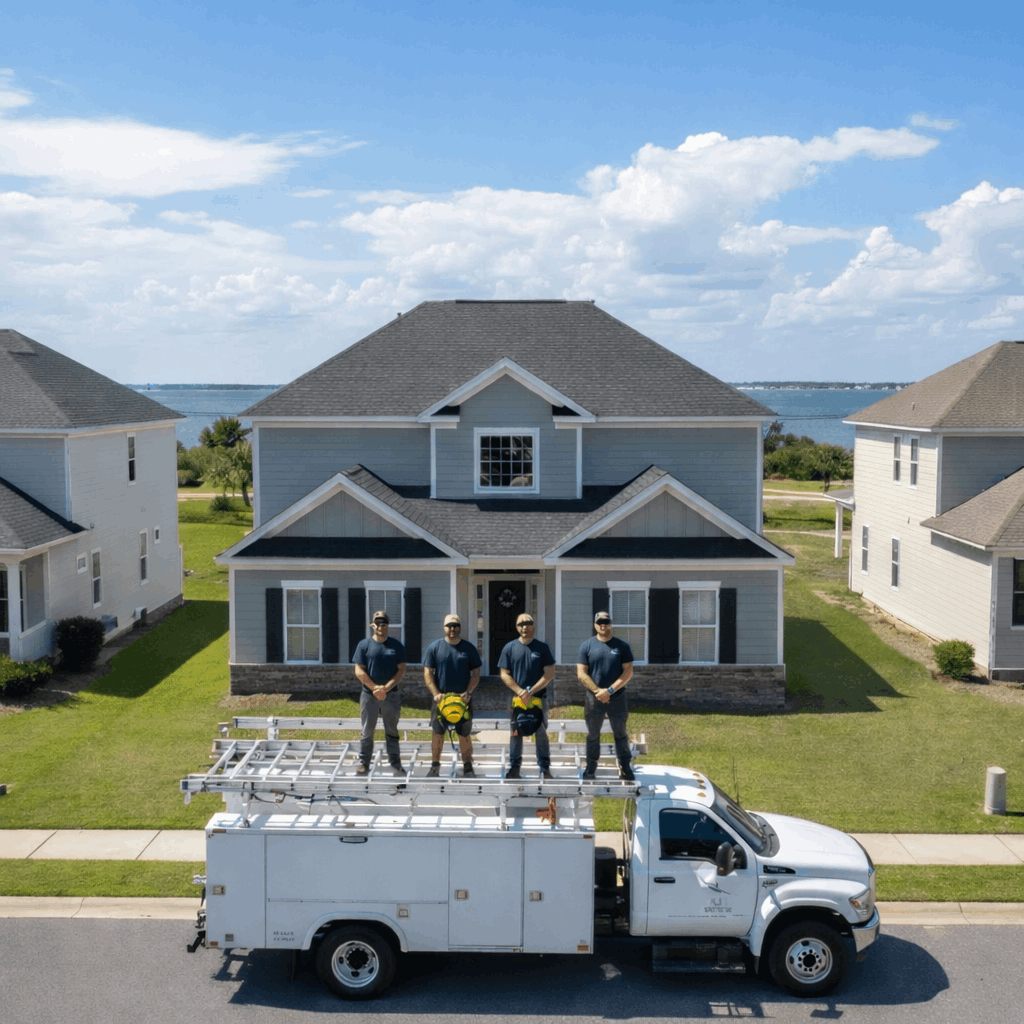
Part of planning well is having realistic expectations for how the roofing company should manage the project. A roof replacement should not feel like a mystery once the contract is signed. Homeowners should understand the scope of the work, the likely timeline, how communication will happen, and what the process will look like if hidden damage is found after tear-off begins.
A well-run project usually includes clear answers to practical questions such as:
- How long is the project expected to take?
- How will weather delays be handled?
- What happens if decking damage is discovered?
- How is the property protected during tear-off and installation?
- What does final cleanup include?
- Who is the point of contact if questions come up during the job?
The right contractor should make these details feel clear, not vague. Good communication before the work begins usually leads to a much better experience once the work is underway.
Prepare the Property Before Installation Day
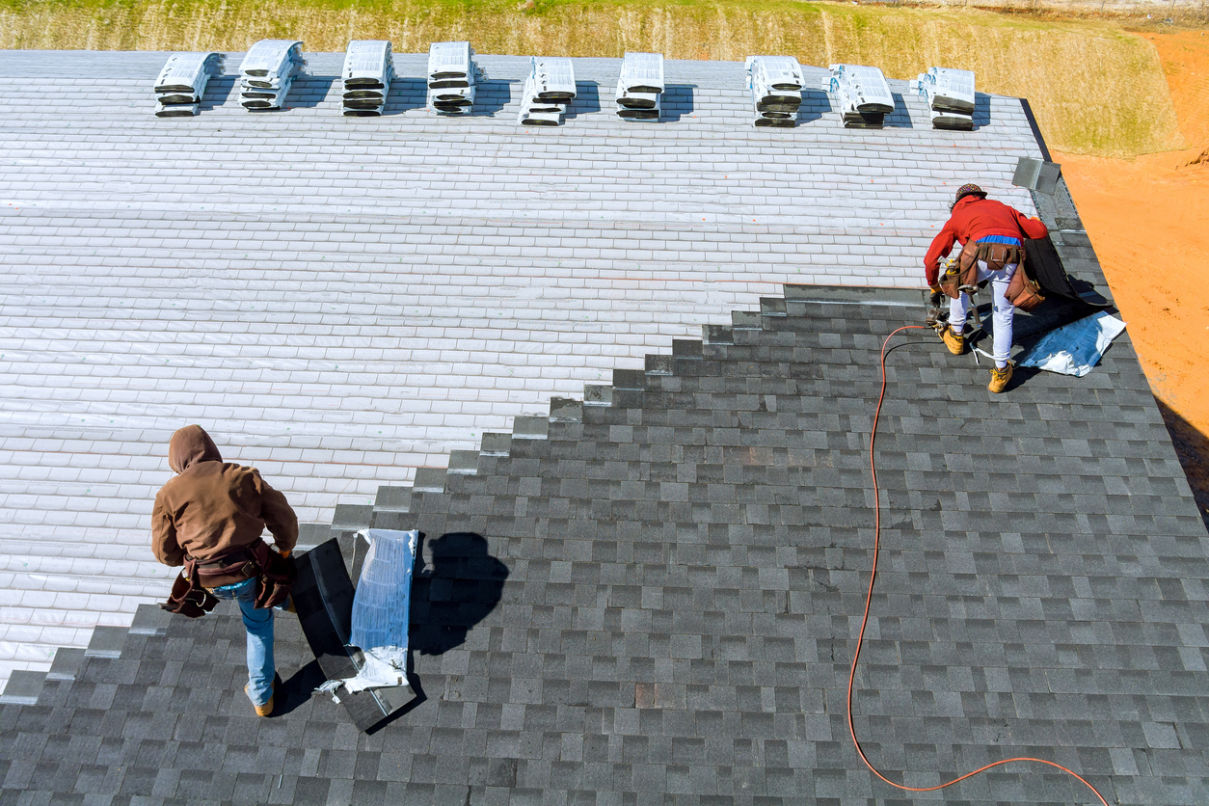
Another helpful planning step is preparing the home and property before materials arrive and tear-off begins. Roof replacement can be noisy and active, even when it is handled professionally. Materials need to be delivered. Old roofing needs to be removed. Debris needs to be managed. It helps when homeowners take a few simple steps to make the process smoother.
Common preparations include:
- Moving vehicles away from the driveway or work zone
- Clearing patio furniture or decorations from areas near the house
- Protecting fragile attic items if vibration is a concern
- Keeping children and pets away from active work areas
- Making sure the contractor has access to the necessary parts of the property
These are not complicated tasks, but they make the project easier to manage and reduce unnecessary stress during installation.
Review Warranties Before the Project Begins
Warranties are an important part of roof replacement planning, and they should be discussed before the work starts, not after the last shingle is installed. Homeowners should understand both the material warranty and the workmanship warranty. These are not the same thing.
The material warranty is tied to the roofing products themselves. The workmanship warranty relates to how the contractor installs them. Both matter. A roof can have excellent materials and still underperform if installed poorly. Likewise, good workmanship deserves quality materials behind it.
When reviewing warranties, ask:
- What workmanship warranty is being offered?
- What manufacturer warranty applies to the selected materials?
- How are warranty concerns handled if a problem appears later?
- Are there maintenance responsibilities that help preserve warranty coverage?
Clear warranty conversations add confidence because they show what support exists after the project is complete.
Use the Project to Solve Recurring Roof Problems
If the old roof has had recurring problem spots, the replacement project is the time to address them. Do not assume a new roof automatically solves everything unless the underlying cause is part of the plan. If the old roof leaked repeatedly around a chimney, if one valley always gave trouble, or if attic heat and moisture have been ongoing concerns, those issues should be discussed before installation starts.
This is one of the most important parts of planning. A roof replacement is not only a material reset. It is also an opportunity to correct the weak points that have been causing frustration over time. When homeowners and contractors address those known trouble spots directly, the new roof has a much better chance of performing the way it should.
Keep the Long-Term Goal in Focus
It is easy to get lost in details like color choices, square footage, and quote comparisons, but the long-term goal should stay simple: you want a roof that protects the home well, handles Chesapeake weather with confidence, and gives you years of dependable performance. Every planning decision should support that goal.
That means choosing a scope that solves the real problem, selecting materials that fit your home and climate, budgeting with realism, and working with a contractor who communicates clearly. The best roof replacement projects are rarely the ones built around the cheapest number alone. They are the ones built around value, performance, and long-term protection.
Final Thoughts on How to Plan a Roof Replacement Project in Chesapeake
Planning a roof replacement project in Chesapeake becomes much more manageable when you take it step by step. Start with a professional inspection so you understand the roof’s true condition. Build a budget that reflects the full system, not just the visible materials. Compare roofing options with weather, durability, and long-term value in mind. Make sure the scope includes critical details like flashing, underlayment, and ventilation when needed. Then choose a contractor who communicates clearly and helps the project feel organized from the beginning.
For homeowners in Chesapeake, Virginia Beach, and surrounding areas, a roof replacement is not something to approach casually, but it does not need to feel overwhelming either. With the right inspection, the right planning, and the right expectations, the process becomes much more straightforward. And once the project is complete, what you gain is much more than a new roof surface. You gain protection, reliability, stronger weather performance, and the confidence that one of the most important parts of your home has been renewed the right way.
That is ultimately what good roof planning is about. Not just getting through the project, but getting through it in a way that leaves your home better protected for years to come.