How to Know When You Need a Roof Replacement in Virginia Beach
Discover the warning signs that point to a roof replacement in Virginia Beach, including age, leaks, storm wear, and recurring repair issues.
For many homeowners, the roof is easy to overlook until something goes wrong. As long as it keeps water out and everything looks normal from the driveway, it is tempting to assume the system is in good shape. But roofs rarely fail all at once. In most cases, the need for a new roof develops gradually through age, storm exposure, moisture intrusion, and recurring wear that becomes more serious over time. Knowing when to move from repairs to a full roof replacement in Virginia Beach can save homeowners from repeated expenses, interior damage, and the stress of dealing with problems after they have already spread.
In a coastal city like Virginia Beach, that decision matters even more. Roofs here face year-round exposure to humidity, salt air, strong sun, wind-driven rain, and seasonal storms. Those conditions can shorten the life of roofing materials and accelerate the kind of deterioration that might progress more slowly in a milder climate. A roof may still appear mostly intact from the ground while hidden problems are developing under the surface or around vulnerable areas such as flashing, valleys, penetrations, and decking.
That is why homeowners should not think about roof replacement as a last-minute emergency decision. A better approach is to understand the warning signs, recognize when repairs are no longer the most practical solution, and make a confident plan based on the roof’s true condition. If you are wondering whether your home is reaching that point, there are several clear signs that a replacement may be the smarter long-term investment.
Age Is One of the First Things to Consider
The age of the roof is often the starting point in any serious conversation about replacement. Even when a roof is not actively leaking, materials lose resilience over time. Asphalt shingles may become brittle, lose granules, curl, crack, or stop sealing properly. Metal components can corrode. Sealants around penetrations may dry out. Underlayment can weaken. These issues do not always create immediate failure, but they do reduce the roof’s ability to keep performing reliably.
Many homeowners in Virginia Beach are not completely sure how old their roof is, especially if they purchased the home from someone else. If the roof is approaching the later stage of its expected service life, that alone does not mean it must be replaced immediately. It does mean the system deserves closer attention. An aging roof that has already been through years of coastal weather may be more vulnerable to leaks, wind damage, and ongoing repair needs.
When a roof reaches the point where every major storm creates new concerns, the question often shifts from “Can this be repaired?” to “Is it still wise to keep repairing it?” That is where age becomes more than a number. It becomes context for the condition you are seeing today.
Leaks Are a Serious Warning Sign, Especially Repeated Leaks
A single leak does not always mean you need a new roof. Some leaks are isolated and repairable, especially when they come from a specific flashing issue or localized storm damage. But repeated leaks are a different story. If the same roof keeps developing moisture problems in different areas or leaking again after prior repair work, that often signals broader system wear.
Water intrusion is rarely something to treat casually. By the time a leak becomes visible inside the home, moisture may already have traveled through decking, insulation, attic spaces, or framing. Ceiling stains, peeling paint, damp drywall, and musty smells are signs that the problem has extended beyond the roof surface. Once this pattern starts repeating, homeowners should seriously consider whether continued repair spending is simply delaying the inevitable need for replacement.
In Virginia Beach, recurring leaks deserve quick attention because humidity and coastal moisture can make conditions worse. Water that enters through compromised roofing materials may not dry as quickly as homeowners expect. That can increase the risk of wood deterioration, insulation damage, and mold-related concerns. If leaks are becoming part of an ongoing cycle rather than a one-time event, a new roofing system may be the more reliable solution.
Storm Wear Adds Up Over Time
Virginia Beach roofs are exposed to a weather pattern that can be demanding even in years without a major headline storm. Strong winds, tropical systems, coastal rain, and flying debris all place stress on roofing materials. A roof may survive each event without dramatic failure, yet still lose strength with every season.
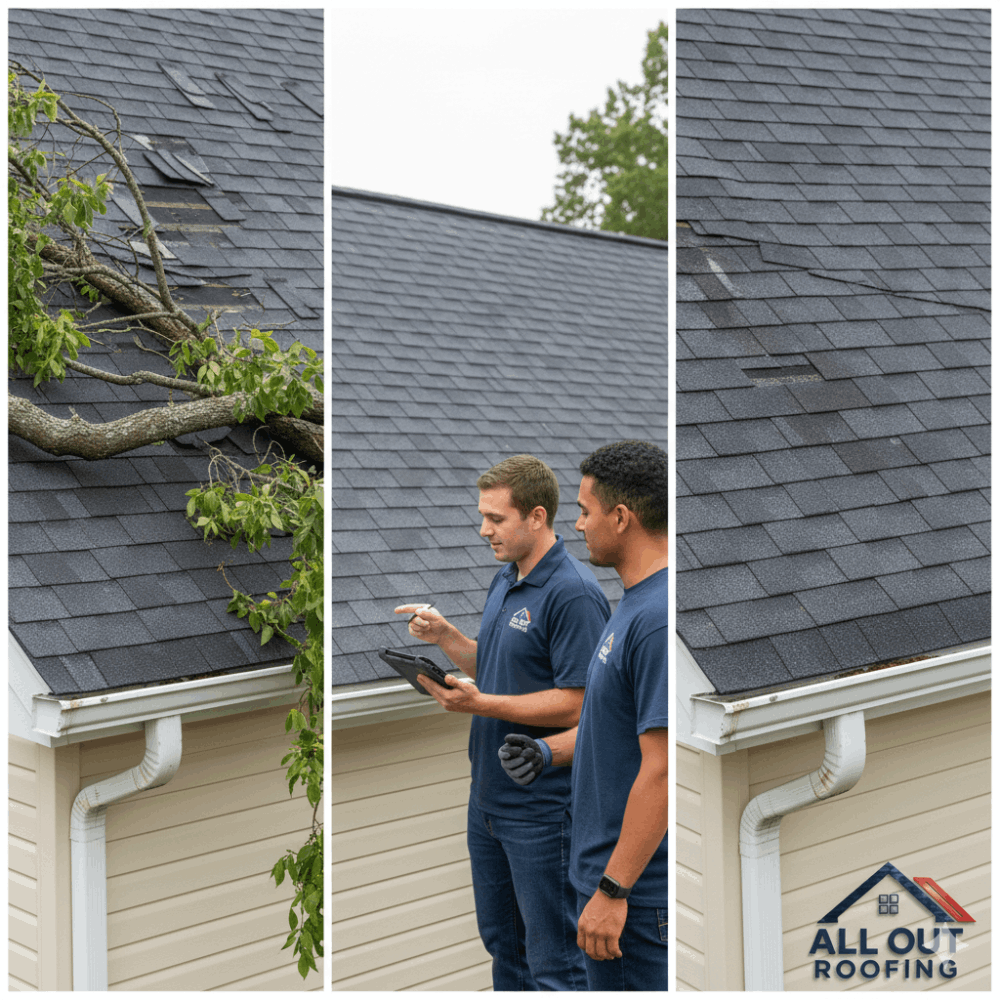
Homeowners often think only of obvious storm damage, such as missing shingles or a fallen branch. But there are other forms of wear that matter too. Wind can loosen shingle seals. Driving rain can exploit weak flashing. Repeated exposure can gradually wear down protective surfaces. Debris impact may create damage that is not fully visible from the ground. Over time, the roof becomes less resilient and more likely to fail during the next storm.
This accumulation matters when evaluating roof replacement in Virginia Beach. A roof does not need to be torn open to be nearing the end of its useful life. It may simply be showing signs that the system as a whole is losing its ability to hold up under local conditions. If storm-related repairs are becoming more frequent, or if each weather event seems to reveal a new issue, replacement may offer better long-term protection than continuing to patch one vulnerable area after another.
Shingles That Are Curling, Cracking, or Losing Granules
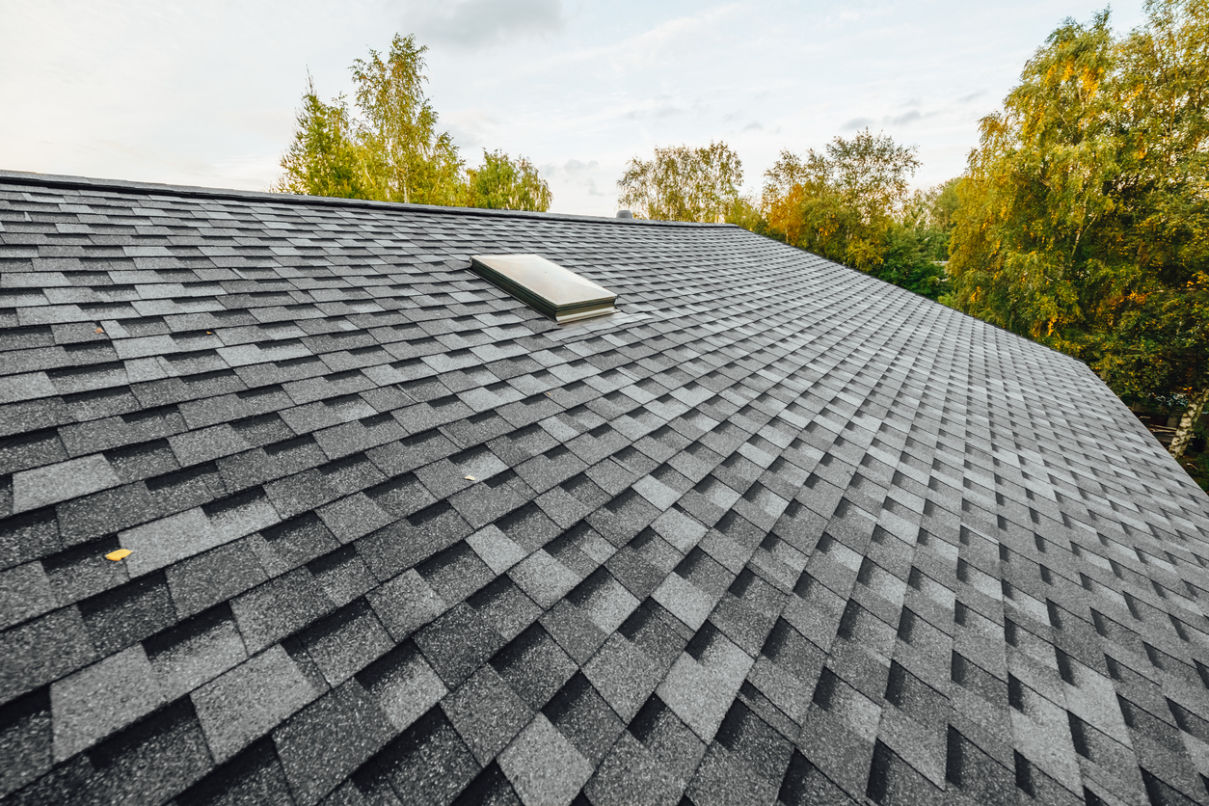
One of the clearest visual signs that a roof may be nearing replacement is widespread shingle deterioration. Asphalt shingles are designed to protect the roof from water, sunlight, and wind, but their performance depends on their condition. When shingles begin curling at the edges, cracking across the surface, or shedding large amounts of granules, their protective ability starts to decline.
Granules are important because they help shield shingles from ultraviolet exposure and general weathering. Some gradual granule loss is normal as a roof ages, but heavy accumulation in gutters or bare-looking patches on shingles can signal advanced wear. Curling and cracking are equally important because they may allow wind to lift shingles more easily or water to reach vulnerable areas below.
If these issues are isolated to a small section, repair might still be possible. But when deterioration is visible across broad areas of the roof, replacement usually becomes the more practical recommendation. A patch repair cannot restore the condition of the surrounding shingles that are already aging in the same way.
Repairs Keep Coming Back
There is a point where recurring roof repairs stop being cost-effective. Many homeowners arrive at that point gradually. They fix one leak, then another. A flashing issue gets repaired. A few shingles are replaced after wind damage. Then a different area starts showing signs of wear. Over time, the roof becomes a source of repeated spending and uncertainty.
This pattern is one of the strongest indicators that a full replacement should be considered. Repairs are valuable when they solve an isolated problem on an otherwise healthy roof. They become less valuable when they are simply keeping an aging system going for a little longer without solving the bigger issue.
It helps to think about the roof as a system, not just a collection of individual trouble spots. If many parts of that system are wearing out together, replacing one component at a time often does not restore reliable performance. Instead, it can leave homeowners paying repeatedly while still living under a roof they do not fully trust.
Common signs that repairs may no longer be enough include:
- Multiple repair calls within a relatively short time
- Leaks appearing in different locations
- Repairs that solve one issue but new issues continue to surface
- Visible widespread wear across shingles, flashing, or roof lines
- Growing concern about how the roof will perform in the next storm
When that pattern is in place, replacement often brings more value because it ends the cycle and restores confidence in the home’s protection.
Moisture Problems in the Attic or Interior
The roof’s job is not just to keep rain off the house. It also helps protect the attic, insulation, ceilings, and structural components beneath it. That is why moisture-related signs inside the home should never be ignored. If attic wood shows staining, insulation feels damp, or interior rooms develop ceiling marks after rain, the roof may no longer be performing the way it should.
Sometimes homeowners only notice the interior symptom and do not yet understand the full roofing issue behind it. That is why professional inspections are so useful. A qualified roofing contractor can assess whether the moisture is caused by aging roof materials, flashing failure, storm damage, poor ventilation, or a combination of problems that may be better solved through replacement.
In Virginia Beach, moisture concerns deserve particular respect because of the local climate. High humidity can make existing vulnerabilities worse, and repeated wetting of interior materials creates problems that spread beyond the roof surface. If your roof is allowing moisture intrusion and the underlying cause is broad deterioration rather than one isolated defect, replacement may be the most dependable corrective step.
Sagging or Structural Concerns Should Never Be Delayed
Some warning signs go beyond ordinary wear and point to a more serious issue. A sagging roofline, soft spots, or visible dips in the structure can indicate that water has affected the roof deck or framing over time. These conditions should never be treated as cosmetic. They suggest that the problem may extend beneath the outer roofing materials and into the structure supporting them.
When structural concerns are present, homeowners should contact a qualified roofing professional promptly. A repair may not be enough if the underlying system has been compromised. In these cases, roof replacement often includes correcting damaged decking or other support components so the new roofing system is installed on a sound foundation.
A roof should look stable, even, and secure. If it no longer does, that is a strong sign that delay is not in your best interest.
You Are Preparing to Sell or Want to Protect Home Value
Sometimes the decision to replace a roof is not driven by active leaking, but by planning. If you are preparing to sell your home, an aging or visibly worn roof can affect buyer confidence, inspection results, and overall property appeal. Buyers pay close attention to roofs because they know replacement is a major cost. A roof that looks near the end of its life may influence negotiations even if it is not currently failing.
For homeowners planning to stay long-term, value still matters. A new roof can improve protection, reduce ongoing repair uncertainty, and support the condition of the rest of the home. While replacement is a significant investment, so is allowing an aging roof to continue deteriorating until it causes interior damage or larger structural issues.
In either case, replacement can be a proactive decision rather than a forced emergency. That kind of timing gives homeowners more control over scheduling, budgeting, and contractor selection.
A Professional Inspection Helps You Decide With Confidence
One reason homeowners hesitate about roof replacement is that they do not want to replace a roof too early. That is a reasonable concern. The right time for replacement should be based on condition, not guesswork. A professional inspection provides the clarity needed to make that decision with confidence.
A roofing contractor can evaluate the visible wear, storm exposure, moisture indicators, flashing condition, drainage performance, and overall integrity of the roof system. In some cases, the result may be reassuring. The roof may still have serviceable life with targeted repairs. In other cases, the inspection may confirm that the roof has reached the point where replacement is the more responsible long-term choice.
What matters most is having accurate information. Homeowners are in a much better position when they understand whether the roof is still dependable, becoming increasingly vulnerable, or already past the point where continued repairs make sense.
Why Timing Matters in a Coastal Market
Waiting too long to replace a roof in Virginia Beach can create extra risk because coastal weather does not pause while homeowners decide. A roof that is already compromised may face another heavy rain, another wind event, or another season of humidity before long. Each delay increases the chance that the next problem will involve more than just the roofing materials.
In a coastal environment, small weaknesses rarely stay small for long. Salt air, humid conditions, and repeated weather shifts can accelerate wear on shingles, flashing, fasteners, and other exterior components. What begins as a minor issue may quickly affect the roof deck, attic insulation, or interior drywall once moisture finds a path inside. That is why many homeowners benefit from speaking with a roof replacement specialist or local roofing company before visible damage becomes urgent.
Coastal Exposure Can Shorten the Window for Action
Virginia Beach homes are exposed to conditions that place steady stress on the roofing system. Even if the roof is not actively leaking today, aging materials may be closer to failure than they appear from the ground. A trusted roofing contractor will usually look at the broader pattern, not just one damaged area. If repairs are stacking up and the roof has already been through years of coastal wear, timing becomes a practical part of the decision.
- Wind can loosen shingles and ridge materials over time
- Humidity can worsen hidden moisture issues in the attic
- Salt-heavy air may speed up corrosion on metal components
- Frequent storms can expose weak areas faster than expected
When these conditions overlap with age or recurring leaks, waiting can make a roof replacement project more complicated and more expensive than it needed to be.
Why Delaying Replacement Often Increases Repair Costs
Homeowners sometimes delay a reroofing project because the roof is still “holding on.” The challenge is that an older system may continue performing just enough to avoid immediate failure while still allowing hidden deterioration to spread. In those cases, the cost of waiting is not only measured in future roofing work. It may also include damaged insulation, ceiling stains, wood rot, or mold concerns caused by trapped moisture.
A qualified roof service provider can help determine whether the home still benefits from targeted repairs or whether full replacement is the wiser investment. Acting earlier often gives homeowners more control over scheduling, materials, and budgeting. Waiting until the next major storm can remove that flexibility and turn a planned exterior improvement into an emergency service call.
Planning Ahead Creates Better Options
Replacing a roof before failure becomes severe allows a homeowner to move forward on a clearer timeline. It also gives a roofing team, exterior contractor, or storm restoration professional the chance to inspect the full system, identify any related issues, and recommend the right scope of work without the pressure of active water intrusion. In a market like Virginia Beach, where weather exposure is ongoing, good timing is part of protecting the home properly.
Planning ahead allows homeowners to act before the roof fails at the worst possible moment. Instead of dealing with an emergency replacement during an active leak or after storm damage has spread, they can move forward in a more controlled and informed way. That often leads to a smoother project and better peace of mind.
The Smart Move Is to Replace Before Failure Becomes Expensive
Knowing when you need a roof replacement in Virginia Beach comes down to recognizing patterns. Age matters. Repeated leaks matter. Storm wear matters. Widespread shingle deterioration matters. Ongoing repairs, attic moisture, and visible structural concerns all matter. When several of these signs appear together, the roof is no longer just aging. It is telling you that dependable performance is becoming harder to count on.
The right replacement decision is not about overreacting. It is about protecting your home before avoidable damage spreads. A new roof can restore confidence, improve protection against coastal weather, and free homeowners from the cycle of repeated patchwork repairs that never quite solve the bigger problem.
If your roof is showing signs of age, leaking repeatedly, or struggling after years of storms and exposure, now is the time to have it evaluated by a trusted roofing professional. A clear inspection and honest recommendation can help you decide whether repair is still enough or whether replacement is the smarter next step for your Virginia Beach home.