How Salt Air and Humidity Affect Roofs in Virginia Beach
Learn how salt air, humidity, and coastal moisture affect roofs in Virginia Beach and what maintenance steps help reduce long-term damage.

Living near the coast has obvious advantages. Virginia Beach offers ocean views, sea breezes, and a climate many homeowners enjoy year-round. But coastal living also creates a very specific kind of wear on a home, especially on the roof. While storms usually get the most attention, the real story is often slower and more constant. Day after day, salt air, humidity, and coastal moisture place steady pressure on roofing materials, flashing, fasteners, sealants, and ventilation systems. That is why homeowners should understand how salt air and humidity affect roofs in Virginia Beach and what practical maintenance steps can reduce long-term damage.
A roof does not have to suffer dramatic storm damage to decline early. In a coastal environment, deterioration often happens gradually. Moisture lingers longer. Humid air moves into small gaps and weak points. Salt particles settle on surfaces and contribute to corrosion over time. Materials expand, contract, and age under a combination of heat, moisture, and airborne coastal residue. The result is not always immediate failure, but a roof that can wear out faster if it is not inspected, maintained, and repaired with local conditions in mind.
For homeowners in Virginia Beach, this matters because the roof is constantly exposed. It protects the structure from rain, wind, and sun, but it also absorbs the long-term effect of living near the water. A roof that might last one length of time inland may face a different maintenance reality on the coast. That does not mean every roof in Virginia Beach is at risk of early failure. It means coastal conditions should shape how homeowners think about inspections, material choices, preventive care, and repair timing.
The good news is that most coastal roofing problems can be managed more effectively when they are understood early. With the right maintenance plan, homeowners can reduce avoidable deterioration, catch problems sooner, and help their roofing system perform better for longer.
Why Coastal Conditions Are Hard on Roofs
Many homeowners think of roof damage in terms of one-time events, such as hail, wind, or a major storm. In Virginia Beach, those risks certainly matter, but everyday coastal exposure is just as important. Salt air, high humidity, warm temperatures, and moisture-heavy conditions create an environment where roofing materials are under near-constant stress.
The roof is one of the most exposed parts of the home. It faces direct sunlight, changing temperatures, wind, rainfall, and airborne particles with very little protection. Along the coast, that means roofs are regularly exposed to:
- Salt carried through the air from the ocean
- High humidity that increases moisture retention
- Frequent wet-dry cycles that wear down materials
- Heavy rain and coastal weather shifts
- Warm conditions that can intensify aging and expansion
On their own, each of these factors may seem manageable. Over time, however, their combined effect can shorten the life of roofing components, especially if the roof already has small vulnerabilities. That is why understanding how salt air and humidity affect roofs in Virginia Beach is not just useful for emergency planning. It is essential for everyday home maintenance.
How Salt Air Affects Roofing Materials
Salt air is one of the defining challenges of coastal homeownership. Even when a home is not directly on the oceanfront, salt can still travel through the air and settle on exterior surfaces. Over time, that salt exposure can affect roofing materials in subtle but important ways.
The biggest concern is corrosion. Salt is especially hard on metal components, and nearly every roofing system includes some form of metal. Flashing, fasteners, vent covers, drip edges, gutters, and other accessories may all be vulnerable if the material is aging, exposed, or not well suited for coastal conditions. Corrosion does not usually start as a dramatic failure. It often begins with surface wear, coating breakdown, or localized rust that spreads gradually.
When metal components begin to corrode, the roof becomes more vulnerable to leaks and separation at key transition points. Flashing around chimneys, vents, skylights, valleys, and wall connections is especially important because these are already the areas where water intrusion is most likely to begin. If salt air accelerates deterioration in those components, small weaknesses can turn into moisture entry points.
Salt exposure can also affect appearance. Discoloration, finish wear, and premature aging may show up on certain roof accessories or exposed metal features. While cosmetic changes may seem minor at first, they can point to deeper deterioration that deserves inspection.
How Humidity Changes the Way Roofs Age
Humidity creates a different kind of problem. Instead of attacking through corrosion alone, it increases the amount of moisture a roof must manage over time. In Virginia Beach, the air often carries high moisture levels, especially during warmer months. That means roofs are exposed not only to rain but also to lingering damp conditions that can slow drying and encourage deterioration.
When humidity stays high, roofing materials and surrounding components may remain damp longer after rainfall, morning dew, or coastal weather changes. This extended moisture exposure can accelerate wear on shingles, underlayment, sealants, wood decking, and roof penetrations. A roof that cannot dry efficiently is more likely to develop problems gradually, especially if ventilation is poor or drainage is restricted.
Humidity also contributes to biological growth. Algae, mildew, moss, and similar surface issues are more likely to develop in damp, shaded, and moisture-prone areas. These may begin as appearance problems, but they can also hold moisture against the roof surface and make long-term wear more likely.
For homeowners, the key point is this: humidity does not need a dramatic storm event to cause trouble. It can quietly increase the roof’s moisture burden every day, especially when paired with warmth and poor airflow.
Coastal Moisture and the Risk of Hidden Damage
One of the most frustrating things about coastal roofing problems is that they often stay hidden until the damage has already spread. A roof may look fairly normal from the ground while moisture is working its way into weak flashing joints, aging sealant lines, or small openings around penetrations. Humid air and wind-driven moisture can exploit vulnerabilities long before a visible interior leak appears.
This is especially true when homeowners assume that no visible stain means no problem. In reality, moisture can sit within roofing layers, decking, attic insulation, or ventilation pathways before it becomes obvious indoors. By the time staining appears on a ceiling, the issue may have existed for some time.
That is why preventive inspections matter so much in Virginia Beach. Coastal wear is not always dramatic or easy to spot without a trained eye. The purpose of maintenance is not just to react to leaks. It is to find the conditions that make leaks more likely in the first place.
Asphalt Shingles in a Humid Coastal Environment
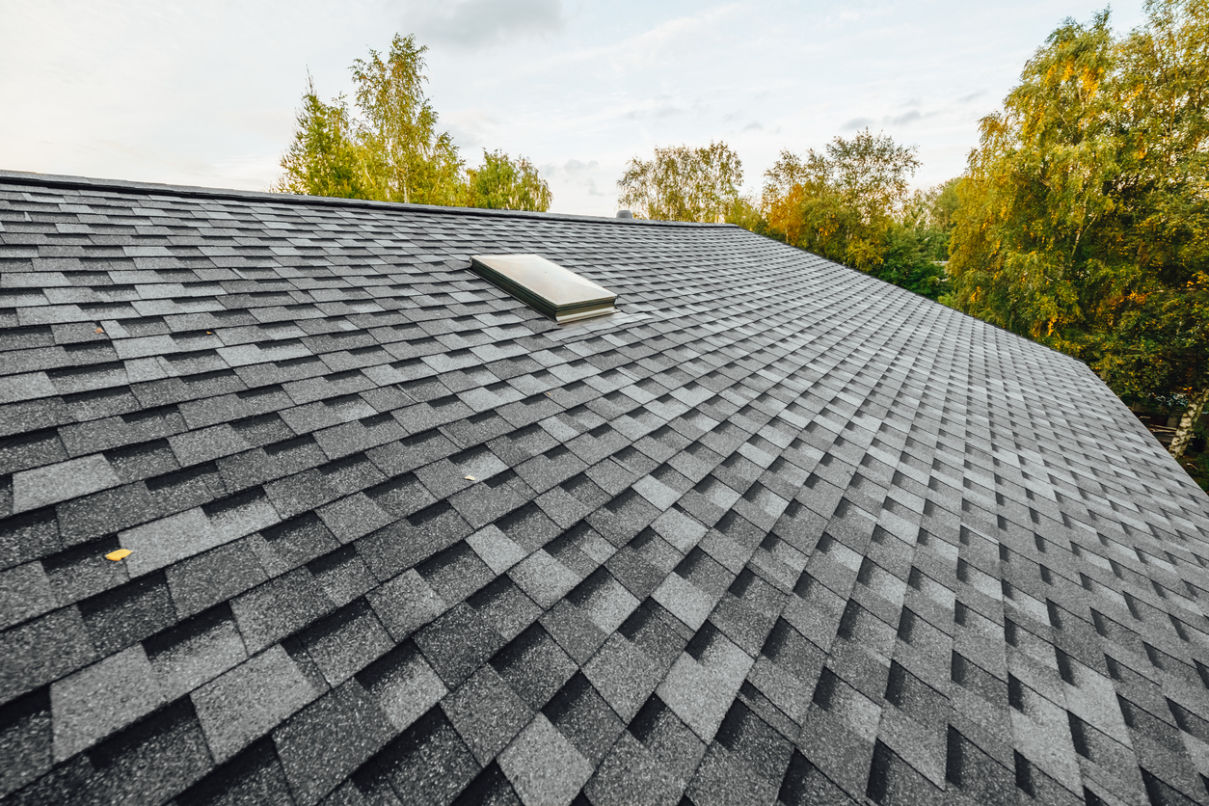
Asphalt shingles are common on homes in Virginia Beach, and they can perform well when installed properly and maintained consistently. Still, they are not immune to coastal stress. Salt air, humidity, and heat can all influence how shingles age over time.
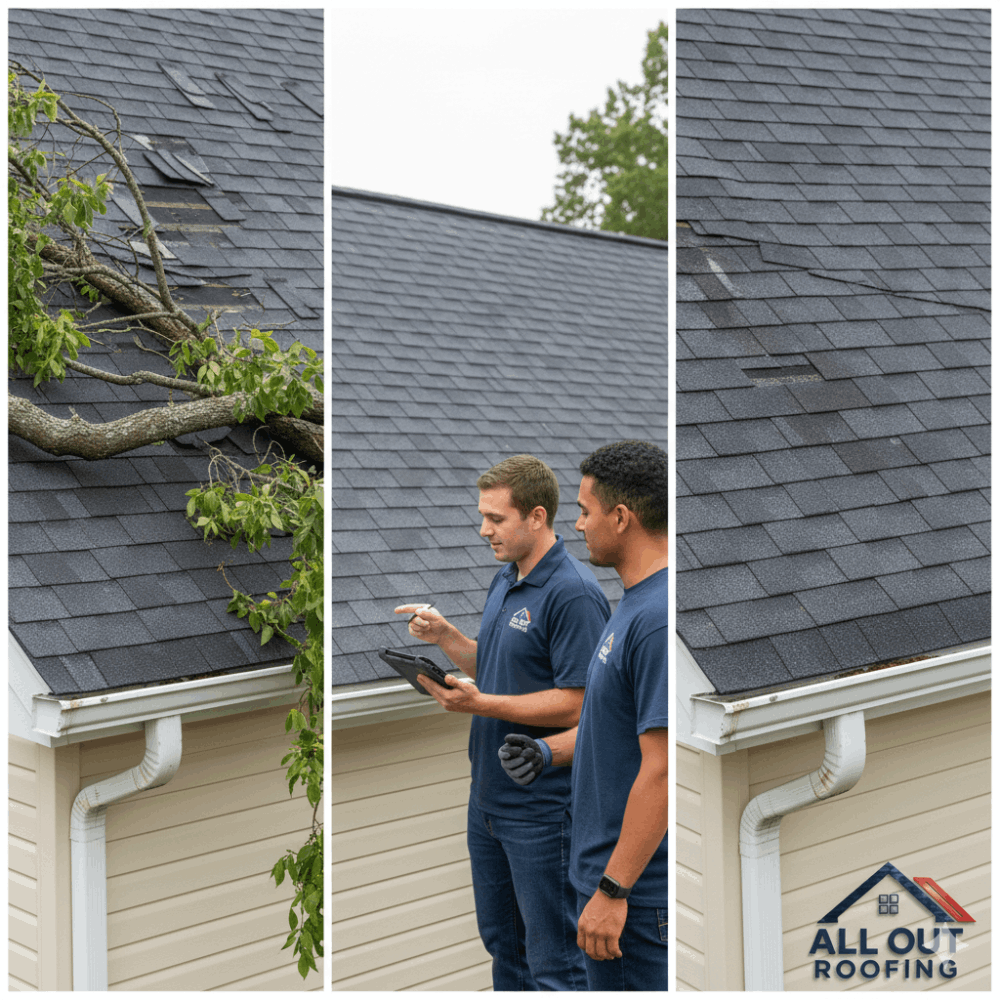
In a humid environment, shingles may stay wet longer after rain or overnight moisture. This can contribute to surface staining, algae growth, and gradual wear. Over time, homeowners may notice dark streaking, curling edges, granule loss, or areas that look more weathered than expected. These signs do not always mean immediate failure, but they do indicate that the roof is absorbing the cumulative effect of its environment.
Shingle roofs also depend on the condition of surrounding components such as flashing, ridge vents, pipe boots, underlayment, and decking. If those supporting details are compromised by moisture or corrosion, the performance of the entire roof can suffer even if most shingles still appear intact.
Metal Components Are Often the First Place Trouble Starts
Even on roofs that are not metal roofing systems, metal parts often determine whether the roof stays watertight. Flashing and fasteners are especially important, and they are also some of the first components to show the effect of salt air and coastal exposure.
Homeowners should pay particular attention to:
- Flashing around chimneys, skylights, and wall connections
- Metal valleys and drip edges
- Fasteners and exposed metal accessories
- Vent housings and roof penetrations
- Gutters and downspout systems
When corrosion starts in these areas, the roof’s weak points become weaker. Water often enters around details, not through the middle of a roof field. That is why a roof can look acceptable from a distance while moisture is already finding its way through aging metal transitions.
Ventilation Matters More Than Many Homeowners Realize
In a humid coastal climate, attic ventilation plays a major role in overall roof health. Good ventilation helps the roof system release heat and moisture rather than trapping it beneath the surface. When attic airflow is poor, warm humid air can build up inside the home’s upper structure, increasing condensation risk and placing more stress on roofing materials from below.
This issue is easy to overlook because homeowners tend to focus only on what is visible from outside. But the attic can reveal a great deal about how the roof is performing. Signs such as damp insulation, musty odors, staining on decking, or poor airflow can all point to ventilation-related stress.
In Virginia Beach, where humidity is already working against the roof from the outside, it makes little sense to allow trapped moisture to work against it from the inside as well. Proper ventilation helps support longer material life and reduces the chance that the roof will stay chronically damp in hidden areas.
What Homeowners Should Watch For
Because coastal damage often develops gradually, homeowners benefit from knowing the warning signs. A roof does not need to be failing to justify attention. Subtle changes can be the earliest signal that salt air and humidity are beginning to take a toll.
Common signs include:
- Rust or discoloration on flashing, vents, or gutters
- Dark streaking or algae growth on shingles
- Loose, curled, or deteriorating shingles
- Recurring moisture stains in the attic or on ceilings
- Peeling sealant around roof penetrations
- Soft spots or visible wear near roof edges and valleys
These issues do not all mean the roof needs full replacement, but they do suggest that the roof should be inspected. In a coastal environment, waiting for a major leak is rarely the smartest strategy.
Maintenance Steps That Help Reduce Long-Term Damage
The best response to coastal wear is consistent preventive maintenance. Homeowners cannot eliminate salt air or humidity, but they can reduce the damage those conditions cause over time. The goal is to identify vulnerable areas early, keep drainage moving, and make sure the roofing system is drying and performing as it should.
Helpful maintenance steps include:
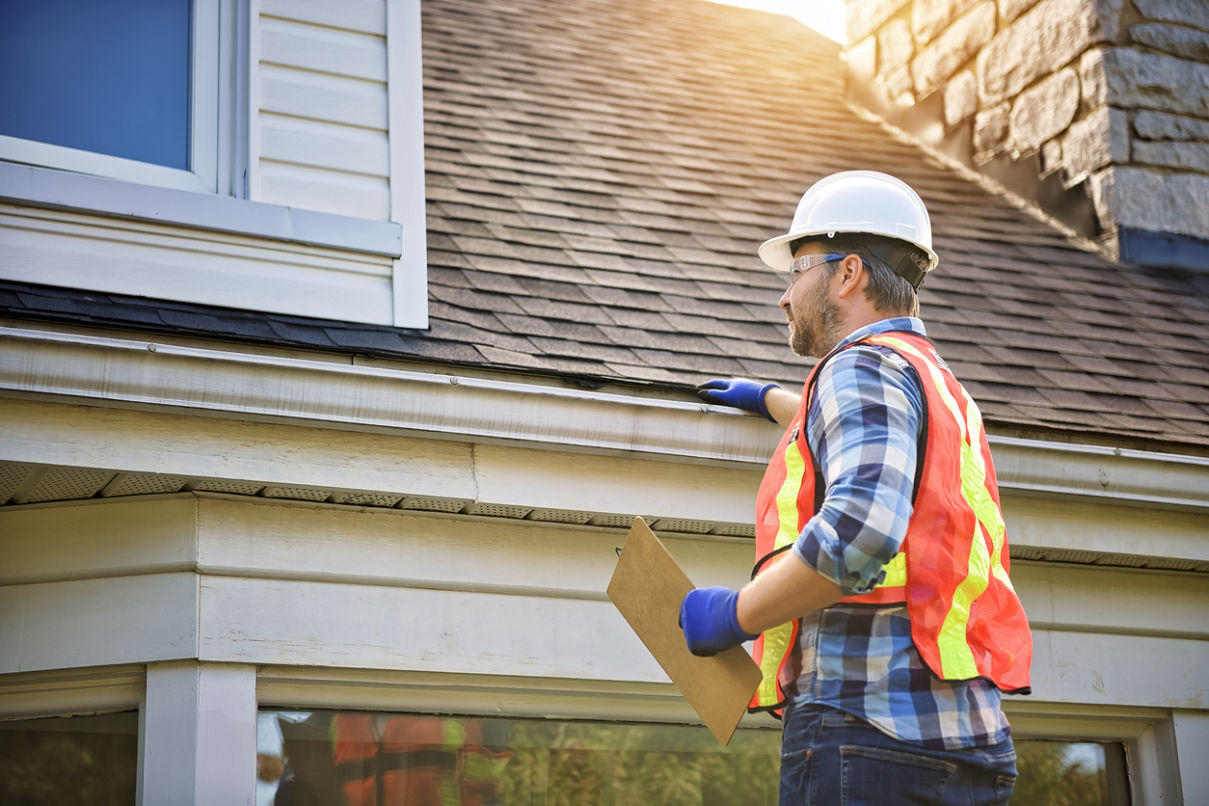
- Scheduling regular professional roof inspections
- Checking flashing, fasteners, and metal accessories for corrosion
- Cleaning gutters and keeping valleys free of debris
- Addressing algae growth or staining before it spreads
- Repairing minor shingle damage and worn sealants promptly
- Reviewing attic ventilation and moisture conditions
These are practical, prevention-focused measures. They do not eliminate aging, but they can slow unnecessary deterioration and help homeowners avoid larger repair bills later.
Why Timing Matters With Coastal Roof Repairs
Because moisture-related wear tends to spread gradually, small roof issues should be repaired sooner rather than later. A tiny flashing gap or localized corrosion spot may feel easy to postpone, but in Virginia Beach conditions, those issues are rarely static. Salt and humidity continue working on them every day, and the next heavy rain can push a minor weakness into an active leak.
Prompt repairs are especially important when the damage involves metal transitions, penetrations, or drainage areas. These are the sections of the roof that often decide whether the system continues performing well or begins taking on water.
Homeowners often save money by acting early. A simple repair performed at the right time is usually far easier to manage than interior water damage, deteriorated decking, or broader moisture intrusion discovered later.
Local Roofing Experience Makes a Difference
Coastal roofing is not exactly the same as roofing in inland markets. The materials may look similar, but the wear patterns, maintenance priorities, and common points of failure can be different. That is why working with a roofing contractor who understands Virginia Beach conditions matters.
A local roofing professional can assess not just whether the roof is aging, but how local moisture, salt exposure, drainage patterns, and ventilation conditions are influencing that aging. They can also help homeowners decide whether the roof needs monitoring, repair, or more extensive work based on actual coastal performance rather than generic assumptions.
Final Thoughts on Coastal Roof Care in Virginia Beach
Understanding how salt air and humidity affect roofs in Virginia Beach helps homeowners take a smarter, more proactive approach to roof care. Coastal exposure is not always dramatic, but it is persistent. Salt can accelerate corrosion in metal components. Humidity can increase moisture retention, encourage algae growth, and contribute to slow, hidden deterioration. Over time, those conditions can shorten the life of a roof if the system is not inspected and maintained with local realities in mind.
The good news is that homeowners are not powerless against coastal wear. Regular inspections, attention to flashing and fasteners, clean drainage, healthy attic ventilation, and timely repairs can go a long way toward reducing long-term damage. Most serious roofing problems begin as smaller ones, and in a place like Virginia Beach, early action is one of the best ways to protect both the roof and the home beneath it.
For homeowners who want lasting performance, the smartest strategy is not to wait for obvious failure. It is to treat coastal exposure as a normal part of homeownership and maintain the roof accordingly. With the right professional guidance and a prevention-focused plan, your Virginia Beach roof can stay stronger, drier, and more dependable through the conditions it faces year after year.