Common Causes of Roof Leaks in Norfolk Homes
Discover the most common causes of roof leaks in Norfolk homes, including flashing failure, shingle damage, clogged drainage, and age.

A roof leak rarely begins as a dramatic event. Most of the time, it starts quietly. A small gap opens near flashing. A shingle loosens after a stretch of wind. Water begins backing up where drainage is blocked. The roof still looks mostly fine from the driveway, so the problem goes unnoticed until a stain appears on the ceiling or a musty smell starts building in the attic. By that point, what began as a minor roofing issue may already be affecting insulation, decking, drywall, or wood framing. That is why homeowners benefit from understanding the most common causes of roof leaks in Norfolk homes before the damage becomes harder and more expensive to fix.
In Norfolk, roofs face a demanding environment. Heavy rain, humidity, strong winds, summer heat, and seasonal storms all put pressure on roofing materials over time. Even when a storm does not cause dramatic visible destruction, repeated weather exposure can weaken roof details slowly. That is often how leaks begin. A roof does not need a hole in the middle to let water in. In many cases, the leak starts at a transition point, an aging material edge, or a drainage area that is no longer doing its job correctly.
For homeowners in Norfolk and nearby Virginia Beach, learning what commonly causes leaks is one of the best ways to stay ahead of roofing trouble. A leak is never just about the water spot you see indoors. It is about the weak point on the roof that allowed that moisture in and the conditions that made the problem worse over time. The earlier you understand where leaks often come from, the easier it is to schedule the right inspection, make informed repair decisions, and protect your home before a smaller roofing issue turns into a larger one.
Why Roof Leaks Are So Common in Norfolk
Roofs in Norfolk are exposed to more than simple wear and tear. The local climate plays a major role in how materials age and how quickly small vulnerabilities can become active leaks. Homes here deal with strong rain events, wind-driven moisture, coastal humidity, seasonal storms, and long periods of summer heat. That combination matters because roofs are not only tested during severe weather. They are tested repeatedly by everyday conditions that slowly stress shingles, sealants, flashing, and drainage systems.
Humidity is especially important in coastal Virginia. Even when rain is not actively falling, moisture-heavy air can slow drying and contribute to long-term wear. Add wind, sun exposure, and sudden downpours, and the roof has to work hard through every season. This is why the causes of roof leaks in Norfolk homes are often not isolated to one dramatic event. They are usually the result of gradual deterioration, overlooked maintenance, or storm-related damage that was small enough to ignore at first.
The roof does not need to fail completely for a leak to start. It only needs one weak point where water can enter under the right conditions. That is what makes leaks both common and deceptive.
Flashing Failure Around Roof Transitions
One of the most common causes of leaks is flashing failure. Flashing is the metal material installed around vulnerable roof transitions such as chimneys, skylights, vent pipes, valleys, and roof-to-wall intersections. These are the places where water is naturally more likely to collect, flow, or change direction. If flashing is loose, rusted, cracked, or improperly sealed, the roof becomes vulnerable even if the shingles themselves still look mostly fine.
Flashing is essential because water does not usually attack the roof evenly. It looks for joints, openings, and detail areas where the materials meet. Over time, flashing can begin to separate because of weather exposure, aging sealant, movement in the roofing system, or past repairs that did not hold up well. In Norfolk, where wind-driven rain is common, even a small flashing weakness can become a real leak source.
Homeowners often first notice flashing-related leaks as stains near fireplaces, around ceiling corners, near wall intersections, or around vent penetrations. The visible stain inside may not be directly below the flashing problem, since water often travels before it appears. That is one reason flashing leaks can be so frustrating without a professional inspection.
Shingle Damage From Wind and Weather
Shingle damage is another major cause of roof leaks. Asphalt shingles remain a common roofing material on Norfolk homes because they are practical, familiar, and effective when properly installed and maintained. But shingles are also directly exposed to sun, rain, wind, and temperature changes. Over time, that exposure creates wear.
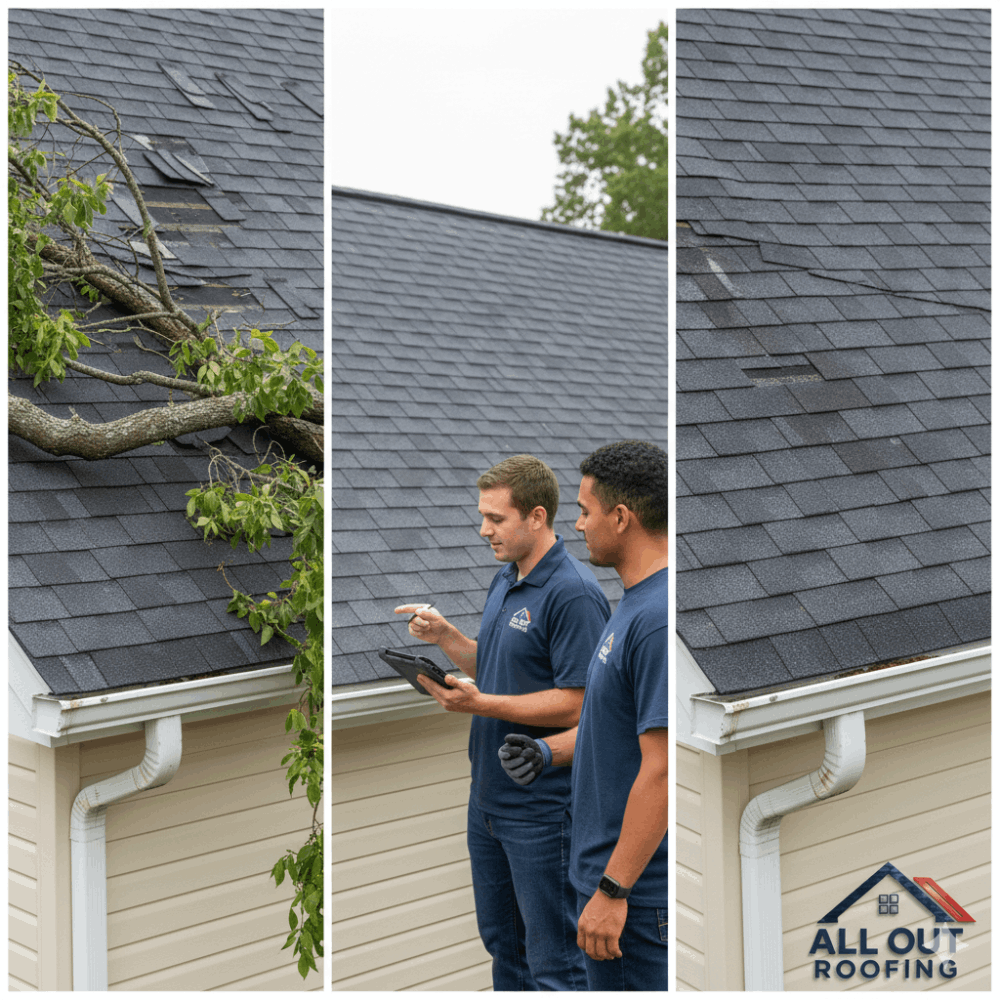
Sometimes the damage is obvious. Shingles may be missing after a storm or torn badly enough to expose the layers beneath. More often, the early damage is subtle. A shingle may lift and lose its seal. Edges may curl. Granules may wear off. A crack may form that seems small until the next storm pushes water through it.
Wind is especially important here. Norfolk weather does not always need a major named storm to cause shingle trouble. Repeated gusts, strong seasonal weather, and storm edges can loosen shingles over time. Once a shingle lifts or creases, it becomes more vulnerable during the next rainfall. Water then has a better chance of getting past the protective surface and into the underlayment or decking below.
Shingle damage is one of the most visible causes of roof leaks in Norfolk homes, but it is also one of the easiest to underestimate when only a small section seems affected.
Clogged Gutters and Poor Roof Drainage
Many homeowners do not think of gutters as part of the roof leak conversation, but drainage problems are one of the most common ways water begins working against a roof instead of flowing safely off it. Gutters, downspouts, valleys, and roof edges all play a role in how water leaves the home. If that path is blocked, damaged, or poorly managed, water can back up under shingles or pool near vulnerable areas.
Clogged gutters are especially common when leaves, pine needles, branches, and shingle granules build up over time. During heavy rain, the blocked system cannot move water quickly enough. Instead of flowing away, water may spill over edges, run back toward fascia boards, or remain near the roofline where it has more time to find openings.
Drainage-related leaks often begin near eaves, lower roof edges, and valleys where water movement is naturally concentrated. The signs may include overflowing gutters, staining along trim boards, damp soffits, or interior leaks near the perimeter of the home.
Good drainage may not be the most exciting part of roof care, but it is one of the most practical. When water is not leaving the roof properly, leak risk rises quickly.
Aging Roofing Materials
Age is one of the most straightforward causes of roof leaks, but it is often misunderstood. A roof does not become a problem just because it reaches a certain age on paper. What matters is how the materials have actually weathered over time. In Norfolk, roofs deal with coastal humidity, rain, sun exposure, and storm stress that may shorten their effective life compared to drier inland climates.
As roofing materials age, shingles may lose granules, become brittle, curl at the edges, or crack more easily. Sealants dry out. Flashing begins to corrode or loosen. Vent boots may split. The roof can still appear mostly intact from a distance while gradually becoming less dependable. Eventually, one of those aging points becomes the place where a leak begins.
This is why roof age matters most when it is considered alongside condition. An older roof with visible wear, repeated repairs, and moisture-related symptoms is more likely to develop leaks than a newer roof with only isolated storm damage. Homeowners should not wait for obvious failure before taking an aging roof seriously.
Leaks Around Chimneys, Skylights, and Vents
Roof penetrations are common sources of water intrusion because they interrupt the main roof surface and require more detail work to remain watertight. Chimneys, skylights, plumbing vents, and exhaust vents all depend on well-installed flashing, reliable seals, and stable surrounding materials. Once any of those details begin to break down, water often finds the weakness quickly.
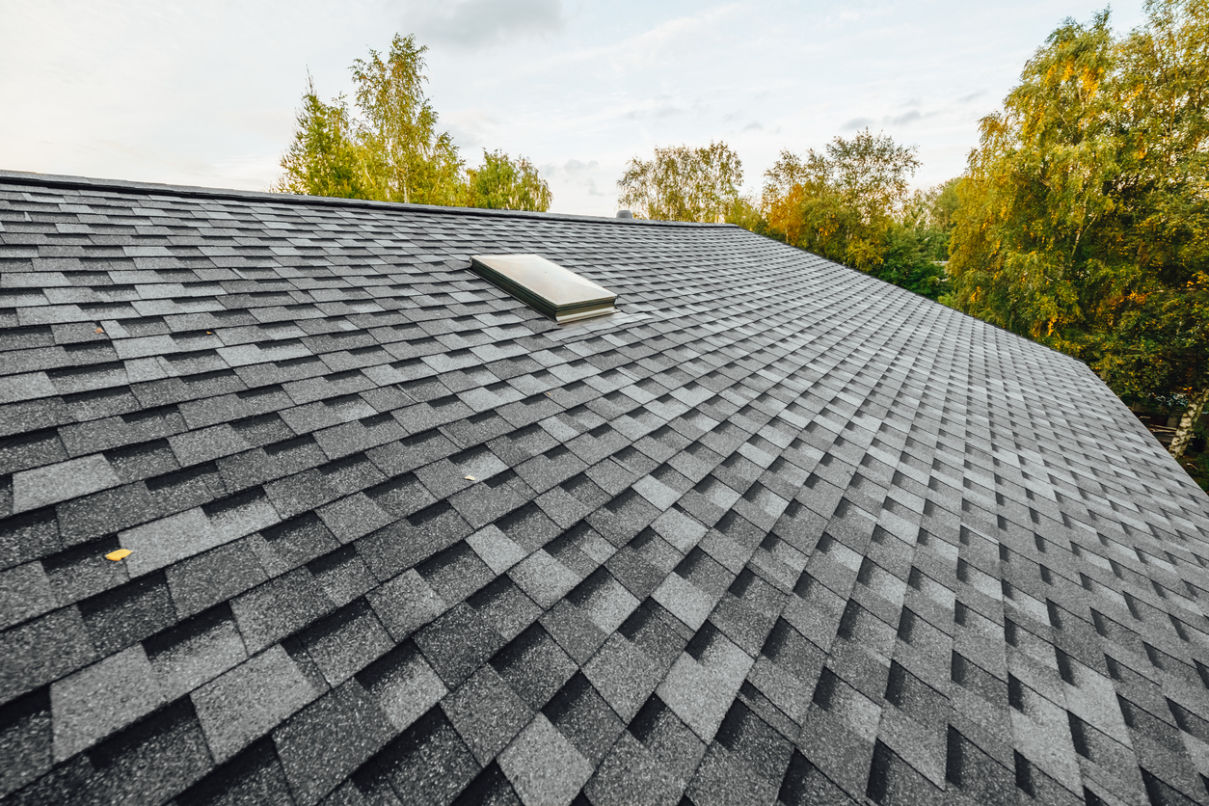
Chimneys are especially common leak points because they involve multiple seams and flashing transitions. Skylights can also be trouble spots if flashing ages, seals weaken, or the surrounding roof materials deteriorate. Plumbing vent boots are another frequent cause of smaller but persistent leaks. The rubber or seal around the vent can crack over time, especially after years of sun exposure and weather stress.
These leaks may show up in very specific ways, such as ceiling stains near a fireplace, moisture around a vent area, or drips during wind-driven rain. They are a good reminder that a roof leak is not always about a large damaged section. Sometimes it is about a small but crucial detail that has begun to fail.
Storm Damage That Is Not Immediately Obvious
Storm damage is one of the clearest causes of roof leaks, but many homeowners miss it because not all storm damage looks dramatic. A roof may survive a storm without visible holes or major sections missing, yet still suffer meaningful damage. Wind may lift shingles enough to break their seal. Flying debris may bruise or weaken a small area. Flashing may shift slightly. Gutters may loosen or bend. Those changes may not seem serious from the ground, but they can create entry points for water later.
This is one reason post-storm inspections are so valuable. They help uncover damage while it is still limited. Without that inspection, the homeowner may only find out something changed when the next rainstorm brings water inside. In Norfolk, where roofs are tested repeatedly by seasonal weather, even a small unaddressed storm issue can become a bigger leak problem quickly.
Storm-related leaks often feel sudden to the homeowner, but the roof may have been compromised days or weeks before the stain finally appears indoors.
Poor Attic Ventilation and Hidden Moisture Stress
Not every roof leak begins with rain hitting a weak point from above. Sometimes problems begin from within the roofing system itself, and poor attic ventilation is a major reason why. When heat and moisture build up in the attic and remain trapped there, the roof can begin aging faster. Decking may stay damp. Shingles may deteriorate more quickly. Wood may show signs of mold or moisture stress.
While poor ventilation does not always create a classic “leak” in the immediate sense, it often contributes to the conditions that make leaks more likely later. It may also create moisture-related symptoms that homeowners mistake for roof leaks, especially when staining or condensation begins appearing beneath the roof deck.
In Norfolk’s humid climate, ventilation deserves serious attention. A poorly ventilated attic makes it harder for the roof system to dry and regulate itself. That means any small vulnerability on the roof can become more problematic when the system is already holding excess heat and moisture from below.
Valley Problems and Concentrated Water Flow
Roof valleys are the areas where two slopes meet, creating a channel that directs large amounts of water off the roof. Because valleys concentrate water flow, they are naturally one of the most sensitive parts of the system. If the materials in the valley are damaged, blocked, worn, or improperly installed, leaks often follow.
Valleys may become vulnerable because of worn shingles, damaged flashing, debris buildup, or poor drainage design. Once water slows or pools in a valley, the risk increases. Heavy rain can then drive water under surrounding materials or expose weak underlayment below.
Valley leaks can be difficult for homeowners to identify precisely because the interior symptoms may appear away from the valley itself. Water often travels. But when an inspection reveals valley deterioration, it usually becomes clear why the home has been taking on moisture during storms.
Previous Repairs That Did Not Solve the Real Problem
Another overlooked cause of leaks is prior repair work that treated the symptom instead of the real source. A leak may have been patched around one visible spot, but if the larger flashing problem, drainage problem, or broader material wear was never addressed, the roof often leaks again. In some homes, recurring leaks are not caused by one brand-new failure. They are caused by an old problem that was never corrected fully.
This is why professional diagnosis matters. A recurring leak should not simply be patched again without asking why the first fix did not last. Sometimes the original repair was too small. Sometimes it used materials that were not appropriate for long-term performance. Sometimes the roof is aging more broadly, and repairs are starting to become temporary rather than strategic.
When homeowners notice repeat leaks in the same area, that is usually a sign that a more thorough inspection is needed. It is rarely just bad luck.
How Homeowners Can Catch Leak Risks Earlier
Knowing the causes of roof leaks in Norfolk homes is useful, but the real goal is catching those issues before water spreads indoors. Homeowners do not need to climb on the roof themselves to do that. They simply need to pay attention to warning signs and respond before the problem grows.
Helpful habits include:
- Looking at the roof from the ground after storms
- Watching for missing, curling, or uneven shingles
- Keeping gutters and valleys clear of debris
- Checking attics for damp insulation or staining
- Taking ceiling stains seriously, even when they seem small
- Scheduling professional inspections when the roof is older or weather has been severe
These steps will not prevent every roofing issue, but they do make it much easier to catch leak risks before the repair becomes larger and more expensive.
Why Professional Roof Inspections Matter
Leak sources are not always obvious. Water may enter through one part of the roof and appear inside somewhere else entirely. A contractor who understands local roofing conditions can identify the true source more effectively than a homeowner trying to guess from an interior stain alone.
In Norfolk, inspections matter because of the combination of coastal humidity, weather exposure, and storm patterns that affect how roofs fail. A professional roofer can evaluate shingles, flashing, drainage, penetrations, attic conditions, and overall roof age to determine what is causing the leak and whether the roof needs repair, broader corrective work, or replacement planning.
That kind of clarity protects the home and helps avoid wasted money on temporary fixes that do not address the real problem.
Final Thoughts on the Causes of Roof Leaks in Norfolk Homes
The most common causes of roof leaks in Norfolk homes usually include flashing failure, shingle damage, clogged drainage, storm-related weakening, aging materials, penetration issues around chimneys and vents, valley problems, and attic moisture conditions that put extra stress on the roof system. In many cases, leaks are not caused by one dramatic failure. They are caused by a small weakness that weather finds and worsens over time.
The good news is that most roof leaks give warning signs before the damage becomes severe. A few missing shingles, granules in the gutter, an attic stain, loose flashing, or water marks on the ceiling are all part of the roof’s way of telling you something needs attention. Homeowners who respond early usually have more repair options, less interior damage, and a better chance of preserving the life of the roof.
For homeowners in Norfolk, Virginia Beach, and surrounding areas, the smartest strategy is a proactive one. Pay attention to small changes, treat leaks as more than cosmetic issues, and get a professional inspection before the damage spreads. A roof leak may begin quietly, but with the right attention and the right repair approach, it does not have to turn into a larger problem for your home.