Chesapeake Roof Repair Tips After Heavy Rain and Wind
Use these Chesapeake roof repair tips after heavy rain and wind to spot damage early, protect your home, and schedule repairs quickly.

Heavy rain and strong wind can change the condition of a roof faster than many homeowners expect. A roof that looked perfectly fine a week ago can suddenly have lifted shingles, compromised flashing, clogged drainage paths, or small leak points that do not become obvious until the next storm rolls through. In a place like Chesapeake, where changing weather patterns, coastal moisture, and seasonal storms are part of homeownership, knowing what to do after rough weather matters. That is why these Chesapeake roof repair tips after heavy rain and wind are so valuable for homeowners who want to spot damage early, protect their property, and avoid larger repairs later.
One of the most common mistakes homeowners make after bad weather is waiting for visible interior damage before taking action. By the time a ceiling stain appears or water drips into the attic, the roof problem may already be more advanced than it first seems. Moisture often travels before it shows itself. Wind damage can loosen roofing materials without tearing them off completely. Rain can find its way through a weak flashing detail or under an already aging shingle section. What looks like a minor issue after the storm can become a much larger one if it is left alone.
The good news is that homeowners do not need to panic every time a strong weather system passes through. What they do need is a practical plan. A calm, careful inspection from the ground, quick attention to warning signs, and prompt scheduling with a trusted roofing professional can make a major difference. The goal is not to guess at the full extent of damage from your driveway. The goal is to recognize when the roof may have been compromised and respond before the next round of rain makes things worse.
For homeowners in Chesapeake and nearby Virginia Beach, a prevention-focused approach is always smarter than a reactive one. The sooner storm-related issues are identified, the easier they usually are to manage.
Why Heavy Rain and Wind Are So Hard on Roofs
Rain and wind do not damage a roof in exactly the same way, and that is part of what makes post-storm inspection so important. Wind tends to attack the roof system by lifting, loosening, and stressing materials. It can break the seal on shingles, pull at ridge caps, move flashing, and expose vulnerable edges. Even if nothing appears to be missing from the ground, shingles may have been creased or shifted enough to reduce their ability to protect the home.
Rain creates a different kind of pressure. Once the roof has a weakness, water finds it. A gap in flashing, a loose shingle, a cracked pipe boot, or a backed-up gutter can all become entry points. Heavy rain does not need a large opening to cause trouble. In fact, wind-driven rain is especially effective at reaching places the roof might normally protect during calmer weather.
In Chesapeake, this matters because roofs are already dealing with humidity, moisture-heavy air, and changing temperatures over time. A storm does not always create a problem from scratch. Sometimes it simply exposes the weak point that was already there.
Start With Safety, Not Curiosity
The first and most important tip after heavy rain and wind is simple: do not climb onto the roof yourself. Wet roofing materials can be slippery, unstable, and dangerous, especially if the storm caused hidden structural weakness. Homeowners do not need to get onto the roof to begin assessing whether professional help is needed.
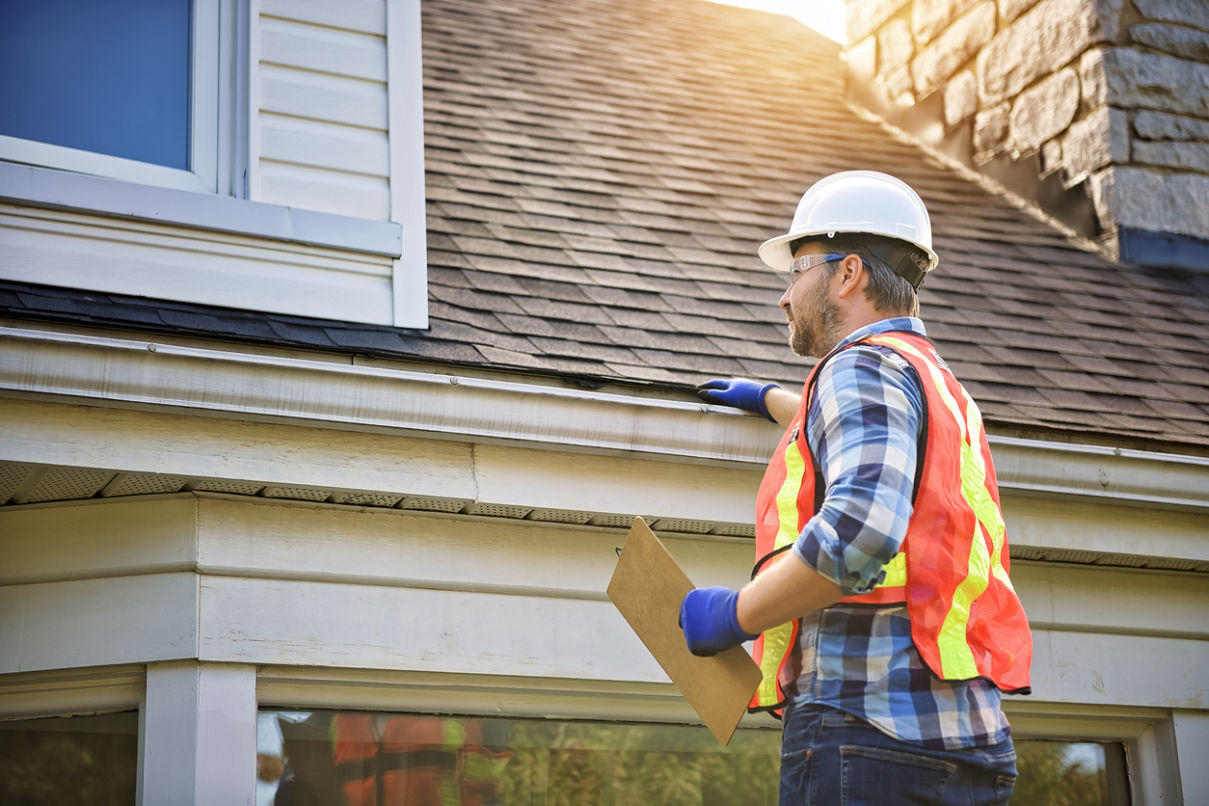
A safer first step is to walk around the property from the ground and look for visible changes. Try to view the roof from multiple angles if possible. Look at the yard, the gutters, the siding, and the edges of the roofline. Check the attic and ceilings inside the home as well. A smart roof response begins with observation, not risk.
After heavy rain and wind, homeowners should watch for:
- Shingles or roofing debris on the ground
- Bent or detached gutters and downspouts
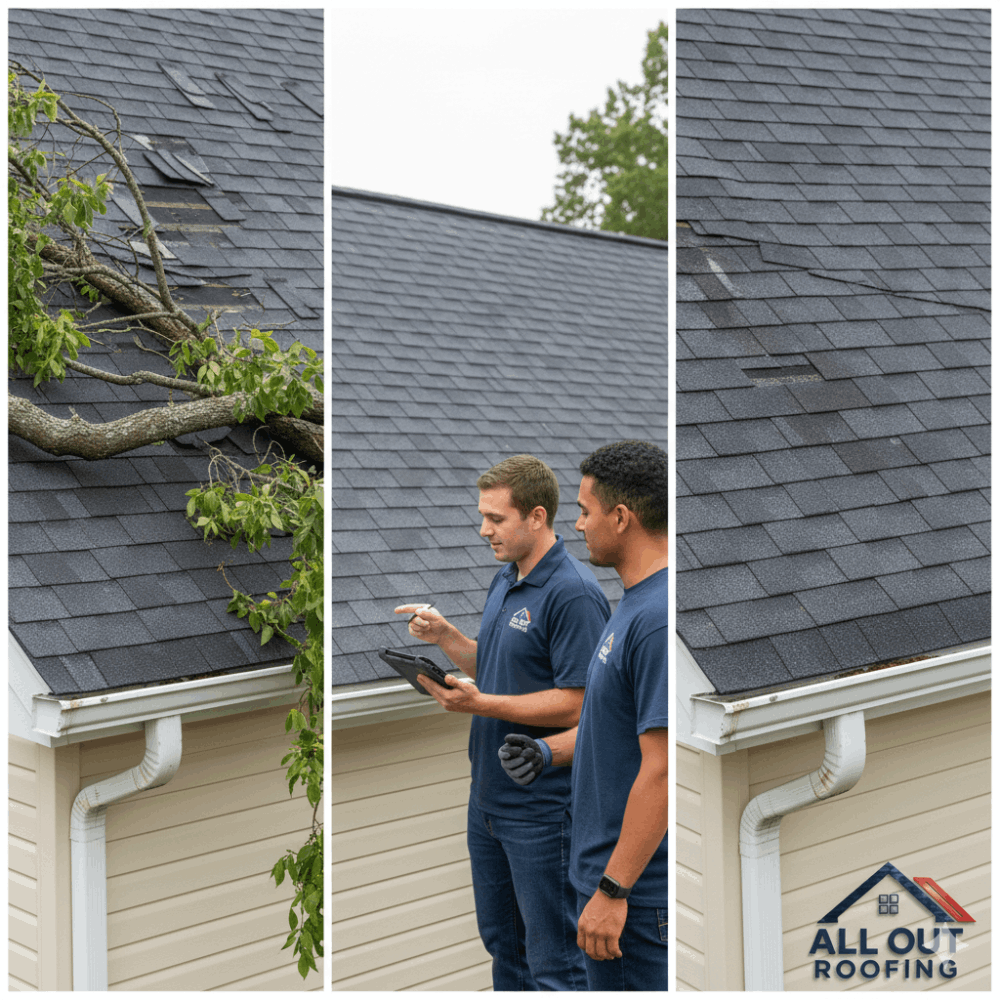
- Tree limbs or branches on or near the roof
- Lifted, uneven, or visibly missing roof sections
- New water stains on ceilings or upper walls
- Musty attic odors or damp insulation
These signs do not all mean the roof needs major repair, but they do suggest it may need professional attention soon.
Check for the Signs Wind Damage Leaves Behind
Wind damage can be harder to recognize than homeowners expect. Many people assume wind damage means shingles have blown completely off the house. Sometimes that happens, but often the first sign is subtler. A shingle may lift enough to crease, crack, or lose its seal without fully detaching. Once that happens, the next storm has a much easier time causing further damage.
This is one reason Chesapeake roof repair tips after heavy rain and wind should always include a post-storm visual review. Wind tends to affect edges, corners, ridges, and areas where the roof transitions around dormers, chimneys, or valleys. These are the places where air pressure and uplift often create the most stress.
From the ground, look for roof sections that seem uneven, lifted, or slightly out of line with the surrounding shingles. Also check the yard for pieces of shingles or flashing. Even a small amount of roofing debris can mean the storm did more than it first appeared.
Keep in mind that a roof can have meaningful wind damage without dramatic visual loss. If the storm included strong gusts and the roof is older, an inspection is often worth scheduling even when the damage is not obvious.
Pay Attention to Gutters, Downspouts, and Drainage
Drainage problems are often overlooked after storms, but they can create roof trouble quickly. Heavy rain pushes leaves, granules, twigs, and debris into gutters and downspouts. If those drainage paths become blocked, water may overflow at the roof edge or back up beneath shingles. That can damage fascia boards, soffits, and roof decking if the issue is not addressed.
After rain and wind, take a close look at the gutter system from the ground. Check whether gutters are hanging normally or pulling away from the house. Look for signs of overflow, sagging sections, or debris buildup. Water should have a clear way off the roof and away from the home.
Some of the most practical repair prevention tips involve drainage:
- Clear out obvious debris if it can be done safely from a ladder or by a professional.
- Watch for granule buildup in gutters, which can signal shingle wear.
- Make sure downspouts are not blocked or detached.
- Schedule repairs quickly if gutters were bent or torn loose during the storm.
A roof performs best when water leaves it efficiently. After heavy rain, poor drainage can turn minor storm stress into active moisture intrusion.
Look Inside the Home as Carefully as You Look Outside
Homeowners often focus entirely on the exterior after a storm, but some of the most useful clues show up inside the home first. A small leak may begin in the attic long before it appears in the living room. Damp insulation, dark water marks on decking, peeling paint near ceiling corners, or a faint musty smell can all point to storm-related roof damage.
Take time to look in the attic if it is accessible and safe. Check for fresh staining, damp wood, wet insulation, or any signs that water may have entered during the storm. Indoors, pay special attention to upper-floor ceilings, walls near the roofline, and areas around chimneys or vents.
This is one of the most useful Chesapeake roof repair tips after heavy rain and wind because many leaks begin quietly. Catching moisture early can prevent a larger repair later. Water that enters the home does not just threaten the roof. It can affect drywall, insulation, paint, framing, and indoor air quality as well.
Do Not Ignore Small Water Stains
A small water stain is easy to dismiss, especially if it dries and does not seem to spread right away. But that kind of thinking often leads to more expensive repairs. Water stains are rarely cosmetic-only problems. They are signs that moisture has already made it through part of the roofing system and into the home.
The source of the leak may not be directly above the stain. Water often travels along framing, decking, or insulation before it becomes visible. That is why even a modest stain deserves attention, particularly after a period of heavy rain or strong wind.
If a new stain appears after bad weather, document it with photos and pay attention to whether it changes size or color. Then schedule a professional roofing evaluation rather than waiting to see whether it returns during the next storm. The next round of rain may not be as forgiving.
Document What You See Before Repairs Begin
One of the simplest and smartest things a homeowner can do after weather-related roof damage is document the condition of the property. Take clear photos of visible exterior damage, debris in the yard, affected gutters, ceiling stains, attic moisture, and any tree limbs or impact areas connected to the storm.
This helps in a few ways. First, it gives the roofing contractor a useful starting point when discussing what changed after the weather event. Second, it creates a record of what the home looked like before temporary fixes or cleanup alter the scene. Third, it helps homeowners feel more organized during a stressful situation.
Documentation should include:
- Wide photos of the roof from the ground
- Close photos of debris, gutters, and visible damage
- Interior photos of stains or moisture signs
- Notes on when the storm happened and when the damage was noticed
Being organized early makes the repair process smoother and helps avoid confusion later.
Schedule Roof Repairs Promptly, Not Eventually
One of the biggest mistakes homeowners make after a storm is delaying the repair call because the damage does not seem urgent yet. This is understandable. Life is busy, and if water is not actively dripping into the room, it is easy to assume the issue can wait. But storm damage often gets worse quietly. A loosened shingle today can become an open leak path next week. A small flashing gap can turn into soaked decking after the next rainfall.
Prompt repair scheduling matters because roofing systems are layered. Once the outer layer is compromised, the materials beneath become more vulnerable. The faster the weak point is corrected, the more likely the repair stays localized and affordable.
In other words, quick action does not just fix the immediate issue. It protects the rest of the roof from secondary damage.
Know the Difference Between a Repair Issue and a Bigger Roof Problem
Not every post-storm roof issue requires a full replacement. In many cases, targeted repairs are enough. A few damaged shingles, flashing corrections, minor gutter repair, or resealing around a penetration may restore the roof’s integrity. But sometimes a storm reveals that the roof was already in a vulnerable stage of life.
If the roof is older, has widespread granule loss, repeated leak history, sagging areas, or multiple repairs across different sections, the storm may be exposing a larger problem rather than creating a brand-new one. This is why professional evaluation is so important. Homeowners should not have to guess whether the roof needs simple repair or more extensive work.
A roofing contractor can help answer practical questions such as:
- Is the storm damage isolated or widespread?
- Does the roof still have dependable life left?
- Are repairs likely to hold, or is replacement becoming the smarter long-term option?
- Are there hidden weak points that should be addressed now?
The right answer depends on the overall condition of the roof, not just the latest storm.
Do Not Overlook Flashing and Roof Penetrations
Many homeowners assume that leaks come from missing shingles, but roof leaks often begin around flashing, vents, chimneys, skylights, and other penetrations. These details are especially vulnerable after heavy rain and wind because they rely on precise seals and secure transitions to stay watertight.
Wind can loosen flashing without making the damage obvious from the ground. Rain can then follow that weak point into the roof system. This is why recurring leaks often show up around chimneys, vent pipes, and roof-to-wall connections.
If you notice water stains near a fireplace, vent, or upper wall corner, the issue may involve flashing rather than the open roof field. These repairs require careful workmanship. Quick patching without identifying the true failure point often leads to repeat problems.
Post-Storm Roof Care Is Part of Long-Term Home Protection
Roof care after heavy weather is not only about responding to emergencies. It is part of protecting the long-term condition of the home. Every time a storm passes, the roof either holds up well or gives subtle signs that it needs attention. Homeowners who respond to those signs early usually have better outcomes. Repairs stay smaller. Moisture stays out of the home. The roof lasts longer and performs more reliably.
This is especially true in Chesapeake, where roofs deal with more than just one season of rough weather. Humidity, coastal moisture, heavy rain, and periodic wind events all contribute to gradual wear. A smart post-storm routine helps reduce the chance that one weather event will start a chain reaction of avoidable damage.
Final Thoughts on Chesapeake Roof Repair Tips After Heavy Rain and Wind
The most important Chesapeake roof repair tips after heavy rain and wind are practical ones: stay safe, inspect from the ground, check inside the home, pay attention to gutters and drainage, document what you find, and schedule repairs quickly when warning signs appear. Heavy weather does not always leave behind dramatic damage, but it often leaves behind enough change to make the roof more vulnerable during the next storm.
Homeowners do not need to become roofing experts to protect their property well. They simply need to recognize that small signs matter. A water stain, a few missing granules, loose gutters, roofing debris in the yard, or an unusual roofline after a storm may all be the roof’s way of asking for attention. The sooner that attention comes, the easier it usually is to prevent larger damage.
For homeowners in Chesapeake, Virginia Beach, and surrounding areas, the smartest move after heavy rain and wind is to treat the roof as a priority, not an afterthought. With prompt inspection, timely repairs, and trusted local roofing guidance, you can protect your home, preserve your roof’s remaining life, and head into the next weather event with more confidence.