Chesapeake Homeowner's Guide to Preventing Roof Leaks
Use this Chesapeake homeowner’s guide to prevent roof leaks with routine maintenance, inspection schedules, and attention to common weak points.

A roof leak rarely starts as a dramatic problem. Most of the time, it begins quietly. A shingle lifts slightly after a windy afternoon. A section of flashing around a vent starts to separate. Gutters begin overflowing during a heavy rain because debris has been building up for months. At first, nothing seems urgent. Then one day a ceiling stain appears, the attic smells musty, or water shows up where it should never be. That is exactly why preventing roof leaks in Chesapeake is so important for homeowners who want to protect their homes before a small roofing issue becomes a much larger repair.
In Chesapeake, roof leak prevention matters because local weather is not especially forgiving. Homes here deal with humidity, strong rain, coastal moisture, changing temperatures, and seasonal storms that can wear on roofing systems over time. A roof does not need to lose half its shingles to become vulnerable. In many cases, the weak point is small at first. The danger is what happens when that weak point is left in place through the next heavy rain, the next windy day, and the next stretch of humid weather.
The good news is that roof leaks are often more preventable than homeowners realize. You do not need to become a roofing expert or climb onto the roof every month to stay ahead of problems. What you do need is a practical maintenance routine, a reasonable inspection schedule, and a clear understanding of where roof leaks most often begin. Once you know what to watch for and when to act, you have a much better chance of protecting the roof before interior damage ever begins.
This guide is designed to help homeowners in Chesapeake take that practical, prevention-focused approach. Roof leak prevention is not about fear. It is about consistency. When small warning signs are handled early, the roof usually rewards that attention with better performance, fewer surprises, and a longer useful life.
Why Roof Leak Prevention Matters So Much
Most homeowners do not think about their roof every day, and that is understandable. The roof sits above daily life, doing its job quietly in the background. But once water gets into the home, the consequences move quickly beyond the roof itself. A leak can affect insulation, drywall, paint, attic framing, stored belongings, indoor air quality, and the general comfort of the home. What starts as a roofing issue can become a broader home repair problem surprisingly fast.
That is why preventing roof leaks in Chesapeake is usually much more affordable and less stressful than responding after damage appears indoors. A minor flashing repair costs less than replacing wet insulation and repairing stained ceilings. Cleaning gutters costs less than dealing with roof-edge water intrusion. Catching loose shingles early is easier than replacing softened decking after repeated exposure.
Preventive roof care gives homeowners something very valuable: time. It allows you to respond while options are still simple and manageable. It helps you make calm decisions instead of emergency decisions. And in a climate where rain and humidity can turn small roofing weaknesses into larger ones quickly, that matters a great deal.
Understand Where Roof Leaks Usually Begin
One of the most useful things a homeowner can learn is that roof leaks do not always begin where people expect. Many homeowners assume leaks start only when shingles are missing from the middle of the roof. Sometimes that happens, but very often leaks begin at roof transitions and detail areas where water naturally concentrates or changes direction.
Common weak points include:
- Flashing around chimneys, vents, and skylights
- Roof valleys where two slopes meet
- Roof-to-wall intersections
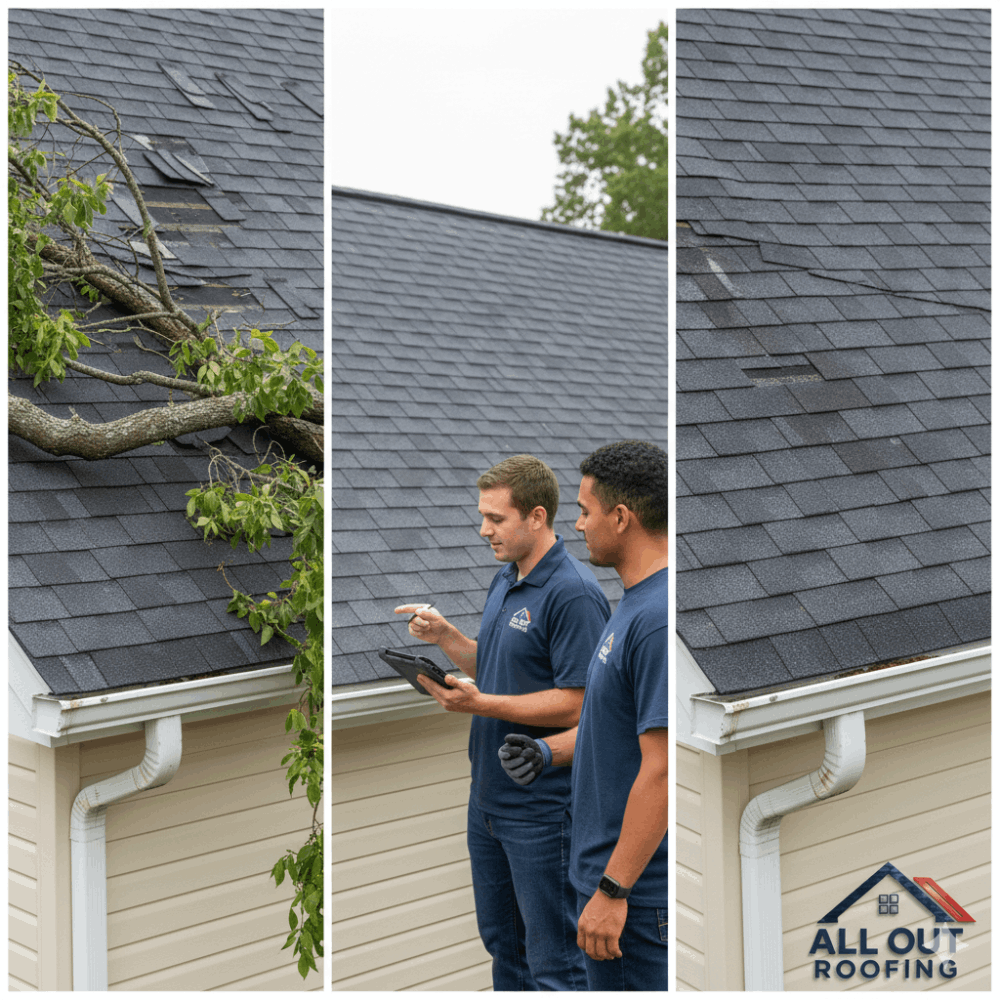
- Damaged or missing shingles after storms
- Clogged gutters and roof edges where water backs up
- Vent boots and sealant around penetrations
This matters because preventive maintenance should focus on the places where leaks most often begin, not just the broad visible roof surface. A roof can look fairly normal from the street and still have one vulnerable flashing detail or one drainage issue that becomes the source of the next leak. When homeowners understand these common weak points, their inspections become much more useful.
Make Routine Visual Checks Part of Homeownership
You do not need to climb onto the roof to keep an eye on it. In fact, most homeowners should not. But routine visual checks from the ground are one of the simplest ways to catch changes early. A few times a year, and especially after strong weather, walk around the home and look at the roof from multiple angles if you can.
Pay attention to anything that looks different than usual. That may include:
- Shingles that appear lifted, curled, cracked, or missing
- Dark patches or uneven-looking sections
- Sagging gutter lines
- Loose flashing around visible roof details
- Debris buildup near valleys or edges
- Tree limbs touching or hanging too close to the roof
The goal is not to diagnose the entire roof from the yard. The goal is to notice visible change. Roof leak prevention often starts with simple awareness. When something looks different, it is easier to act before water gets in.
Keep Gutters and Drainage Paths Clear
One of the most practical steps in preventing roof leaks is also one of the most overlooked: keeping gutters and drainage paths clear. Water needs a reliable route off the roof. When gutters are clogged with leaves, pine needles, twigs, and granules, water may overflow or back up under the roof edge. Once that happens, the roof is no longer shedding water the way it should.
In Chesapeake, where heavy rain can arrive quickly, drainage matters a lot. A gutter system that cannot move water efficiently puts extra stress on eaves, fascia, soffits, and lower roof sections. Overflowing water may also lead to staining, wood deterioration, and slow moisture intrusion around the perimeter of the home.
Homeowners should make a habit of cleaning gutters regularly and checking that downspouts are carrying water away from the home properly. Also pay attention to roof valleys, where debris can collect and interrupt water flow. Good drainage is one of the simplest and most cost-effective ways to reduce leak risk.
Inspect After Storms, Even When Damage Is Not Obvious
Storms do not always leave behind dramatic roofing damage. A roof may survive a storm without missing large sections of shingles and still be compromised. Wind can loosen shingles without tearing them away. Flashing can shift slightly. Small debris can damage roof details in ways that are easy to miss from the ground. Then the next rain reveals the problem.
This is why post-storm awareness is so important. After heavy rain or strong wind, check the property for signs of roof-related change. Look for shingles or roofing debris in the yard, bent gutters, branches against the roof, or new interior water signs in the attic or ceilings.
Storm response is a major part of preventing roof leaks in Chesapeake because one storm-related weak point can quickly become an active leak path if left alone. Acting early after bad weather often keeps damage limited and easier to repair.
Take Small Roof Problems Seriously
One of the main reasons roof leaks happen is not that homeowners never notice the first sign. It is that they notice it and assume it can wait. A few missing shingles may not seem urgent. A small stain in the attic may feel easy to monitor. A little flashing separation may not look important from the ground. But roofing problems tend to grow faster than homeowners expect because water and wind keep working on them.
Small roofing issues should be treated as warnings, not inconveniences. A lifted shingle today may lead to underlayment exposure tomorrow. A cracked vent boot can let in enough moisture to damage attic insulation long before a ceiling stain appears. A small gutter overflow can gradually lead to edge damage and roofline leaks.
Preventive roof care depends on one important habit: not waiting for the problem to become dramatic before responding. Early attention is often the difference between a focused repair and a much larger one.
Watch the Attic for Early Moisture Signs
The attic is one of the best places to spot roofing trouble before it becomes more expensive. If the attic is safely accessible, it is worth checking it occasionally for signs of moisture or ventilation issues. Look at the underside of the roof decking. Check insulation. Notice whether anything smells damp or musty.
Some of the earliest signs of roofing trouble include:
- Dark stains on roof decking
- Damp or compressed insulation
- Visible mold or mildew growth
- Musty odors after rain
- Daylight showing through places that should be sealed
Attic checks matter because not all leaks show up immediately in finished living spaces. Sometimes moisture begins in the attic and stays there for a while before reaching the ceiling below. Catching it in that earlier stage often makes the repair much easier to manage.
Do Not Overlook Flashing and Roof Penetrations
Flashing is one of the most important parts of the roof when it comes to leak prevention. It protects the places where the roofing surface is interrupted, such as around chimneys, skylights, plumbing vents, and roof-to-wall transitions. These areas are naturally more vulnerable because water moves around them differently than it does across open roof surfaces.
Over time, flashing can loosen, rust, separate, or lose the seal that helps keep water out. These problems often start small and stay invisible until rain arrives with enough force to push moisture through the weakness. Because of that, flashing failures are among the most common causes of roof leaks.
Homeowners should be especially alert to leaks or stains near fireplaces, skylights, vent areas, or upper wall corners. These are often clues that flashing or related sealants need attention. Preventing leaks means paying attention not just to shingles, but to the roof details that direct water away from vulnerable openings.
Trim Trees and Reduce Roof Debris
Trees can make a home look beautiful, but branches that hang too close to the roof create several risks. They can scrape shingles, drop debris into valleys and gutters, and break during storms. Even when they do not cause dramatic impact damage, they create conditions that make roof maintenance more difficult.
Overhanging limbs also increase the amount of moisture-holding debris that lands on the roof. Leaves and small branches can trap water, slow drying, and contribute to algae or moss growth in shaded sections. That moisture retention is not good for roofing materials over time.
One smart leak-prevention step is to trim back branches that hang too close to the roofline. This helps reduce storm impact risk, keeps gutters cleaner, and improves the roof’s ability to dry after rain. It is a simple maintenance step that can have a meaningful effect on long-term roof condition.
Pay Attention to Roof Age and Wear
Every roof ages, and older roofs generally need closer attention. That does not mean every aging roof is about to leak, but it does mean homeowners should be more proactive as the roof moves further into its lifespan. Older shingles often lose granules, become more brittle, and react less forgivingly to wind and temperature changes. Flashing and sealants age too.
Homeowners should watch for visible aging signs such as:
- Granules collecting heavily in gutters
- Curling or cracking shingles
- Repeated small repairs in different sections
- Fading, brittle, or uneven roof appearance
- Leaks appearing after storms that previously would not have caused trouble
When these signs start showing up, roof leak prevention often shifts from occasional attention to more intentional monitoring. This is the stage when routine inspections become even more useful because they help determine whether maintenance is enough or whether replacement planning should start before active leaks take over the decision.
Schedule Professional Roof Inspections at Smart Intervals
Homeowners do not need a professional inspection every month, but regular expert evaluation is one of the best tools for preventing roof leaks. A professional roofer can spot the subtle problems homeowners are likely to miss from the ground. They can identify loose flashing, storm damage, minor shingle failures, soft spots, drainage concerns, and ventilation problems before those issues lead to interior damage.
It is wise to schedule a professional roof inspection:
- After major storms or wind events
- When the roof is older and showing visible wear
- When recurring small issues have begun appearing
- Before the rainy season or storm season if you want a proactive review
- Any time attic moisture or ceiling stains suggest a problem may already be starting
Routine professional inspections are not an unnecessary extra. They are one of the most dependable ways to catch roofing trouble before it becomes more expensive.
Ventilation Matters More Than Homeowners Realize
Roof leaks are not always caused only by weather from above. Sometimes poor attic ventilation contributes to moisture issues from below. When warm, damp air becomes trapped in the attic, the roof system can stay under stress for long periods. This may not create a classic rain leak immediately, but it can weaken decking, insulation, and roofing materials over time, making the roof more vulnerable to future water intrusion.
In Chesapeake’s humid climate, attic airflow matters. If the attic is excessively hot, damp, or musty, it may be worth having ventilation reviewed as part of your roofing maintenance plan. Healthy airflow helps the roof dry more effectively and supports longer-lasting materials. In a broader sense, it is part of leak prevention because a roof under less internal moisture stress is better prepared to handle outside weather too.
Know When a Repair Is Smarter Than Waiting
One of the most practical parts of preventing roof leaks is knowing when to repair a small issue immediately instead of watching it. Homeowners often delay because the problem does not seem urgent yet. But in roofing, early repairs are often what keep the roof out of urgent territory.
A small flashing repair, a few replacement shingles, a corrected vent boot, or a drainage adjustment can often stop leak pathways before they develop. Waiting rarely improves the roof. It usually gives weather more time to widen the problem.
The goal is not to overreact to every imperfection. It is to recognize that roofs work best when small problems are handled while they are still small. That is the heart of preventive maintenance.
Final Thoughts on Preventing Roof Leaks in Chesapeake
Preventing roof leaks in Chesapeake comes down to a few practical habits done consistently: inspect visually from the ground, keep gutters and valleys clear, pay attention after storms, check the attic for early moisture signs, watch flashing and penetrations closely, take small problems seriously, and schedule professional inspections before hidden issues become larger repairs. None of these steps are complicated on their own, but together they create a much stronger defense against one of the most disruptive home problems a homeowner can face.
In Chesapeake, roofs deal with real weather pressure. Humidity, storms, rain, wind, and changing temperatures all work on roofing systems over time. That means prevention is not just a nice idea. It is one of the smartest ways to protect the home, reduce future repair costs, and extend the useful life of the roof.
The biggest advantage homeowners have is timing. When issues are found early, the roof is easier to protect. When maintenance becomes a routine part of homeownership, leaks often stay avoidable rather than inevitable. For homeowners in Chesapeake, Virginia Beach, and surrounding areas, that prevention-focused mindset can make the difference between a roof that quietly performs for years and one that becomes a repeated source of stress. A little attention now often saves a great deal later, and nowhere is that more true than on the roof over your head.