Best Time of Year for Roof Repairs and Replacements in Chesapeake
Explore the best time of year for roof repairs and replacements in Chesapeake and how weather conditions affect scheduling and project efficiency.

When homeowners start thinking about roof work, one of the first questions is not always about materials or cost. It is often about timing. In a place like Chesapeake, where the climate brings hot summers, coastal humidity, heavy rain, occasional storms, and cooler winter stretches, timing can influence everything from project efficiency to long-term results. That is why understanding the best time of year for roof repairs and replacements in Chesapeake matters more than many people realize.
A roof project is not just about getting shingles on a house. It is about choosing a window when weather conditions support safe installation, dependable sealing, smoother scheduling, and fewer delays. Whether you are dealing with missing shingles, storm damage, flashing problems, or an aging roof that is reaching the end of its life, the season you choose can affect the pace, comfort, and outcome of the job.
For property owners in the greater coastal Virginia region, including homeowners searching for roofing services from Virginia Beach to Chesapeake, the right season can make the difference between a rushed emergency repair and a well-planned project that protects the home for years. The good news is that roof work can be done during most of the year. The better news is that some seasons are more favorable than others.
Why Timing Matters for Roofing Projects
Roofing materials are installed outdoors, directly exposed to temperature shifts, humidity, sunlight, wind, and rain. Unlike many home improvements, roof repairs and replacements depend heavily on site conditions. Crews need dry surfaces, safe footing, predictable weather, and enough time to complete critical phases without interruption.
That does not mean every roofing issue can wait for ideal conditions. If a roof is actively leaking, has storm damage, or shows signs of structural weakness, immediate action is the priority. Still, when homeowners have some flexibility, timing a repair or replacement wisely can lead to several practical advantages:
- Better weather for installation and material performance
- Lower chance of delays caused by rain or storms
- Improved crew efficiency and job-site safety
- More scheduling options before peak demand periods
- A stronger chance of completing the project before severe weather arrives
In Chesapeake, that seasonal balance matters because each part of the year brings different challenges and opportunities.
Spring: A Strong Season for Roof Inspections and Early Repairs
Spring is often one of the busiest and most practical times for roof work in Chesapeake. After winter has passed, many homeowners begin to notice issues that were not obvious during colder months. A small leak, lifted shingle, clogged drainage path, or flashing weakness may show up more clearly after winter weather and early spring rain.
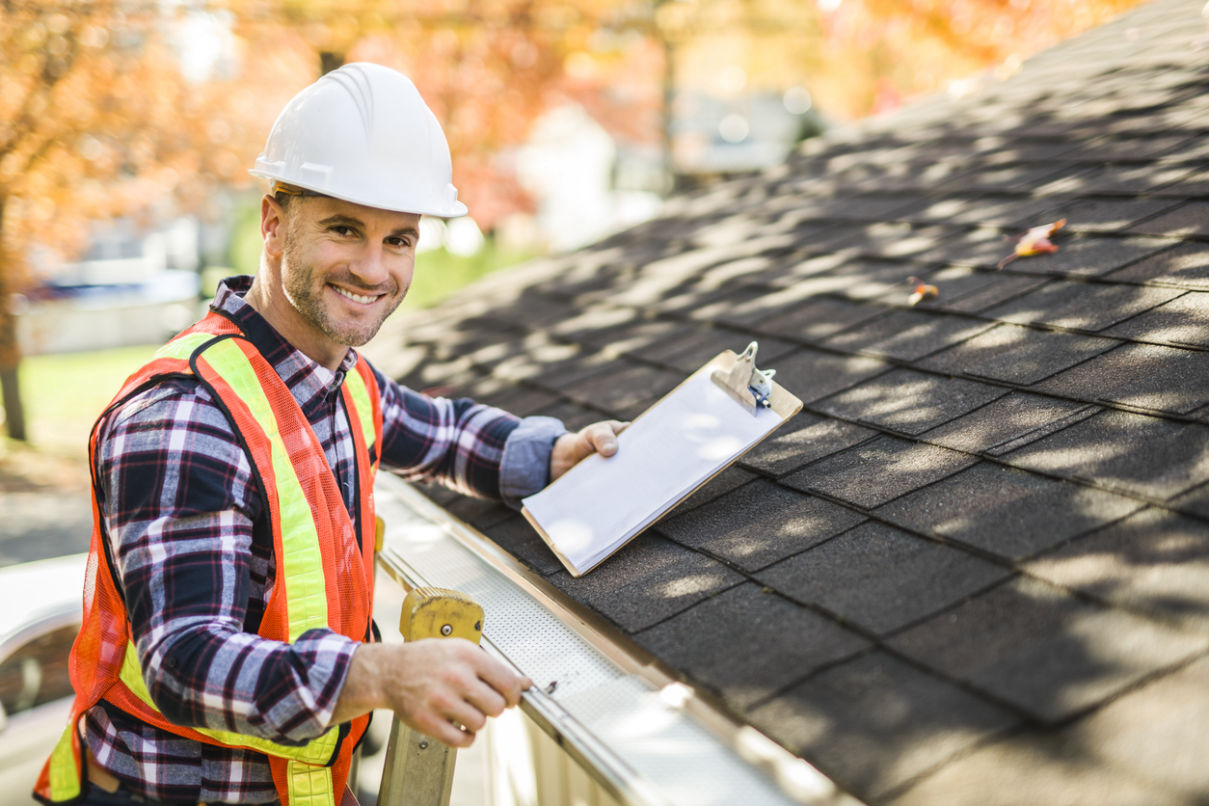
This makes spring an excellent time for a professional roof inspection. Even if the roof seems fine from the ground, winter can leave behind subtle damage. Moisture intrusion, cracked sealants, loose shingles, and weakened underlayment may not be obvious until a contractor gets a closer look.
From a scheduling standpoint, spring also offers a useful transition period. Temperatures are usually milder than summer, and crews can often work more comfortably and efficiently. Roofing materials typically respond well to moderate conditions, which helps with installation quality. Homeowners who schedule early in spring may also avoid the heavier demand that often builds later.
That said, spring in Chesapeake is not perfectly predictable. Rain can interrupt project timelines, and some weeks may bring wind or unsettled weather. For this reason, spring is often best for homeowners who want to get ahead of the summer storm season rather than wait for visible damage to become urgent.
Summer: Good for Fast Progress, but Heat and Storms Matter
Summer is another common season for roof repairs and replacements, and in many cases, projects move quickly during this time. The longer daylight hours allow crews to work efficiently, and dry stretches can support steady progress. For homeowners, summer can feel convenient because school schedules, travel planning, and general home improvement activity often line up with larger exterior projects.
Still, summer in Chesapeake comes with important tradeoffs. Heat and humidity can become intense, especially on roofing surfaces where temperatures climb well above the outdoor air temperature. That can affect worker comfort, job-site pacing, and the general experience for homeowners during the project. Roofing crews know how to manage hot-weather installations, but extreme heat can still create practical constraints.
Summer is also the season when thunderstorms and tropical weather patterns become more relevant across coastal Virginia. Sudden rain, wind, and storm tracking can force schedule changes with little notice. This does not make summer a poor choice, but it does make planning more important.
If you are considering a summer roof replacement, earlier summer is often preferable to late summer. June and early July may provide a better balance than waiting until peak heat and storm activity increase. For homeowners in Virginia Beach and Chesapeake alike, this is especially important if the roof is already vulnerable. Delaying too long into the storm season can increase the risk of emergency conditions.
Fall: Often the Best Time of Year for Roof Repairs and Replacements in Chesapeake
For many homeowners, fall is the sweet spot. In fact, if someone asks about the best time of year for roof repairs and replacements in Chesapeake, fall is often the leading answer. Temperatures tend to be more moderate, summer heat starts to ease, and roofing crews can usually work in conditions that support strong productivity and installation quality.
Fall is also attractive because it allows homeowners to prepare for winter. Replacing an older roof or repairing problem areas before colder weather arrives can help reduce the chance of leaks, heat loss, or weather-related stress later in the year. It is a proactive season. Instead of reacting to damage, homeowners use fall to strengthen the home before the next cycle of colder rain, wind, and seasonal wear.
Another benefit of fall is material performance. Many roofing systems, especially asphalt shingles, generally install well in moderate temperatures. Sealants and adhesives often perform more predictably than they do during extreme heat or cold. Crews can move steadily, and homeowners usually face fewer weather-related slowdowns than in spring or summer.
There is one catch: because fall is widely seen as an ideal roofing season, demand can be high. Homeowners who wait until late fall to call may find that reputable contractors already have busy schedules. The best strategy is often to book inspections and estimates in late summer or early fall so the project can be completed before scheduling gets tight.
Winter: Sometimes Practical, but Usually Better for Urgent Needs
Winter roof work is possible in Chesapeake, but it is not always the first choice for planned replacement projects. Colder temperatures can affect how certain materials are handled and sealed, and shorter daylight hours may slow progress. Weather windows are narrower, and even modest winter rain can make scheduling more complicated.
That said, winter should not be dismissed completely. If a homeowner has active leaks, visible roof failure, storm damage, or a serious structural concern, winter repairs may be necessary and entirely appropriate. A good roofing contractor can make emergency repairs, install protective measures, and in some cases complete full replacements during winter when conditions allow.
There can even be a few advantages. Some contractors may have more scheduling flexibility during colder months, which could reduce wait times. But winter projects require experience, planning, and honest communication about what can be done immediately versus what may be better completed under more favorable conditions.
In short, winter is often best for urgent roof repairs, not necessarily for homeowners who have the luxury of choosing the ideal season months in advance.
How Chesapeake Weather Affects Roof Scheduling
Chesapeake’s climate creates a roofing calendar shaped by moisture, heat, and storm exposure. Homeowners here are not dealing with a dry inland climate where conditions stay relatively stable. Coastal Virginia brings a mix of weather influences that make timing especially important.
Several local factors affect roofing schedules:
- Humidity: High moisture levels can influence drying times and general job-site conditions.
- Rainfall: Frequent rain interruptions make dry weather windows valuable.
- Storm activity: Tropical systems and seasonal storms can create emergency demand and schedule backups.
- Heat: Summer roof surfaces can become extremely hot, affecting pacing and comfort.
- Wind exposure: Coastal wind can worsen existing weak spots and complicate installation days.
This is why local experience matters. A roofing company that understands Chesapeake conditions can help homeowners schedule intelligently, prepare for likely delays, and choose the right moment to move forward.
When Repairs Should Not Wait for the “Best” Season
It is smart to think about the best season, but it is equally important not to wait too long when the roof is already showing real signs of failure. Some homeowners try to hold off until fall or spring even when the roof is actively deteriorating. That can create bigger, more expensive issues inside the home.
You should not delay roof service if you notice:
- Active leaks or water stains on ceilings
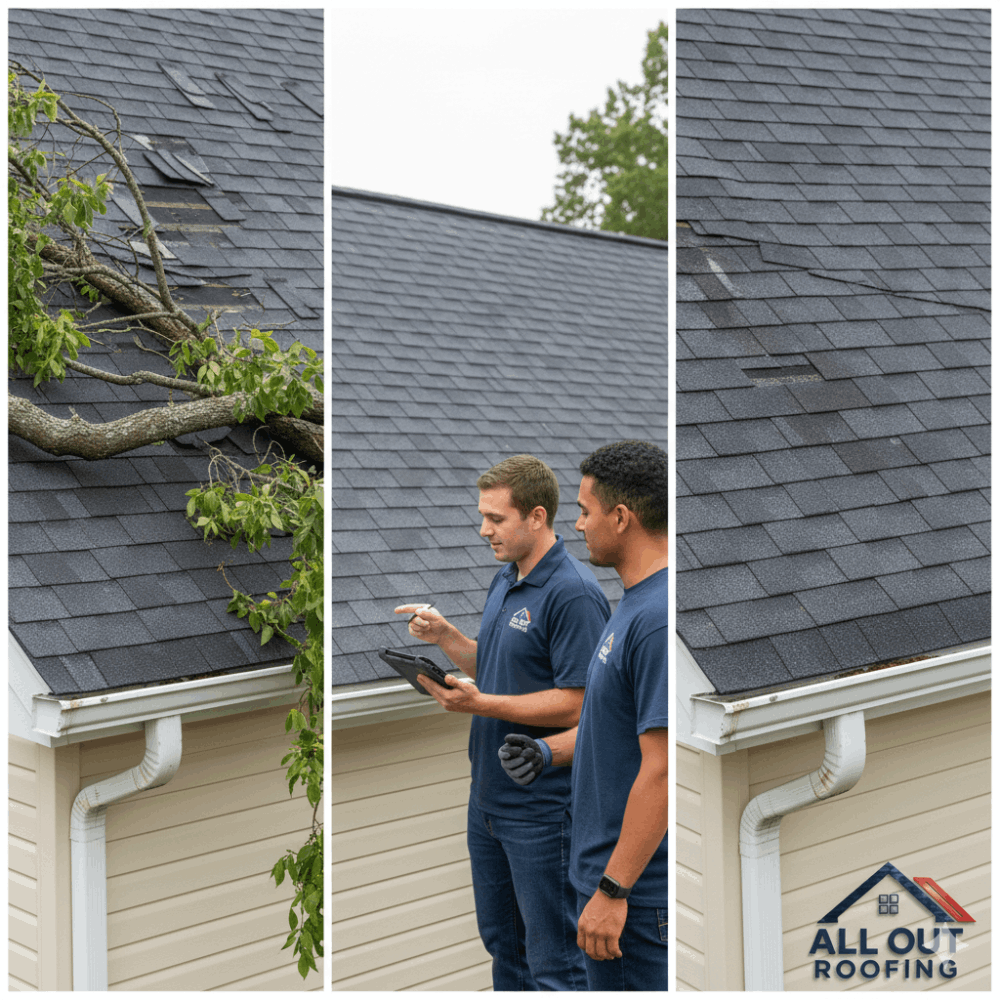
- Missing, cracked, or curling shingles
- Sagging roof lines or soft spots
- Granule loss collecting in gutters
- Flashing damage around vents, chimneys, or valleys
- Storm damage from wind or fallen debris
In these cases, the right time is now. A professional inspection can determine whether the roof needs a repair, a temporary protective measure, or full replacement. Waiting for the “perfect” season may allow water intrusion, wood rot, insulation damage, or mold issues to spread.
Planning Ahead Usually Saves Money and Stress
The most successful roof projects are often the ones that begin before the homeowner feels pressure. When a roof is nearing the end of its service life but has not yet failed, there is room to make thoughtful decisions. Homeowners can compare estimates, understand material options, review ventilation needs, and schedule work during a more favorable season instead of reacting during an emergency.
This matters financially as well. Emergency work often limits choices. When leaks are active or storms are approaching, the conversation becomes about speed and damage control. When homeowners plan ahead, the conversation becomes about value, durability, and timing.
For many Chesapeake homeowners, a smart approach looks like this: schedule an inspection in spring or late summer, identify any developing issues, and decide whether a repair or replacement should be completed in early fall. That timeline gives enough room to prepare without rushing.
Roof Repair vs. Roof Replacement: Timing Can Be Different
Not every roofing issue requires the same seasonal strategy. Smaller repairs can often be completed in a wider range of conditions than a full roof replacement. A localized flashing issue, a few damaged shingles, or minor leak repair may be manageable during much of the year, provided conditions are safe and dry enough for the work.
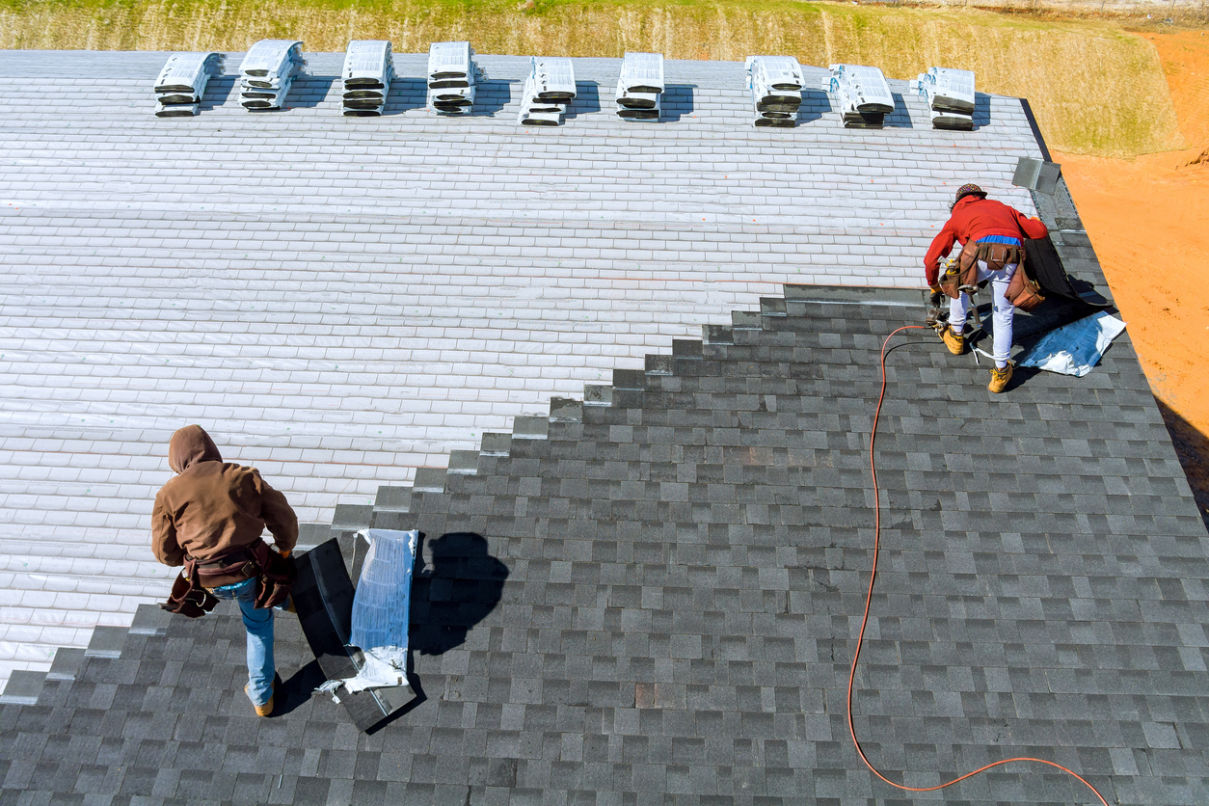
A full replacement, however, usually benefits more from careful seasonal planning. Larger projects involve more exposure, more material handling, and more coordination. That is where moderate temperatures and stable weather become especially valuable.
If your roof still has useful life left, targeted repairs in spring or summer may help extend it. If the roof is older and nearing the point where patching becomes less cost-effective, planning a fall replacement may be the more practical long-term decision.
What Homeowners in Virginia Beach and Chesapeake Should Keep in Mind
Although this article focuses on Chesapeake, many of the same seasonal considerations apply to nearby Virginia Beach homeowners looking for reliable roofing services. Both areas deal with coastal moisture, strong winds, seasonal storms, and the need for timely roof maintenance. The biggest takeaway is that local climate should always shape the schedule.
Homeowners should not assume that the cheapest or fastest opening is automatically the best choice. A strong roofing plan balances urgency, weather, material performance, and contractor availability. A trusted local roofing company can help identify whether a home needs immediate attention or whether it makes sense to plan for the strongest installation window.
Choosing the Best Time for Your Roof Project
So, what is the final answer? For most homeowners, the best time of year for roof repairs and replacements in Chesapeake is usually fall, with spring as another strong option. Fall often provides the best combination of moderate temperatures, improved installation conditions, and the chance to prepare the home before winter. Spring is excellent for inspections and proactive repairs after winter wear. Summer can work well, especially earlier in the season, but heat and storms require more flexibility. Winter is generally best reserved for urgent issues or situations where timing cannot wait.
The key is not choosing a season in the abstract. It is choosing the right time based on the condition of your roof, the local weather pattern, and the level of urgency involved. A roof in good shape gives you time to plan. A roof with leaks or storm damage demands action regardless of the calendar.
For homeowners in Chesapeake and Virginia Beach, the smartest next step is often simple: schedule a professional roof inspection before a minor problem turns into a major one. That gives you the clarity to decide whether you need immediate repairs, seasonal maintenance, or a replacement planned for the most efficient time of year. Good timing does not replace good workmanship, but when the two come together, the result is a roofing project that feels smoother, more predictable, and more protective of your home in the long run.