Best Roofing Materials for Homes Near the Coast in Virginia Beach
Compare asphalt shingles, metal roofing, and other options for Virginia Beach homes exposed to salt air, wind, humidity, and heavy rain.
Choosing the right roof is never just about appearance, but that is especially true in a coastal market like Virginia Beach. Homes near the water face a different set of challenges than homes farther inland. Salt air, strong wind, humidity, heavy rain, and seasonal storms all put extra pressure on the roof system. What looks good on day one still has to perform year after year under conditions that can wear materials down faster than many homeowners expect. That is why understanding the best roofing materials for homes near the coast in Virginia Beach matters so much before you invest in a repair or replacement.
Homeowners in Virginia Beach often want a roof that does three things well. First, it needs to protect the home reliably against coastal weather. Second, it needs to make sense for the property’s budget and long-term maintenance needs. Third, it should fit the style of the home without forcing unnecessary compromises in performance. The best choice is not always the most expensive one, and it is not always the material with the longest life on paper. The best choice is the one that balances durability, weather resistance, maintenance expectations, and value for your particular home.
In coastal areas, the roofing conversation should always go beyond color and curb appeal. Salt-heavy air can affect metal components. Humidity can contribute to moisture-related issues if a roof system is not designed and ventilated properly. Wind can test shingle adhesion and flashing integrity. Heavy rain can expose weaknesses in valleys, penetrations, transitions, and drainage paths. That means the right roofing material is only part of the equation, but it is an important part. Some materials handle these conditions better than others, and some are better suited for specific budgets, roof shapes, and homeowner priorities.
If you are comparing options for a home in Virginia Beach, it helps to understand how the most common roofing materials perform in a coastal environment and what tradeoffs come with each one.
Why Coastal Conditions Change the Roofing Decision
A roof in Virginia Beach has to do more than keep out occasional rain. It has to perform in a climate that creates steady wear over time. Wind exposure is one of the biggest concerns, especially during coastal storms and seasonal weather events. A roofing material that can resist uplift and remain secure under changing wind conditions is valuable. Heavy rain is another factor. The roof must shed water efficiently and protect vulnerable details such as flashing, penetrations, and valleys.
Then there is humidity, which many homeowners underestimate. Humid air can affect the entire roof system, especially when ventilation is poor. Moisture that becomes trapped in the attic or beneath compromised roofing materials can shorten the life of components and lead to interior concerns. Salt air adds another layer of stress, particularly on metal fasteners, flashing, and exposed components that may corrode more quickly near the coast.
Because of these conditions, the best roofing materials for homes near the coast in Virginia Beach are the ones that perform well as part of a complete roofing system. That includes not just the surface material, but also underlayment, flashing, fastening methods, attic ventilation, and drainage design.
Asphalt Shingles: A Popular and Practical Choice
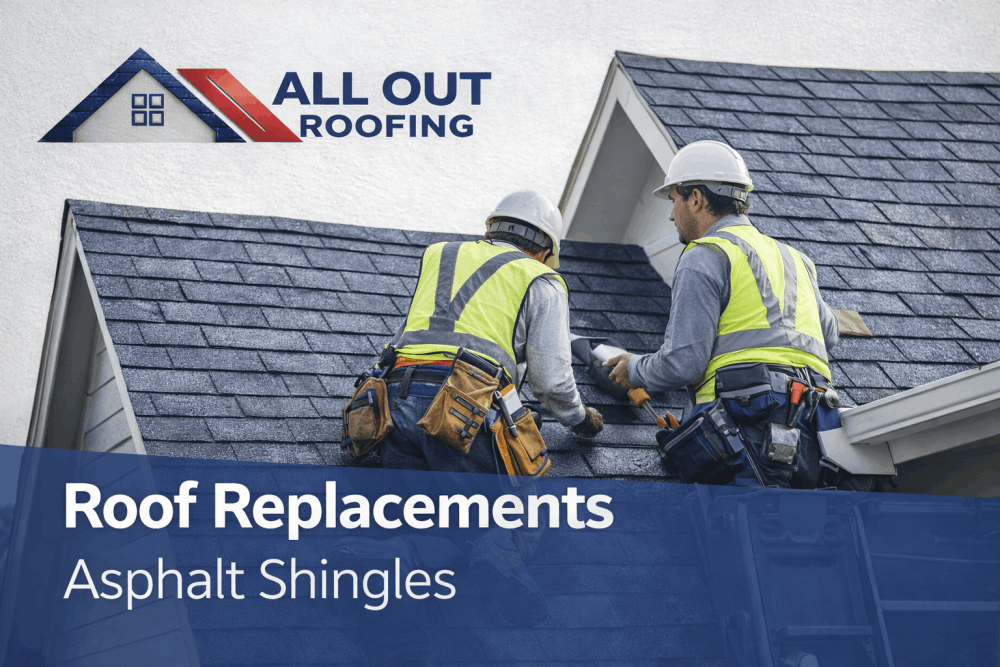
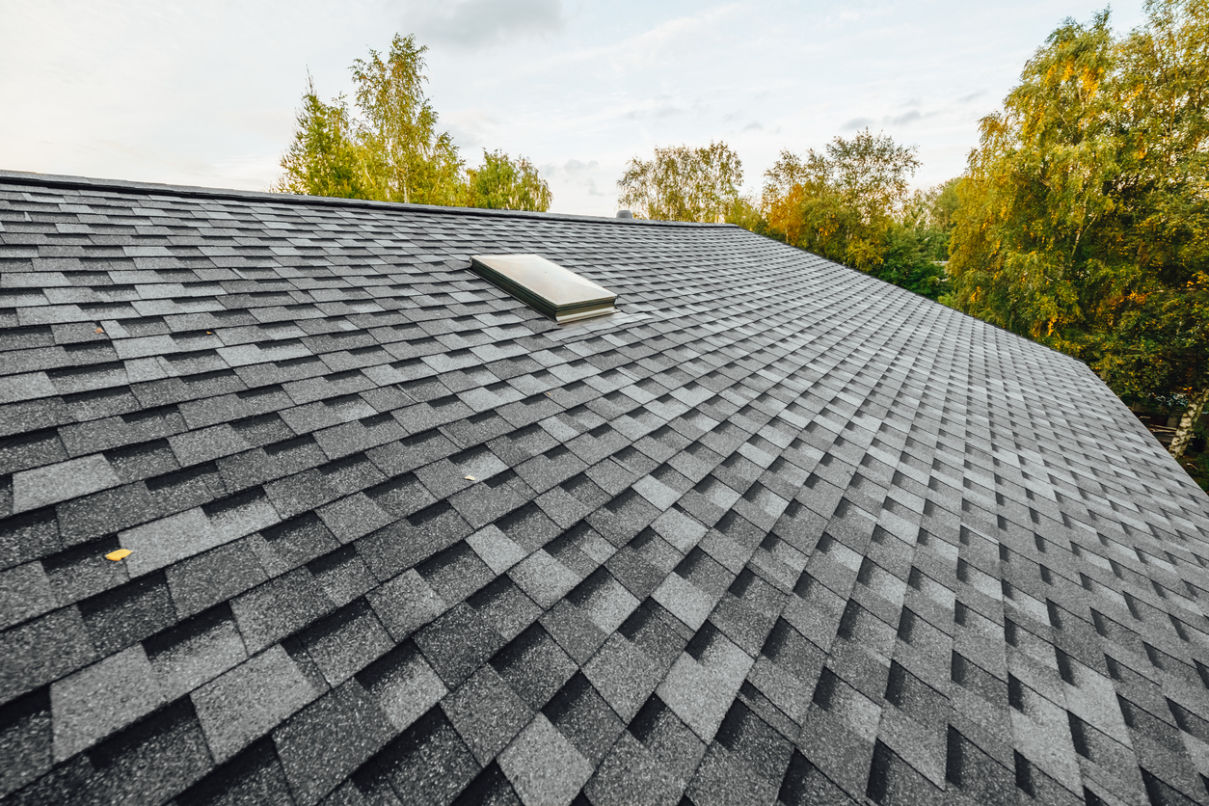
Asphalt shingles remain one of the most common choices for residential roofing in Virginia Beach, and there are practical reasons for that. They offer a strong balance of affordability, availability, and visual versatility. For many homeowners, asphalt shingles are the most realistic option when replacing a roof because they deliver dependable performance without the higher upfront cost associated with some premium systems.
Modern architectural shingles are typically a better fit for coastal homes than older, basic three-tab shingles. They are thicker, often more durable, and generally offer better wind performance. When properly installed, high-quality asphalt shingles can provide solid protection against rain and ordinary coastal weather while complementing a wide range of home styles.
That said, asphalt shingles do have limitations in a coastal environment. Over time, strong sun, humidity, and repeated storm exposure can accelerate aging. Shingles may lose granules, become brittle, curl, or loosen under repeated wind stress. They can still be a very good choice, but homeowners should understand that not all shingle roofs perform equally. Material quality and installation quality matter a great deal.
For homeowners considering asphalt shingles, the strongest benefits usually include:
- Lower upfront cost than many other roofing materials
- Wide range of styles and colors
- Good performance when properly installed
- Relatively straightforward repair and replacement options
The tradeoff is that asphalt may not last as long as some premium materials in harsh coastal conditions, especially if the roof experiences repeated storm wear or poor ventilation. Still, for many Virginia Beach homes, architectural shingles remain a practical, proven choice.
Metal Roofing: Strong Performance for Coastal Exposure
Metal roofing is often one of the first materials homeowners think about when coastal durability is the priority. There is good reason for that. A properly selected and properly installed metal roof can offer excellent performance in areas exposed to wind, heavy rain, and long-term weather stress. Metal panels shed water efficiently, often perform well in windy conditions, and can have a long service life.
For homes near the coast in Virginia Beach, metal roofing can be an appealing option because of its strength and clean, durable appearance. It is particularly attractive to homeowners who want a long-term investment and are willing to pay more upfront for durability and longevity. Standing seam metal roofing is especially popular because it has concealed fasteners and a sleek profile that many homeowners like.
However, coastal use requires careful material selection. Salt air can contribute to corrosion if the wrong metal product or coating is used. That is why not all metal roofs are equal in a near-coastal setting. The finish, the metal type, and the details of the installation all matter. Fasteners, flashing, trim, and transitions must also be chosen with coastal exposure in mind.
Metal roofing is often valued for:
- Long service life when properly specified and installed
- Strong resistance to rain and wind
- Low water absorption and efficient drainage
- A modern or high-end appearance, depending on the design
The main considerations are the higher upfront cost, the importance of choosing corrosion-resistant components, and the need for an experienced installer. A poorly planned metal roof near the coast can create frustration, while a well-designed one can be one of the most durable options available.
Synthetic Roofing Materials: An Option for Style and Durability
Synthetic roofing materials have gained attention among homeowners who want the appearance of slate, shake, or tile without the same structural weight or maintenance concerns. These materials are engineered to imitate premium natural roofing products while offering lighter weight and, in many cases, strong impact and moisture resistance.
For Virginia Beach homes, synthetic materials can be worth considering when aesthetics matter and the homeowner wants a product designed for durability. Some synthetic roofing systems handle moisture well, resist rot and insect damage, and hold up attractively over time. Because they are manufactured products, consistency can also be an advantage compared to some natural materials.
As with any roofing system, though, the product line matters. Not all synthetic materials are equally suited for coastal exposure, and homeowners should ask specifically about wind performance, fastening requirements, moisture resistance, and how trim and accessory components perform in humid, salt-influenced conditions. Synthetic roofing often costs more than standard asphalt shingles, but it may be less expensive than natural slate or tile while still delivering a distinctive look.
Clay and Concrete Tile: Durable but Not Always the First Fit
Clay and concrete tile roofs are known for their long life and striking appearance. They can offer excellent durability and weather resistance, but they are not the first choice for every Virginia Beach home. One reason is weight. Tile systems are much heavier than asphalt shingles or many metal systems, so the home’s structure must be able to support them.
Another factor is style. Tile roofs are often associated with certain architectural looks, and they may not feel natural on every coastal home design in Virginia Beach. That does not make them a poor material. It simply means they are more specialized. They also come with a higher cost and require skilled installation.
From a performance standpoint, tile can handle moisture and coastal weather well when installed correctly, but repairs may be more specialized, and cracked tiles can become an issue if the roof is impacted by debris during storms. Tile can absolutely be a strong roofing option, but it is usually better suited to homeowners who specifically want the look, the structure can support the weight, and the budget allows for the higher investment.
Wood Shake and Wood Shingles: Attractive but Less Common Near the Coast
Wood roofing has a natural appearance that some homeowners find appealing, but it is generally a less common choice for homes exposed to coastal humidity and storms. Moisture resistance, maintenance expectations, and long-term weathering are all important concerns. In a place like Virginia Beach, where humidity and storm exposure are regular parts of the climate, wood roofing often requires more attention than many homeowners want to commit to.
Wood can be beautiful, but it is usually not the first recommendation when the priority is low-maintenance coastal performance. Homeowners who like the appearance of wood often end up exploring synthetic alternatives that offer a similar visual effect with better moisture resistance and fewer long-term concerns.
How Wind Resistance Affects Material Choice
Wind is one of the most important considerations for any Virginia Beach roofing project. A roof may handle ordinary rain well, but coastal gusts and storm conditions can expose weaknesses in the material or the installation method. This is one reason why comparing roofing materials on appearance alone is not enough. The material needs to remain secure under local weather conditions.
Asphalt shingles vary in wind resistance depending on the product grade and installation quality. Metal roofing can offer strong wind performance, especially when designed properly. Synthetic systems also vary by manufacturer and profile. The key is to ask how the product performs in wind, how it is fastened, and whether the full system is designed for coastal exposure.
Homeowners should also remember that wind resistance is not just about the field of the roof. Ridge caps, flashing, trim details, and edges all matter. A strong roofing material can still underperform if the surrounding details are weak.
Moisture, Humidity, and Ventilation Matter Just as Much as the Surface Material
One of the biggest mistakes homeowners can make is assuming the visible roofing material alone determines performance. In reality, even the best surface product can struggle if ventilation is poor or moisture management is weak. Humid coastal air can place constant stress on a roofing system, particularly when attic airflow is inadequate or when water intrusion goes unnoticed.
This is why the best roofing materials for homes near the coast in Virginia Beach should always be considered as part of a complete roofing system. That system includes underlayment, flashing, ventilation, decking condition, and drainage design. A well-installed asphalt shingle roof with proper ventilation may outperform a poorly installed premium system. A corrosion-resistant metal roof with weak flashing details may still create problems. Material selection matters, but system design matters just as much.
Budget, Lifespan, and Maintenance Expectations
Every homeowner approaches roofing with a different balance of priorities. Some want the lowest practical upfront cost. Others are willing to invest more if the material offers longer life and fewer long-term concerns. Some want the best weather resistance available for their budget. Others are focused on curb appeal and neighborhood fit.
That is why the best choice is rarely about price alone. A lower initial investment may look attractive at first, but if the roof covering needs more frequent repairs or ages faster in a coastal environment, the long-term value can change quickly. On the other hand, a higher-end system may cost more upfront while offering a longer service life, stronger wind performance, and fewer ongoing maintenance concerns. For Virginia Beach homeowners, it makes sense to compare roofing materials the way a roof replacement specialist or exterior renovation contractor would: by looking at total value over time, not just the installation price.
How to Think About Cost Beyond the Initial Estimate
When comparing materials, homeowners should think in terms of three layers of cost. The first is the upfront installation price. The second is the expected lifespan of the roof system in a coastal climate. The third is the amount of attention the system may need over the years, including inspections, storm-related repairs, and component replacement.
- Upfront cost: what you pay now for materials, labor, and installation
- Service life: how long the system is likely to perform well in Virginia Beach conditions
- Maintenance needs: how often the roof may need repairs, sealing, inspections, or part replacement
This kind of comparison helps homeowners avoid focusing too narrowly on the first number in a proposal. A trusted roofing company can help explain which materials make the most sense for the home’s exposure to wind, salt air, humidity, and heavy rain.
Matching Roofing Options to Homeowner Priorities
Different roofing systems make sense for different goals. Some homeowners want a practical reroofing option that protects the home well without pushing the project too far beyond budget. Others want a longer-lasting system because they plan to stay in the home for many years. The right answer often depends on how long you expect to own the property, how much maintenance you are comfortable with, and how important long-term durability is compared to short-term cost.
A local roof service provider may walk homeowners through the tradeoffs this way:
- Asphalt shingles often offer a more accessible upfront investment and dependable residential performance
- Metal roofing usually costs more initially, but it may offer stronger long-term value for some coastal homes
- Premium or specialty materials may appeal to homeowners focused on longevity, appearance, or added weather resistance
Maintenance Expectations Matter Near the Coast
Near the coast, maintenance should always be part of the conversation. Salt air, storm exposure, and humidity can shorten the life of certain components and increase the need for periodic inspections. Even a strong roof assembly benefits from regular review after major weather events. A homeowner who chooses a system with lower upkeep expectations may spend more upfront, but may also gain more confidence between storm seasons. That balance is often worth discussing with an experienced reroofing contractor before making a final decision.
That is why it helps to think about roofing choices in terms of value rather than price alone. A lower-cost material may be the right choice if it is installed well and maintained properly. A higher-cost material may be worth it if the homeowner plans to stay in the home for many years and wants long-term durability. Maintenance expectations matter too. Some materials are simpler to inspect and repair, while others require more specialized service.
In general, homeowners often compare options along these lines:
- Asphalt shingles: lower upfront cost, practical, widely used, solid performance with quality products
- Metal roofing: higher upfront cost, strong durability, attractive long-term investment, especially when properly designed for coastal use
- Synthetic roofing: mid-to-high cost, premium appearance, lighter than some natural materials, potentially strong moisture resistance
- Tile: high cost, long-lasting, visually distinctive, but heavier and more specialized
The right answer depends on the home, the location, the budget, and the homeowner’s goals.
What Many Virginia Beach Homeowners Ultimately Choose
For many homes in Virginia Beach, the decision often comes down to architectural asphalt shingles versus a properly specified metal roof. These are two of the most practical and common paths for coastal-area homeowners because they balance performance, availability, and style in ways that fit a wide range of properties.
Architectural shingles are often chosen when homeowners want reliable protection, a classic appearance, and a more moderate budget. Metal is often chosen when the homeowner wants a longer-term premium solution and is comfortable with a higher initial investment. Synthetic materials may enter the conversation when appearance is a major priority and the homeowner wants something more distinctive.
There is no single best material for every house near the coast. The better question is which material is best for your house, your exposure level, and your goals as a homeowner.
The Best Choice Starts With the Right Local Guidance
Because coastal roofing decisions are shaped by more than just product brochures, local experience matters. A roofing contractor who understands Virginia Beach conditions can help evaluate the home’s exposure to wind, moisture, salt air, and storm activity. They can also assess roof design, slope, attic ventilation, and drainage details that affect how any material will perform over time.
That kind of guidance helps homeowners make a decision based on real conditions rather than assumptions. It also helps ensure that the selected material is paired with the right installation methods, flashing details, and system components for a coastal environment.
When you are comparing the best roofing materials for homes near the coast in Virginia Beach, the goal is not simply to choose the strongest product on paper. It is to choose a roofing system that makes sense for your home and will hold up well under the specific demands of coastal living. With the right combination of material, design, and installation quality, homeowners can feel more confident that their roof is prepared for the weather Virginia Beach brings year after year.