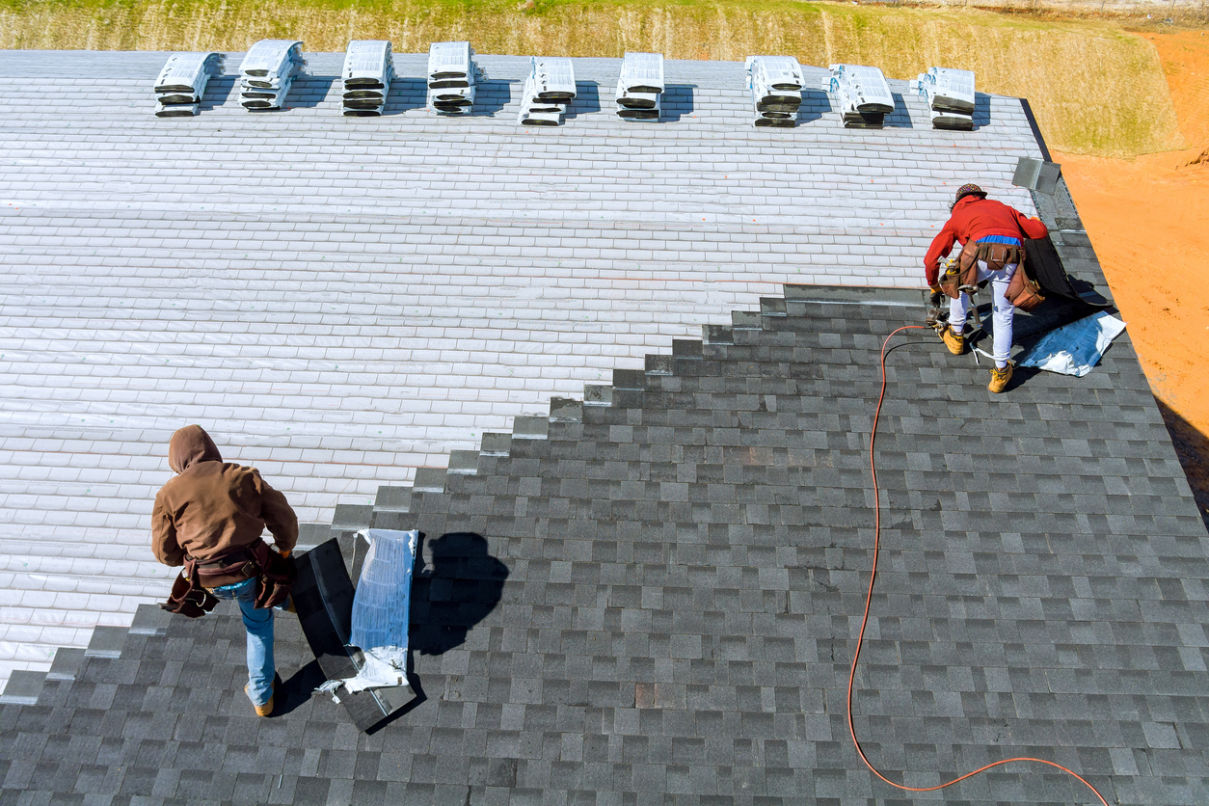
Why Missing Shingles Should Never Be Ignored in Chesapeake
Learn why missing shingles should never be ignored in Chesapeake and how even small exposed areas can lead to larger roofing issues.

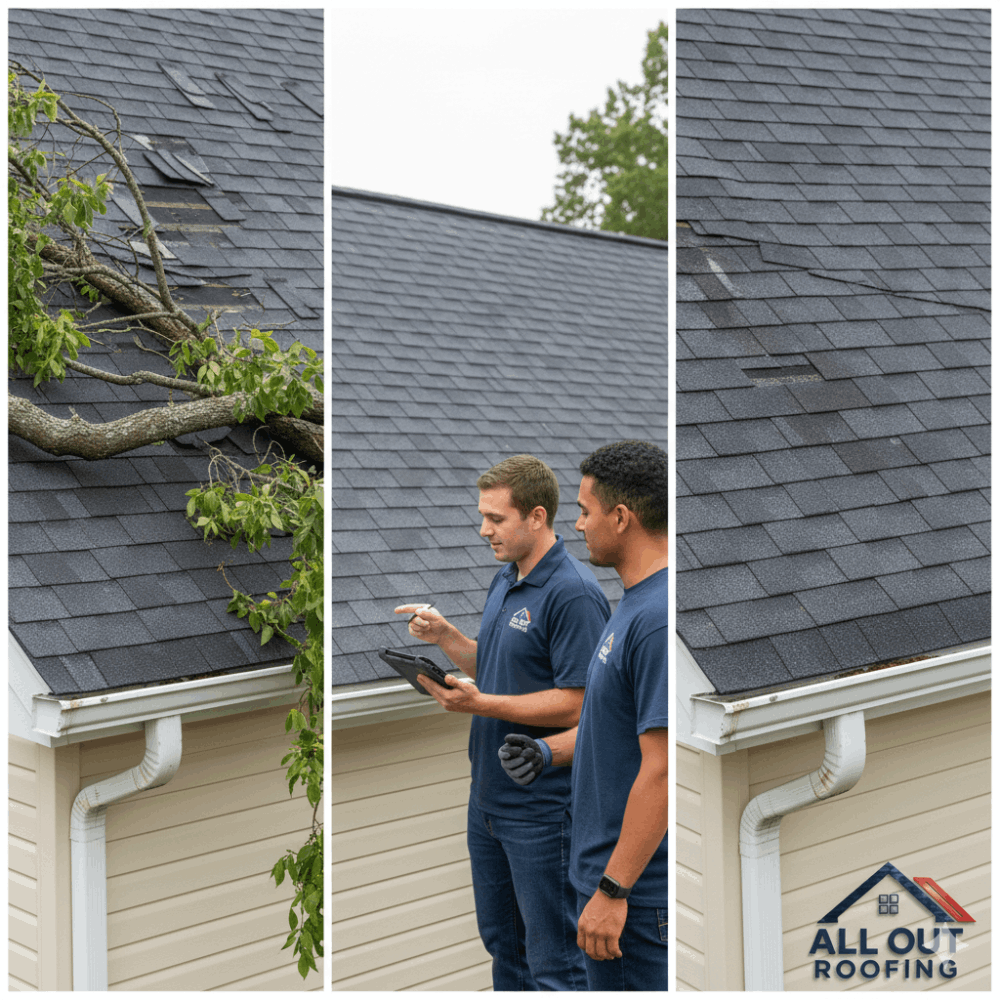
A few missing shingles may not look like a roofing emergency at first. In fact, many homeowners notice them only by accident. Maybe you see pieces of roofing material in the yard after a windy day. Maybe you glance up and spot a small patch on the roof that looks darker or uneven. Because the exposed area seems limited, it is easy to assume it can wait until the next convenient time to call a roofer. But that is exactly why missing shingles in Chesapeake deserve more attention than many homeowners give them.
A roof does not have to lose a large section to become vulnerable. Even one small missing area can expose the layers beneath the shingles to rain, wind, heat, humidity, and debris. Once that happens, the roof is no longer protecting the home the way it was designed to. Water can begin entering in small amounts. Wind can loosen surrounding shingles. Sun exposure can dry out and weaken the materials below. What started as a small visible issue can quickly become a larger roofing problem that affects decking, flashing, insulation, drywall, and indoor comfort.
In Chesapeake, that risk matters even more because roofs here deal with a challenging combination of weather conditions. Heavy rain, humidity, strong wind, seasonal storms, and shifting temperatures all put pressure on roofing systems throughout the year. A roof with even a small exposed area is at a disadvantage in that kind of climate. It may seem fine for a few days or even a few weeks, but the next weather event often reveals how much protection has already been lost.
For homeowners in Chesapeake and nearby Virginia Beach, the best approach is not to wait and see. It is to understand why missing shingles matter, what problems they often lead to, and why early action is one of the most cost-effective decisions you can make for your roof.
Why a Missing Shingle Is More Than a Cosmetic Problem
When homeowners think about roofing damage, they often imagine dramatic leaks, sagging roof sections, or storm debris tearing through large portions of the home. That kind of damage certainly happens, but roofing problems often begin in quieter ways. A missing shingle may not be dramatic, yet it changes how the roofing system works immediately.
Shingles are the outer protective layer of the roof. They are designed to shed water, help resist wind, and protect the layers beneath from direct weather exposure. Once one shingle goes missing, the underlayment and roofing deck beneath that area may be left more exposed than they were meant to be. Even if the underlayment is still in place, it is not intended to remain the primary weather barrier over time.
This is why missing shingles in Chesapeake should never be treated as a minor appearance issue. The problem is not simply that the roof looks uneven. The problem is that the roof is now functioning with a weak spot, and weak spots rarely stay small for long.
How Wind Turns a Small Problem Into a Larger One
One of the biggest dangers of missing shingles is what happens to the shingles around them. Roofing systems work as connected layers. When one shingle is missing, the nearby shingles are often more exposed to wind uplift and weather stress. What was once a secure section of roof can quickly become unstable, especially during the next storm or strong wind event.
That is because the roofing pattern is designed to overlap and protect itself in a specific way. Remove one piece, and the surrounding pieces lose some of that shared protection. Wind can get underneath neighboring shingles more easily. Their edges may begin to lift. The seal strip that held them in place may weaken. Before long, a homeowner who started with one missing shingle may be looking at a broader repair area.
This progression is common after storms in coastal Virginia. The first signs may look minor from the ground, but wind damage rarely stays confined to only the exact shingle that blew away. That is one reason it is smart to schedule a roof inspection quickly rather than assuming the visible damage tells the whole story.
Water Finds Exposed Areas Faster Than Homeowners Expect
The most immediate concern with missing shingles is water intrusion. A roof’s job is to guide water off the home safely. When shingles are missing, rainwater has a much easier path toward the lower layers of the roofing system. It does not need a large opening to create trouble. In fact, small exposed sections can be enough to allow moisture into areas where it does not belong.
Sometimes the damage is not obvious right away. The roof may not leak into the living room immediately after the first rain. Instead, water may begin wetting the underlayment, the decking, or hidden transition points beneath the roof surface. By the time a stain appears on the ceiling, the moisture may have already been working through the structure for some time.
This is one of the biggest reasons homeowners should take missing shingles in Chesapeake seriously. The visible problem is small, but the water damage it creates may not stay small. Moisture can spread into attic insulation, roof decking, framing, and drywall long before the homeowner realizes how much the problem has grown.
Humidity and Coastal Moisture Make the Problem Worse
Chesapeake homes do not face roofing issues in a dry climate. Coastal humidity adds another layer of risk. Once shingles are missing and a roofing area is exposed, humid air and damp conditions can slow drying and increase the likelihood of long-term wear. Materials that might dry out faster in another climate may stay damp longer in this region, which gives moisture more time to do damage.
That matters because a roof weakens faster when it cannot dry efficiently. An exposed section may take on moisture more easily and release it more slowly. Over time, that can affect the decking, the fasteners, and the nearby shingles that remain in place. Even if active leaking has not reached the home’s interior yet, the roof may already be under unnecessary stress.
This is one of the practical realities of roofing in coastal Virginia. Small issues do not get the benefit of a forgiving environment. They get repeated exposure to humidity, rain, and weather patterns that push them further.
Missing Shingles Often Point to a Bigger Roofing Story
Sometimes a missing shingle is exactly what it appears to be: one isolated piece lost after a storm. But often it is a sign of something bigger. A roof that loses shingles may already be showing signs of age, weakened adhesive seals, storm-related fatigue, or installation issues that made the area more vulnerable in the first place.
That is why a good roofing contractor does not just replace the missing shingles and walk away without looking further. They inspect the surrounding area. They look for lifted edges, creased tabs, flashing concerns, underlayment exposure, and broader signs of wear. The question is not only, “What is missing?” The question is also, “Why did it come off, and what else may have been affected?”
This matters because the right repair depends on the whole condition of the roof. In some cases, a focused repair is all that is needed. In others, missing shingles may be the first visible clue that the roof is aging more broadly or has suffered storm damage beyond what the homeowner can see from the ground.
The Risk to Roof Decking and Structural Materials
Roof decking is one of the most important structural parts of the roof system. It provides the stable surface beneath the shingles and underlayment. When shingles go missing and water begins working its way into the roof, the decking is one of the first materials at risk.
At first, the damage may be limited to dampness or staining. But if the exposure continues, the decking can soften, weaken, or begin to deteriorate. Once that happens, the repair becomes more involved. Instead of simply replacing shingles, the contractor may need to remove damaged sections and replace wood before the roof can be restored properly.
This is why fast action matters. Replacing a few missing shingles is usually far simpler and more affordable than repairing the structural surface beneath them after repeated weather exposure. Delaying often turns a roofing repair into a roofing and carpentry project at the same time.
Interior Damage Usually Costs More Than Homeowners Expect
Homeowners often postpone roofing work because the problem feels “outside.” But once missing shingles allow water into the home, the damage rarely stays outside for long. Moisture that reaches the attic or ceiling area can affect insulation, drywall, paint, light fixtures, stored items, and even indoor air quality if mold begins to develop.
What makes this especially frustrating is that the interior stain or bubbling paint often appears far from the exact place where the shingles were lost. Water travels. It may enter at one roof plane and appear in another part of the house entirely. That makes the repair process more confusing and often leads homeowners to underestimate the connection between the roof and the indoor symptoms.
Some of the interior signs that may follow missing shingles include:
- Brown or yellow ceiling stains
- Peeling or bubbling paint
- Damp attic insulation
- Musty odors after rain
- Soft drywall near upper walls or ceilings
Once those problems appear, the cost of ignoring the missing shingles becomes much more real.
Storm Season Makes Delay Especially Risky
One of the worst times to “wait and see” with a roof is just before another round of storms. In Chesapeake, strong weather can come quickly, and a roof that already has exposed areas is much more likely to fail under additional wind and rain. A small repair that might have been manageable last week can become a more urgent and expensive situation after the next weather event.
This is why missing shingles should be treated as a time-sensitive issue, even if the roof is not actively dripping water into the home yet. The roof has already lost part of its protective layer. Storm season does not usually reward delay. It exposes it.
Homeowners should be especially cautious if the missing shingles appeared after wind, if the roof is older, or if the affected area is around roof details such as valleys, edges, chimneys, or vents. These areas often face more concentrated stress, and once they are compromised, the next storm usually makes that compromise worse.
What Homeowners Should Do If They Notice Missing Shingles
The first step is simple: do not ignore it. Even if the missing area seems small, it is worth addressing. The second step is to avoid climbing onto the roof yourself. Missing shingles can mean the surrounding area is unstable, and walking on a damaged roof can be unsafe and may worsen the problem.
A safer and smarter response looks like this:
- Look at the roof from the ground and note the damaged area
- Take clear photos if possible
- Check the yard and gutters for roofing debris
- Look inside the home for any early water signs in the attic or ceiling
- Schedule a professional roof inspection promptly
These steps help you act with purpose instead of panic. The goal is to identify the full extent of the issue quickly and protect the home before more damage occurs.
Why Professional Inspection Matters
Missing shingles are visible, but the full extent of the damage often is not. A roofing contractor can inspect the surrounding shingles, flashing, underlayment, and roof details to determine whether the issue is isolated or part of a wider problem. They can also identify whether wind damage affected shingles that are still in place but no longer secure.
This is especially important with missing shingles in Chesapeake because weather conditions here can cause subtle but meaningful roof damage. What looks like one exposed patch may actually include loosened materials around it, compromised flashing, or water entry that has already begun.
A professional inspection helps answer questions homeowners cannot answer safely from the ground, including:
- How much of the roof was actually affected?
- Is the damage limited to shingles, or are other components involved?
- Can the area be repaired effectively?
- Is the roof showing signs of broader aging or storm wear?
That information makes the next step clearer and reduces the chance of incomplete repairs.
Repairing Early Protects Long-Term Roof Life
One of the most practical reasons to address missing shingles quickly is that early repair helps preserve the life of the rest of the roof. A roof with a small exposed area can sometimes be restored effectively before the problem affects wider sections. But if the missing area remains open through repeated weather, the surrounding materials often deteriorate faster too.
In that sense, repairing missing shingles is not only about fixing what is already gone. It is about protecting what is still working well. The sooner the weak point is closed and the surrounding section is inspected, the better chance the rest of the roof has of continuing to perform as intended.
This is particularly valuable for homeowners whose roofs still have useful life left overall. A timely repair can prevent unnecessary acceleration toward a larger and more expensive replacement decision.
When Missing Shingles May Signal the Need for Bigger Decisions
Not every roof with missing shingles needs to be replaced. In many cases, a targeted repair is the right move. But there are situations where missing shingles are part of a larger pattern that should not be ignored. If the roof is older, if granule loss is widespread, if multiple areas have loosened, or if leaks have already occurred more than once, the missing shingles may be telling a bigger story.
That story may be that the roof is entering the later stage of its life and becoming more vulnerable overall. In that case, repair may still be possible, but it may no longer be the most strategic long-term solution. A roofing contractor can help determine whether the issue is isolated or whether the missing shingles are just the first obvious sign of broader decline.
The important thing is not to decide that on guesswork alone. The condition of the full roof should guide that decision, not just the fact that a few shingles are gone.
Final Thoughts on Missing Shingles in Chesapeake
Missing shingles may look like a small roofing problem, but they should never be ignored. In Chesapeake, where wind, rain, humidity, and storms all put steady pressure on homes, even a small exposed section can lead to water intrusion, damaged decking, interior staining, and broader roof deterioration. That is why missing shingles in Chesapeake deserve prompt attention from the moment they are noticed.
The good news is that fast action usually works in the homeowner’s favor. A professional inspection, a timely repair, and a clear understanding of the surrounding roof condition can often prevent much larger problems from developing. The mistake is not noticing that shingles are missing. The mistake is assuming it can wait because the visible area looks small.
For homeowners in Chesapeake, Virginia Beach, and surrounding areas, the smartest approach is simple: treat missing shingles as a real roof warning sign, not a cosmetic inconvenience. When you respond early, you protect the roof’s structure, reduce the chance of interior damage, and give yourself the best chance of keeping a small problem from turning into a much more expensive one. And when it comes to roofing, that kind of early decision-making is often what saves the most time, money, and stress in the long run.