What Wind Damage Looks Like on a Roof in Virginia Beach
See the most common signs of wind damage on Virginia Beach roofs, including lifted shingles, flashing problems, and hidden weak spots.

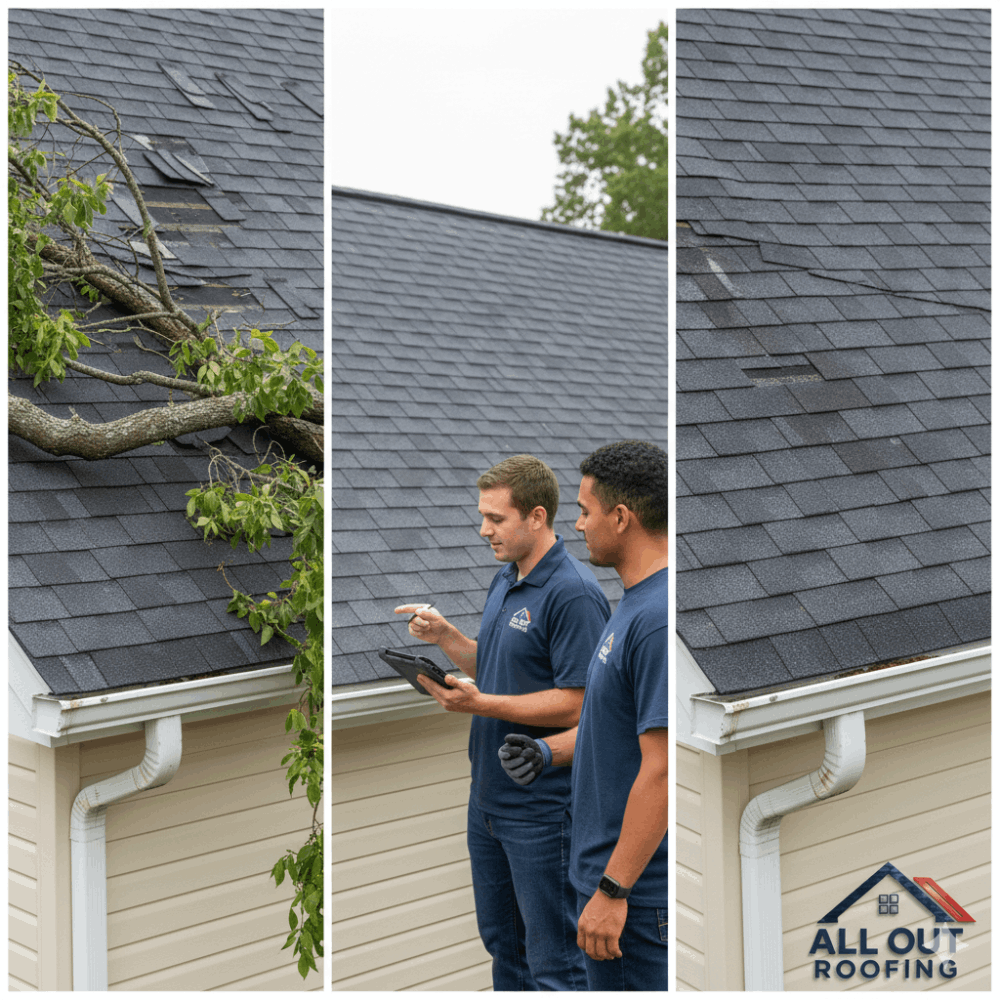
Wind can damage a roof in ways that are both obvious and surprisingly easy to miss. After a strong coastal storm, homeowners may expect to see shingles scattered across the yard or a dramatic hole in the roof. Sometimes that does happen. More often, though, wind damage on a roof in Virginia Beach begins with smaller signs: a lifted shingle edge, loosened flashing, exposed nail heads, displaced ridge caps, or moisture finding its way into the attic through an opening that is hard to spot from the ground. Those quieter warning signs matter because they often lead to leaks and more expensive repairs when they are ignored.
That is especially true in Virginia Beach. Roofs in this area deal with repeated wind exposure, heavy rain, humid conditions, and coastal weather patterns that can wear down roofing materials over time. A roof may survive one storm without a major failure, but still come away weakened. The next round of wind or rain may be what turns that weakened area into an active leak. For homeowners, the key is understanding what wind damage actually looks like, where it tends to appear first, and why it is worth having a local roofing professional inspect the roof before the problem grows.
Wind does not always damage a roofing system all at once. It often starts by testing the most vulnerable areas. Shingle edges can lift. Flashing can separate slightly. Ridge caps may loosen. Soffits, fascia, and gutters can take strain. Once those components begin to shift, water can enter more easily during the next storm. This is why early identification matters. The sooner wind damage is recognized, the better the chance of limiting both roofing repairs and interior damage to the home.
Why Wind Damage Is Such a Concern in Virginia Beach
Virginia Beach homeowners live in a coastal environment where wind is not a rare event. Even outside of major storm seasons, homes can experience strong gusts, driving rain, and changing weather conditions that put repeated stress on the roof. Over time, that matters. A roof that looks fine from the driveway may have already lost some of the protective sealing, fastening strength, or alignment that helps it resist the next weather event.
Coastal exposure adds another layer to the problem. Humidity and salt air can affect roofing components, especially metal parts such as flashing, fasteners, and vent details. If wind has already loosened one of those areas, the surrounding environmental conditions can make deterioration happen faster. That is why homeowners in Virginia Beach should treat wind damage seriously even when the signs seem minor. A small opening in the roofing system can become a much bigger issue when repeated rain and moisture follow behind it.
Another challenge with wind damage is that it may not be evenly distributed. One side of the roof may take the brunt of a storm while another side appears untouched. Valleys, ridges, roof edges, and areas around penetrations may be hit harder than the main field of the roof. This uneven pattern makes professional inspection especially valuable because the damage is not always easy to identify from a casual look.
Lifted Shingles Are One of the Most Common Signs
When homeowners think about roof damage, they often picture missing shingles. Missing shingles are certainly a concern, but lifted shingles are often the earlier and more common sign of wind-related trouble. Wind can catch the lower edge of a shingle and break the seal that holds it flat against the roof. Once that seal is compromised, the shingle may no longer sit securely, even if it has not torn off.
From the ground, lifted shingles may not always be obvious. They can show up as uneven lines, unusual shadowing, or tabs that appear slightly bent or raised compared to the surrounding surface. After enough wind exposure, the shingle may crease where it was folded upward. That crease weakens the material and often means the shingle is more likely to fail later.
This matters because a lifted shingle is no longer doing its job the way it should. Wind can get under it more easily the next time. Water can reach the layers beneath it more readily during heavy rain. What might look like a small issue today can become a source of leaks and wider material loss later on.
Missing Shingles Are an Obvious Warning Sign
When shingles are missing completely, the roof has already moved beyond early warning and into active vulnerability. Missing shingles expose the underlayment or other underlying materials to the weather. In some cases, homeowners may see darker patches on the roof where the exposed section stands out from the rest. In other cases, the missing material may be noticed first in the yard after a windy night or storm.
A missing shingle does not always mean the entire roof needs to be replaced, but it does mean the area needs prompt attention. The exposed section is now more vulnerable to water intrusion, and surrounding shingles may also have been loosened by the same wind event. A qualified roofing contractor will usually inspect not just the missing area itself, but also the nearby roof sections for lifted tabs, broken seals, or additional storm wear.
Homeowners should avoid assuming that replacing the visibly missing piece is the whole story. Wind damage often extends beyond the spot where the material finally came loose.
Creased or Folded Shingles Point to Wind Stress
One of the more hidden forms of wind damage on a roof in Virginia Beach is shingle creasing. This happens when wind lifts a shingle and bends it enough to create a visible or structural crease. Even if the shingle settles back down afterward, it may no longer have the same strength or ability to resist future weather.
Creased shingles can be easy to overlook from the ground, especially on larger roofs or during a quick visual check. But they are important because they signal that the shingle has already been stressed beyond normal conditions. Over time, the creased area may crack, loosen further, or allow water into places it should not go.
For Virginia Beach homeowners, this is one reason roof inspections after storms matter. A roof can look mostly intact and still have damage that affects long-term performance. Creased shingles are a good example of why hidden storm damage should not be dismissed simply because there are no dramatic visual losses.
Flashing Problems Often Show Up After Wind Events
Flashing is one of the most important parts of the roof system because it protects the areas where the roof changes direction or where something passes through it. Chimneys, skylights, vent pipes, wall intersections, and valleys all rely on flashing to keep water out. Wind can weaken or displace flashing even when shingles remain mostly in place.
In Virginia Beach, flashing problems are especially relevant because once wind-driven rain gets into a compromised flashing area, moisture can travel quickly into the attic or walls. A flashing edge may lift slightly. Sealant may crack or separate. Metal pieces may shift just enough to create an opening that only becomes obvious during the next rain.
Homeowners are not always able to spot flashing issues from the ground, but there are clues that suggest the possibility. Water stains near chimneys, upper walls, or ceiling lines can point to wind-related flashing failure. So can dampness around vent areas or moisture that appears after a storm even though the shingles themselves look mostly intact from below.
Ridge Caps and Roof Edges Can Be Vulnerable
Wind tends to target roof edges and ridges because those areas are naturally more exposed. Ridge caps, which cover the highest point where two roof slopes meet, can loosen or detach when strong gusts hit. Similarly, the edges of the roof can experience uplift pressure that affects shingles, drip edge components, fascia, and gutter attachment points.
When ridge caps are displaced or damaged, the roof becomes more vulnerable to water intrusion near the top of the system. That can be particularly serious because water entering near the ridge may travel downward through attic spaces before it becomes visible inside the home. Roof edges are also important because once wind begins pulling at the outermost materials, it can gradually affect more of the roof field behind them.
A local roofing company inspecting for storm damage will usually pay special attention to these areas because they are common starting points for broader wind-related issues.
Granule Loss Can Signal Material Stress
Homeowners often notice shingle granules collecting in gutters or near downspouts after a storm. Some granule shedding is a normal part of aging for asphalt shingles, but sudden or heavy loss after strong wind can suggest the shingles were stressed during the event. Granules help protect the shingle surface from ultraviolet exposure and weathering. When they are lost, the shingle becomes more vulnerable to faster deterioration.
Granule loss by itself does not always prove major wind damage, but it can be part of the bigger picture. If the roof is older, if shingles were already starting to wear, or if the storm included strong gusts and driving rain, fresh granule loss may support the case for a closer inspection. It can indicate that the shingles took a hit even if the visible damage is subtle.
Interior Signs Can Point to Exterior Wind Damage
Some homeowners discover wind damage not by looking at the roof, but by noticing changes inside the home. A ceiling stain that appears after a storm, a musty smell in the attic, bubbling paint, or damp insulation can all point to openings created or worsened by wind. That is because water may enter through lifted shingles or compromised flashing and travel before finally showing itself indoors.
Common interior signs include:
- Yellow or brown ceiling stains
- Damp insulation in the attic
- Moisture trails on rafters or roof decking
- Peeling paint or bubbling drywall texture
- Musty odors near upper rooms or attic spaces
These symptoms do not always mean the roof was severely damaged, but they do mean the roof system may have been compromised enough to allow water in. In a humid coastal market, that is not something to leave unaddressed. Moisture that enters during one storm can continue affecting wood, insulation, and interior finishes after the weather clears.
Storm Debris Can Create or Reveal Weak Spots
Wind damage is not always caused by wind pressure alone. Flying debris is another common part of coastal storms and can create direct impact damage. Branches, loose objects, and other debris can strike shingles, flashing, vents, or gutters. Sometimes the mark is obvious. Other times the impact simply weakens an area that later becomes a leak.
If you find branches on the roof, pieces of roofing in the yard, or signs that an object hit the home during a storm, it is wise to have the roof checked. Even minor impact can matter if it affects a vulnerable section such as a valley, ridge, or penetration. A professional roofer will know how to evaluate whether the issue is surface-level or a sign of deeper damage that needs repair.
What Homeowners Should Check Safely From the Ground
After a storm, homeowners should start with a careful ground-level inspection. Safety comes first. Do not climb onto a wet roof or attempt to walk a storm-damaged surface. Instead, look for visible signs such as missing shingles, crooked ridge caps, hanging gutters, bent flashing, fallen debris, and any obvious changes in the roofline.
It is also helpful to inspect the yard and gutters. Roofing fragments, unusual granule buildup, and detached metal pieces can all provide clues. Inside the house, check the attic and upper ceilings for signs of moisture if you can do so safely. Together, these observations can help determine whether it is time to call a roofing contractor.
When to Call a Roofing Contractor
Any time you suspect wind damage on a roof in Virginia Beach, it is wise to bring in a qualified professional sooner rather than later. This is especially true if you see missing or lifted shingles, interior leaks, flashing issues, detached gutters, or debris impact. A professional roofer can assess whether the damage is isolated and repairable or whether it points to a broader roofing problem that needs more extensive attention.
Homeowners should also call if the roof is older and has gone through repeated storms. In those cases, even moderate wind can reveal or worsen existing weak spots. A roofing inspection gives you a clearer picture of the roof’s current condition and helps you act before the next storm turns a manageable repair into a bigger project.
id="vf7n2m"Why Early Detection Saves Money and Stress
Wind damage is one of those roofing issues that becomes more expensive when it is ignored. A loosened shingle today can become a missing section tomorrow. Minor flashing separation can turn into a leak after the next rain. Damp attic insulation can lead to interior repairs if the problem continues. Acting early helps prevent that chain reaction.
For Virginia Beach homeowners, early action is especially important because coastal weather rarely gives a damaged roof much time to recover. A small weakness in the roof covering can be exposed again by the next period of wind-driven rain, heavy moisture, or storm activity. That is why a quick inspection from a roofing contractor, roof repair specialist, or storm damage professional often saves more than just the outer materials. It can protect the decking, attic, ceilings, insulation, and paint finishes inside the home as well.
Small Roofing Issues Rarely Stay Small for Long
One of the biggest misconceptions homeowners have is that minor wind damage can wait. In reality, even a subtle problem can spread once the roofing system has been opened up. A lifted shingle may allow water beneath the surface. A bent flashing edge may create an entry point around a vent or wall transition. A section of loosened ridge material may seem harmless until the next storm pushes more wind under it.
- Lifted shingles can lose their seal and detach later
- Loose flashing can allow hidden moisture intrusion
- Wet insulation can reduce energy efficiency and hold dampness
- Unaddressed storm damage can lead to broader repair work
That progression is where costs often rise. What could have been handled by a local roof service company as a focused repair can become a larger exterior restoration issue when the signs are missed too long.
Fast Inspections Help Homeowners Make Better Decisions
Early detection is not only about stopping damage. It is also about getting accurate information while the problem is still manageable. A qualified roofing company can tell the difference between surface-level wind wear and a condition that needs prompt repair. That helps homeowners avoid two expensive mistakes: delaying needed work or assuming the roof is worse than it really is.
In many cases, a timely inspection after a wind event allows a residential roofing expert to identify the affected areas before moisture spreads. That gives the homeowner a clearer path forward, whether the solution is a targeted repair, preventive maintenance, or closer monitoring before the next storm season.
Less Guesswork Means Less Stress
There is also a peace-of-mind benefit to acting early. When homeowners know the roof has been checked by a trusted roof repair contractor or exterior specialist, they are not left wondering whether the next rain will create an interior leak. In a coastal market like Virginia Beach, that confidence matters. Quick action helps reduce uncertainty, supports smarter repair decisions, and keeps minor wind damage from becoming a larger disruption.
For Virginia Beach homeowners, the benefit of early detection is not only financial. It also brings peace of mind. Knowing whether the roof came through a storm intact, or whether it needs repairs before the next weather event, removes a great deal of uncertainty. In a coastal environment, that kind of clarity is valuable.
Wind Damage Does Not Always Look Dramatic
One of the most important things homeowners can understand is that wind damage does not have to look severe to be significant. A roof can still appear mostly in place and still be vulnerable. Lifted shingles, creases, loosened flashing, ridge cap movement, granule loss, and interior moisture are all signs that the roofing system may have been compromised. Those signs deserve attention because they often show up before major visible failure occurs.
In Virginia Beach, where wind and storms are a regular part of homeownership, recognizing these warning signs is part of protecting your investment. If you notice anything unusual after strong gusts or coastal weather, a professional inspection is the safest and smartest next step. Catching wind damage early can help preserve the life of the roof, protect the inside of the home, and reduce the chance of more serious repairs later.