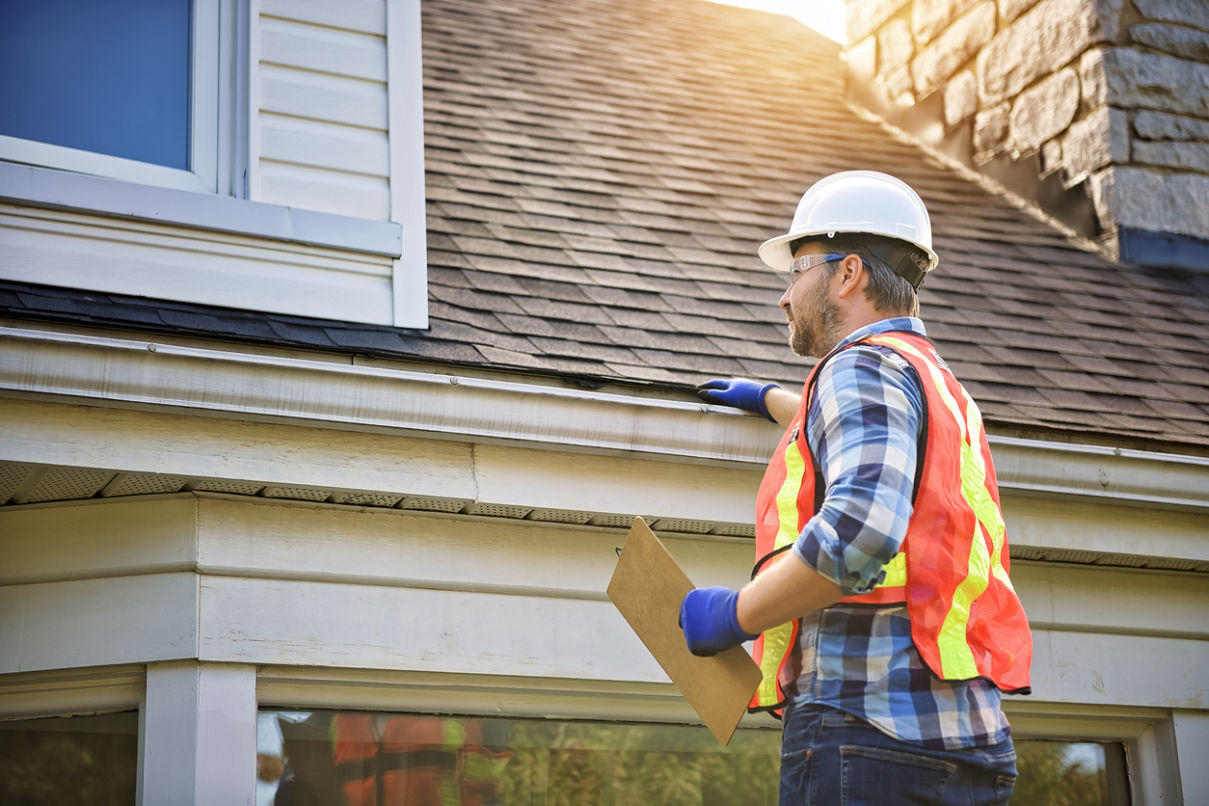
What to Expect During a Roof Inspection in Norfolk
See what happens during a roof inspection in Norfolk and why the findings matter before repairs, replacement, or storm claim decisions.

For many homeowners, the roof is easy to forget until something forces it into focus. Maybe a storm passed through and left branches in the yard. Maybe a ceiling stain appeared after heavy rain. Maybe the roof is simply getting older, and it is time to figure out whether repairs will be enough or whether replacement is starting to make more sense. In all of those situations, one step tends to come first: a professional roof inspection in Norfolk.
Even though inspections are common, many homeowners are not quite sure what happens during one. They may assume the contractor will glance at the shingles, take a few photos, and offer a quick opinion. In reality, a proper roof inspection should be more thoughtful than that. It is not just about spotting obvious damage. It is about understanding the condition of the roofing system as a whole, identifying weak points, and giving the homeowner a clearer picture of what the roof needs next.
That matters in Norfolk and throughout the surrounding coastal Virginia area because roofs here deal with real weather pressure. Wind, rain, humidity, summer heat, and seasonal storms all shape how roofing materials age. A roof may look acceptable from the ground and still have flashing issues, loosened shingles, drainage problems, or attic moisture concerns that deserve attention. A strong inspection helps uncover those details before they turn into larger and more expensive problems.
For homeowners in Norfolk, Virginia Beach, and nearby communities, an inspection is often the moment when uncertainty turns into clarity. It answers practical questions. Is the roof still in good shape? Is a leak coming from the roof or somewhere else? Are repairs enough? Is replacement getting close? If storm damage is involved, does the roof show signs that matter for a claim or for the next steps in the repair process?
Knowing what to expect helps homeowners feel more confident and better prepared. A roof inspection should not feel mysterious. It should feel useful, informative, and grounded in the real condition of the home.
Why a Roof Inspection Matters in the First Place
A roof inspection is important because roofs usually do not fail all at once. Most problems begin quietly. A shingle lifts. Flashing separates slightly. Sealant around a vent starts cracking. Granules collect in the gutter. Moisture enters in small amounts before it becomes visible indoors. By the time a leak becomes obvious, the issue may already be more developed than it first appears.
That is why a roof inspection in Norfolk should be seen as a practical decision, not just a reactive one. Homeowners often schedule inspections for one of a few common reasons:
- After a storm with heavy wind or rain
- When a leak or ceiling stain appears
- Before deciding between repair and replacement
- Before listing a home for sale
- As part of routine maintenance on an aging roof
Each of those situations benefits from clear information. Guessing about roof condition usually leads to either unnecessary worry or avoidable delay. An inspection replaces guesswork with an informed assessment.
The Inspection Usually Starts With a Conversation
Before the roofer ever gets onto the roof, the inspection often begins with a conversation. This part matters more than many homeowners expect because it gives important context. The contractor may ask whether the home has had recent leaks, when the problem was first noticed, whether storms recently passed through the area, how old the roof is, and whether there have been previous repairs.
This helps shape the inspection. A roof that is being checked after storm exposure may need special attention in different areas than a roof being inspected because it is simply reaching an older age. A stain that appears near a chimney or vent tells a different story than one forming near a roof valley. The more context the contractor has, the better the inspection can focus on likely problem areas without losing sight of the whole roof system.
For homeowners, this is also a good time to mention anything unusual they have noticed, even if it seems minor. Small details often matter. Maybe the attic has smelled musty after rain. Maybe one room gets hotter than the rest of the house. Maybe granules have been showing up in the gutters. These clues can help connect visible symptoms to the roof’s actual condition.
The Exterior Review Begins From the Ground
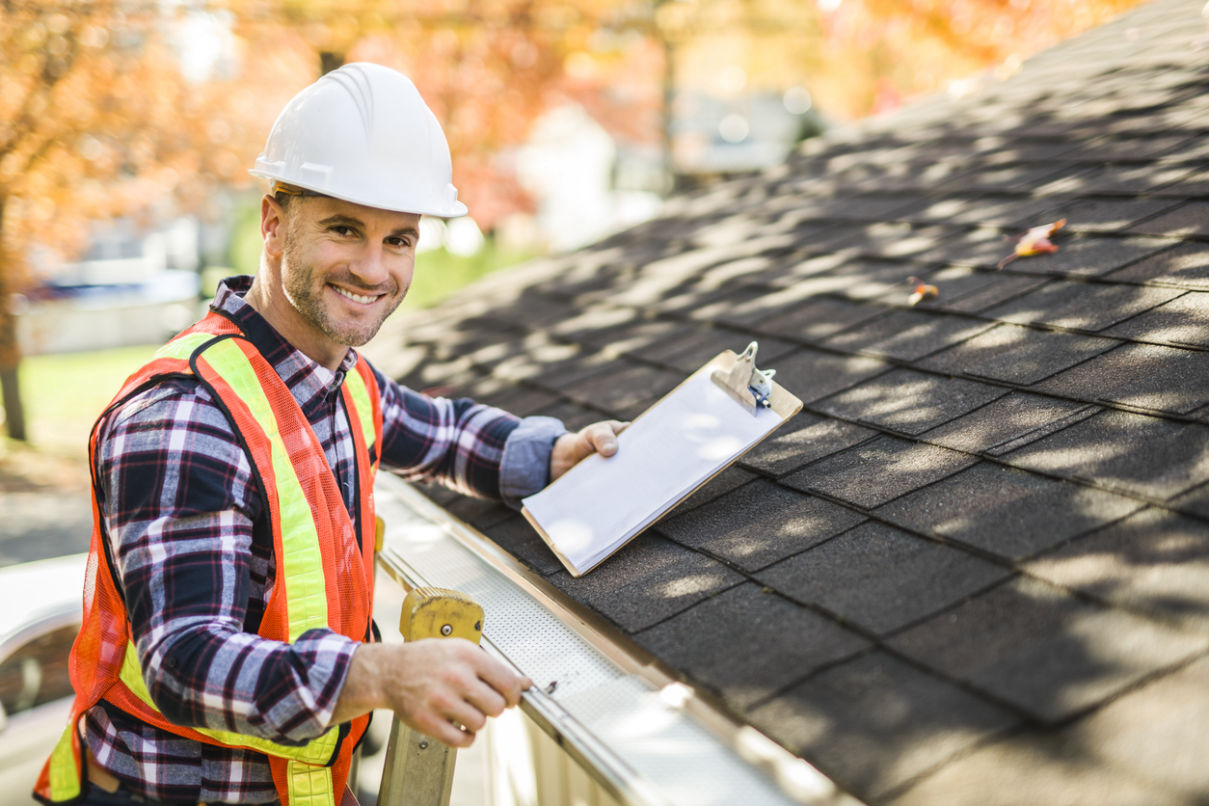
A good inspection does not start recklessly by climbing straight onto the roof. It often starts with a careful ground-level review of the home’s exterior. This gives the contractor a chance to look at the roofline, gutters, drainage patterns, visible shingle condition, flashing details, and any obvious storm or tree impact issues from multiple angles.
From the ground, a roofing professional may already begin noticing warning signs such as:
- Missing or lifted shingles
- Sagging areas or uneven rooflines
- Damaged gutters or downspouts
- Flashing problems around chimneys or walls
- Debris accumulation in valleys or along roof edges
- Dark streaking, algae, or visible aging
This part of the process matters because it provides a broad view of the roof’s overall appearance before moving into more detailed inspection work. It also helps identify safety concerns or structural issues that could affect how the roof is accessed.
The Roofer Examines the Roofing Materials Up Close
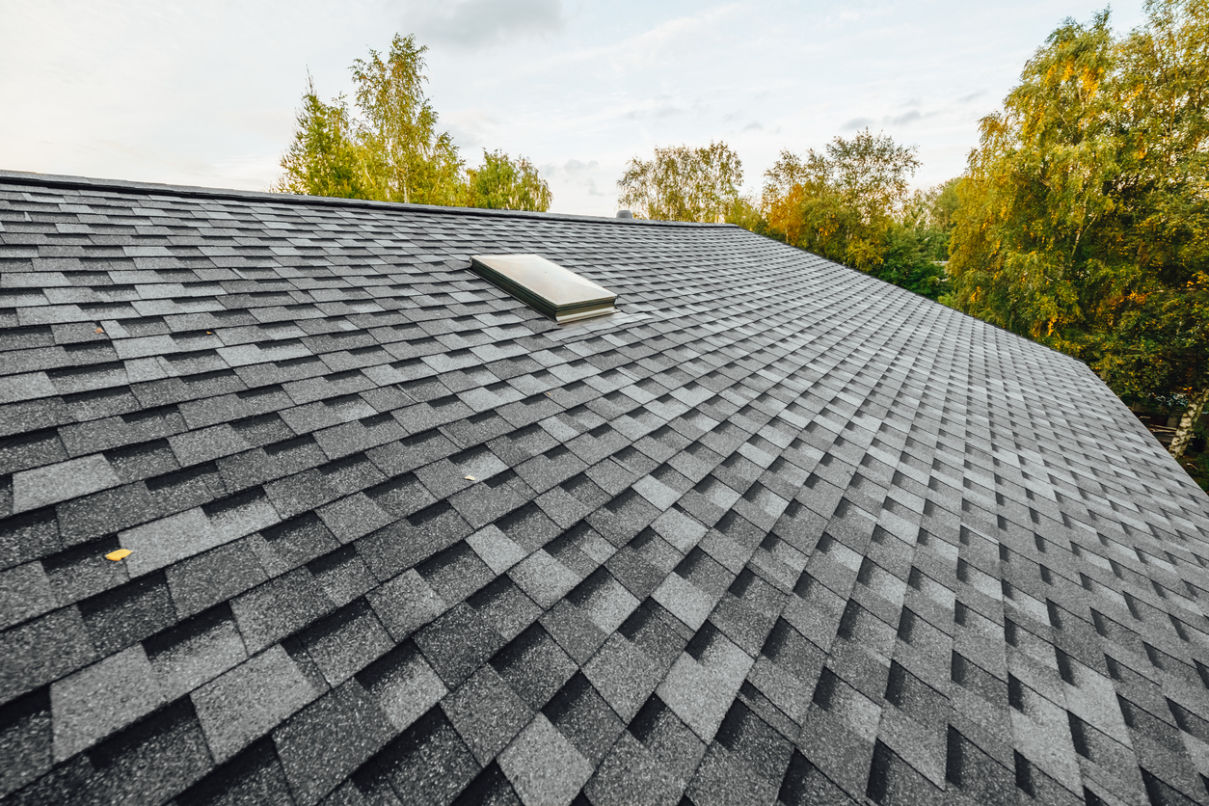
Once the roof can be accessed safely, the more detailed part of the inspection begins. This is where the roofing materials themselves are evaluated more carefully. If the home has asphalt shingles, the contractor will usually look for signs of curling, cracking, granule loss, blistering, loose tabs, lifted edges, or sections that have lost their seal.
The goal here is not just to see whether shingles are still present. It is to see whether they are still functioning well. A roof may still be fully covered and yet be aging in ways that make it more vulnerable to future wind, rain, and leaks. A few damaged shingles might point to a localized repair. Widespread wear across multiple sections may point toward the roof entering a later stage of life.
In Norfolk, this part of the inspection is especially important because weather exposure can accelerate material wear. Coastal humidity, summer heat, and storm cycles tend to reveal weaknesses gradually. A close inspection helps distinguish between cosmetic aging and the kind of deterioration that affects performance.
Flashing and Roof Transitions Get Special Attention
Some of the most important parts of a roof are not the large visible fields of shingles, but the transition areas where water is most likely to enter. Flashing around chimneys, skylights, vent pipes, valleys, dormers, and roof-to-wall intersections is often where leaks begin. That is why these areas usually receive close attention during a professional inspection.
A contractor may check for rust, separation, loose sections, cracked sealant, improper installation, or visible openings that could let in water. This part of the inspection often reveals problems that homeowners would never spot from the ground. A roof can look generally sound while still having one or two detail areas that are already vulnerable.
These findings matter because flashing issues often shape the next step in the decision-making process. A flashing problem may explain an isolated leak and lead to a targeted repair. In other cases, widespread flashing wear may be part of a bigger picture showing that the roof is aging across multiple systems at once.
Gutters and Drainage Are Part of the Story Too
Although gutters are not the roofing surface itself, they are still part of how the roof performs. Water has to move off the roof properly to protect the home. If gutters are clogged, pulling away, dented, or overflowing, the roofing system may be forced to manage water in ways it was not designed to handle.
During a roof inspection in Norfolk, the contractor may check gutter condition, attachment points, drainage flow, and signs of water backup or overflow at the roof edge. Granule buildup in gutters may also be noted because it can indicate shingle wear. Valleys may be checked for debris or evidence that rainwater is not moving efficiently.
This matters because drainage issues can turn a manageable roofing problem into a broader moisture problem. Water that lingers at the wrong place on the roof can work its way under shingles, damage fascia, or contribute to leaks near eaves and edges.
The Attic May Be Inspected as Well
One of the most valuable parts of a roof inspection often happens inside the home rather than outside. If the attic is accessible, many contractors will want to inspect it. This gives them a chance to look for signs that may not yet be obvious from above.
In the attic, a roofer may check for:
- Water staining on the underside of decking
- Damp insulation
- Mold or mildew concerns
- Poor ventilation or trapped heat
- Daylight showing through areas that should be sealed
- Evidence of previous leaks or past repair work
This part of the inspection is especially important when a homeowner is trying to understand whether the roof is leaking, whether moisture is entering during storms, or whether ventilation may be shortening the roof’s lifespan. In many cases, the attic helps tell the real story. A roof may appear acceptable from above while hidden moisture and airflow problems are already affecting the system below.
The Findings Help Clarify Repair vs. Replacement
One of the biggest reasons homeowners schedule inspections is to figure out whether they need repairs or whether the roof is moving closer to replacement. A good inspection helps answer that question in a more practical way than simple guesswork.
Sometimes the answer is straightforward. The roof may have an isolated issue such as flashing failure around a chimney, a few wind-damaged shingles, or a minor vent boot problem. In those cases, targeted repair may be the smart move. Other times, the inspection reveals multiple issues at once: aging shingles, heavy granule loss, repeated past repairs, failing flashing, ventilation trouble, and soft spots or widespread moisture risk. That kind of pattern may suggest the roof is getting to a point where repeated repairs make less sense than planning for replacement.
This is where the findings really matter. The purpose of the inspection is not just to point out defects. It is to help the homeowner understand the roof’s overall stage of life and what next step offers the most value and protection.
Storm-Related Findings Can Be Especially Important
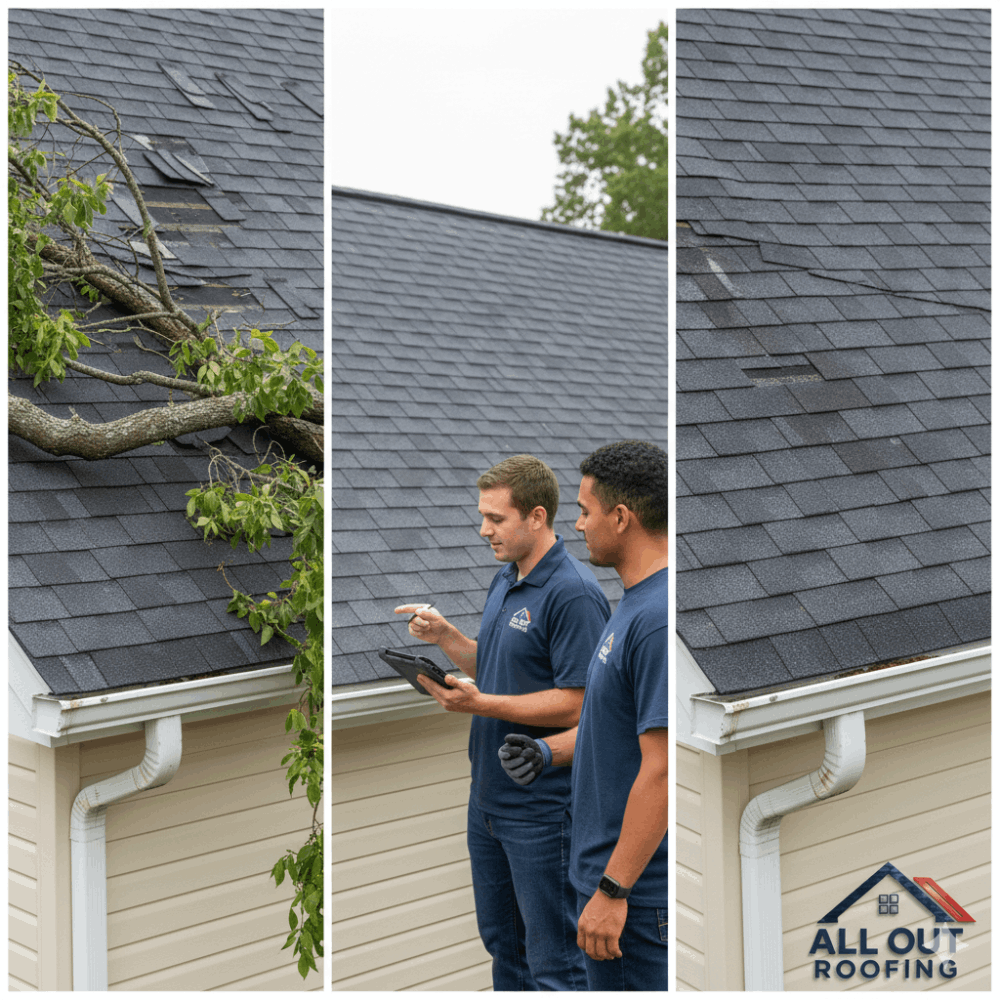
When an inspection happens after a storm, the findings may matter for more than basic maintenance. They may influence whether the roof needs fast repair, whether hidden damage is likely, and whether the condition of the roof should be documented carefully for claim-related decisions.
Storm inspections often focus on signs such as:
- Lifted or creased shingles from wind
- Missing roofing materials
- Displaced flashing
- Impact damage from branches or debris
- Gutter or edge damage
- New moisture entry points revealed by rain
The value of a post-storm inspection is that it catches problems before they spread. Homeowners often underestimate how much damage can exist even when nothing dramatic is visible from the yard. A professional inspection helps uncover the quieter issues that may become leaks later if left unresolved.
You Should Expect Clear Explanations, Not Just a Verdict
A strong roof inspection should not end with a vague statement like “it looks okay” or “you need a new roof” without explanation. Homeowners should expect clear communication about what was found, what it means, and what options make sense next.
That may include photos, a verbal walkthrough of the findings, and a discussion of whether the issues are minor, moderate, or more extensive. If repairs are recommended, the homeowner should understand why. If replacement is being discussed, the reasoning should be specific and tied to the condition of the roof rather than just its age.
This communication matters because the inspection itself is only useful if the homeowner can act on what they learn. Good roofing guidance should feel practical, transparent, and focused on helping the homeowner make a confident decision.
Not Every Inspection Ends With Bad News
Some homeowners delay scheduling an inspection because they are afraid it will automatically lead to an expensive recommendation. But that is not always the case. Sometimes the most helpful inspection finding is confirmation that the roof is still in good shape overall, perhaps with only minor maintenance or monitoring needed.
That kind of peace of mind has real value. It can help homeowners move forward confidently after a storm, make decisions about timing future work, or prepare a home for sale with a better understanding of its actual condition. A roof inspection is not only about finding what is wrong. It is also about confirming what is still working well.
How Homeowners Can Prepare for the Inspection
Homeowners do not need to do much to prepare, but a few simple steps can help the process go more smoothly. It helps to know roughly how old the roof is, whether there have been past repairs, and where any leaks or stains have appeared. If the attic is accessible, making sure that access is clear can also be useful.
It is also helpful to mention specific concerns upfront, such as recent storms, recurring leaks, granule buildup in gutters, or rooms that seem unusually hot. The more context the inspector has, the more focused and useful the inspection can be.
Final Thoughts on What to Expect During a Roof Inspection in Norfolk
A professional roof inspection in Norfolk should give homeowners more than a quick opinion. It should provide a clear view of the roof’s condition, identify both visible and hidden concerns, and explain what those findings mean before decisions about repairs, replacement, or storm-related next steps are made. From the initial conversation to the exterior and attic review, the goal is to understand how the roofing system is really performing and where it may be vulnerable.
That matters because roofing decisions are easier to make when they are based on real information. Whether the roof needs a simple repair, closer monitoring, or a longer-term replacement plan, an inspection helps homeowners move forward with more confidence and less uncertainty.
For homeowners in Norfolk, Virginia Beach, and surrounding areas, the best time to learn the true condition of the roof is before a small problem turns into a major one. A thoughtful inspection can uncover issues early, clarify the right next step, and help protect the home from the kinds of damage that become more expensive when they are left to spread. In that sense, the inspection is not just a service visit. It is one of the smartest and most practical ways to protect the roof and the home beneath it.