What Homeowners in Chesapeake Should Know About Roof Lifespan
Find out what homeowners in Chesapeake should know about roof lifespan, including how weather, maintenance, and materials affect longevity.
Most homeowners do not think much about their roof until something feels urgent. A stain appears on the ceiling, shingles start showing up in the yard, or a contractor points out wear during an inspection. Until then, the roof often fades into the background. It does its job quietly, season after season, and many people assume it will keep doing so for as long as the house stands. In reality, every roofing system has a lifespan, and that lifespan is shaped by far more than age alone. For anyone trying to better understand roof lifespan in Chesapeake, the real question is not just how many years a roof can last on paper. It is how local weather, maintenance habits, material choice, and installation quality affect how long that roof performs well on an actual home.
In Chesapeake, roofing systems face conditions that can be demanding over time. Heat, humidity, rain, coastal moisture, strong wind, seasonal storms, and changing temperatures all play a role in how a roof ages. That means homeowners cannot rely only on national averages or manufacturer expectations. A roof that might reach a certain age in a milder or drier climate may wear differently in coastal Virginia. At the same time, a roof that is inspected regularly and maintained properly may last longer than a neglected roof of the exact same material.
This is why roof lifespan should be viewed as a range rather than a fixed date on a calendar. The goal is not to guess the precise day replacement will be needed. The goal is to understand what affects longevity, what warning signs show that a roof is moving into a later stage of life, and what homeowners can do to protect their investment before small issues become major ones.
Roof Lifespan Is About More Than Age
When homeowners ask how long a roof should last, they usually want a simple number. That is understandable, but roofing does not work quite that neatly. A roof’s lifespan is influenced by several factors working together. Material type matters, but so do ventilation, workmanship, drainage, weather exposure, storm history, and how quickly repairs are handled when problems appear.
Two homes in the same Chesapeake neighborhood can have roofs installed in the same year and still age very differently. One may remain in strong condition because it has proper attic ventilation, a clean drainage system, and timely maintenance. The other may begin showing wear much earlier because of poor airflow, repeated moisture exposure, deferred repairs, or installation shortcuts from the start.
That is why understanding roof lifespan in Chesapeake starts with the idea that time alone is only part of the story. A roof does not fail simply because it reaches a certain birthday. It usually fails because years of wear, weather, and uncorrected weaknesses have reduced its ability to protect the home reliably.
How Chesapeake Weather Affects Roof Longevity
Local climate is one of the biggest influences on roof lifespan. Chesapeake homeowners deal with a mix of weather conditions that steadily wear on roofing materials. Summer heat can bake shingles and dry out sealants. Humidity can increase moisture retention and slow drying after rain. Wind can loosen shingles, stress flashing, and expose weak points along roof edges. Heavy rainfall can test drainage systems and reveal vulnerabilities around penetrations and valleys.
Storm activity matters as well. A roof does not need to suffer catastrophic damage in one event to lose years of useful life. Repeated exposure to wind-driven rain, seasonal storms, and weather fluctuations can gradually weaken materials and create small openings that allow moisture to enter. A roof in Chesapeake is not only dealing with occasional severe weather. It is also dealing with everyday coastal wear that builds slowly over time.
Because of this, homeowners should expect the environment to shape how their roof ages. Even a well-built roof will not age in Chesapeake exactly the way it would in a drier inland market.
Material Type Makes a Major Difference
One of the clearest factors in roof lifespan is the type of roofing material installed. Different materials handle aging, moisture, sun exposure, and weather stress in different ways. For most residential homes in Chesapeake, asphalt shingles are the most common roofing material, but they are not the only option.
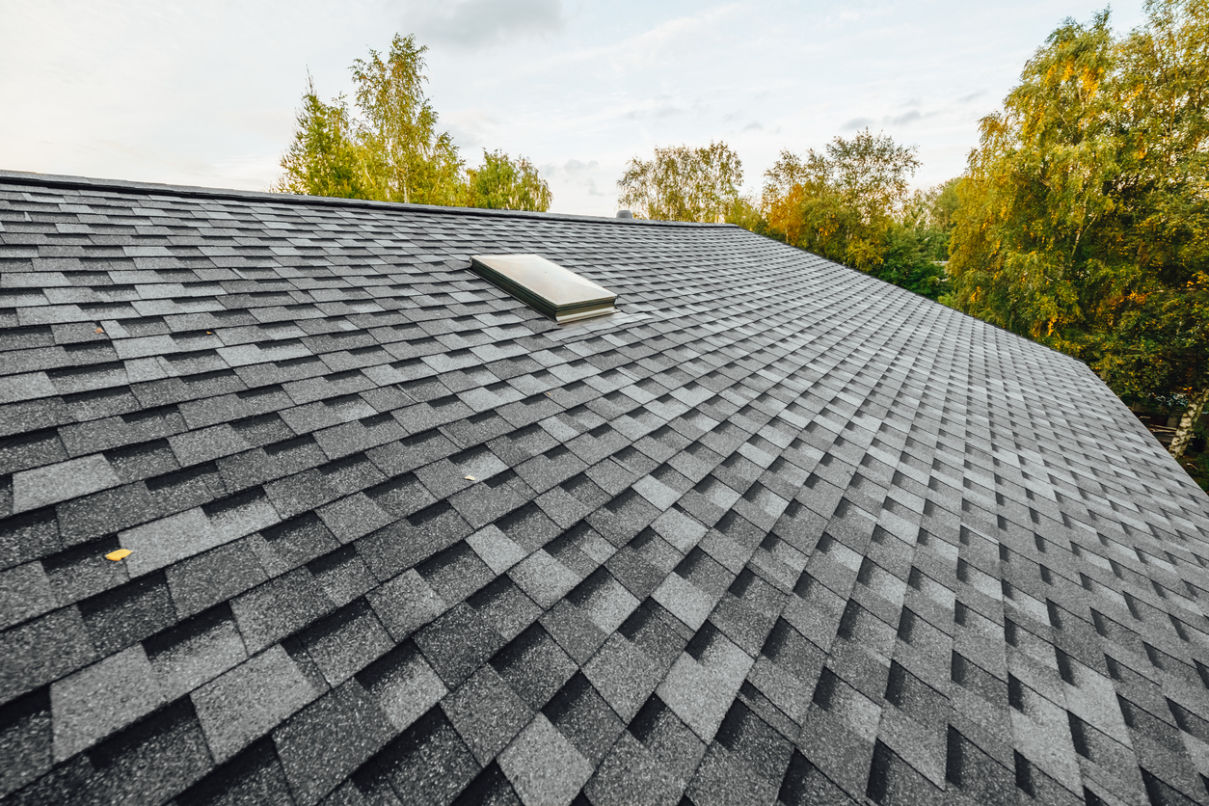
Asphalt shingle roofs are popular because they are practical, attractive, and cost-effective. They can provide many years of dependable protection when installed properly and maintained consistently. Still, asphalt shingles are directly exposed to the elements, and their lifespan is affected by granule loss, curling, cracking, seal failure, and storm wear over time.
Other materials, such as metal roofing, may offer a longer service life in many cases, but they come with different cost and design considerations. The most important point for homeowners is that material choice affects not just appearance and upfront budget, but also long-term expectations for maintenance and replacement timing.
When discussing roofing materials, it helps to think in terms of long-term fit:
- Asphalt shingles are common, versatile, and often the most accessible upfront option for residential roofing.
- Architectural shingles may offer improved durability and appearance compared to basic shingle systems.
- Metal roofing may provide a longer lifespan and strong storm performance, especially for homeowners planning to stay in the home for many years.
No material is permanent, but some offer a longer runway than others. The right choice depends on the homeowner’s goals, budget, and how long they plan to remain in the property.
Installation Quality Has a Long-Term Impact
A roof can only perform as well as it is built. Even quality materials can wear out prematurely if the installation was rushed or the details were handled poorly. Improper flashing, bad nail placement, weak ventilation planning, poor shingle alignment, or shortcuts around roof penetrations can all reduce a roof’s useful life.
This is one of the reasons homeowners are sometimes surprised when a relatively young roof starts having problems. They assume age should be on their side, but workmanship may have already weakened the system. A roof is not just shingles or panels. It is an integrated system of layers, transitions, seals, drainage paths, and ventilation. If one part is poorly installed, the entire system becomes more vulnerable.
Good installation protects the roof from day one. Poor installation often creates problems that take years to reveal themselves, but once they do, the cost of correction can be significant.
Ventilation Plays a Bigger Role Than Most People Realize
Attic ventilation is one of the least visible but most important parts of roof longevity. A roof is exposed to weather from the outside, but it is also affected by heat and moisture from below. If the attic is poorly ventilated, hot air and humidity can build up inside the upper structure of the home. Over time, that trapped moisture and heat can speed up roofing deterioration.
In Chesapeake, where humidity is already high for much of the year, ventilation matters even more. Poor airflow can contribute to damp attic conditions, mold concerns, wood deterioration, insulation issues, and faster aging of roofing materials. A homeowner may focus on the surface of the roof while the real stress is building underneath.
Proper ventilation helps the roof system regulate temperature and release moisture more effectively. That does not just support comfort inside the home. It helps extend the life of the roofing system itself.
Maintenance Can Extend or Shorten Roof Life
One of the biggest differences between a roof that lasts well and one that ages prematurely is maintenance. Roofs do not need constant attention, but they do need periodic care. Homeowners who ignore small issues often end up shortening the life of the entire system without realizing it.
A missing shingle may seem minor. A cracked seal around a vent pipe may not feel urgent. Granules collecting in a gutter may be easy to overlook. But roofing problems rarely stay contained forever. Small vulnerabilities allow water in, weaken surrounding materials, and create the kind of cumulative damage that reduces roof lifespan.
Preventive maintenance helps homeowners stay ahead of that pattern. Useful habits include:
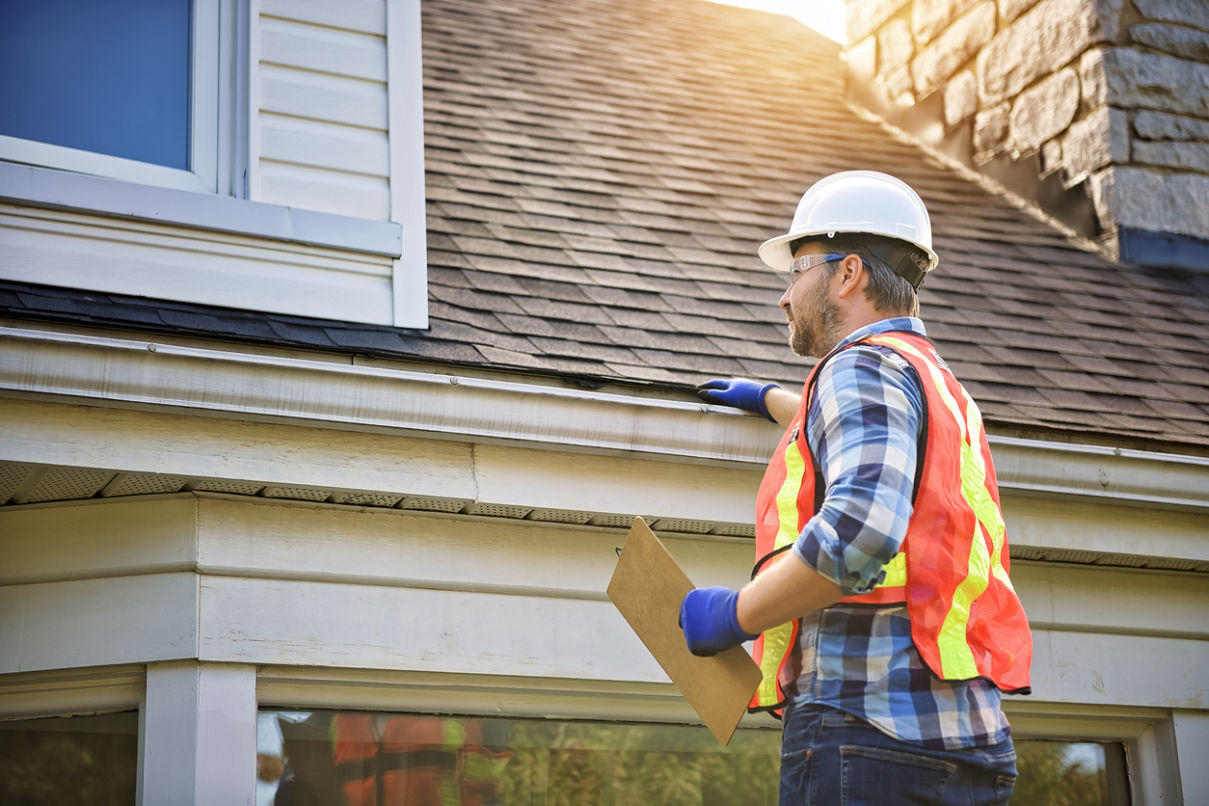
- Scheduling professional roof inspections periodically
- Checking the roof after major storms
- Keeping gutters and downspouts clear
- Repairing damaged shingles or flashing promptly
- Watching for attic moisture or ventilation issues
These steps are practical, not excessive. They help preserve the roof’s remaining life rather than allowing avoidable damage to accelerate aging.
Storm History Can Change the Roof’s Remaining Life
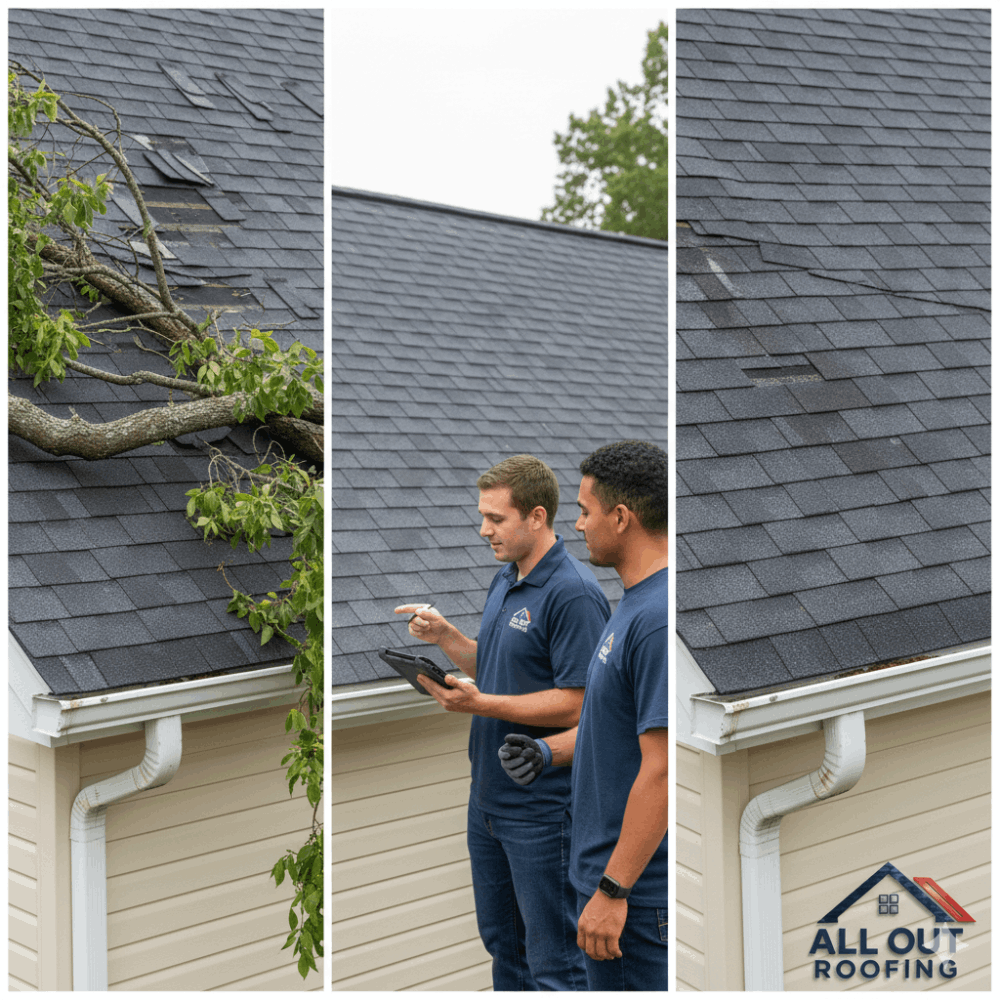
Not every roof ages in a smooth, predictable way. Storm exposure can take meaningful years off a roofing system, even if the roof does not require immediate replacement afterward. Wind can loosen shingles without tearing them off. Heavy rain can expose a weak flashing area. Flying debris can bruise or damage localized sections that seem minor at first. Repeated weather events can leave the roof increasingly vulnerable, even when each individual issue appears manageable.
This is why post-storm inspections are so valuable. A homeowner may believe the roof came through the storm fine because there are no dramatic leaks or missing sections. But hidden damage can still be present, and if it is left unresolved, it may shorten the roof’s lifespan from that point forward.
In a place like Chesapeake, storm exposure should always be considered part of the roof’s life story. A roof with a calm weather history is different from a roof that has gone through multiple severe seasons without inspection or repair.
Signs a Roof May Be Nearing the End of Its Useful Life
Understanding roof lifespan also means knowing what late-stage wear tends to look like. A roof does not always fail all at once. More often, it begins showing a cluster of signs that suggest it is becoming less dependable and more expensive to keep patching.
Common warning signs include:
- Widespread shingle curling or cracking
- Significant granule loss
- Repeated leaks or water stains
- Visible sagging or soft spots
- Frequent repairs in different sections
- Deteriorated flashing and sealants across multiple areas
One sign alone does not always mean replacement is necessary. But when several of these issues appear together, the roof may be moving out of a repair-focused stage and into a replacement discussion.
Why “No Leak Yet” Is Not Always a Reliable Standard
Many homeowners measure roof condition by one simple question: is it leaking? While understandable, that is not always the best standard. A roof can be aging significantly before a leak becomes visible inside the home. Water may be entering in small amounts, moving through hidden areas, or waiting for the next major rain event to make itself known.
A roof near the end of its life is not defined only by active leaks. It is defined by whether it can still protect the home consistently without rising risk. If the roof is showing broad wear, if repairs are becoming more frequent, or if the materials are clearly declining, waiting for a leak can turn a manageable project into a much bigger one.
That is why professional inspections matter even when nothing dramatic seems to be happening. A roof can be in the later stage of its lifespan before the homeowner feels any urgency at all.
How Homeowners Can Get the Most Out of Their Roof
The best way to support a longer roof lifespan in Chesapeake is to combine realistic expectations with preventive care. No roof lasts forever, but homeowners can often get more reliable years from their roofing system when they respond early to problems and avoid deferring maintenance.
A few practical habits make a real difference:
- Do not ignore minor visible damage after storms.
- Have the roof inspected if it is getting older or showing uneven wear.
- Keep gutters clear so drainage does not back up at the roof edge.
- Pay attention to attic conditions, not just exterior appearance.
- Fix small leaks and flashing problems before they spread.
These steps do not guarantee a maximum lifespan, but they do reduce the chance of losing years to preventable issues.
Replacement Timing Matters Too
One of the hardest roofing decisions for homeowners is knowing when to stop repairing and start planning for replacement. If the roof still has useful life left, repairs can be the smart choice. But if the roof is aging across the full system and issues are becoming more frequent, replacement may be the more practical and cost-effective move.
Replacing too early can feel wasteful. Replacing too late can lead to interior damage, emergency repair costs, and unnecessary stress. The right timing usually comes from a clear assessment of the roof’s overall condition, not just one isolated issue.
A professional roofer can help determine whether the roof is still in a maintenance stage, in a repair stage, or reaching the point where replacement makes more sense for long-term protection.
Final Thoughts on Roof Lifespan in Chesapeake
When homeowners think about roof lifespan in Chesapeake, the smartest approach is to move beyond a simple number of years and focus on the factors that truly shape longevity. Weather matters. Materials matter. Installation matters. Ventilation matters. Maintenance matters. A roof’s lifespan is the result of how all those elements come together over time.
In Chesapeake, roofs deal with heat, humidity, moisture, wind, and seasonal storms that can gradually wear on even a well-built system. But that does not mean homeowners are powerless. Regular inspections, timely repairs, healthy ventilation, good drainage, and attention to early warning signs can all help a roof last longer and perform more reliably.
The most important thing homeowners can do is stay proactive. Do not wait for a major leak to start thinking about roof condition. A roof usually gives signals before failure happens, and acting on those signals can preserve value, reduce repair costs, and protect the home more effectively.
For homeowners in Chesapeake and nearby Virginia Beach, a trusted local roofing professional can help evaluate where the roof stands today and what steps make the most sense next. Whether your roof needs simple maintenance, targeted repairs, or a longer-term replacement plan, understanding lifespan is the first step toward making confident, practical decisions that protect your home for years to come.