Storm-Damaged Roofs in Norfolk: Repair Steps Homeowners Should Know
Learn the most important repair steps after storm damage in Norfolk, from documenting issues to scheduling inspections and protecting the home.

Storms do not have to tear half a roof off a house to create real damage. In Norfolk, a stretch of heavy rain, strong wind, or wind-driven debris can be enough to weaken shingles, loosen flashing, bend gutters, and open small entry points that let water into the home later. That is why homeowners should understand what to do when they are dealing with storm-damaged roofs in Norfolk. The first few steps after a storm often shape everything that comes next, from how quickly the problem is identified to how well the home is protected from further damage.
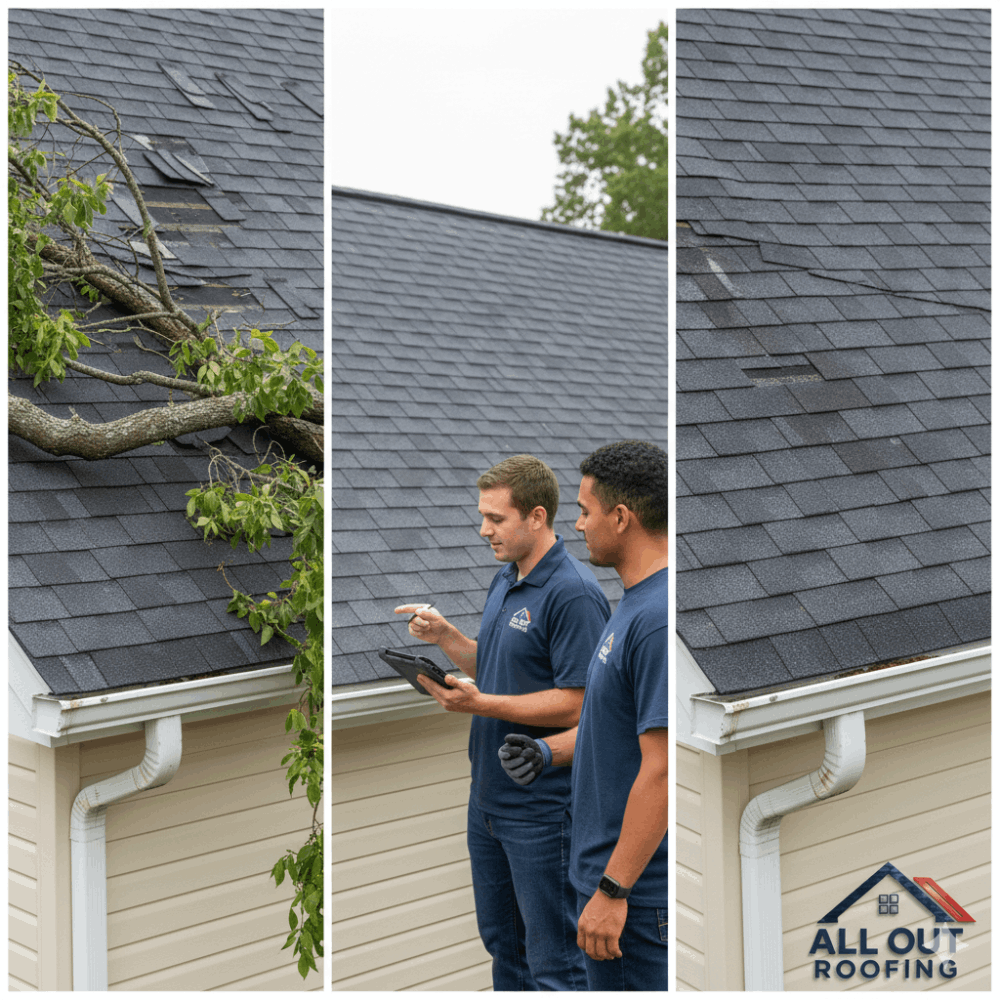
One of the biggest mistakes homeowners make is assuming that if the roof still looks mostly normal from the yard, then the storm probably did not do much. Sometimes that is true. But often, storm damage begins in quieter ways. A shingle may lift without blowing away. Flashing may shift just enough to create a leak path. A branch may scrape the roof and weaken one section without leaving dramatic destruction behind. These kinds of problems do not always show up immediately. They may wait until the next rainfall before making themselves known.
That is what makes storm response so important. When homeowners know how to document what changed, how to inspect safely from the ground, when to call for a professional roof inspection, and how to protect the house from worsening damage, they are in a much stronger position. The goal is not to panic after every storm. The goal is to respond in a way that is calm, practical, and timely.
For homeowners in Norfolk and nearby Virginia Beach, that matters because roofs here face a challenging mix of coastal weather, humidity, seasonal storms, and strong rain events. A roofing issue that seems minor today can quickly become attic moisture, drywall damage, mold concerns, or insulation problems if it is left alone too long. The sooner the right steps are taken, the easier it usually is to contain the damage and move toward the right repair solution.
Start With Safety Before Anything Else
The first and most important thing homeowners should remember after a storm is simple: do not climb onto the roof yourself to investigate. Wet shingles, hidden soft spots, loose edges, and storm-related instability can make a roof dangerous even when the damage does not look severe from the ground. The desire to “just take a quick look” is understandable, but it creates unnecessary risk.
A safer approach is to begin with a careful walk around the property from the ground. Look at the roof from multiple angles if you can. Check the yard, the gutters, the siding, and the edges of the roofline. If the attic is safely accessible, look there too. This kind of first review can reveal whether the roof may have been affected and whether the next step should be documentation, temporary protection, or a professional inspection.
After a storm, safety should also include the area around the home. Watch for fallen power lines, unstable tree limbs, broken glass, or anything else the storm may have left behind. Roof repair decisions should always begin from a safe position, not from the middle of a hazard.
Look for the Most Common Signs of Storm Damage
When homeowners think about storm-damaged roofs in Norfolk, they often picture missing shingles scattered across the lawn. That does happen, but storm damage is often more subtle than that. Wind can weaken a roof without making the damage obvious from a distance. Rain can take advantage of a flashing gap that was already developing. Debris can bruise a roof section without leaving a dramatic hole.
After strong weather, some of the most common things to look for include:
- Missing, lifted, or creased shingles
- Shingle pieces or granules in the yard or gutter system
- Bent, loose, or detached gutters and downspouts
- Branches resting on the roof or signs of impact from debris
- Loose flashing around chimneys, vents, or roof edges
- New stains on ceilings, upper walls, or in the attic
- Musty smells after rain or signs of damp insulation
Not all of these signs mean the roof needs full replacement. But they do mean the roof may have been compromised and deserves professional attention sooner rather than later.
Document What You See Right Away
One of the smartest repair steps a homeowner can take after storm damage is documenting what changed as soon as it is safe to do so. Clear photos taken early can help with contractor discussions, insurance questions, and simply keeping an accurate record of what the home looked like right after the weather event.
This documentation does not need to be complicated. Use your phone to take clear pictures of visible issues from the ground. If shingles are in the yard, photograph them. If branches fell across part of the roof, photograph that. If there are water stains on ceilings or signs of attic moisture, photograph those as well. Wide shots that show the general condition of the home are useful, and so are closer shots of specific damage.
It also helps to write down a simple timeline. Note when the storm occurred, when you first noticed the issue, and what changes appeared after the storm passed. These notes can be surprisingly helpful later, especially if the roof damage is not immediately severe but grows more obvious over the next few days.
Good documentation does not replace a professional inspection, but it supports the next steps and helps keep the process clear.
Check Inside the Home, Not Just Outside
Many homeowners focus only on exterior damage after a storm, but the interior of the home often provides equally important clues. Water may already be entering the attic or upper parts of the home even when the roof still looks mostly intact from the street. A storm can create a small vulnerability that only reveals itself through moisture signs inside.
Walk through the upper level of the home and look for anything new. Pay attention to ceiling stains, bubbling paint, damp drywall, and water marks near chimneys, vents, skylights, or upper corners of rooms. If the attic is safely accessible, check for wet insulation, dark staining on roof decking, or signs that moisture entered during the storm.
This step matters because it helps identify whether the storm damage is already affecting the living space. A small leak that seems manageable from the outside can create a much bigger repair if it is allowed to continue unnoticed inside the structure. Catching those signs early helps homeowners protect the house while the roofing issue is being addressed.
Do Not Assume the Damage Is Minor Just Because the Leak Is Small
One of the most common misunderstandings after a storm is thinking that a small leak means a small roofing problem. Sometimes that is true, but not always. Water often travels before it becomes visible. A stain on the ceiling may be the result of moisture entering at a different location and moving along framing or decking before showing up indoors.
That is why homeowners should not treat small water spots or occasional drips as cosmetic problems. They are signs that the roofing system may already have an opening. If the storm created that opening, the next rainfall may make the situation worse. The cost of a roof repair usually rises when moisture is allowed to spread into insulation, wood, drywall, and paint.
The better approach is to treat even small signs seriously. The goal is not to overreact. The goal is to recognize that storm damage often starts small and grows quietly when it is not addressed.
Schedule a Professional Roof Inspection Promptly
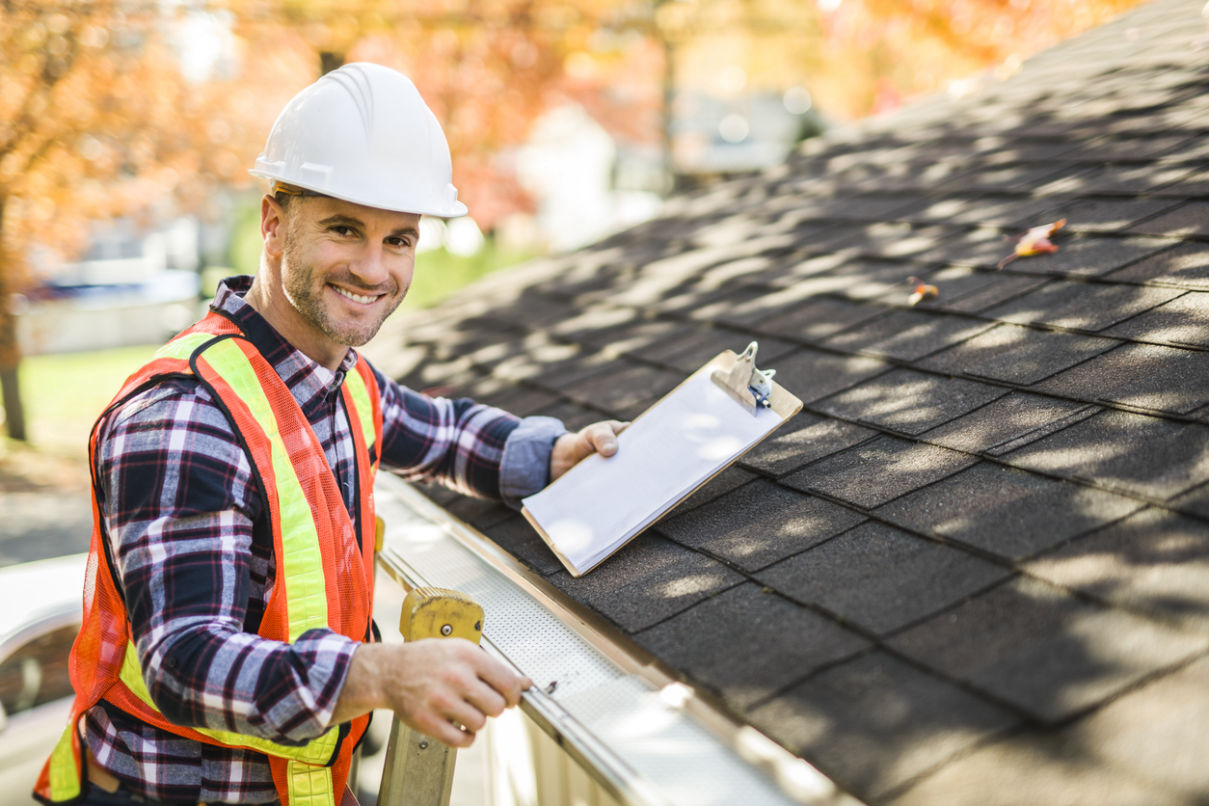
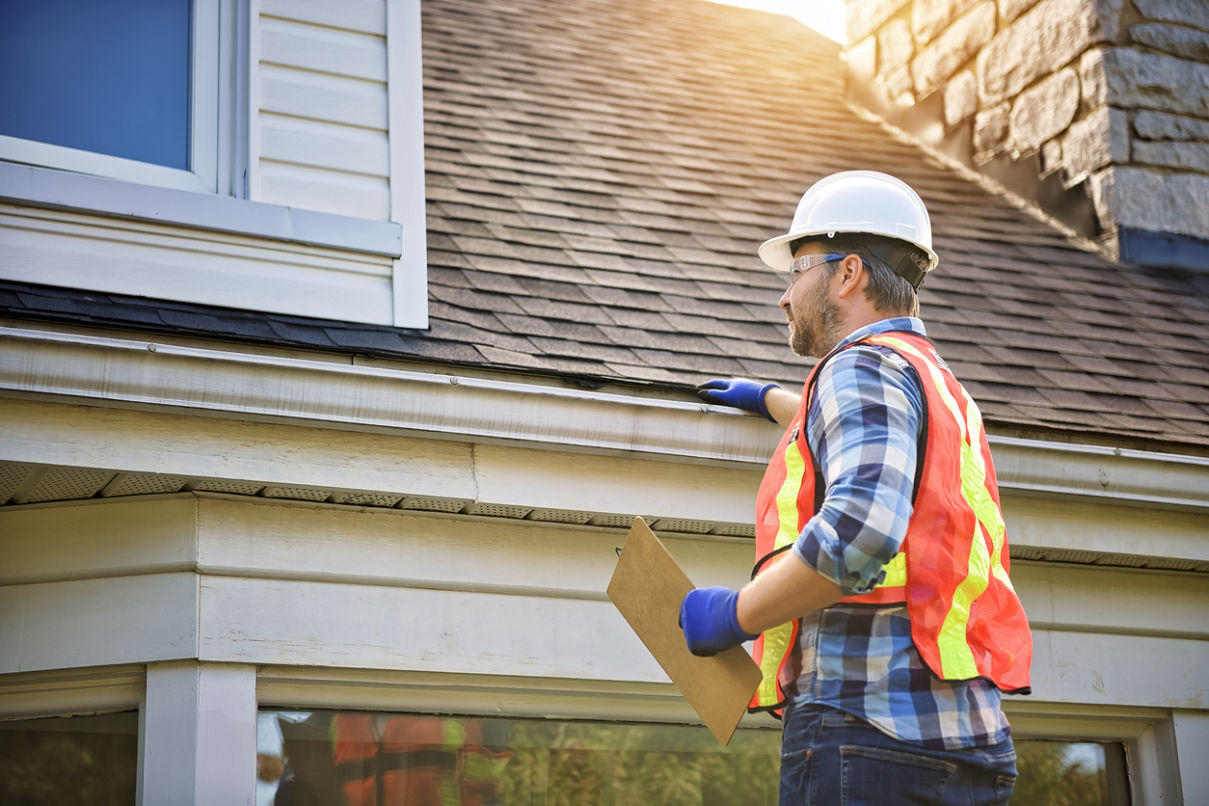
One of the most important repair steps after storm damage is getting a professional roof inspection. A trained roofing contractor can see things homeowners should not try to assess on their own. They know where storm damage tends to show up first, how to distinguish between surface wear and true weather-related damage, and whether the roof needs localized repair, temporary protection, or broader replacement planning.
This is especially important with storm-damaged roofs in Norfolk because weather here does not always create obvious destruction. Wind can break the seal on shingles without removing them. Flashing can shift slightly under pressure. Rain can exploit tiny openings that are almost impossible to see from the ground. A professional inspection helps reveal those quieter problems before they spread.
It also helps answer the practical questions homeowners actually care about:
- What damage did the storm likely cause?
- Is the damage isolated or more widespread?
- Can the roof be repaired, or is replacement becoming more likely?
- Does the home need temporary protection right away?
- Are there hidden moisture concerns already developing?
A good inspection does not just confirm damage. It helps create a plan.
Use Temporary Protection If the Roof Is Exposed
Sometimes a homeowner cannot wait for final repairs to begin. If the storm has left the roof exposed or if water is actively entering the home, temporary protection may be necessary to prevent further damage. This might involve tarping or another short-term measure to shield the vulnerable area until permanent repairs can be completed.
The purpose of temporary protection is not to replace proper roofing work. It is to stop the situation from getting worse. In many cases, that alone can save the homeowner from more interior damage while estimates, inspections, or claim decisions are underway.
If temporary protection is installed, homeowners should document it with photos and keep records of when it was done. This creates a clear timeline and helps show that steps were taken to protect the home after the storm.
Understand the Difference Between Repair and Replacement
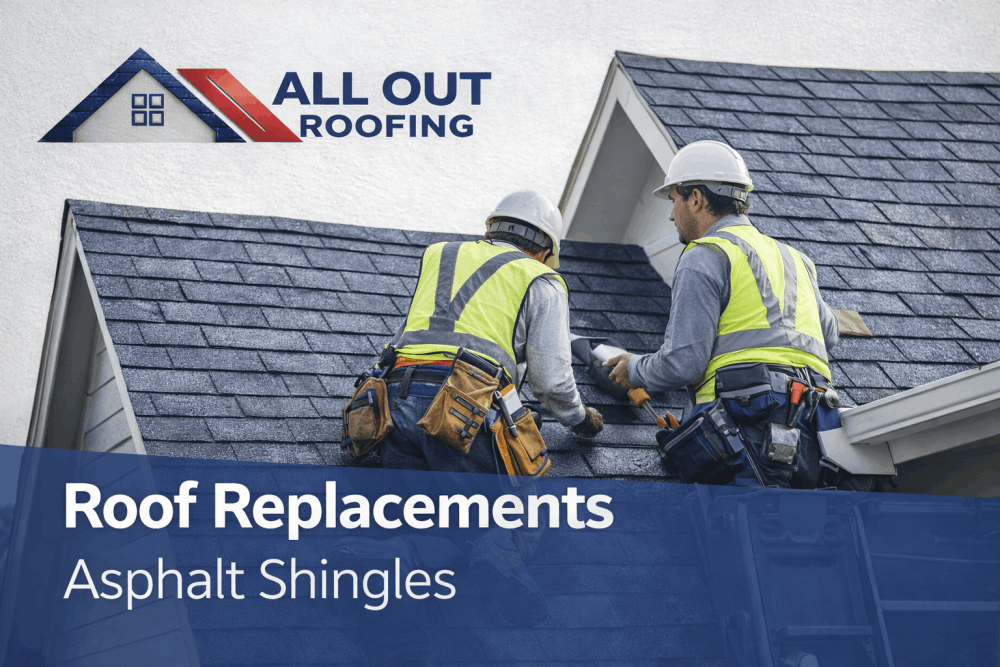
Not every storm-damaged roof needs full replacement. In many cases, a repair is the right answer. If the damage is limited to one section, if the rest of the roof is in sound condition, and if the affected materials can be restored effectively, repair may be the most practical and cost-conscious option.
However, some storms reveal larger issues. A roof that was already aging may show widespread damage after a storm. Multiple leaks, extensive shingle loss, repeated moisture intrusion, or structural concerns may all shift the conversation toward replacement rather than patching.
This is why a professional inspection matters so much. Homeowners should not feel pressured to jump to replacement automatically, but they also should not assume repair is always the better choice simply because it sounds smaller. The right answer depends on the roof’s age, condition, and the true extent of the storm damage.
Ask the Right Questions During the Roofing Conversation
When meeting with a roofing contractor after storm damage, homeowners should not be afraid to ask clear, practical questions. Strong communication early helps reduce confusion later and makes it easier to understand what the home actually needs.
Helpful questions may include:
- What signs of storm damage do you see?
- Do you believe the damage is recent and weather-related?
- Is repair enough, or is the roof showing broader wear?
- Does the damage involve flashing, decking, or ventilation too?
- What steps should be taken immediately to protect the home?
- What kind of timeline should the homeowner expect for the repair process?
Good roofing contractors should be able to explain their findings clearly. The goal is not to overwhelm the homeowner with technical language. It is to make the next steps easier to understand.
Keep Records of Everything
Storm-related roof work becomes easier to manage when the homeowner keeps organized records. This includes photos, inspection notes, invoices for temporary protection, written estimates, and any communication related to the damage. Whether the project ends up being a straightforward repair or something more involved, good records help keep the process clear.
It is especially useful to keep:
- A folder of photos taken after the storm
- Notes on when the damage was first noticed
- Any inspection summaries or contractor findings
- Copies of estimates and proposed repair scopes
- Receipts for any emergency protection measures
These details may seem simple, but they help homeowners stay organized during a stressful time and make it easier to track what has already been done.
Do Not Wait for the Next Storm to Decide
One of the most important lessons homeowners learn about storm damage is that delay usually helps the damage, not the homeowner. A roof that has already been weakened by one storm is often more vulnerable the next time bad weather passes through. Waiting for “one more storm” to see what happens is rarely a good strategy.
The roof does not need to be collapsing for action to be urgent. If shingles are loose, flashing is displaced, or moisture is already entering the attic, the next storm may turn a manageable repair into a much larger project. Acting promptly usually means the damage stays more contained and the home stays better protected.
This does not mean rushing into the wrong contractor or signing the first proposal you receive. It means moving with purpose. Get the inspection. Understand the scope. Protect the exposed areas. Then make a clear decision about the repair path.
Why Local Experience Matters in Norfolk
Storm-related roof repair is not exactly the same in every region. Norfolk homes deal with a combination of coastal humidity, strong rain, storm exposure, and changing weather conditions that make local experience especially valuable. A roofing contractor who understands how storm-damaged roofs in Norfolk typically fail is often better equipped to recognize the quieter signs of damage and recommend the right next step.
Local experience matters because it shapes the inspection, the repair strategy, and the understanding of how weather in this area affects roofing materials over time. Homeowners benefit from working with professionals who know what to look for under local conditions rather than applying a one-size-fits-all approach.
Final Thoughts on Storm-Damaged Roofs in Norfolk
When homeowners are dealing with storm-damaged roofs in Norfolk, the most important repair steps are usually the simplest and smartest ones: stay safe, inspect from the ground, document what changed, check inside the home for moisture signs, schedule a professional roof inspection, use temporary protection when needed, and move quickly enough to keep the problem from spreading. These steps do not eliminate the stress of storm damage, but they do make the situation much more manageable.
The biggest advantage homeowners have after a storm is acting early. Most roofing damage starts smaller than it ends. A lifted shingle, a flashing gap, or a small leak may not seem overwhelming at first, but left alone, those problems can lead to bigger repairs, more interior damage, and greater expense. A practical response protects both the roof and the home beneath it.
For homeowners in Norfolk, Virginia Beach, and surrounding areas, storm recovery begins with clarity. The sooner you know what the roof is dealing with, the easier it is to make the right repair decision. And when those decisions are made early, with good documentation and experienced roofing guidance, the home has a much better chance of coming through the damage with less disruption, lower long-term cost, and stronger protection for the weather still ahead.