Should You Replace Your Roof Before Selling a Home in Norfolk?
Understand when replacing a roof before selling a home in Norfolk can improve buyer confidence, pricing, and inspection results.
Selling a home comes with a long list of decisions, and one of the biggest is deciding which repairs are worth making before the property goes on the market. Fresh paint, landscaping, and minor cosmetic updates often get attention first, but the roof is different. Buyers may admire a kitchen or a clean living room, but if they believe the roof is near the end of its life, confidence can drop quickly. That is why many homeowners ask whether they should replace your roof before selling a home in Norfolk.
The answer depends on the condition of the roof, the expectations of local buyers, and the price point of the home. In some cases, replacing the roof before listing can improve curb appeal, strengthen the asking price, reduce negotiation pressure, and create a smoother inspection process. In other cases, a full replacement may not be necessary, and targeted repairs or a realistic pricing strategy may be the better move. The key is understanding when a roof issue is likely to become a major obstacle and when it is simply part of normal homeownership.
For homeowners in Norfolk and nearby Virginia Beach, roofing decisions carry extra weight because coastal weather can be tough on a home’s exterior. Wind, moisture, heavy rain, humidity, and seasonal storms all affect how buyers and inspectors view a roof. A roof that looks worn, has visible damage, or appears close to failure can raise questions not only about the roof itself, but about how the home has been maintained overall.
If you are preparing to sell, it helps to approach the question strategically. Replacing a roof is a meaningful investment, so the goal is not to spend money blindly. The goal is to determine whether a new roof would protect your sale, support your price, and help buyers feel more confident moving forward.
Why the Roof Matters So Much During a Home Sale
When buyers tour a home, they are not only imagining how it looks. They are also calculating risk. A roof is one of the largest and most expensive systems in a house, so its condition influences how safe a buyer feels about making an offer. Even buyers who love the interior may hesitate if they think the roof will need replacement soon after closing.
This is especially true because buyers are usually already balancing other expenses. They may be thinking about moving costs, mortgage payments, insurance, furnishings, and repairs they want to make after they move in. If they see the roof as another large near-term expense, they may lower their offer, ask for concessions, or walk away entirely.
A worn roof can affect a sale in several ways:
- It can reduce buyer confidence during showings.
- It may trigger concerns during the home inspection.
- It can lead to insurance questions or underwriting issues.
- It may give buyers leverage to negotiate the price down.
- It can delay closing if repair requests become part of the contract.
On the other hand, a newer roof can send a strong message. It tells buyers that the home has been cared for, reduces fear of surprise costs, and may help the property stand out in a competitive market.
When Replacing the Roof Before Selling Makes Sense
There are situations where replacing the roof before listing is not just helpful, but strategically smart. If the roof is clearly near the end of its service life, waiting may simply create more friction later. Buyers, inspectors, appraisers, and even lenders may all notice the same issue, and once that happens, the seller loses control of the conversation.
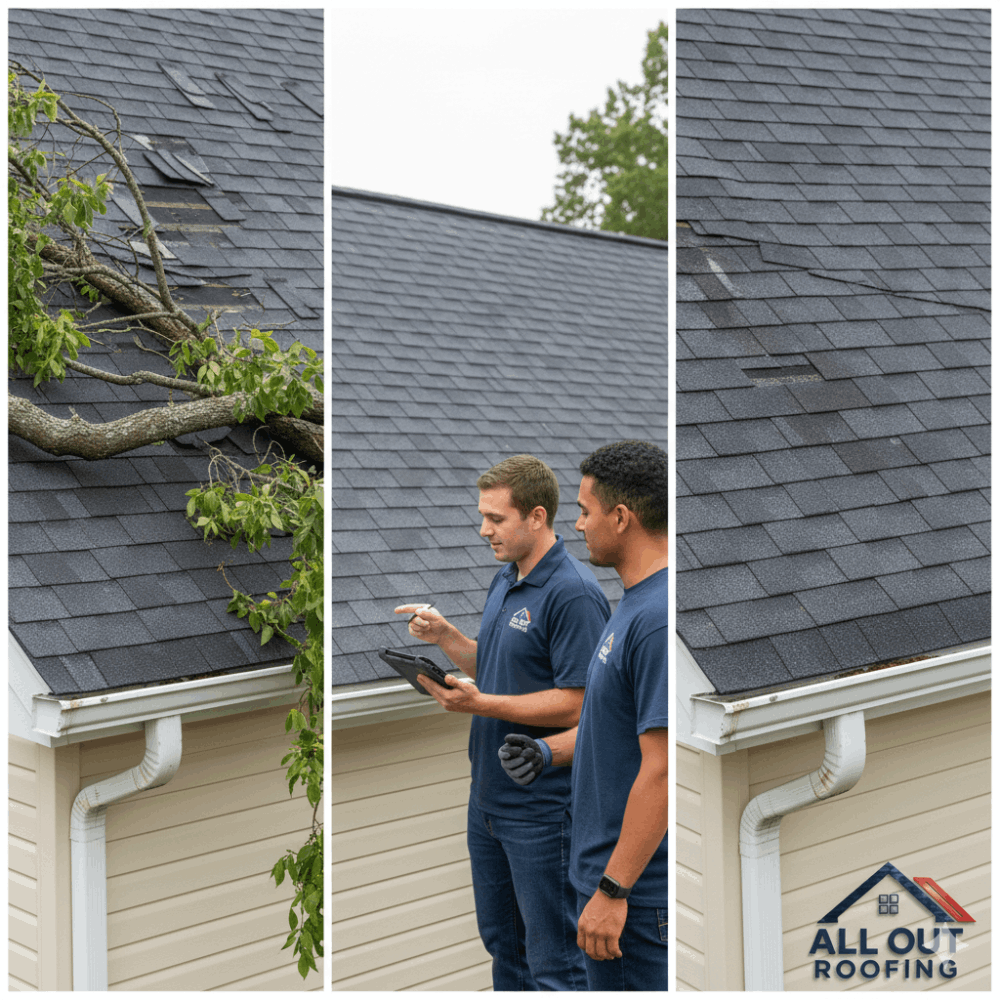
Replacing the roof before selling may make sense if the current roof has multiple visible problems. Missing shingles, curling edges, dark streaking from moisture retention, soft spots, sagging areas, repeated leaks, or damaged flashing all suggest more than simple wear. A roof with these kinds of issues can make buyers wonder what else they will find once the inspection begins.
Age also matters. If the roof is very old and has not been replaced within the expected lifespan of its material, buyers may assume it is a short-term liability even if it is not actively leaking. In a market like Norfolk, where buyers may already be thinking about storm exposure and long-term maintenance, an aging roof can become a bigger concern than it might in other regions.
Replacing the roof before listing often makes the most sense when:
- The roof is at or near the end of its expected lifespan.
- There are active leaks or documented water issues.
- The roof has visible damage that affects curb appeal.
- The home is being marketed at a price point where buyers expect move-in-ready condition.
- You want to reduce the risk of inspection negotiations disrupting the sale.
In these situations, replacing the roof may not only protect the deal, but help the home show better from the start.
How a New Roof Can Improve Buyer Confidence
Real estate is emotional, but it is also practical. Buyers want to feel excited about a home without feeling exposed to large unknown costs. A new roof helps create that sense of security. It removes one of the biggest visible concerns a buyer might have and can make the entire property feel more dependable.
Buyer confidence matters because it influences how offers are made. A confident buyer is more likely to submit a cleaner offer, accept the asking price more readily, and move through inspection with less suspicion. A nervous buyer often does the opposite. They look harder for defects, ask for more credits, and may use any roof concern as a reason to renegotiate.
A new roof can also help buyers imagine a simpler transition into the home. Instead of budgeting for immediate exterior work, they can focus on settling in. That psychological advantage should not be underestimated. Even when a roof replacement does not return every dollar directly, it may still make the home easier to sell and reduce the chance of stalled negotiations.
The Role of Roofing in Pricing Strategy
One of the biggest reasons sellers consider roof replacement is the potential effect on price. Homeowners often wonder whether replacing the roof will allow them to list higher or avoid discounting later. The truth is that a new roof usually does not create unlimited pricing power, but it can support the asking price by removing a common objection.
A home with an older or questionable roof often attracts offers that reflect future replacement costs. Buyers tend to overestimate those costs and may ask for a larger discount than the actual project would require. They are not only pricing the roof itself. They are pricing inconvenience, uncertainty, and risk.
By contrast, a home with a recently replaced roof may justify stronger pricing because buyers see one less major issue to solve. The roof becomes part of the home’s value story. It may not create dramatic overpricing, but it can help preserve value and prevent the listing from feeling compromised.
This matters especially in competitive areas of Norfolk where buyers compare homes quickly. If one property has an aging roof and another has a new one, the newer roof may help the better-prepared home feel like the safer purchase, even if the list price is slightly higher.
Roof Condition and the Home Inspection Process
Home inspections are often where roofing issues become unavoidable. A buyer may not know much about roofing during a showing, but once the inspector documents problems, the issue becomes formal. At that stage, sellers are no longer dealing with vague concern. They are dealing with written findings that influence negotiation, financing, and buyer confidence.
If the inspector notes missing shingles, damaged flashing, poor drainage, evidence of leaks, soft decking, or signs that the roof is at the end of its life, the buyer may request repairs, demand a credit, or ask for replacement before closing. Even if the request seems aggressive, many buyers feel justified once the inspection report identifies the concern.
This is one of the strongest arguments for dealing with the roof before listing. When sellers address roofing issues proactively, they stay ahead of the inspection. They can present the home more confidently, reduce surprise findings, and avoid being forced into rushed decisions while under contract.
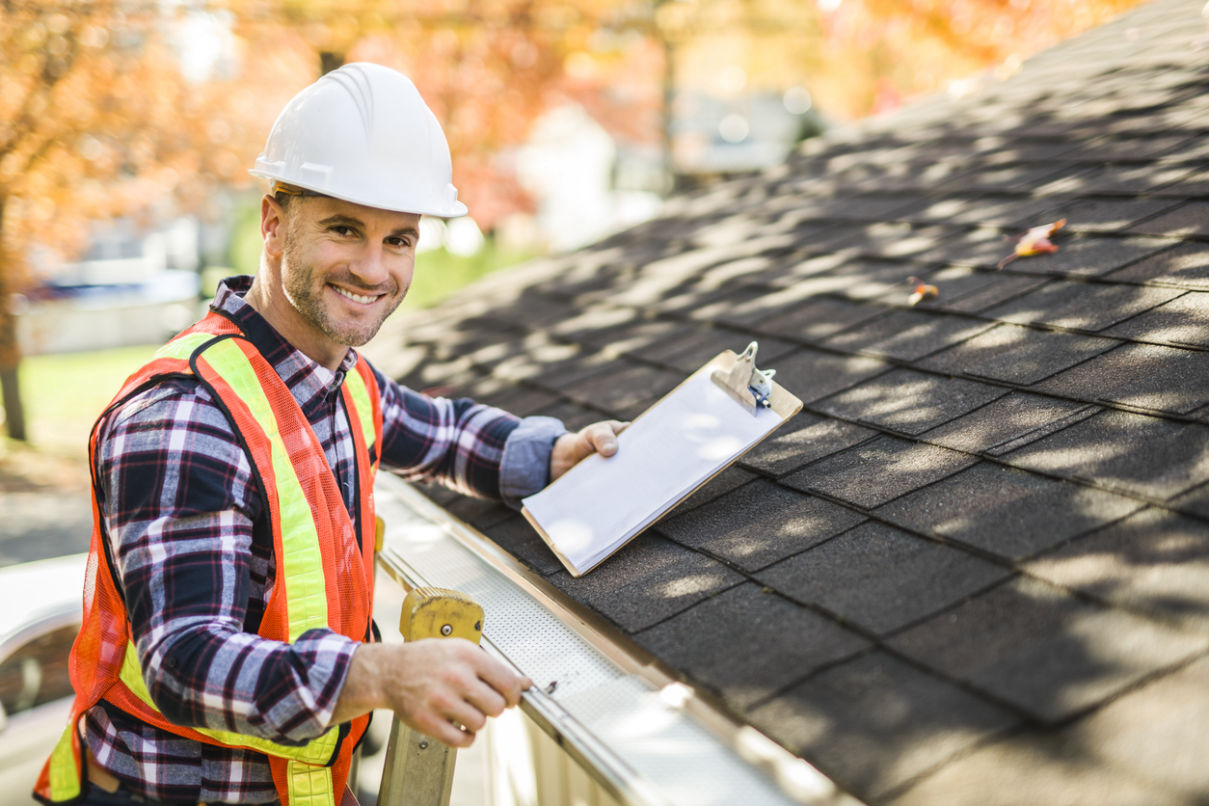
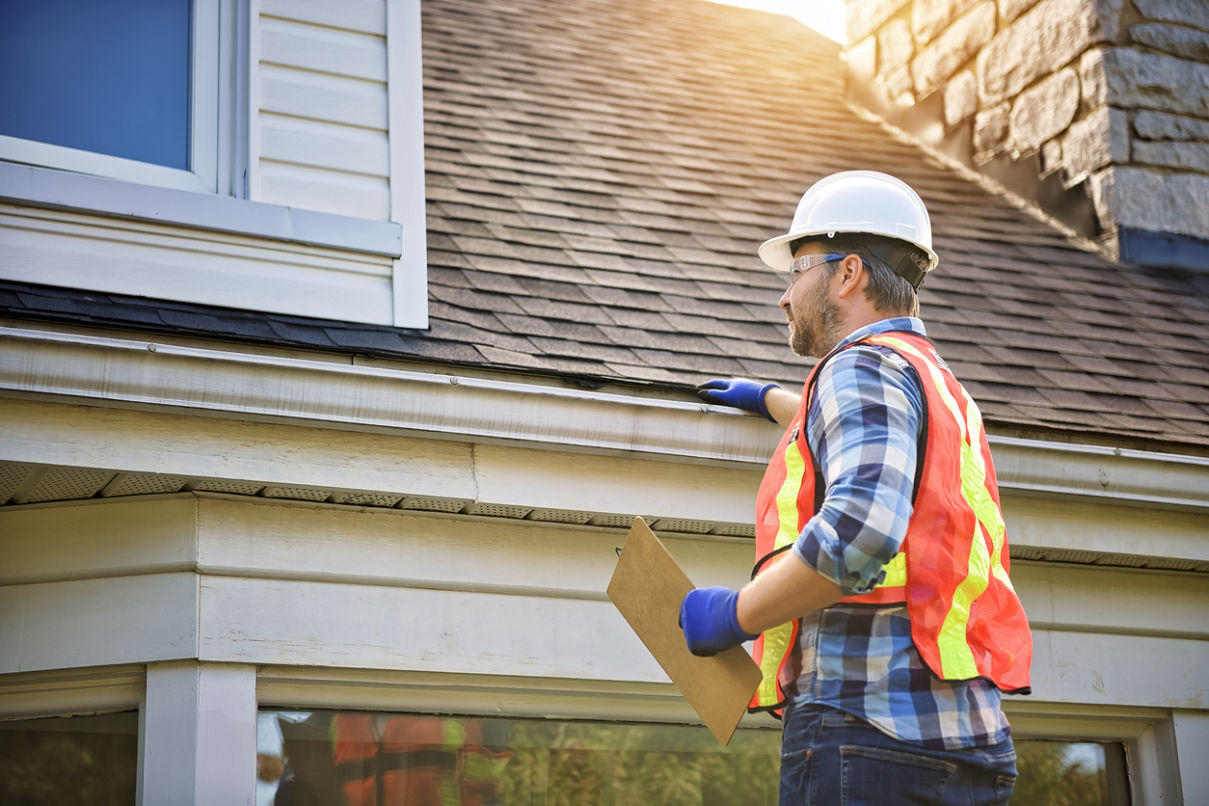
In some cases, it makes sense to get a professional roofing inspection before listing the home. That allows the seller to understand whether the roof truly needs replacement, whether repairs are enough, and how the roof is likely to appear to buyers and inspectors. The more information you have before the home goes on the market, the more control you keep.
When Repairs May Be Enough Instead of Full Replacement
Not every seller needs to replace the roof. In many cases, a full replacement would be more work and expense than the sale actually requires. If the roof still has useful life left and the issues are localized, a repair-focused approach may be the more practical path.
For example, if the roof has a small flashing issue, a few damaged shingles, minor ventilation concerns, or isolated wear that does not suggest overall system failure, targeted repairs may be enough to satisfy buyers and improve presentation. The goal is to correct the issues most likely to appear in an inspection report or create visible doubt during showings.
Repairs may be the better choice when:
- The roof is in generally sound condition.
- The problems are isolated rather than widespread.
- There are no active leaks or structural concerns.
- The seller wants to improve the roof’s appearance and function without making a full replacement investment.
- The pricing strategy already reflects the home’s age and overall condition.
The important part is not guessing. A seller should work with a trusted roofing professional who can provide a realistic assessment rather than pushing unnecessary work. Honest guidance matters, especially when the decision affects both the sale timeline and the homeowner’s bottom line.
Norfolk’s Climate Makes Roof Condition More Noticeable
In Norfolk, buyers tend to pay close attention to exterior condition because the local climate demands it. Coastal Virginia weather exposes roofing systems to wind, heavy rain, humidity, salt air influence, and seasonal storm patterns. Even a roof that might pass without much scrutiny in another market may draw more attention here simply because weather-related wear is part of everyday reality.
That is why the question of whether to replace your roof before selling a home in Norfolk is so important. Buyers in this area often understand that a roof is not just cosmetic. It is a major protective barrier. If it looks weak, worn, or outdated, they may worry about leaks, hidden moisture problems, attic ventilation issues, and future insurance headaches.
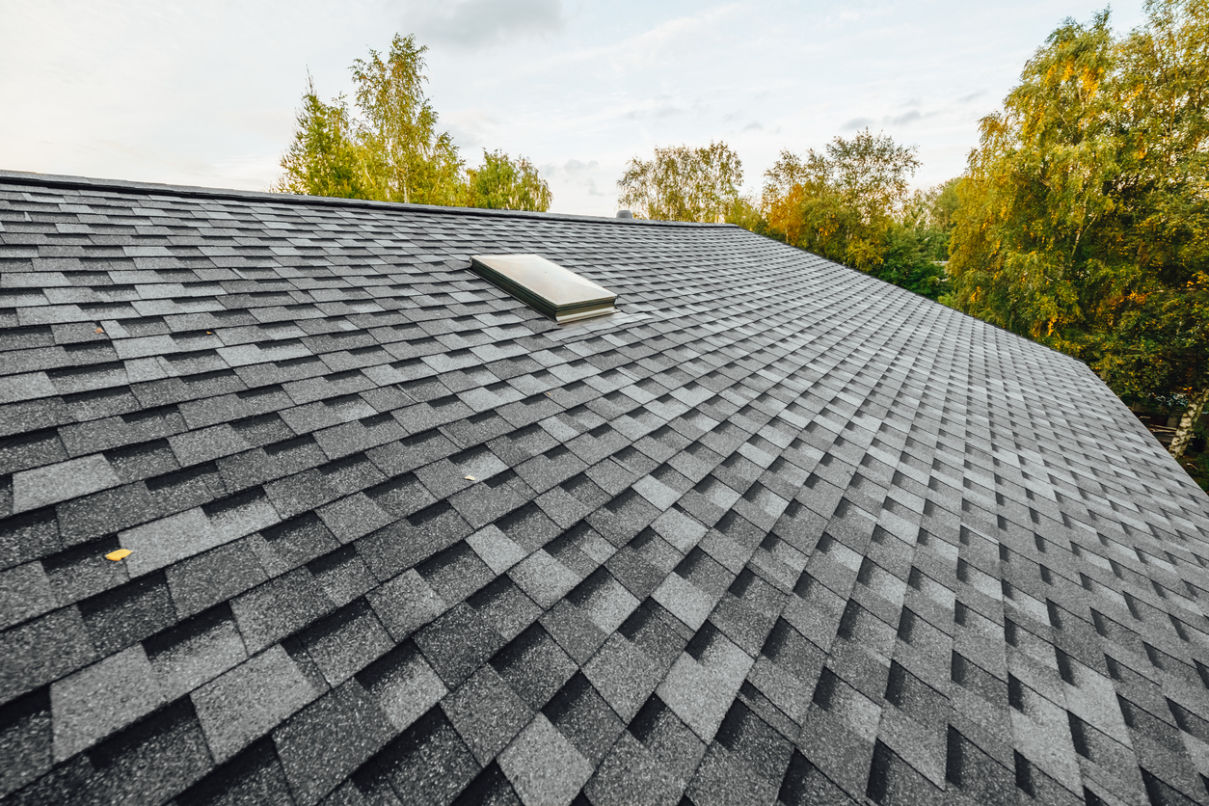
A roof in good condition can also help the rest of the property feel stronger. Clean lines, consistent shingles, and visible upkeep improve curb appeal and support the idea that the home has been maintained with care. In many cases, that impression carries into how buyers interpret the rest of the house.
Should You Replace the Roof or Offer a Credit?
Some sellers consider leaving the roof as-is and offering the buyer a credit instead. This can work in certain situations, especially if the seller does not want to manage the project before moving. A credit gives the buyer flexibility and can keep the seller from making a large upfront investment.
However, credits are not always as effective as a completed roof replacement. Buyers may still feel uneasy about taking on the project themselves. Some will assume the work will cost more than expected. Others may worry about managing contractors right after moving in. In competitive situations, those concerns can still weaken offers.
There is also the issue of perception. A new roof is visible and reassuring. A credit is abstract. It may solve the math, but it does not create the same confidence during showings or prevent the inspection from focusing attention on the roof’s condition.
That does not mean credits are a bad option. It simply means they are often a fallback strategy rather than the strongest marketing advantage. If the roof is too compromised to inspire confidence, replacing it before listing may be the cleaner solution.
How to Decide What Is Right for Your Sale
The smartest decision comes from looking at the roof in the context of the overall sale. Ask a few practical questions. How old is the roof? Are there visible signs of wear or damage? Has the roof leaked? Are you trying to market the home as move-in ready? Are comparable homes in your area showing with updated exteriors? How much negotiation pressure are you willing to absorb?
A professional roofing inspection is usually the best place to start. It turns the discussion from guesswork into real information. You can learn whether the roof needs replacement, whether repair is enough, and what issues are most likely to matter to buyers. From there, you can weigh the cost of roofing work against the value of a smoother listing and cleaner transaction.
In many cases, sellers find that clarity alone is valuable. Even if they choose not to replace the roof, knowing its condition helps them price the home honestly, prepare for inspection discussions, and answer buyer questions with more confidence.
Final Thoughts on Replacing Your Roof Before Selling
So, should you replace your roof before selling a home in Norfolk? Sometimes yes, and sometimes no. If the roof is old, visibly worn, leaking, or likely to trigger inspection concerns, replacement can be a strong investment in buyer confidence, pricing support, and a smoother path to closing. If the roof is still structurally sound and only needs minor work, targeted repairs may be enough to protect the sale without taking on the cost of full replacement.
The most important thing is not to let uncertainty control the process. A roof can shape how buyers see the home, how inspectors write their reports, and how negotiations unfold. Addressing the issue early gives you more options and more leverage.
For homeowners in Norfolk and Virginia Beach preparing to sell, the right roofing strategy starts with an honest professional evaluation. Once you know the true condition of the roof, you can make a practical decision that supports your timeline, protects your value, and helps buyers feel confident saying yes to your home.