Roof Replacement vs. Roof Repair in Norfolk: Which Makes More Sense?
Compare roof replacement and roof repair in Norfolk based on age, storm damage, leak history, and overall roof condition.
For many homeowners, the hardest part of dealing with roof problems is not realizing something is wrong. It is deciding what to do next. Once a leak appears, shingles go missing, or storm damage shows up after heavy wind and rain, the question quickly becomes practical: should you repair the roof, or is it time to replace it? That is why understanding roof replacement vs roof repair in Norfolk matters so much. The right answer can protect your home, control long-term costs, and help you avoid making the same decision twice.
At first glance, repair usually feels like the easier choice. It often sounds more affordable, less disruptive, and more immediate. In many situations, that instinct is exactly right. A localized issue on a roof that still has dependable life left may only need a targeted repair. But in other cases, repairs become a temporary solution on a roof that is already wearing out more broadly. When that happens, homeowners can end up spending money repeatedly without truly solving the underlying problem.
That is where the replacement conversation begins. A full roof replacement is a larger investment, but it can also bring clarity and long-term protection when the roof is aging, storm-damaged, or showing multiple signs of failure. The challenge is that the right choice depends on more than just one leak or one missing shingle. It depends on the age of the roof, the extent of storm damage, how often problems have been happening, and the overall condition of the roofing system.
In Norfolk, these decisions are shaped by local conditions. Roofs here deal with humidity, heavy rain, seasonal storms, wind exposure, and the broader effects of coastal weather. Those conditions can make weak spots worse faster than homeowners expect. A roof that looks mostly fine from the ground may still have flashing failures, soft decking, loosened shingles, or hidden moisture issues developing beneath the surface.
If you are trying to decide between repair and replacement, the goal is not to jump to the biggest project automatically. The goal is to make the decision that makes the most sense for the condition of your roof and the future of your home.
Why This Decision Matters
A roof is one of the most important protective systems on a house. When it begins to fail, the effects do not stay limited to the exterior. Water can move into decking, attic insulation, drywall, paint, framing, and even indoor air quality. That is why the question of roof replacement vs roof repair in Norfolk is not just about surface materials. It is about how to best protect the entire home.
The wrong decision can be expensive in two different ways. Replacing a roof too early can feel like more work and cost than necessary. But repairing a roof that is already nearing the end of its useful life can also become expensive if leaks continue, storm damage worsens, or repeated repairs add up without lasting results. Homeowners benefit most when the decision is based on the full picture rather than just the most visible symptom.
That full picture includes:
- The roof’s age and expected lifespan
- The extent and pattern of damage
- Whether leaks are isolated or recurring
- The condition of shingles, flashing, and decking
- How the roof has handled past storms
- Whether the roof still has dependable life left overall
Once those factors are understood, the answer becomes much clearer.
When Roof Repair Often Makes More Sense
Roof repair is often the better option when the problem is limited and the roof still has solid remaining life. Not every roofing issue means replacement is necessary. In fact, many homes in Norfolk can be protected very effectively with targeted repairs when problems are caught early.
A repair-focused approach makes the most sense when damage is confined to a specific section of the roof. A few wind-damaged shingles, a flashing issue around a chimney, a cracked vent boot, or a small leak from one isolated problem area may all be good candidates for repair. In these situations, the rest of the roofing system may still be performing well. Replacing the whole roof would not necessarily add value if the issue can be corrected reliably in one area.
Repairs are often the practical choice when:
- The roof is still relatively young or middle-aged
- The damage is localized rather than widespread
- There is no major sagging or structural concern
- The roof has not had a long history of recurring leaks
- The shingles and flashing are in generally sound condition overall
In these cases, repair can extend the life of the roof and preserve value without pushing the homeowner into a full replacement before it is truly needed.
When Roof Replacement Often Makes More Sense
There comes a point when repairs stop being the smartest long-term answer. If the roof is older, has widespread wear, shows repeated leak patterns, or has been damaged in several areas, replacement may be the more practical choice. This is especially true when the problems go beyond one visible symptom and suggest the roofing system is deteriorating as a whole.
For example, a roof with widespread curling shingles, heavy granule loss, aging flashing, recurring water intrusion, and multiple past repairs is not simply dealing with one isolated issue. It is showing signs that the system may be moving into the final stage of its useful life. At that point, additional patching may only delay the inevitable while increasing cost and frustration.
Replacement often makes more sense when:
- The roof is near or beyond its expected lifespan
- Leaks have happened in more than one area
- Storm damage affects multiple sections
- The roof has significant visible wear across the surface
- Decking or structural components have been affected
- Previous repairs are no longer solving the problem
In these cases, replacement is less about overreacting and more about ending a cycle of ongoing deterioration. A new roof provides a clean starting point and often reduces the risk of repeated repair decisions over the next few years.
How Roof Age Influences the Decision
Age is one of the first things homeowners should consider, but it should not be the only thing. A roof does not automatically need replacement simply because it reaches a certain number of years. Still, age provides useful context. An older roof is more likely to have brittle shingles, worn sealants, fatigued flashing, and accumulated weather stress that makes new problems more likely.
If a roof is older and a leak appears, the right question is not just, “Can this be repaired?” Almost any roof issue can be repaired in some way. The more important question is, “How much dependable life is left in the roof overall?” If the answer is not much, repair may be technically possible but strategically weak.
By contrast, if the roof is newer and otherwise in good shape, a repair is often the more logical path. In that case, the damage may be an interruption in an otherwise healthy roofing system rather than a sign of broad decline.
Age matters most when it is combined with the current condition of the roof. A professional inspection helps determine whether the roof is aging normally or moving toward failure.
Storm Damage Changes the Equation
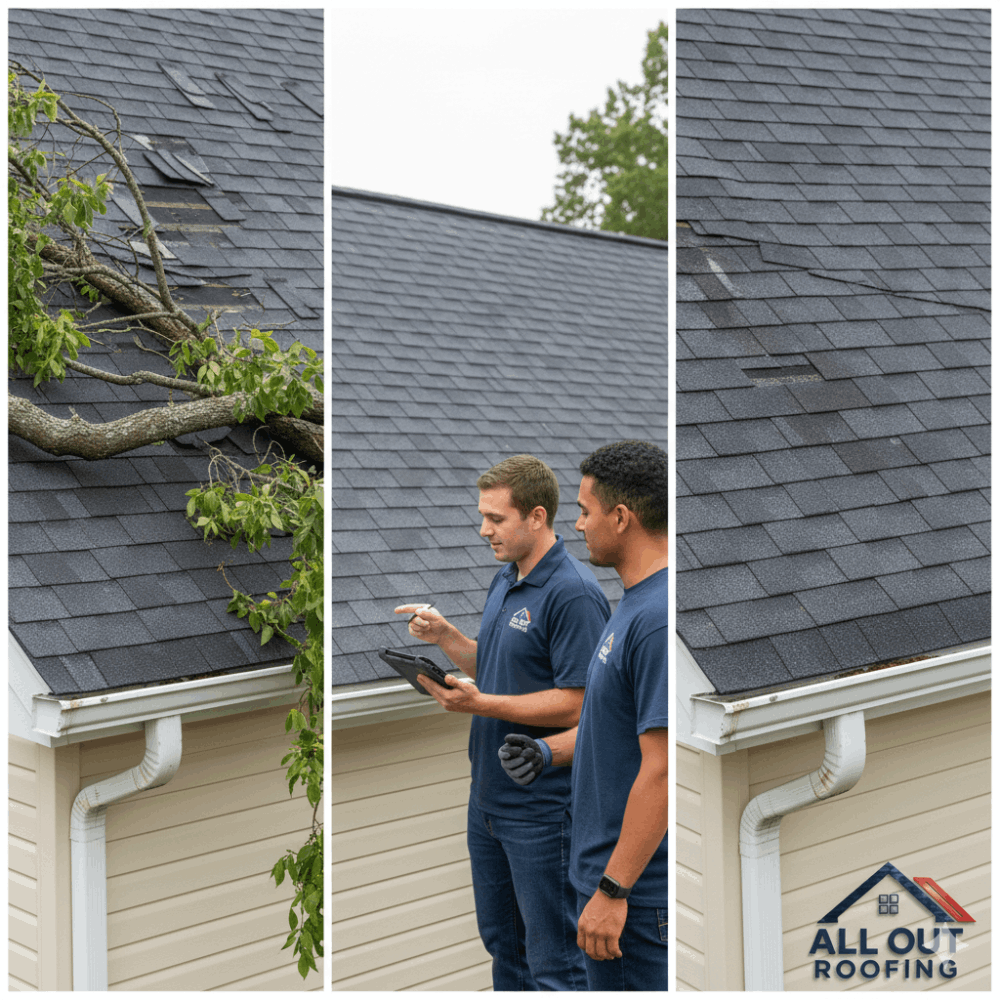
In Norfolk, storms are a major factor in roofing decisions. Wind-driven rain, strong gusts, fallen branches, and repeated weather exposure can create problems that are not always obvious right away. A roof may come through a storm looking mostly intact from the ground while still having lifted shingles, displaced flashing, compromised seals, or impact damage that will cause trouble later.
Storm damage sometimes supports repair and sometimes pushes the decision toward replacement. If the damage is limited to one section and the roof is otherwise strong, repair may be all that is needed. But if the storm exposed multiple weak areas or the roof was already aging before the weather event, replacement may make more sense.
This is why storm-related decisions should not be based on appearances alone. A proper inspection helps identify whether the roof suffered isolated damage or whether the storm accelerated broader decline that was already underway.
Leak History Tells an Important Story
One leak does not always mean replacement is necessary. But repeated leaks are a different story. Leak history is one of the best clues in the decision between repair and replacement because it shows whether the roof has a recurring pattern of failure or a single correctable issue.
If a roof has leaked several times over the last few years, especially in different areas, it may be telling you that the system is weakening overall. Flashing may be aging, shingles may be losing integrity, and underlying materials may no longer be holding up the way they should. In that situation, one more repair might fix one leak while leaving the next one waiting around the corner.
On the other hand, if the leak is the first one the roof has had and the cause is clearly identified, repair may be completely reasonable. The key is not to focus only on the current leak. It is to consider the roof’s pattern over time.
Overall Roof Condition Matters More Than One Symptom
Homeowners often make the mistake of focusing only on the most visible issue. If the leak is near a chimney, they think only about the chimney. If a few shingles are missing, they think only about those shingles. But roofing decisions are strongest when they are based on the overall condition of the roof rather than one symptom in isolation.
A roof may have a fixable leak near flashing, but if the rest of the roof is heavily worn, replacement may still be the smarter move. Likewise, a few missing shingles after wind may look serious, but if the rest of the roof is in strong condition, repair may be the better choice.
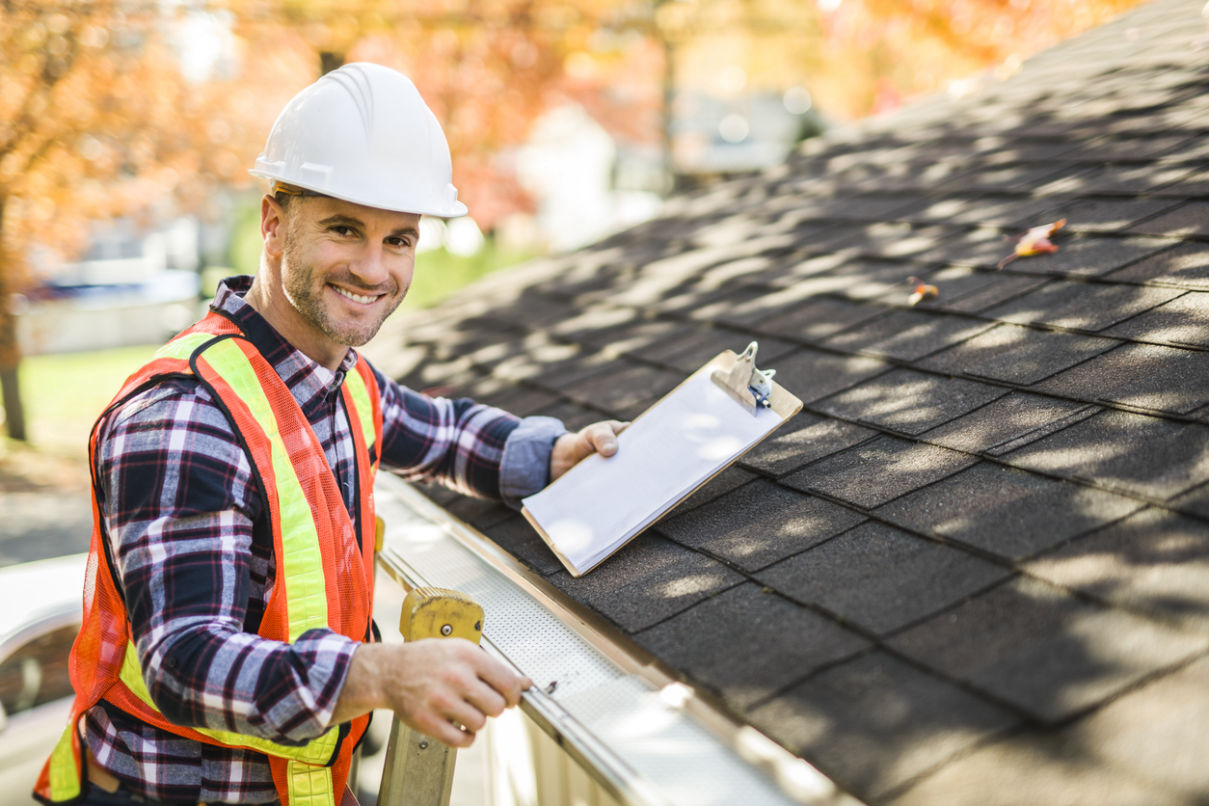
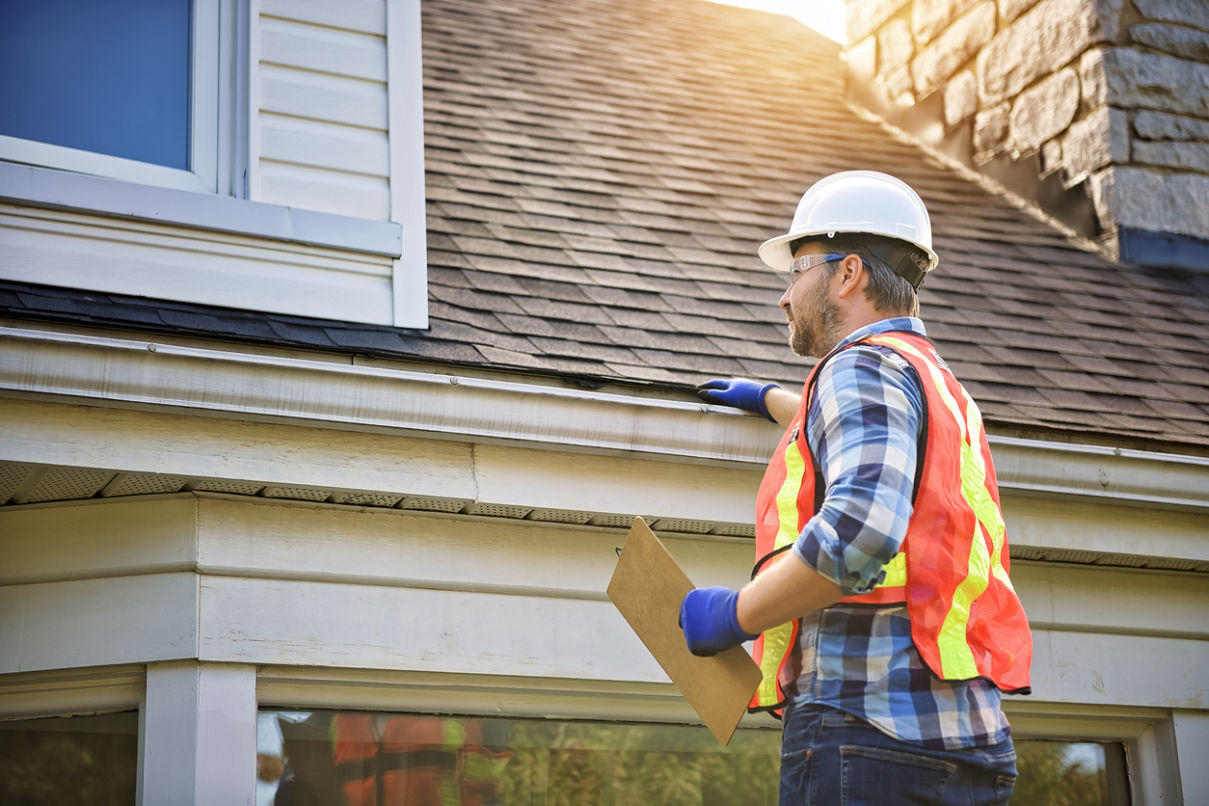
This is why professional inspections are so valuable. They look beyond the single complaint and evaluate the whole roofing system. Important factors include:
- The condition of shingles across all roof planes
- Granule loss and surface wear
- Flashing performance at penetrations and transitions
- Signs of soft decking or sagging
- Attic moisture and ventilation concerns
- Drainage and gutter performance
The better the homeowner understands the condition of the roof as a whole, the more confident the decision becomes.
Repairs Can Be Smart, But Not Endless
There is nothing wrong with repairing a roof when repair is the right answer. In fact, timely repairs are one of the best ways to extend roof life and avoid premature replacement. The problem begins when repairs turn into a repeating cycle on a roof that is already telling you it is worn out.
If the same areas keep needing attention, or if one repair is followed by another in a different section, the cost of “just fixing it” can begin to stack up. At a certain point, those repair dollars stop feeling like maintenance and start feeling like temporary delay. Homeowners may spend significant money over time while still living under a roof they do not fully trust.
This is often the turning point where replacement starts to make more sense. The goal is not to avoid repairs forever. It is to recognize when repairs are still strategic and when they have become short-term patches on a long-term problem.
Replacement Offers More Than Just New Materials
When homeowners hear “replace the roof,” they often think only about cost. But replacement also offers benefits that repairs cannot always provide when the roof is broadly worn. A full replacement gives the home a new roofing system, updated flashing, fresh underlayment, and the opportunity to address ventilation or decking issues that may have been contributing to the roof’s decline.
That matters because some problems are not fully visible until the old roof is removed. A replacement project can uncover and correct hidden weaknesses beneath the surface. It also resets the roof’s life expectancy and reduces the uncertainty that comes with aging materials and recurring repairs.
For homeowners planning to stay in their home for years, replacement may offer stronger long-term value even if the upfront cost is higher. It can also improve curb appeal, buyer confidence, and peace of mind.
How Norfolk’s Coastal Climate Affects the Decision
Norfolk’s climate makes roofing decisions more important because local weather can make weak spots worse quickly. Humidity, rain, wind, and seasonal storms all put pressure on roofing materials. A roof with existing vulnerabilities may decline faster here than it would in a drier or less storm-prone environment.
This means waiting too long on an aging or compromised roof can be especially risky. A small weakness during one season can become an active leak during the next heavy rain. A few lifted shingles can become larger wind damage during the next storm cycle. In coastal Virginia, roofs are not just aging quietly. They are being tested regularly.
That is one reason why the question of roof replacement vs roof repair in Norfolk should be answered with local conditions in mind. The same roof condition might be manageable longer in another region, but Norfolk weather often shortens the margin for delay.
Questions Homeowners Should Ask Before Deciding
Before committing to repair or replacement, homeowners should ask a few grounded questions that cut through guesswork:
- How old is the roof, and how much useful life is realistically left?
- Is the damage isolated or spread across multiple sections?
- Has the roof leaked more than once or in more than one place?
- Are the shingles, flashing, and decking in good shape overall?
- Would this repair solve the problem long term, or only delay a larger issue?
- Has recent storm exposure changed the condition of the roof more broadly?
These questions help move the decision from emotion to logic. A trustworthy roofing contractor should be able to explain the answers clearly and connect the recommendation to the actual condition of the roof.
Final Thoughts on Roof Replacement vs Roof Repair in Norfolk
When comparing roof replacement vs roof repair in Norfolk, the right choice comes down to the roof’s age, storm damage, leak history, and overall condition. Repairs often make sense when the issue is limited and the roof still has dependable life left. Replacement often makes more sense when problems are recurring, damage is widespread, or the roof is clearly moving toward the end of its service life.
The key is not to choose the smaller project automatically or the larger project out of fear. It is to make the decision that truly fits the roof you have today. In many cases, an honest inspection provides the clarity homeowners need. It shows whether the roof is still worth repairing or whether continuing to patch it is only postponing the inevitable.
For homeowners in Norfolk, Virginia Beach, and surrounding areas, the smartest path is to act before uncertainty becomes larger damage. A thoughtful decision now can protect your home, control costs more effectively, and give you more confidence the next time heavy rain or strong wind moves through the area.