How to Choose the Right Roofing Contractor in Norfolk
Find out how to choose the right roofing contractor in Norfolk by reviewing credentials, inspections, estimates, warranties, and communication.
Hiring a roofer sounds simple until it is time to actually choose one. A leak appears after a storm, shingles start lifting, or the roof reaches an age where repairs are no longer enough, and suddenly the homeowner has to make an important decision quickly. The challenge is that most people do not hire roofers often enough to feel fully confident about what separates a dependable contractor from one that only sounds convincing during the estimate. That is why understanding how to choose the right roofing contractor in Norfolk matters so much.
A roof is not just another exterior feature. It is one of the most important protective systems on the home. It helps keep water out, supports energy performance, protects insulation and framing, and stands between your home and the weather conditions coastal Virginia brings throughout the year. In Norfolk, that includes humidity, heavy rain, wind exposure, storm activity, and the slow wear that comes from living in a coastal environment. Because the roof matters so much, the contractor you choose matters just as much.
Most homeowners begin by collecting estimates, but price alone is never the full story. Two quotes may look similar at first glance while covering very different scopes of work. One contractor may pay close attention to flashing, ventilation, underlayment, and cleanup. Another may offer a lower price by skipping important details or leaving future problems unaddressed. The difference is not always obvious unless the homeowner asks better questions and looks at the proposal more carefully.
The good news is that you do not need to be a roofing expert to make a strong decision. You simply need to know what to look for. Credentials, inspection quality, estimate clarity, warranty coverage, communication style, and overall professionalism all tell you something important about how the company is likely to handle your project. The best roofing choice usually becomes much clearer when you know what standards to apply before the work begins.
Start With the Idea That You Are Hiring a Process, Not Just a Crew
One of the most helpful mindset shifts a homeowner can make is this: you are not just hiring labor to put materials on your roof. You are hiring a process. That process includes inspection, diagnosis, proposal development, project planning, material handling, installation quality, communication, cleanup, and support after the job is complete. A roofing company may have skilled workers, but if the process around those workers is weak, the project can still become frustrating, confusing, or incomplete.
That is why choosing the right roofing contractor in Norfolk should begin with more than a quick online search and the lowest number on a proposal. The right company is usually the one that shows consistency from the first conversation onward. They ask thoughtful questions. They inspect carefully. They explain clearly. They document their recommendations. They do not treat the project like a rush job before it even starts.
Homeowners usually feel the difference early. A good contractor brings clarity. A weak one often brings pressure, vagueness, or overly simple promises about a project that is not actually simple.
Verify Credentials Early
Before getting too deep into proposals or material options, it is smart to verify basic credentials. A roofing company should be properly licensed where applicable, and they should carry appropriate insurance coverage. That typically includes liability insurance and workers’ compensation coverage. These are not minor technicalities. They are part of responsible business practice and part of protecting the homeowner as well.
If a contractor is hesitant when asked about licensing or insurance, that hesitation matters. A professional company should be able to answer directly and confidently. Homeowners do not need to treat the conversation like an interrogation, but they do need to understand who is working on their home and whether the company is operating with the appropriate level of accountability.
Questions in this area are simple but important:
- Are you properly licensed for residential roofing work?
- Do you carry liability insurance?
- Do you carry workers’ compensation coverage?
- Can you provide proof if needed?
Strong contractors are usually comfortable with these questions because they know homeowners should be asking them.
Pay Attention to the Inspection, Not Just the Estimate
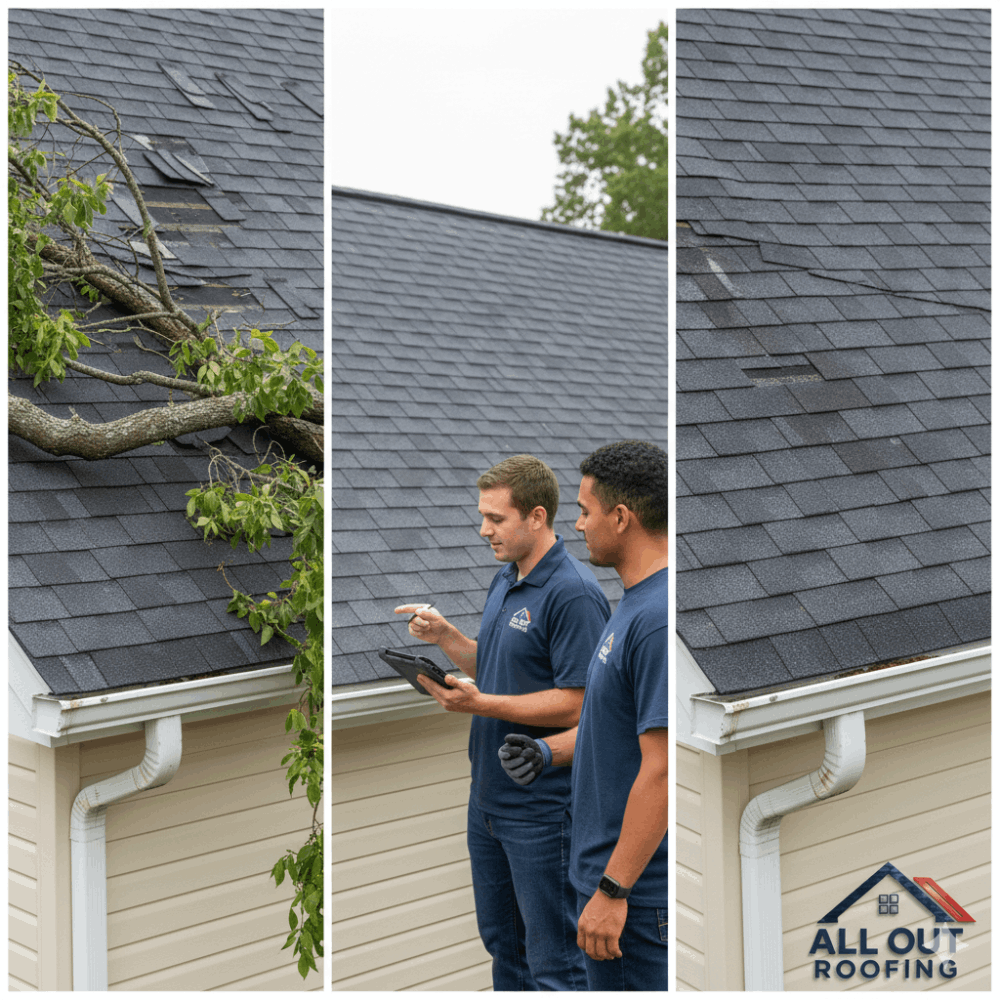
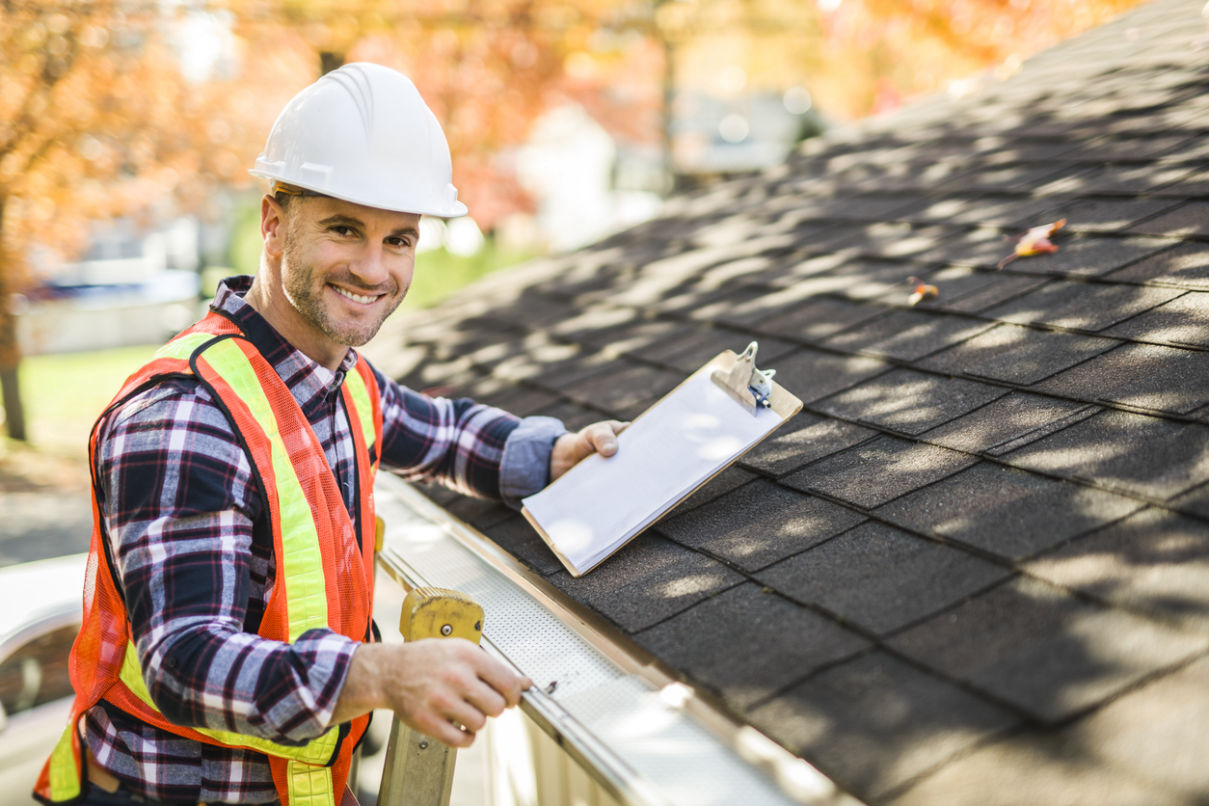
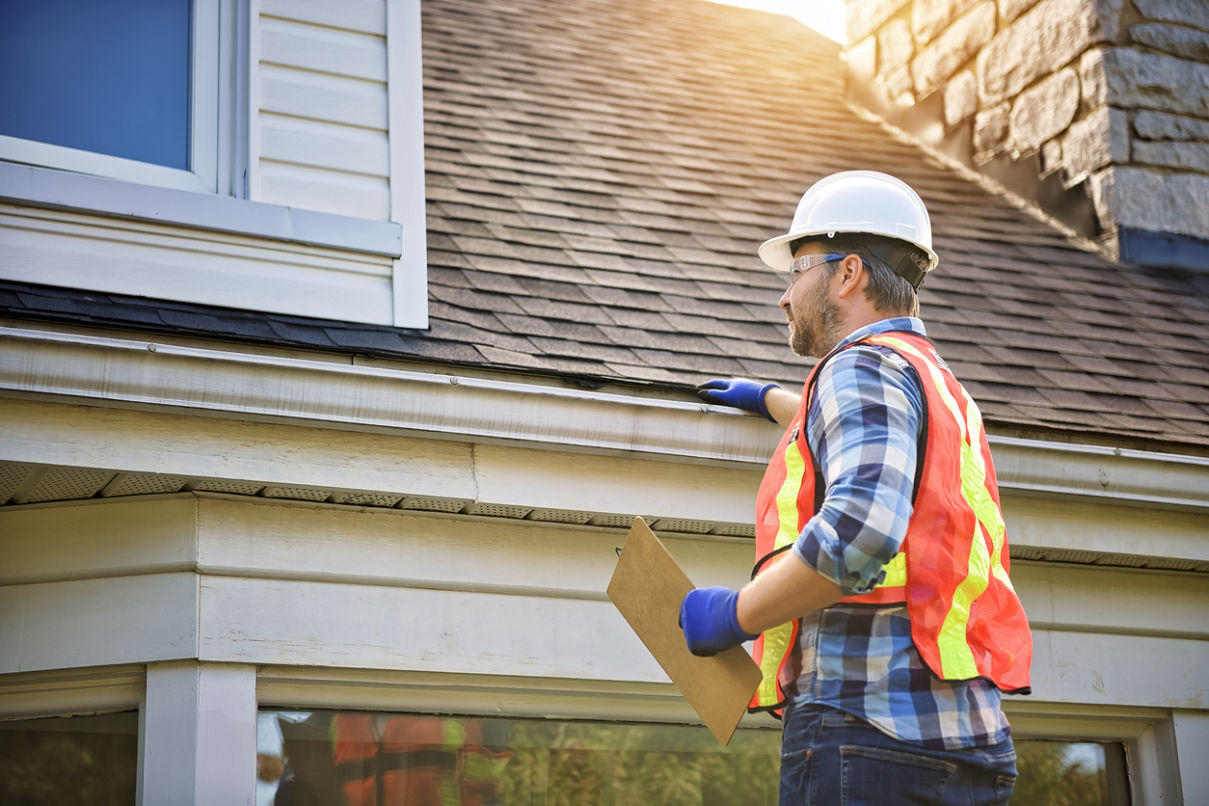
One of the clearest signs of a good roofing contractor is the way they inspect the roof before offering a recommendation. A roof inspection should not feel rushed, casual, or overly generic. The contractor should be trying to understand the actual condition of the roofing system, not simply trying to confirm a sale.
In Norfolk, where roofs deal with storm exposure, humidity, and gradual coastal wear, inspection quality matters. A proper inspection may include looking at shingles, flashing, roof penetrations, valleys, gutters, roof edges, visible storm damage, and attic conditions if accessible. The contractor should be paying attention not only to what is visible from the ground, but also to the likely causes behind the problem you called about.
If two contractors give you different recommendations, often the difference comes down to inspection depth. One may have found a localized flashing problem that supports repair. Another may have noticed broader aging, granule loss, ventilation issues, or widespread damage that changes the conversation toward replacement. That is why the quality of the inspection often matters more than the speed of the quote.
A strong inspection usually includes:
- A review of the current roofing materials and visible wear
- Attention to leak-prone areas such as chimneys, vents, and valleys
- Consideration of storm-related damage if weather is part of the issue
- A look at drainage and gutter conditions
- An effort to explain the likely cause of the problem, not just the symptom
Look for Clear, Detailed Estimates
Once the inspection is complete, the estimate becomes one of the most important parts of the decision. Homeowners should be cautious about proposals that are short, vague, or built around a single bottom-line number without much explanation. A roofing project involves more than “replace roof” or “repair leak.” The estimate should explain what work will actually be done.
A detailed estimate helps you compare contractors fairly. One proposal may include full tear-off, underlayment replacement, flashing updates, cleanup, and disposal, while another may leave key items unclear. The second proposal may look cheaper at first, but it may also leave more room for confusion or added costs later.
Ask yourself whether the estimate answers practical questions such as:
- What exactly is being repaired or replaced?
- Are materials specified clearly?
- Is tear-off included?
- Does the scope mention flashing, underlayment, or ventilation?
- How will decking issues be handled if discovered?
- Does the price include cleanup and disposal?
The more specific the estimate, the easier it is to understand what you are actually buying. Clarity in the written proposal is often a sign of clarity during the project itself.
Ask How the Contractor Reached Their Recommendation
A good roofing contractor should be able to explain why they are recommending repair, replacement, or a particular material option. This is especially important if you are getting mixed opinions from different companies. The right contractor does not just say what they think you should do. They explain the reasoning behind it.
For example, if they recommend replacement, is it because the roof is near the end of its lifespan, because storm damage is widespread, because matching materials are no longer practical, or because recurring leaks suggest broader system failure? If they recommend repair, is it because the roof still has solid life left and the issue is confined to one area? The “why” behind the recommendation matters.
This is one of the simplest ways to identify the right roofing contractor in Norfolk. Strong contractors usually make homeowners feel more informed, not more pressured. They explain the condition of the roof in a way that helps the homeowner understand the logic behind the proposal.
Review Warranty Information Carefully
Warranties are another area where homeowners should slow down and look closely. Roofing warranties are not all the same, and they usually involve more than one layer. There is often a material warranty related to the products being installed and a workmanship warranty related to the contractor’s installation.
Both matter. Even good materials can underperform if installed poorly, and even strong workmanship benefits from quality products. Homeowners should ask what warranty coverage exists, how long it lasts, and what the process looks like if an issue appears later.
Useful questions include:
- What workmanship warranty do you provide?
- What manufacturer warranty applies to the materials?
- What kinds of issues are covered under each?
- How do I request service if something goes wrong later?
A trustworthy roofer should be able to explain this in a way that feels practical rather than overly technical. If warranty language is vague before the job starts, that is not a great sign for what support may look like after the work is done.
Communication Matters More Than Homeowners Expect
Many roofing problems are not caused by shingles or flashing alone. They are caused by poor communication. Homeowners are often less frustrated by a weather delay than by not being told about it. They are often less bothered by unexpected decking repairs than by not having those repairs explained clearly. Communication is one of the strongest indicators of how organized and professional a company really is.
Pay attention to how the contractor communicates from the first conversation onward. Do they answer questions directly? Do they follow up when they say they will? Do they explain the scope in a way that makes sense? Do they make you feel rushed or talked around? These small early signals usually reflect how the actual project will feel once it is underway.
The best roofing experiences usually come from companies that communicate consistently before, during, and after the work. Homeowners should know who their point of contact is, how updates will be shared, and what happens if questions come up once the job begins.
Make Sure Cleanup and Property Protection Are Part of the Plan
A roofing project affects more than just the roof surface. Materials, nails, debris, and work activity all impact the property around the home. This is why homeowners should ask how the contractor plans to protect landscaping, siding, windows, driveways, and outdoor areas during the job.
Cleanup is not a side detail. It is part of the service. A strong contractor should have a process for collecting debris, managing discarded materials, and checking for stray nails once the project is complete. This is especially important for households with children, pets, or active outdoor spaces.
Questions here might include:
- How do you protect the property during the project?
- How is debris removed?
- Do you perform a final cleanup and nail sweep?
- What should I expect around the home while the work is underway?
These questions often reveal whether a contractor is thinking about the homeowner’s experience as a whole or only about the installation itself.
Local Experience Has Real Value
When choosing the right roofing contractor in Norfolk, local experience matters. Roofs in Norfolk and nearby Virginia Beach face a mix of weather conditions that influence performance over time. Wind, heavy rain, humidity, salt air exposure, and seasonal storms all shape how materials age and where failure points tend to appear.
A contractor who regularly works in this region is more likely to understand local roof issues such as flashing stress around storm-prone areas, ventilation needs in humid conditions, and the cumulative wear caused by coastal weather. They are also more likely to understand what local homeowners expect in terms of materials, response time, and roofing solutions that make sense for this specific environment.
This does not mean a company needs to give a speech about the weather to prove itself. It means their inspection, recommendations, and planning should reflect an understanding of the conditions your roof actually faces.
Do Not Let Price Be the Only Filter
Price matters. Every homeowner has a budget, and roofing work is a meaningful investment. But the lowest number is not always the strongest value. A cheaper quote may reflect a smaller scope, lower-grade materials, weaker warranty coverage, or less attention to details like flashing, underlayment, or ventilation. That does not automatically make it a bad estimate, but it does mean the homeowner should understand what is and is not included.
The strongest comparison usually comes from weighing price alongside:
- Inspection quality
- Scope clarity
- Communication
- Credentials and insurance
- Material choices
- Warranty coverage
- Overall professionalism
Homeowners who choose based on value rather than price alone often feel much more confident once the project begins. They understand why they hired the company, not just what the invoice says.
Notice How the Contractor Handles Questions
One of the simplest ways to judge a roofing company is to ask a few honest questions and observe how they respond. Strong contractors do not usually get defensive when homeowners want clarity. They explain. They educate. They make the process easier to understand. Weak contractors may sound impatient, vague, or overly focused on closing the deal quickly.
You do not need a long checklist to notice the difference. If asking basic questions makes the conversation uncomfortable, that is useful information. The right contractor should make you feel more informed as the conversation continues, not less.
Trust the Pattern, Not Just the Pitch
Roofing decisions are often influenced by the way a contractor presents themselves during one conversation. But the better standard is the overall pattern. Do they inspect carefully? Communicate clearly? Provide specific written information? Answer questions directly? Set realistic expectations? Show professionalism in the small details?
The pitch might win your attention, but the pattern is what usually predicts the actual project. Homeowners should pay attention to what the company consistently does, not just what it says in the most polished part of the conversation.
Final Thoughts on How to Choose the Right Roofing Contractor in Norfolk
Choosing the right roofing contractor in Norfolk comes down to more than finding someone willing to do the work. It means finding a company that brings the right mix of credentials, inspection quality, estimate clarity, warranty support, communication, and local roofing understanding. The right contractor should help you feel clearer about the roof, not more confused. They should explain what they found, why they are recommending a certain solution, and what the project includes from start to finish.
For homeowners in Norfolk, Virginia Beach, and nearby areas, roofing work is too important to choose based on speed or price alone. A careful decision at the beginning usually leads to a smoother project, stronger workmanship, and more confidence in the roof protecting your home afterward. When you review credentials, compare inspections thoughtfully, study estimates carefully, ask about warranties, and notice how a contractor communicates, the right choice usually becomes much easier to see.
In the end, the best roofing contractor is not simply the one who promises the most. It is the one who earns trust through clarity, professionalism, and a well-supported plan for your specific home. That kind of contractor does more than install a roof. They help protect one of the most important investments you will ever make.