A Homeowner's Guide to Roof Insurance Claims in Virginia Beach
Learn how roof insurance claims work in Virginia Beach, what documentation helps, and how to move from inspection to repair or replacement.

When a storm moves through Virginia Beach, most homeowners do the same thing first. They look for the obvious. They check the yard for fallen branches, glance up at the roofline, and look for new water stains on the ceiling. If nothing dramatic stands out, it is easy to hope the house came through just fine. But roofing damage does not always announce itself in a dramatic way. A few lifted shingles, bent flashing, minor impact damage, or a small leak path can be enough to create bigger problems later. That is why understanding roof insurance claims in Virginia Beach matters so much.
For many homeowners, the roof claim process feels unfamiliar until they suddenly need it. They know insurance may help after storm damage, but they are not always sure where to begin, what documentation matters, or how to move from a suspicion of damage to an actual repair or full replacement. That uncertainty can make the whole situation feel more stressful than it needs to be.
The good news is that roof insurance claims are much easier to navigate when you break the process into practical steps. You do not need to know every insurance term or roofing detail in advance. You simply need to understand how the process generally works, how to document what changed, and why the right inspection matters before major decisions are made. When homeowners take a calm, organized approach, they usually put themselves in a much stronger position.
In Virginia Beach, this is especially important because coastal weather creates real roofing pressure. Wind, wind-driven rain, seasonal storms, tropical weather patterns, and long-term humidity can all affect the roof’s condition. Sometimes the damage comes from one specific storm event. Other times, a storm exposes a weak point that was already forming. Either way, once the roof has been compromised, acting early usually helps protect both the home and the claim process.
Why Roof Claims Matter in Virginia Beach
Roofs in Virginia Beach are expected to handle more than normal sunlight and occasional rain. They deal with strong gusts, heavy downpours, salt-heavy coastal air, moisture retention, and storm season conditions that can place repeated stress on shingles, flashing, gutters, and roof penetrations. Because of that, homeowners in this area are more likely than some inland homeowners to deal with roofing issues connected to weather.
That does not mean every roof problem becomes an insurance claim. Some roofing issues are simply the result of age, wear, or maintenance that was delayed too long. But when a storm or weather event causes sudden or clearly identifiable damage, insurance may become part of the path forward. That is where a lot of homeowners start asking questions. Was the damage caused by the storm, or was the roof already failing? Is the issue limited to repair, or does the roof now need replacement? What do you need to show, and when should you start the process?
Those questions are normal. They are also why it helps to think of a roof claim not as paperwork first, but as a process of gathering clear information. The stronger your understanding of the roof’s actual condition, the easier it is to make smart decisions from the beginning.
What Usually Triggers a Roof Insurance Claim
Most roof insurance claims begin with a weather event or an obvious change in the home’s condition. A storm may move through and leave shingles in the yard. A branch may strike the roof. A leak may appear after heavy rain. Gutters may be bent or separated after strong wind. Sometimes the damage is easy to see. Sometimes the first sign is subtle and only becomes obvious during the next rain.
Common events that may lead homeowners to explore roof insurance claims in Virginia Beach include:
- Wind damage that lifts, creases, or removes shingles
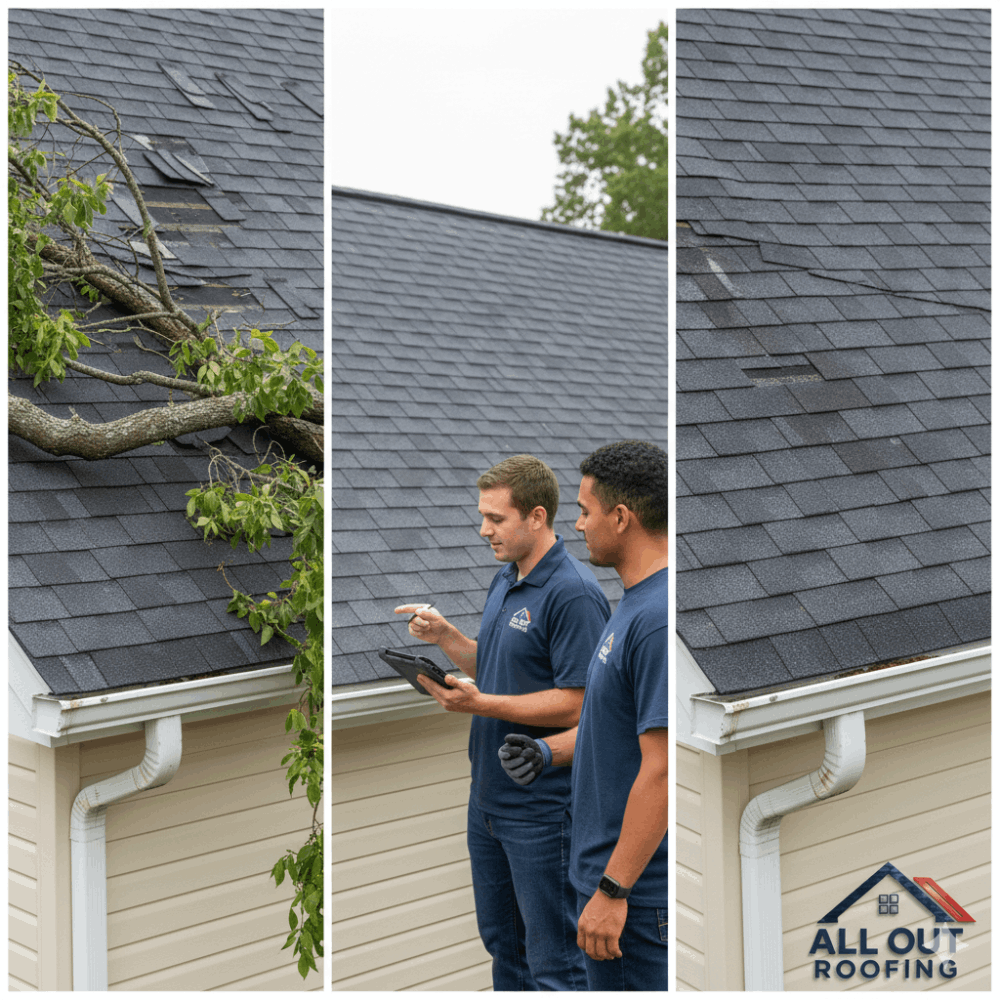
- Fallen tree limbs or debris impact
- Heavy rain that exposes an opening in the roofing system
- Storm damage to flashing, vents, or gutters
- Interior leaking that starts immediately after a weather event
The important point is that insurance claims generally depend on whether the damage can be connected to a covered event rather than simple long-term deterioration. That is why the inspection and documentation stage matters so much. The claim process usually begins by showing what changed and why that change likely resulted from a weather-related cause.
The First Step Should Be a Professional Roof Inspection
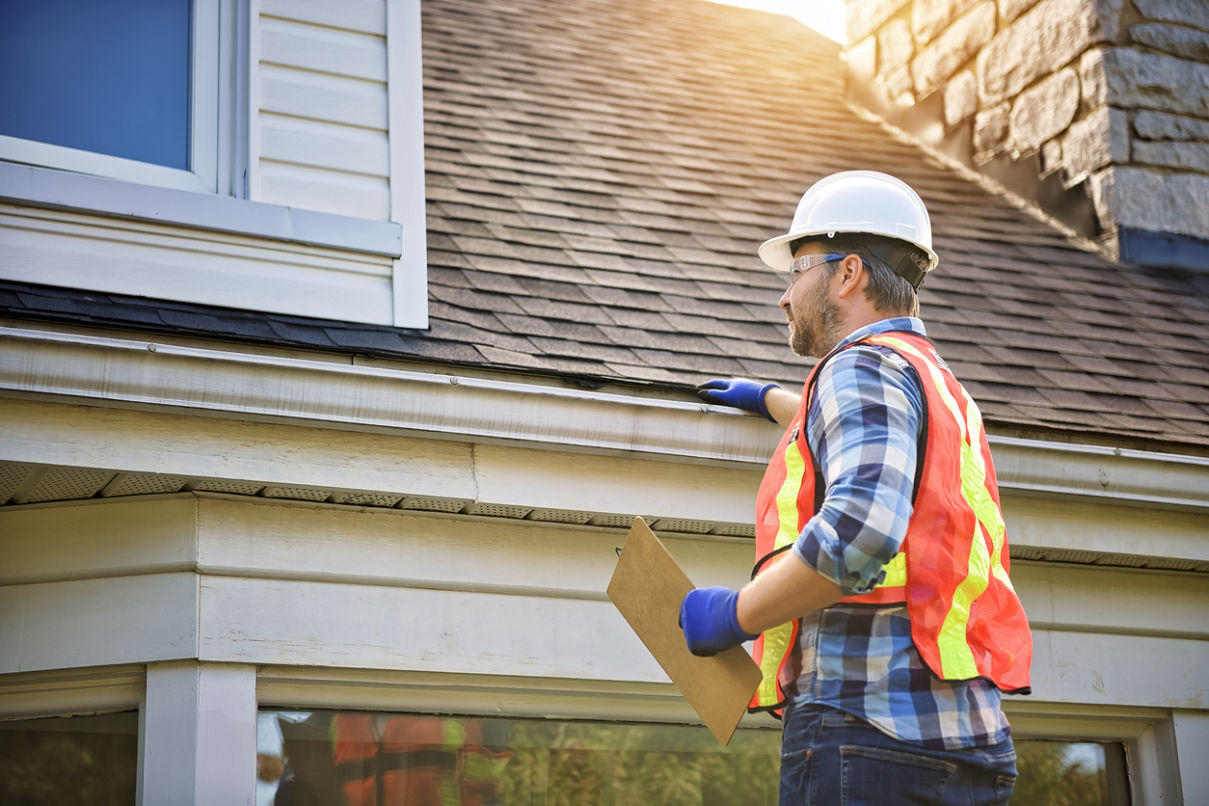
If you suspect storm-related roof damage, one of the smartest first moves is scheduling a professional roof inspection. Many homeowners assume they should file the claim immediately and sort out the details later. In practice, it is often more useful to first understand what the roof is actually dealing with.
A roofing contractor can inspect the shingles, flashing, valleys, penetrations, gutters, roof edges, and visible storm-related wear. They can help identify whether the damage appears recent, whether it is isolated or widespread, and whether the roof is a repair candidate or may need larger corrective work. Just as importantly, they can help identify hidden damage that may not be obvious from the ground.
This matters because not every roof issue after a storm is insurance-related, and not every roof that looks fine from the yard is actually fine. Wind can loosen shingles without tearing them off. Flashing can shift slightly and create a leak path. Water can enter through a detail failure before interior damage becomes obvious. A good inspection turns uncertainty into useful information.
Why Documentation Makes Such a Big Difference
One of the biggest strengths a homeowner can have during a roof claim is good documentation. You do not need a complicated system, but you do need a clear record of what you saw, when you saw it, and how the damage appeared after the storm or weather event.
Helpful documentation often includes:
- Photos of visible roof damage taken safely from the ground
- Photos of shingles or debris found in the yard
- Photos of damaged gutters, flashing, or other exterior changes
- Interior photos of ceiling stains, attic moisture, or dripping water
- Notes about the date of the storm and when the issue was first noticed
- Inspection findings from a roofing professional
The goal is not to build a perfect legal file. The goal is to create a clear timeline and visual record. That makes it easier to show that something changed after a specific weather event and that the home was not simply dealing with an old roofing issue that went unnoticed for too long.
Documentation also helps the homeowner stay organized. Storm situations can feel chaotic. Having a clear record of what happened helps keep the process grounded and easier to manage.
Why Timing Matters
With roof damage, timing matters for two reasons. First, the roof itself may continue deteriorating if damage is left exposed. Second, the longer the homeowner waits, the harder it may become to clearly connect the damage to the original weather event.
If a storm loosens shingles and the roof is left unaddressed for weeks or months, the next round of rain may create additional damage that complicates the picture. Moisture may spread farther into the attic or ceilings. What could have started as a focused repair may grow into a broader restoration issue. That does not mean homeowners should rush into the wrong decision. It means timely inspection, documentation, and action usually protect both the home and the claim process.
Prompt action also shows that the homeowner responded responsibly after discovering the issue. That practical step matters when trying to prevent further avoidable damage.
What the Insurance Process Usually Looks Like
After the roof has been inspected and there is reason to believe storm-related damage may be involved, the homeowner typically contacts the insurance company to begin the claim. The carrier may ask for the date of the storm, what damage was noticed, whether the home is actively leaking, and what kind of inspection has already been done.
Once the claim is opened, the insurance company may assign an adjuster or inspector to review the property. The adjuster’s role is to evaluate the damage in the context of the policy and determine what appears to be covered. This part of the process can feel intimidating to homeowners, but it usually becomes much more manageable when the homeowner already has a professional roof inspection and organized documentation in hand.
It helps to think of the inspection as a fact-finding stage. The adjuster is trying to understand what happened, how the roof was affected, and whether the observed damage aligns with a covered event. Homeowners do not need to overcomplicate this conversation. Clear facts, good photos, and a solid roof assessment go a long way.
What Information Usually Matters Most
In most roof claims, the details that matter most are straightforward. The insurance company will usually want to understand:
- What event likely caused the damage
- When the damage was first noticed
- What visible symptoms followed the event
- Whether the damage appears recent and storm-related
- Whether the roof needs repair or replacement based on current condition
This is where a roofing contractor’s inspection can be very useful. A professional can often explain whether the damage looks like lifted shingles from wind, flashing displacement, impact damage, or other weather-related conditions rather than normal aging alone. That does not decide the claim by itself, but it gives the homeowner a more grounded way to understand what the adjuster is likely evaluating.
Repair or Replacement: How That Decision Often Gets Made
One of the biggest questions in roof insurance claims in Virginia Beach is whether the roof needs a repair or a full replacement. The answer depends on the extent of the damage, the condition of the rest of the roof, and whether the affected area can be restored effectively without compromising long-term performance.
Sometimes the damage is limited to one area. If the rest of the roof is still in strong condition and the storm-related damage is clearly isolated, repair may be the practical solution. Other times, storm damage affects multiple areas, or the roof is already aging enough that partial work may not restore dependable protection. In that case, replacement may make more sense.
The important thing is not to jump to a conclusion based only on what is visible from the yard. A professional inspection and the adjuster’s evaluation together help clarify whether the roof can be safely and reasonably repaired or whether broader work is necessary.
Temporary Protection May Be Necessary
Sometimes the roof cannot wait quietly for the full claim process to finish. If the home is actively leaking or if part of the roof is exposed, temporary protection may be needed to prevent further damage. This might include tarping or another form of emergency weather protection while the permanent repair or replacement plan is being worked out.
Temporary protection is not the final solution, but it is often a smart and responsible step. It helps keep additional water out of the house and shows that the homeowner acted to reduce further damage after the problem was discovered. If temporary protection is installed, it helps to document that too with photos and records of when it was done.
Communication With Your Roofer Matters
A strong roofing contractor does more than identify damage. They help homeowners understand what the roof needs and what the likely next steps are. That is especially valuable when insurance is involved, because roof claims can feel confusing when the homeowner does not yet know whether the issue is small, large, repairable, or part of a wider roofing decline.
Good questions to ask your roofing contractor include:
- What storm-related damage do you see?
- Does the roof appear to need repair or replacement?
- Are there flashing, decking, or ventilation concerns involved too?
- What should I photograph and document before work begins?
- Do I need temporary protection right away?
These questions help create clarity before bigger decisions are made. The more clearly the contractor can explain the condition of the roof, the easier it usually is for the homeowner to move through the process with confidence.
Why Local Experience Matters in Virginia Beach
Virginia Beach is not a generic roofing environment. Coastal weather, strong winds, humidity, and storm-season pressure shape how roofs wear and how damage appears. That is why local roofing experience matters. A contractor familiar with this area is more likely to understand the ways wind damage shows up, how flashing failures often develop under driven rain, and how storm exposure can affect roofs that were already under stress.
That same local knowledge also matters when discussing the practical side of a claim. A roofer who regularly works with storm-related issues in this market is often better positioned to explain what the roof is experiencing and how the damage may have developed after a weather event. That practical perspective helps homeowners feel less like they are navigating the situation alone.
Moving From Claim to Actual Roofing Work
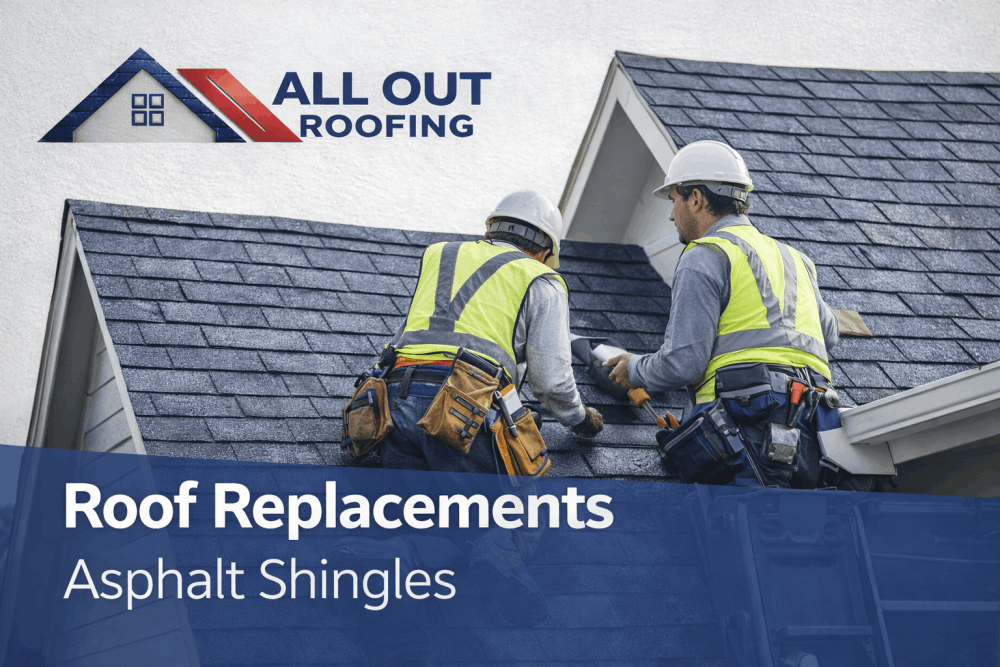
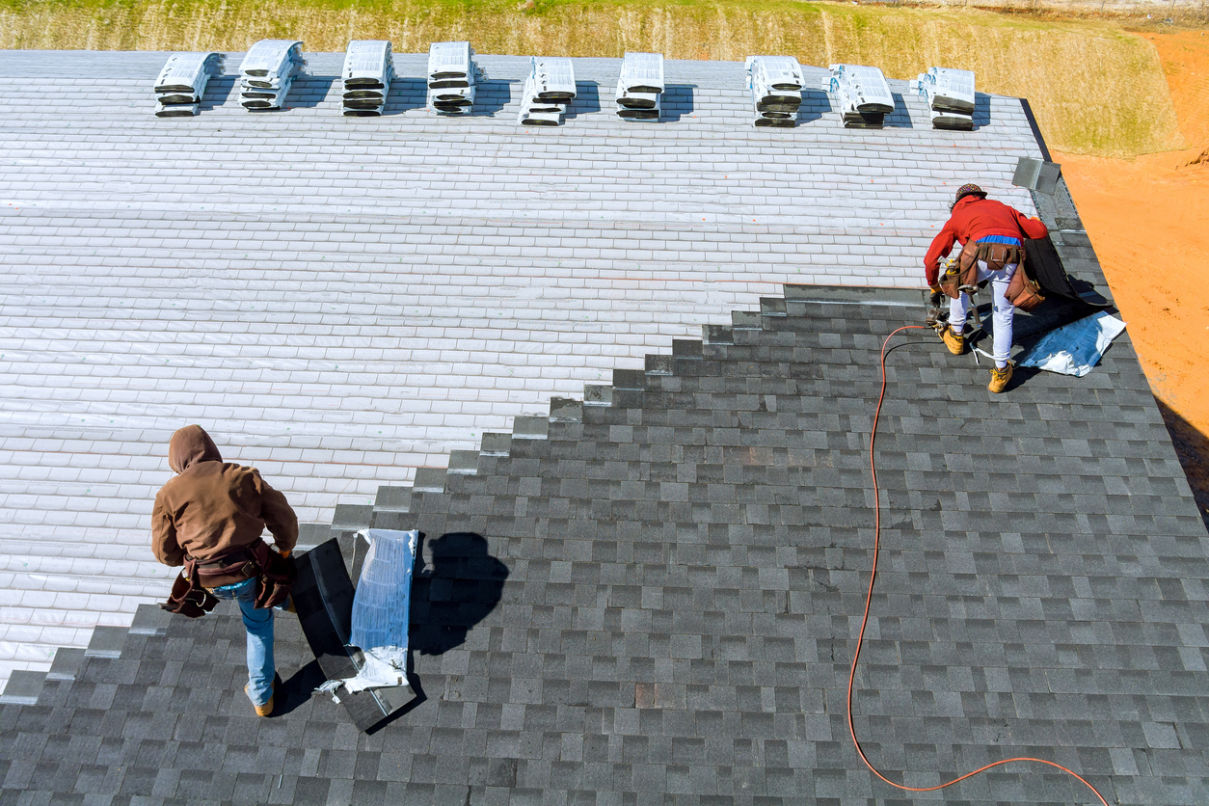
Once the inspection stage is complete and the claim process is moving forward, the homeowner’s focus should return to the most important outcome: getting the roof restored properly. Whether the final path is a repair or a full replacement, the work should address the actual damage and restore the roof to dependable condition.
This means the goal is not just to fix the visible symptom. It is to correct the damaged area, protect vulnerable details, and make sure the roof is ready to handle the next round of Virginia Beach weather. In some cases, that may include shingle replacement and flashing work. In others, it may mean broader roofing replacement and review of underlayment, decking, and ventilation if those elements were affected too.
The strongest claims process is the one that leads to strong roofing work in the end. The paperwork matters, but the real purpose is protecting the home.
Final Thoughts on Roof Insurance Claims in Virginia Beach
Understanding roof insurance claims in Virginia Beach starts with a few practical ideas: inspect the roof promptly after suspected storm damage, document clearly, stay organized, and work with a roofing professional who can help you understand the real condition of the roof before major decisions are made. A claim is not just a form to file. It is a process of connecting the weather event, the roof condition, and the work needed to restore protection for the home.
The good news is that this process becomes far less overwhelming when homeowners approach it step by step. A strong inspection helps identify whether storm damage is actually present. Good documentation helps support the timeline and visible condition. Prompt action helps prevent additional damage from complicating the situation. And clear communication with the roofing contractor helps move the home from uncertainty toward repair or replacement with more confidence.
For homeowners in Virginia Beach, roof claims are part of living in a region where storms can place real pressure on homes. But they do not have to feel mysterious or chaotic. With the right inspection, the right records, and the right roofing guidance, homeowners can move through the process in a way that feels practical, informed, and focused on what matters most: protecting the home with a roof that is restored the right way.